

Your Step-by-Step Travel Planning Guide
The Only Travel Guide You Need When Food’s a Factor. How to plan a trip with food allergies, its perfect for Gluten‑Free, Dairy‑Free, Allergy Friendly and other dietary restricted travellers
Time to read:
Last Modified:
Grab a cuppa because I’m going to show you how to plan a trip with food allergies or gluten free or other dietary restrictions. I built this process over a few years of navigating the world Gluten free, Wheat Free and Dairy Free, and I react to crumbs so am very careful. This isn’t a list; it’s the exact framework I use to ensure I never get sick abroad.
Planning a trip with dietary restrictions involves more moving parts than most travel guides or people account for. There are seven pillars; Chose a destination with your diet in mind, map your route around easy food wins, understand the local food landscape, book accommodation near suitable food choices options, practice advocating for yourself before you travel, prepare for travel day and using the right tools. Don’t worry, I’ll walk you through them in order, from choosing where to go, to getting on the plane, so you’re not figuring it out on your own.
Work through it before your first trip and you’ll have a process you can reuse every time. Skip to the step you need if you’re already partway through planning. Download the complete PDF (above) to use while you’re vetting your accommodation and mapping your route.
- The 5-Minute Trip Safety Checklist
- Step 1: Choose a Destination with Your Diet in Mind
- Step 2: Map Your Route Around “Easy Food” Wins
- Step 3: Get to know the local food landscape
- Step 4: Find where to eat
- Step 5: Practise advocating for yourself
- Step 6: Prepare for travel day
- Step 7: Get the right tools in place
- Bon Voyage!
- Download Your Free, Complete Travel Planning Guide
- Key Takeaways
- FAQ
The 5-Minute Trip Safety Checklist
- Identify an “Easy Win”: Use the Essentials Travel Pack to find one “safety hub” destination (like Barcelona, Roma, Tokyo, Melbourne or NYC) to anchor your trip.
- Check the Labeling Laws: Spend a minute or two reviewing the allergen labelling laws for your destination in your Essentials Travel Pack.
- Book Food First Accommodation: Book accommodation with a kitchenette or fridge and a free cancellation policy until you’ve found suitable dining nearby.
- Download your Voice: Generate your Free Allergy Card and print it or save to your phone.
- Pack your “Emergency Kit”: Two safe, dehydrated meals and a pack of wet wipes into your carry-on for travel-day delays.
Step 1: Choose a Destination with Your Diet in Mind
In my years of travelling I’ve seen it so often, travellers with dietary restrictions arriving in a town or suburb or have booked the accommodation and last minute start checking the food options only to discover there’s nothing safe to eat nearby. Cue the stress, frustration, and hangry Googling. Don’t let this be you. A little planning can make all the difference.
Whether you’re booking everything yourself or joining a group tour, food needs to be part of the decision-making process, not an afterthought.
Independent Travel? Plan With Food in Mind
If you’re planning your own trip, choose accommodation with free cancellation where possible. Why? Let’s say you’ve found the perfect hotel, great price, gorgeous views, but once you check our dining guide (available to our premium members), you realise there are no safe places to eat nearby. Do you really want to hop on a bus or train every time you’re hungry?
Having the flexibility to switch your base if food options are limited is one of the smartest moves you can make.
Even if your accommodation is sorted, think about day trips, long drives, or train travel. There’s nothing worse than being stuck in transit with no safe food in sight. Knowing what’s available, and always packing a few reliable snacks, makes all the difference.
Top tip, if possible, choose a place with a kitchenette or check what amenities are available in your room and the wider hotel, it’s getting more common to have a microwave in the lobby. Even just a fridge, kettle or microwave is better than nothing. Extra freedom equals less stress.
My first accommodation in Tokyo was in a great location, and had a convenience store nearby but no other safe food choices, not ideal. Now I make sure I can change my accommodation free of charge in case. Headed to Japan? Read our guide
The “Faith Filter”: Use Religious Culture to Shortlist Destinations
Understanding local religious norms is a total “life hack” for choosing where to go. It allows you to find destinations where your restrictions aren’t a “modification”, they are the standard. Learn how to leverage traditions like Kosher meat laws (naturally dairy-free) or Halal cultures (naturally pork-free) to find “easy win” destinations that align with your safety needs. How Religious Food Culture Can Work For (and Against) Your Dietary Restrictions
Joining a Tour or Cruise? Ask These Questions First
Tours and cruises can be amazing, but only if your dietary needs are actually met. Before you book, ask:
- Can they accommodate your dietary needs?
- What does that look like in practice (not just a “yes” on paper)?
- Will meals be prepared separately? Are there safe snack options?

If their answers are vague or dismissive, it might be time to look elsewhere. You deserve more than “we’ll see what we can do.” Alternatively, if a company can cater to your needs, even if there’s a surcharge, we recommend going for it. Your peace of mind is worth it.
Once you’ve got your base sorted, Step 2 is where you build the actual route, with food factored in from the start, not bolted on at the end.
Step 2: Map Your Route Around “Easy Food” Wins
Most travellers start with the fun stuff, the sights, the experiences, the must‑do moments. But when you have dietary restrictions, food has to be part of the plan too. Whether you’ve already got a list of dream stops or you need a little help pulling things together, planning with food in mind saves you stress, time, and last‑minute panic.
Want personalised help comparing stops for food and activities? Our Custom Itinerary tool(available to our premium members), can do the heavy lifting.
How I Build a Balanced Itinerary (That Actually Includes Meals)
When I’m mapping a potential route, I compare must see activities early on in the planning process along with the Dining Guide alongside Google Maps to shortlist locations, then piece it all together in a way that makes sense for both the itinerary and the food. Often I kind of have two trips mapped out in different locations depending on food and budget constraints so I can see what is more realistic for me right now.
I then look for any iconic foods available locally that I can’t easily have at home either by chatting to our dining guide or browsing Facebook, Instagram or Tiktok, and yes, I’ve been known to go somewhere just for a treat.
If you’re travelling on a budget and find many recommendations can be a bit expensive for your tastes, I’ve covered how to travel safely on a budget with dietary restrictions. It’s based on over twenty years of travelling, including backpacking around the world.
Want help comparing stops for food and activities? The Custom Itinerary tool (available to our premium members), can map it all out for you. You’ll see an example below from a long weekend I had recently in Melbourne (Check out the dedicated Gluten Free, Dairy Free Guide). It combines fun things to do with meals you won’t have to stress about, because travel should feel exciting, not exhausting. It makes evaluating trip options at a high level stress free.


Balance is Key: Mix Tricky Stops with Easy Wins
Some destinations are incredible but tough for food, and that’s okay. The trick is to “sandwich” them between places with plenty of safe options. That way, you always have a breather built into your trip, and you’re never too far from a guaranteed meal that won’t make you sick. Ask yourself:
- Can I self‑cater here and still enjoy the experience?
- Does the location make up for the lack of food options?
Planning ahead doesn’t limit you, it simply helps you travel smarter. So keep an eye out for naturally safe options in these harder spots – recently in Matsumoto, Japan (see the full Japan guide for where I recommend eating) the locations I’d scouted were either closed for the New Year holiday, contained dairy or couldn’t accommodate my needs. However I found a cute bar that amongst other things had sausages and he also made a mean cocktail. Just what I needed before checking out the castle lights.
With your route taking shape, Step 3 helps you understand what eating safely actually looks like at each stop, because “gluten free” doesn’t mean the same thing everywhere.
Step 3: Get to know the local food landscape
Every destination has its own food quirks. What “gluten‑free,” “vegan,” or “allergy‑friendly” means in one country can look completely different in another. Understanding the local food landscape, from labelling laws to common ingredients to how well your restriction is understood, makes your trip smoother, safer, and a whole lot more enjoyable.
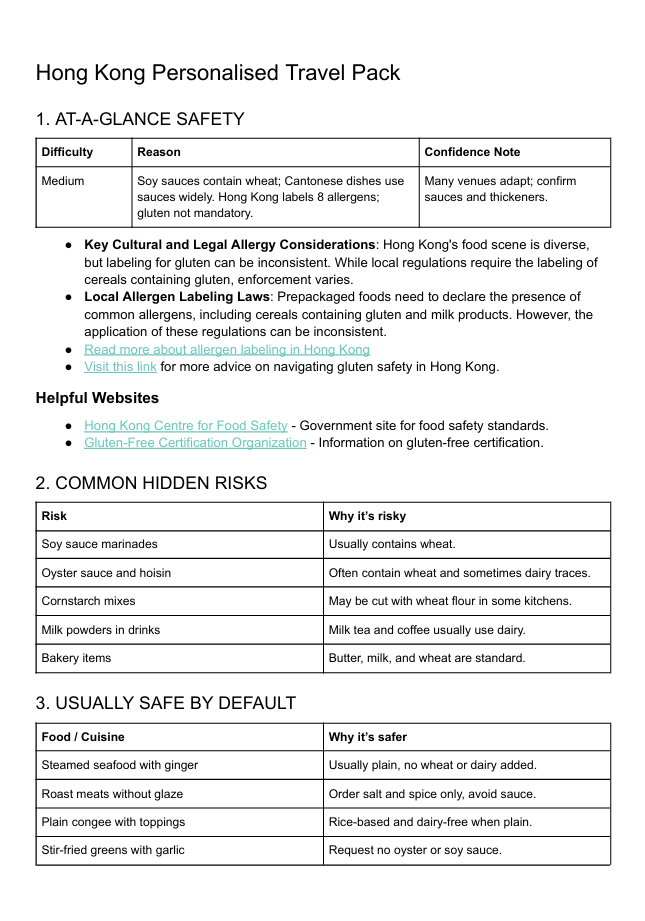
- Any useful local, dietary related websites
- Local food labelling laws
- Regional ingredients to watch out for
- What your restriction means locally (and how well it’s understood)
- An allergy card you can print off and use safely
- Safe snacks and convenience foods
- Iconic local foods and how likely is it you’ll be able to eat them, so you can look out for them or find suitable alternatives
- Tips for grocery shopping, social etiquette, and eating out
- What websites locals use for restaurant reviews
Check out what our Essentials Travel Guide generated above for my recent Hong Kong stopover, completely customised for gluten and dairy-free travel. It ticks all these boxes in minutes, leaving you free to plan the rest of your trip.
Understand the local Food Language
“Gluten free” doesn’t always mean the same thing everywhere. For example, in North America, gluten-free products may include oats, while in Australia and New Zealand, oats are usually excluded.
In Japan, vegan dishes can sometimes be cooked in fish-based broth, so even if a dish looks vegan on the menu, it might contain hidden animal ingredients.
In any case be specific, instead of just saying Tree Nuts include the actual nuts, (we went into this in more detail in our post on Iceland with a nut allergy) or if you are Gluten Free include Wheat, Rye, Oats, Barley.
Always double-check local definitions by chatting with our AI tools or consulting trusted sources. And if you have serious allergies or strict dietary needs, don’t hesitate to talk to a medical professional before you travel.
Allergen Labelling
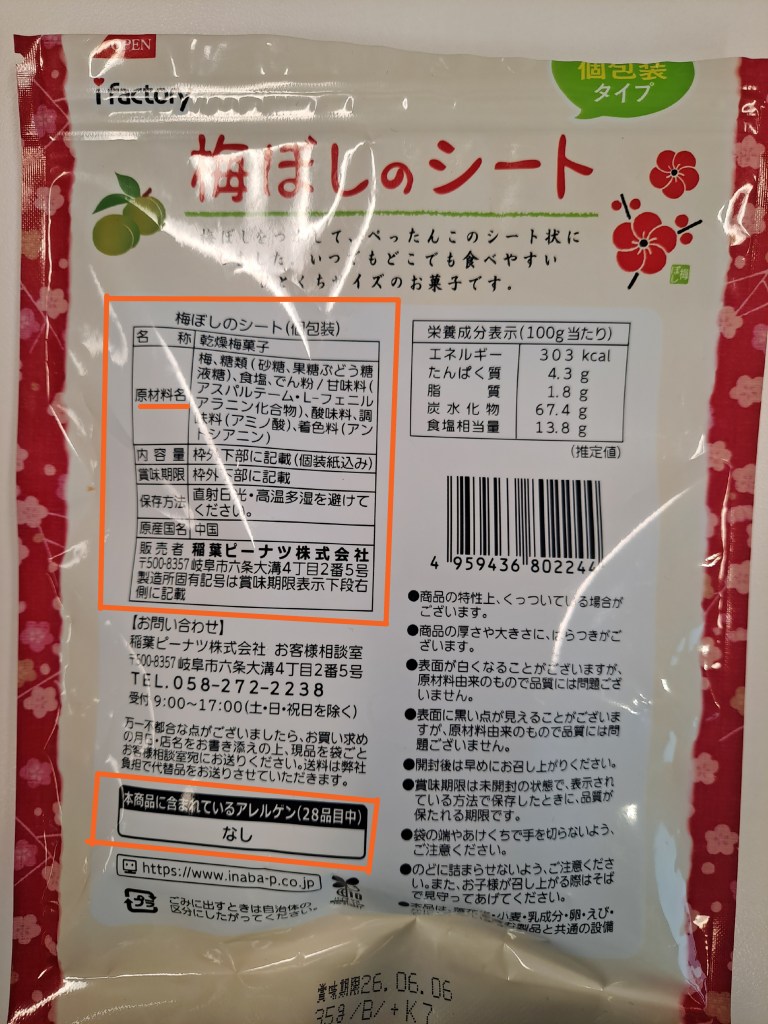
Every country has its own rules about which allergens must be listed on food packaging. This can make reading labels tricky when you’re abroad.
Our Essentials Travel Guide breaks down the key allergen labelling laws wherever you’re travelling, so you can shop with confidence and stay safe.
Alternatively search for local resources from reputable sources to learn what the labelling laws are and how it affects you. For example check out FACE (Spanish Federation of Celiac Societies) if you’re Gluten Free and headed to Spain. It’s a fantastic way to get the official word on your needs. you’ll be able to learn what are the mandatory allergens to be labelled, and thus what locals are likely to understand.
Local Attitudes
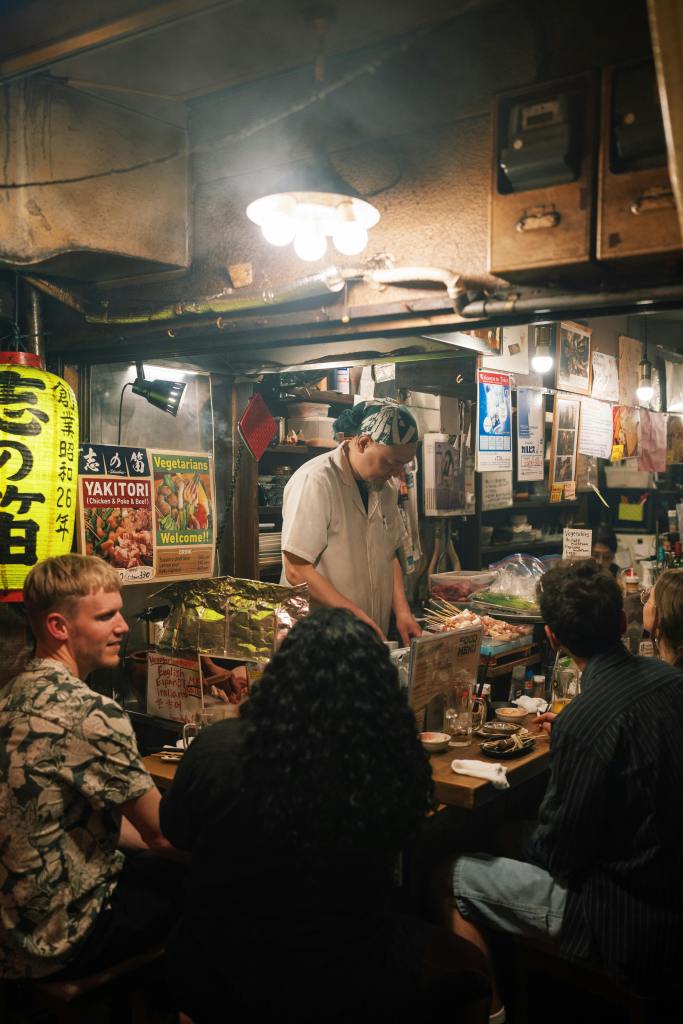
Something else to consider is what are the local attitudes to allergies and dietary restrictions? Japan for example has a strong yes / no culture, this means that if they can accommodate your needs they will. I wrote about this (Why Japan handles food allergies differently) and if you’re headed there, its refreshing. But because many traditional sauces or dashi (broth) contains soy sauce which often contain wheat. I now never eat at a traditional Izakaya without showing my Allergy Card first, it’s the only way to be 100% sure the kitchen understands the cross contact risk.
Now you know the landscape, Step 4 is where you find the places to eat.
Step 4: Find where to eat
Finding safe, delicious food doesn’t have to be a gamble. You’ve already identified the cuisines and dishes that are likely to work for you, now use that as your starting point when searching, rather than hunting blind for anything labelled “allergy friendly.”
With the right tools and a bit of local know‑how, you can uncover great options wherever you go, from hidden gems to reliable chains to spots locals actually recommend. Here’s what I look for depending on the trip
- Use Our Dining Guide: Search our Dining Guide by city or suburb and save your favorites to a Google Maps list or add it to your itinerary
- Look for naturally safe choices. Search for the cuisines and dishes you identified in Step 3 directly, a Vietnamese restaurant or a sushi spot can be a more reliable starting point than searching “gluten free” in Google Maps and hoping for the best. Add the ones you’re confident about to your Google Maps list. For smaller destinations where options are limited, I add possiblities as well, with a ??? so I know to check further before I commit.
- Safe Eating Doesn’t Have to Be a Luxury. One of the biggest myths is that safe travel with allergies requires a massive budget and high-end international hotels. In reality, the “allergy tax” is avoidable with only a couple of small tweaks. You Don’t Need a Luxury Budget to Eat Safely with Dietary Restrictions is my blueprint for avoiding the “allergy tax” by finding naturally safe local spots, using lunch specials, and managing your travel costs without compromising your health.
- Check Local Review Sites: Our Essentials Travel Guide points you to the best local platforms. Globally, try: Google Maps, Find Me Gluten Free, Happy Cow, HalalTrip, Kosher Near Me
- Join Local Communities: Facebook and Reddit groups often share updated tips, restaurant screenshots, and Google Maps lists. (Remember to search the group first, you’re looking for advice not a research assistant, the answer might already be there. Also be mindful of differing personal needs.)
- Use Other Social Media: TikTok, Instagram, and YouTube are fantastic for spotting must-try options, often from creators with similar food restrictions. Just be mindful of differing personal needs.
- Broaden your search: If your dietary restrictions aren’t widely recognised locally, try using related terms like “vegan” or “vegetarian” when searching for menus or restaurants. You might discover hidden gems that can often accommodate your needs, even if they don’t advertise it upfront. For example, I’ve found some delicious rice flour bakeries in Japan by searching rice flour.
- Let Food Shape Your Day: The best itineraries flow, and the best travel meals are part of the experience, not a side quest. By building food into your day’s rhythm, you make space for spontaneity without the panic search.
From Plan to Reality: Staying Organised On the Go
Once you’re actually travelling, the goal is to make everything as easy and stress‑free as possible. Having key info saved, screenshotted, or pinned means you’re not scrambling for Wi‑Fi, digging through tabs, or trying to remember the name of that one restaurant you found three weeks ago.
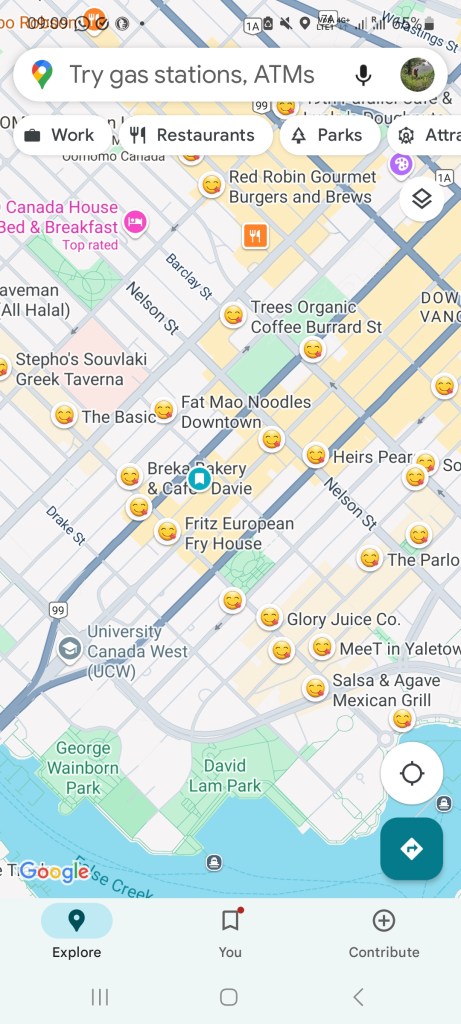
We recommend creating a custom google maps list with your favourite restaurants, snack stops, and safe food spots, it’s a great way to visualise your options and avoid last-minute stress.
Pro tip: make separate lists for Dining, Accommodation, and Activities so you can quickly spot gaps. If that hotel you’ve been eyeing doesn’t have safe food options nearby, it might be time to reconsider.
A little map planning now means fewer surprises later, and far less chance of getting hangry.
Fast Food Tips
Many chain restaurants post their ingredients online, which can be super helpful. However, menus and recipes often vary by country. For example, McDonald’s fries are gluten-free and vegan in some places, but not in others. Always double-check local ingredient lists and don’t assume things are the same everywhere.
Research local fast food chains, while navigating allergen lists online can be a challenge in another language, even with a translation app its worth it. For example knowing that CoCo Ichibanya in Japan has a curry that caters to the mandatory allergens is a fantastic backup if your restrictions are covered.
Finding the places is one thing. Step 5 is about making sure you can communicate clearly once you’re there.
Step 5: Practise advocating for yourself
Advocating for yourself can feel uncomfortable at first, especially in a new country or language. But clear communication is one of the most powerful tools you have. A few simple phrases, a bit of preparation, and the confidence to speak up can make the difference between a stressful meal and a great one. There’s a deeper dive on this in how to build food advocacy skills and yes it includes examples you can use today.
Want help communicating your needs clearly? Create a free Allergy Card in your language and destination, showing the card to the staff after you enter makes these conversations much easier.
Start at home
Before your trip, head out to eat at a restaurant where you know you can order safely. This a good chance to practise asking questions, but it also gives your travel companions a clearer understanding of what eating out is really like for you. It builds empathy and creates shared strategies you can rely on while travelling.
Get comfortable with menus and asking questions
Practice reading menus aloud and asking questions in everyday settings. The more familiar you are with expressing your needs clearly and positively, the easier it will be overseas, especially in places where language or cultural barriers exist.
Use positive, open-ended questions
The way you frame your questions matters. Instead of asking, “Do you have anything I can eat?” try: “I’m gluten and dairy free, what would you recommend for me?”
This puts the focus on solutions, not restrictions. Staff are more likely to engage and offer options when you invite them into the conversation, rather than give them an easy out.
Build your confidence with role-playing
Grab a friend or family member and run through a few dining situations; ordering, asking about cross-contact, clarifying ingredients, or using an allergy card. It might feel silly at first, but role-playing helps build fluency and flexibility so you’re less likely to freeze or panic in the real moment.
Use Your Tools — They’re Part of Advocacy
Advocacy isn’t just about what you say, it’s also about how you support your needs. Use translation apps, allergy card, or pre-written notes in your phone to make things easier for both you and the staff. These tools help reduce confusion, especially when language is a barrier, and show that you take your safety seriously. Be sure to learn how to use them before you go.
- The best Translation Apps for Dietary Restrictions covers everything from chosing an app to how to use translation apps including videos.
- Creating an allergy card is essential many people use them even in their home country. Our Free Allergy Card Creator will generate two, for any restriction combination, and destination; one business card with a concise summary and one designed for A6 size with more cross contamination and food information.
- If you haven’t already, check out our article on how to use them effectively and when to switch so you know what to reach for and when
Learn key phrases in the local language
Even a few words can boost confidence and show respect, which often makes staff more willing to help. Simple phrases like “I have a food allergy” or “Is this safe for me?” can go a long way. Our personalised Travel Phrase Guide is perfect for this, and is tailored to your trip and your dietary requirements. Alternatively you can create your own in your translation app.
Remember your rights
In many countries, food establishments are legally required to provide allergen information or accommodate reasonable requests. Don’t hesitate to be polite but firm if your needs aren’t being taken seriously but don’t forget that rules can vary between country, don’t assume its the same as what you’re used to.
Quick Tips to Improve Your Advocacy Skills
- Watch videos or tutorials on social media on communicating allergies at restaurants
- Join online communities or forums to learn how others handle ordering safely abroad
- Keep a journal of your questions and responses, note what worked or didn’t
- Celebrate small wins, each successful order abroad builds your confidence for next time!
With practice, advocacy becomes second nature, turning stressful meal moments into enjoyable experiences, wherever your adventures take you.
You’ve planned the trip and you know how to advocate for yourself. Step 6 covers the part most people forget until the day, getting there safely.
Step 6: Prepare for travel day
Travelling day can be stressful enough, adding dietary restrictions on top means you need a plan. A few smart steps before you leave home can make flights, airports, and long travel days much easier, safer, and far less chaotic.
Want something you can show staff quickly and clearly? Create a free Allergy Card for your trip, it makes flying and airport meals so much easier.
Pack your food restriction survival kit
- Bring a few backpacking meals or snacks that only need water—perfect for when safe local options are scarce. Just make sure they’re commercially packaged, check border restrictions, and always declare food at customs (especially in Australia and New Zealand, down here its taken seriously).
- Going on a road trip? Pack a small cooler with snacks and treats to enjoy wherever you stop.
- Don’t forget your free Allergy Card and Translation App. If you haven’t already, check out our article on how to use them effectively and when to switch for maximum effectiveness.
- Carry a mask, wet wipes, and travel tissues. For severe allergies, wipes are great for cleaning surfaces before eating or touching.
- Bring any medications or supplements you use regularly or in case of accidental exposure.
If this resonates with you, the full post on what to pack in your food restriction survival kit is worth a read.
Travellers with Severe Allergies
If you have a severe or life-threatening allergy, flying can feel especially stressful. But with a few smart steps, you can reduce your risk and travel more confidently.
If you’re at risk of anaphylaxis, and need to carry adrenaline (epinephrine) injectors (EpiPen® or Anapen®) when travelling. Check out the ASCIA Travel Plan and Checklist for people at risk of anaphylaxis. Recently Allergy & Anaphylaxis Australia’s trained allergy educators Wendy Freeman and Sally Voukelatos discussed ‘Travelling overseas with Food Allergies’, it’s worth a watch.
Request to pre-board
Ask gate staff if you can board early so you have time to wipe down your seat, tray table, seatbelt, window area, and any nearby surfaces. This small step can make a big difference in avoiding accidental contact with allergens. If you’re travelling with children and there are two or more adults, have one person go ahead to pre board and wipe the surfaces down to make the boarding easier for everyone.
Keep your medication close
Never store your medication, including antihistamines or an EpiPen in the overhead compartment. It should always be within arm’s reach. Let your travel companions and the flight crew know about your allergy and where your medication is in case of an emergency.
Let nearby passengers know
While most airlines won’t make an allergy-related announcement to other passengers, (but do ask, its worth trying) you’re always within your rights to politely inform those seated around you, especially on smaller or longer flights. Occasionally, airlines do make an announcement, but it’s not guaranteed.
Bring your own food if you can
Whenever possible, bring safe snacks or meals for longer flights. Cross contamination in the caterer’s kitchen’s is a reality. For this reason many airlines such as Air New Zealand have information on this on their website. Be sure to check airline and destination rules in advance, some countries restrict certain food items on entry.
If bringing your own food isn’t allowed or practical, ask airline staff about ingredients and preparation methods. For example, travellers with milk or egg allergies may find vegan meals safer, though it’s always best to double-check.
Special Meals on a Plane

For the full scoop, read our detailed article: A Traveller’s Guide to Safe In-Flight Meals with Dietary Restrictions. It covers everything you need to know.
In short:
- Request a suitable allergy friendly meal when you book your flight.
- Confirm your meal again at check-in to make sure it’ll be ready.
- If you have multiple restrictions, you’ll often need to prioritise one and check with the crew, who often have detailed ingredient info, about what’s safe to eat onboard.
On a recent long-haul flight, the crew didn’t have a full ingredient list for my pre ordered GFML (Gluten Free Meal). Because I’m both Gluten Free and Dairy Free, I couldn’t risk the scrambled eggs, which likely contained milk. The crew was brilliant; they swapped my hot meal for fresh bananas and invited me to the galley later to check the labels on the snack packs. The lesson: Always be kind to the crew, but never eat a ‘mystery’ meal if you can’t verify the ingredients.
Safe, allergy friendly food at the airport or station
Check before you go what likely options you will have to eat at the airport, bus or train station. You don’t want to be hungry and eat your emergency meals or snacks before you’ve even left home. If you’re not confident there will be something pack something for while you’re waiting.
Nearly there. Step 7 pulls together the tools that do the heavy lifting so you’re not doing this all from scratch next time.
Step 7: Get the right tools in place
You don’t have to figure everything out alone. These tools help you plan smarter, eat safely, and communicate clearly wherever you go.

Go Further
The full package, go further or for longer with curated dining options, custom itineraries, key travel phrases, our menu and meal suitability assistants plus all the essentials.
Bon Voyage!
You’ve done the prep, you’ve got the tools, and you know how to navigate whatever comes your way. Now it’s time to enjoy your trip — the food, the culture, the moments you can’t plan for, and the confidence that you can handle the rest.
Traveling with dietary restrictions isn’t about avoiding risk — it’s about knowing how to move through the world safely, comfortably, and on your own terms. And you’ve got everything you need to do exactly that.
Have an incredible trip. You deserve it.

Download Your Free, Complete Travel Planning Guide
The free download includes a printable trip checklist, real-world advocacy scenarios, and a personal note from Jo, plus everything on this page in a beautifully formatted guide.
Key Takeaways
- Travelling with dietary restrictions doesn’t have to be stressful. With a bit of preparation and the right tools, you can explore confidently, eat well, and enjoy the trip you’ve planned. Here’s what matters most:
- Know your food landscape. Every destination handles allergies and intolerances differently — understanding the basics helps you make safer choices.
- Plan your route with balance. Mix “easy food” stops with trickier destinations so you always have a reliable meal nearby.
- Use the tools available to you. Dining Guides, Allergy Cards, and suitability assistants take the guesswork out of eating abroad.
- Stay organised on the go. Save menus, screenshots, and key info so you’re not scrambling when you’re hungry or offline.
- Advocate for yourself. Clear communication, in your language or theirs — is one of your strongest safety tools.
- Pack smart for travel days. Flights, trains, and long transfers are easier when you’ve planned snacks and know what to expect.
- You’re not travelling despite your restrictions, you’re travelling with them, confidently and on your own terms.
FAQ
Do I need to follow every step in this guide?
Not at all. Think of this guide as a toolkit — take what helps, skip what doesn’t. Everyone travels differently, and your comfort level, budget, and personality all shape how much planning you want to do.
What if my destination isn’t well‑known for allergy‑friendly food?
You can still have a great trip. Focus on balancing your route with easier food stops, use self‑catering where it makes sense, and lean on tools like the Dining Guide and Allergy Card to help you navigate trickier spots.
How accurate is the information in the Essentials Travel Pack?
It’s built from real‑world experience, local research, patterns we’ve seen across thousands of dishes and destinations with the assistance of our AI tools. Food culture changes, though, so we always encourage double‑checking menus and asking questions — your safety comes first.
Do I need the Essentials Travel Pack to use this guide?
No. The Planning Guide is completely free and designed to stand on its own. The Essentials Pack simply gives you personalised, destination‑specific guidance if you want extra support.
Is the Allergy Card really free?
Yes — completely. You can create as many cards as you need for different destinations and dietary restrictions.
What if I have more than one dietary restriction?
You’re in the right place. Everything we build — from the Allergy Card to the Dining Guide to the suitability tools — is designed for people managing multiple restrictions at once.
Can I use these tools for small towns or rural areas?
Absolutely. In fact, that’s where they shine. The guide helps you plan around limited options, and the tools help you communicate clearly and find safe food even when choices are slim.
What if I’m new to travelling with restrictions?
You’re not alone. Start with the basics: understand your destination, plan a balanced route, and create an Allergy Card. Confidence builds quickly once you know what to expect.
What if something goes wrong while I’m travelling?
It happens — even with great planning. That’s why the guide includes fallback strategies, communication tips, and ways to get help quickly. You’re more capable than you think, and you’ll never be starting from zero.