Here’s something that happens to travellers with dietary restrictions at least once. You search for safe places to eat somewhere new, and a list or instagram posts comes back that actually looks promising. You click through, you get excited, and then you see the prices. And then, the real tell; those reviewers list the hotels they recommend, and it all makes sense. High end international brands, concierge, someone else to help with the hard parts.
I’m not against this approach, if it helps you travel safely and have a great time with less stress do it. But eating safely with dietary restrictions, whether that’s gluten free, dairy free, nut free, halal, vegan, or any combination, doesn’t require a luxury budget. But it requires a different approach.
Ideally plan your trip around a destination that works for your budget and dietary restrictions. I’m going snowboarding again after Christmas and was hoping to go to Italy, had a few options planned. With what’s happening in the Middle East (key transit hub from New Zealand) and the higher costs in Europe, I’m now going back to Japan but heading north and will go to Europe at a later date. Lets face it, that’s not always an option though. Sometimes our destination isn’t as flexible.
These tips work whether you’re managing one restriction or several. They draw on my experience as a backpacker around Europe and North America a few years back but tailored to our needs. They do rely on a level of comfort with reading labels, using allergy cards and translation apps as well as advocating for yourself. If you’d like to build confidence in those areas first, start here: Allergy Cards vs. Translation Apps, what to use and when to switch and also check out How to build food advocacy skills
Eat where the locals eat
Tourist-facing restaurants charge tourist prices, and they’re often the places most likely to rely on pre-made sauces, shared fryers, and vague “gluten-friendly” claims. Local spots tend to be cheaper, fresher, and often more transparent about what’s actually in the food; especially if you can ask.
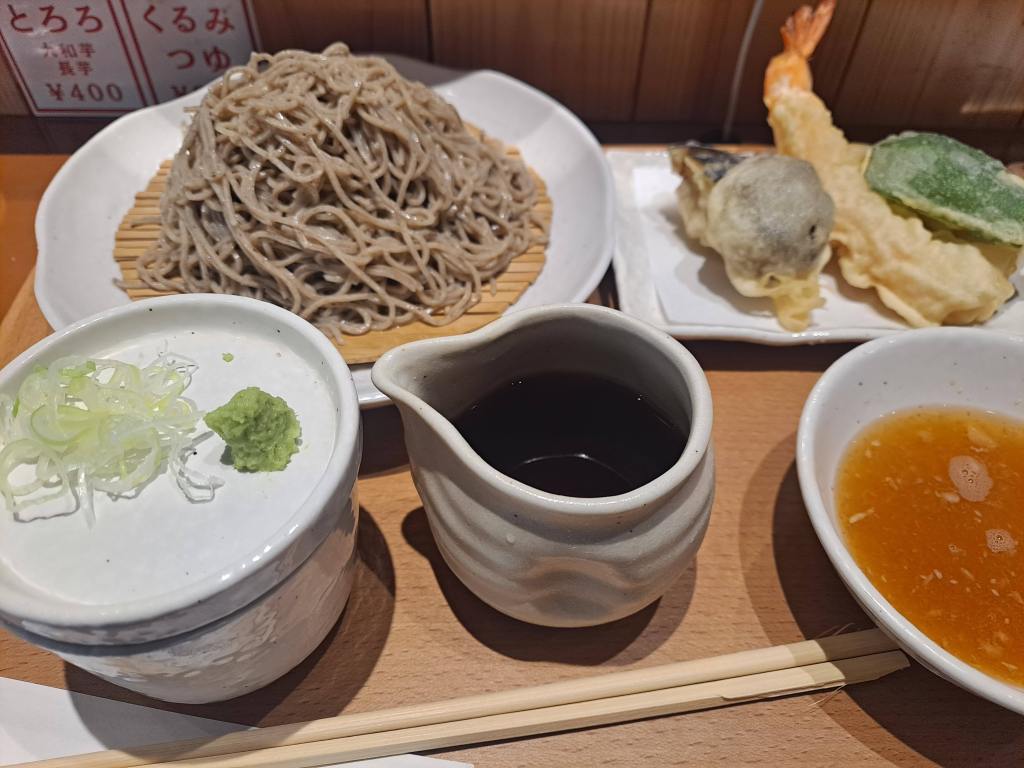
If the language or menu feels daunting, timing helps. Go slightly off-peak: after the lunch rush, before dinner service kicks in. Staff have more time, the kitchen is less chaotic, and you’re more likely to get a real answer to a real question. When I was in Nagano, going after the lunch rush meant the staff actually had time to walk me through how the soba was prepared and to answer questions I hadn’t even thought to ask. Such as how to drink the left over dipping sauce.
Think naturally safe, not dedicated safe
Dedicated gluten free or allergy-friendly restaurants exist on a spectrum, some are excellent, some charge a premium for mediocre food, and many aren’t in the budget bracket anyway. But naturally safe food exists everywhere, often cheaply.
Think meat, seafood, tofu, vegetables, rice, potatoes; Dishes built around whole ingredients rather than sauces and coatings. This is where multi-restriction travellers often have an advantage over people looking for western-style alternatives, you’re already scanning for ingredients rather than labels.
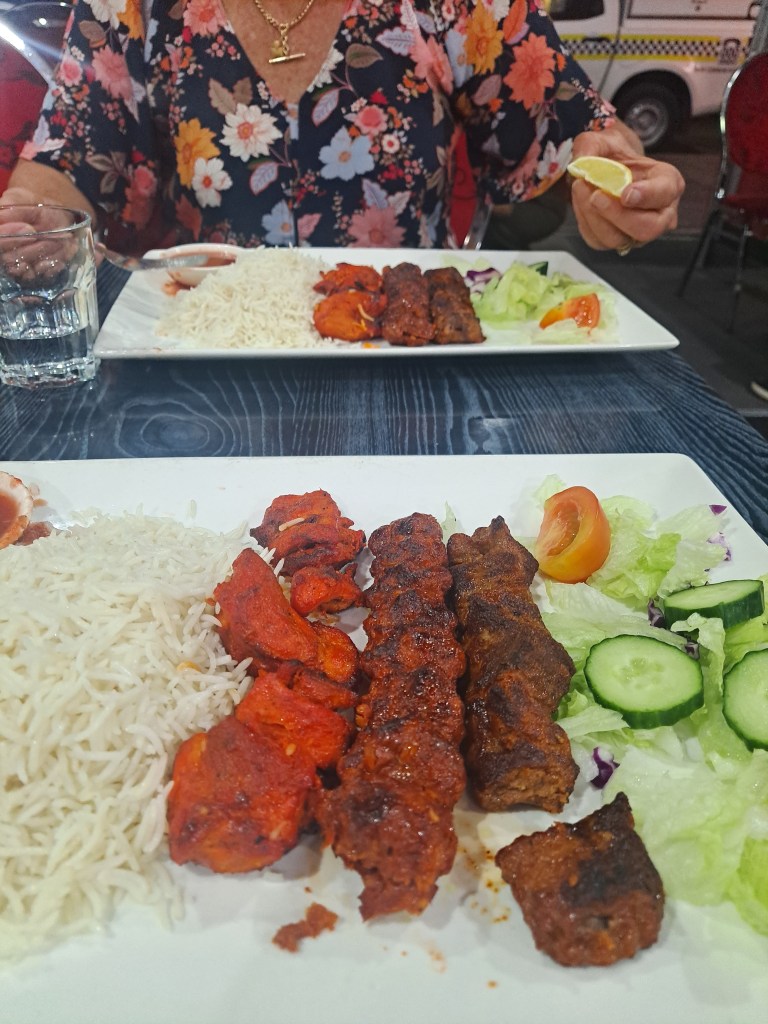
My mum and I found this worked brilliantly in Adelaide. We weren’t hunting for dedicated gluten free venues. We were eating Afghani kebabs, Greek pita, Mexican fajitas; dishes that were naturally safe for both of us, often cheaper than the “safe” spots recommended online, and genuinely great food.
Make lunch your main meal
Dinner prices at many restaurants, particularly in tourist areas can be significantly higher than the exact same food served at lunch. Where lunch specials exist, they’re worth seeking out. You eat well, spend less, and often have more flexibility because it’s quieter.
Cook some of your own meals
Even partial self-catering makes a real difference, both financially and in terms of reducing the daily mental load of navigating restrictions.
Book accommodation with at least a fridge and kettle if you can, even hotels often have this. A microwave opens up more options. Full kitchens in apartments, guesthouses, and hostels are even better.
Before you travel, look up the major local supermarkets online so you know what products and brands to look for when you arrive. I almost always do this, a quick google search usually brings up the online shop and the dietary filters helps me recognise potentially safe options ahead of time. Hint: Take some screenshots and save in a google drive (or similar) folder.
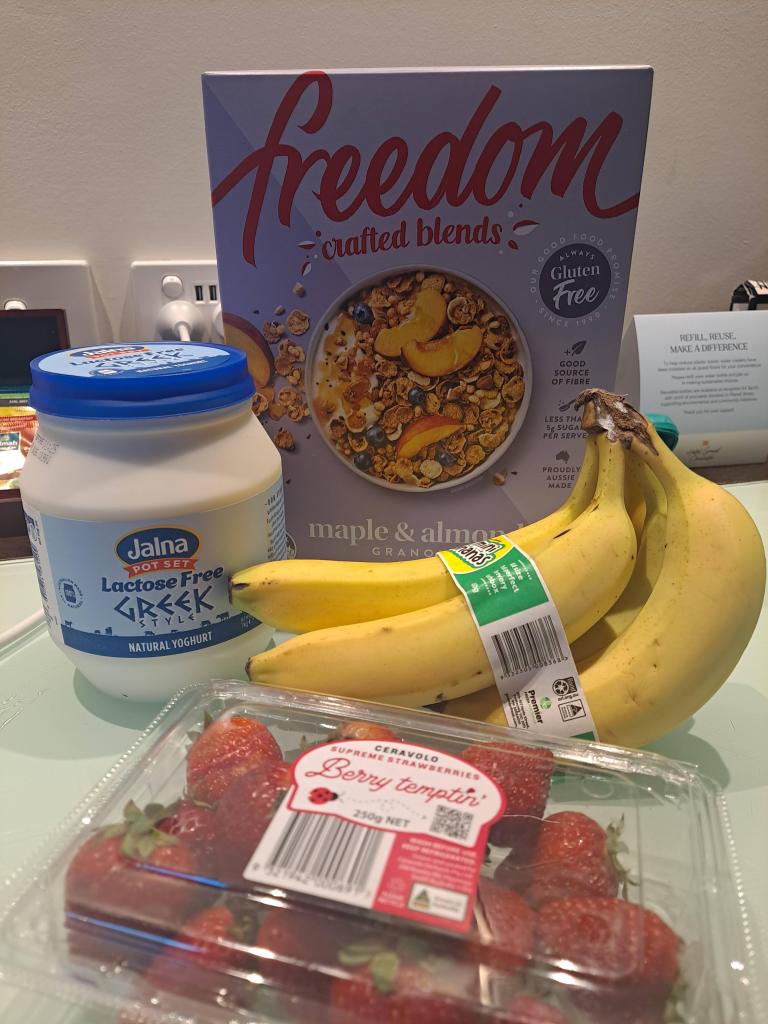
Bring a reusable water bottle, a set of utensils, a container or bowl, and a few zip-lock bags. If crumbs in shared toasters are a problem for you, toaster bags are worth packing. Having breakfast in your room, or at minimum, a snack in your bag takes pressure off finding every single meal of the day.
Keep drinking to a minimum
Alcohol in bars and restaurants is often one of the biggest budget drains when travelling. It’s also worth noting from a restriction perspective: the decisions you make after a few drinks are rarely the ones you’d make sober. Sneaky sources of cross-contamination tend to slip through more easily when you’re not reading ingredients as carefully as you normally would.
Always have a backup
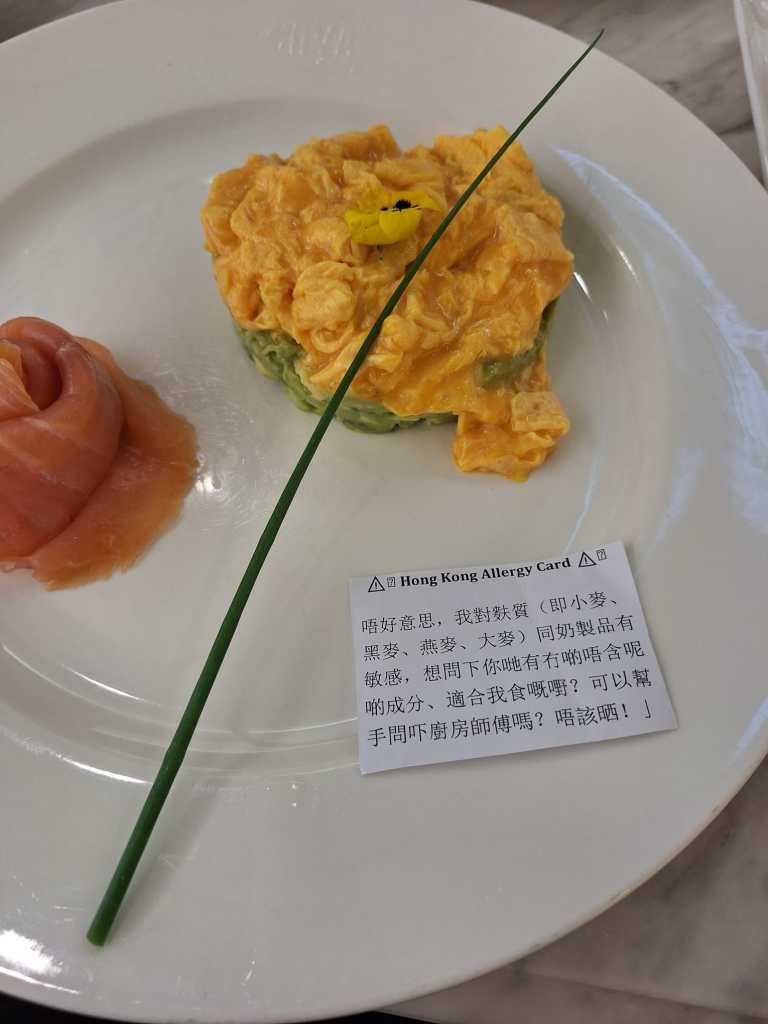
This matters more than people realise. In Japan, many local restaurants are very small, a wait is common, may be booked out, or simply can’t accommodate your combination of restrictions. In Hong Kong, some of the places that look incredible on paper are Michelin starred and often outside my budget. In Paris or Roma, that gluten free bakery you’ve been looking forward to might also be full of dairy.
Know what your backup is before you need it. A nearby convenience store, a supermarket, a dish you’ve already scoped out. Having a plan B is not being pessimistic, it’s just good travel with restrictions.
A note on upcharges
A gluten free or allergy-modified meal should carry a small upcharge when there’s a genuine cost involved, a different base, extra care in preparation. That’s fair. But a large premium just for existing as a multi-restriction traveller is not something you should feel obligated to pay, and the good news is: with the right approach, you usually don’t have to.
Take the guesswork out of communicating your restrictions
One of the most practical things you can do before any trip is have a clear, accurate card explaining your restrictions in the local language, something you can hand over at a restaurant, market, or convenience store without the pressure of trying to explain it on the fly.
If you found this post useful check out the Start Here guide (link below), all the key posts are organised by stage so that food isn’t the hardest part of your trip.
A practical guide for travellers managing multiple dietary restrictions; from gluten-free and dairy-free to allergies such as nut or egg, vegetarian, halal, kosher, and beyond.
Japan is one of the most fascinating places to travel with dietary restrictions, not because it’s “easy” in the Western sense, but because the entire system works differently. If you’ve ever wondered why a café in Tokyo will confidently tell you no, while a restaurant in the US or Europe might guess, improvise, or over-promise, this post breaks down the cultural, legal, and practical reasons behind Japan’s unique approach.
I’m coming at this as someone who has travelled Japan gluten-free and dairy-free, and the patterns I’m describing are ones I encountered repeatedly across different cities, budgets, and restaurant types. But the underlying logic applies whether you’re gluten-free, managing a nut allergy, eating halal, or juggling a combination of restrictions. The system is what it is, regardless of which specific things you can’t eat.
Gluten isn’t a category. Only wheat must be labelled. This means barley, rye, oats, and malt are not labelled, for example anything with soy sauce, miso, or seasoning blends needs a closer look.
Buckwheat appears in the mandatory list because it’s a significant allergen in Japan, not because it contains gluten. Pure buckwheat soba is naturally gluten-free, but much of the soba you will encounter is a combination of buckwheat and wheat.
Dairy often hides under umbrella terms in processed foods, sauces, and curries, particularly in convenience store products. If you’re dairy-free, “milk” will usually be labelled, but butter, cream, and casein are worth checking for explicitly.
Soy sauce almost always contains wheat, even when the dish it’s in looks naturally safe. This catches a lot of gluten-free travellers off guard.
If you have a nut allergy, the recommended list includes almonds, walnuts, cashews, macadamia, and others but these are voluntary to label, not mandatory. Check carefully, and your allergy card becomes even more important.
This is why travellers can find Japan both reassuring and confusing at the same time. The system is consistent, it’s just not aligned with how we are used to categorising food safety.
How to identify your allergens on the packaging
Japan’s Consumer Affairs Agency has published a handy guide to the Japanese Food Labelling System that I highly recommend reading. It explains how to read the nutrition and allergen information and how to read the expiry dates.
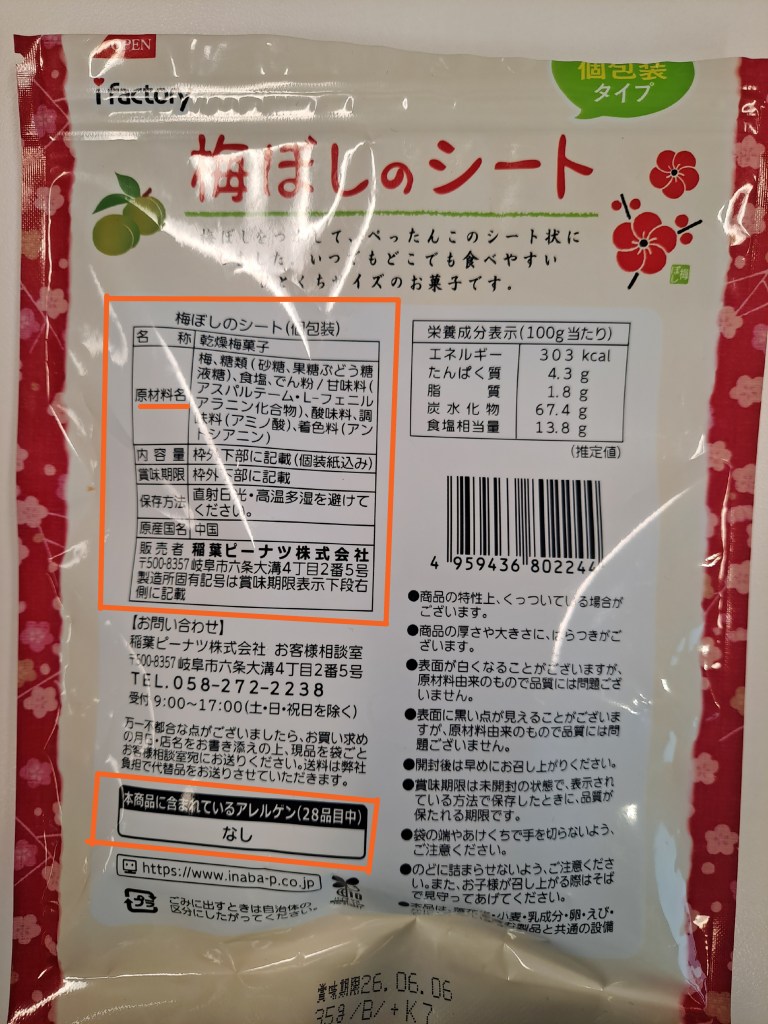
How this information translates into reality took me some time to adjust. On the left is the back of the packaging in Japan. This product has Individual Labeling the top orange box with the nutritional information, and I underlined the ingredients. It also has Collective Labeling, the second orange box containing which of the 28 allergens the product contains in a handy easy to find box.
Note the reference box is commonly listed for convenience but its not a legal requirement.
Restaurants Prioritise Accuracy Over Accommodation
One of the biggest cultural differences is this: if a Japanese restaurant isn’t confident they can serve you safely, they will say no. And that’s a good thing.
Multiple times I had staff read my allergy card, check with the kitchen, and decline politely. No guessing, no “we’ll try our best,” no improvising. If they couldn’t guarantee it, they wouldn’t risk it. This does mean you need a backup plan, a list of a few safe options nearby, rather than one restaurant on a given night, but the trade-off is worth it.
In the West, restaurants often feel pressure to accommodate even when they shouldn’t. In Japan, the priority is avoiding harm, not avoiding disappointment. For anyone managing a serious allergy or multiple restrictions, that cultural clarity removes a huge layer of stress.
Traditional Japanese Cuisine Isn’t Built Around Substitutions
In many Western countries, restaurants are used to modifying dishes: swapping sauces, removing ingredients, building a custom plate. Japan’s food culture works differently.
Dishes are built around balance, technique, and tradition.
Sauces are integral, not optional add-ons.
Kitchens are often small, with shared fryers, shared noodle water, and limited prep space.
“Gluten-free” as a concept isn’t widely used in traditional dining settings.
So instead of modifying dishes, Japanese restaurants tend to give a clear yes or no based on whether the dish as designed is safe. This is exactly why an allergy card with specific ingredients listed works so well here, it gives staff a binary decision, not a negotiation.
One practical note: using the word “allergy”, even if what you have is an intolerance, coeliac disease, or another autoimmune condition, it tends to get taken more seriously than “I can’t eat” or “I prefer not to.” If staff say no on that basis, accept it and try somewhere else. The system works because people respect it.
Japan Excels at Naturally Safe, Simple Food
Where Japan really shines for restricted travellers isn’t free-from menus or dedicated allergen-friendly restaurants it’s the sheer number of dishes that are naturally safe when you know what to look for and how to order them.
Sashimi (plain, no soy sauce or with tamari if available)
Salt-only yakitori
Plain tofu dishes
Shabu-shabu cooked in plain water
Rice bowls with clearly listed toppings
Rice flour cakes and biscuits
Juwari soba 100% buckwheat noodles, with a safe dipping sauce (check the tsuyu, as it often contains wheat-based soy sauce)
More than once I ate somewhere I’m fairly sure the staff had never heard the phrase “gluten-free”, but because I’d listed the actual grains I couldn’t eat, they understood the restriction perfectly and made me something safe from scratch, they even showed me they were using a clean board and knife without me asking.
The principle holds regardless of your restriction. If you can name the specific ingredients you need to avoid, clearly and in writing, Japan’s food culture is remarkably good at working with that.
Tip: Whatever your combination of restrictions, the Essentials Travel Pack builds you a personalised list of naturally safe dishes for Japan — including the swaps that make them work for your specific restrictions.
Convenience Stores Are Designed for Everyday Eating, Not Just Snacks
One of the biggest surprises for Western travellers is how genuinely useful convenience stores (konbini) are. In Japan, these aren’t junk food stops. They’re part of daily life, and they’re stocked accordingly. For me, the konbini was a lifeline on more than one occasion:
Onigiri with salt, salmon, or plum fillings (do check labels some fillings contain soy sauce)
Boiled eggs
Plain fruit and salads without dressing
Soy milk
Some mochi and packaged snacks (always check, but options exist)
The labelling in konbini is consistent and detailed, which makes it genuinely easier to check ingredients than in many Western supermarkets. If you have a dairy, egg nut or similar allergy rather than gluten sensitivity, the mandatory and recommended allergen lists are printed on packaging, look for the allergen summary section, usually in a bordered box near the ingredients.
This is a significant cultural difference. In the West, convenience stores are often the hardest place to eat safely. In Japan, they’re one of the most reliable.
Japan Values Process, Precision, and Predictability
This is the cultural thread that ties everything together. Japan’s approach to food safety, and allergies specifically is shaped by a broader set of values: respect for process, clarity, and avoiding risk rather than improvising around it. In practice, this means:
Staff will check ingredients thoroughly rather than guessing
They’ll decline if they’re not certain
They won’t improvise a modification they can’t guarantee
They’ll take your allergy card seriously and give you a definitive answer
For travellers with dietary restrictions, whatever those restrictions are this creates a sense of trust that’s genuinely rare. Even when the answer is no.
In Japan, No Is a Form of Care
This is the part that Western travellers often misunderstand. When a Japanese restaurant says no, they’re not rejecting you. They’re protecting you. It’s a cultural expression of responsibility, and once you understand that, the whole experience shifts.
I came home from both my trips to Japan wishing more countries worked this way. The clarity, the precision, the willingness to say we can’t do this safely rather than wing it, for someone managing multiple restrictions, it’s the opposite of what you might expect, and exactly what you actually need.
The Takeaway
Japan handles allergies differently because the entire system, from labelling laws to kitchen culture to social norms, is built around clarity, precision, and avoiding harm rather than substitution or flexibility.
For restricted-diet travellers, whatever your combination of restrictions, this means:
You’ll get clear answers
You’ll avoid guesswork
You’ll rely more on naturally safe foods than on modified dishes
Your allergy card will be your most useful tool
You’ll eat incredibly well with the right preparation
The key is arriving with the right tools: a well-written allergy card that names your specific restrictions clearly, some knowledge of naturally safe dishes, and a backup plan for evenings when the first restaurant says no.
Japan rewards prepared travellers. The good news is that preparation doesn’t require a big budget or a luxury itinerary, it just requires knowing how the system works.
Travelling with dietary restrictions is one of those things that sounds manageable until you’re actually doing it. You’ve booked the trip, you’re excited, and then somewhere between googling “gluten free restaurants in [destination]” and falling down a Reddit rabbit hole at midnight, the excitement quietly turns into dread.
If that’s where you are right now, this is the right place to start.
A quick note before we get into it: this site is built for people managing more than one restriction at once, gluten free and dairy free, halal and nut allergy, coeliac and lactose intolerant, and every other combination in between. If that’s you, you’ve probably already noticed that most travel advice out there covers one restriction and quietly ignores the rest. We don’t do that here, however the advice and tools still works for people managing one restriction.
The thing nobody tells you
Travelling with dietary restrictions isn’t harder than travelling without them. It’s just different. It requires a bit more preparation upfront, a bit more communication on the ground, and a slightly different approach to research. Once you’ve got those sorted, and they’re not complicated, the actual travelling part gets a lot easier.
The mistake most people make is trying to research everything from scratch for every trip. You don’t need to. You need a process, a handful of reliable tools, and the confidence to ask a few simple questions. That’s genuinely it.
You want to travel, you’re just not sure how to eat safely. Start here with safe travel planning.
You travel, but you’ve been burnt before, and want to level up your travel skills so you can eat safely.
You know the basics, you want less time researching, more time going further and not missing out.
You’ll find a section with guides and advice to help you achieve your travel goals.
The Complete Travel Planning Guide is a seven step process that walks you through everything, how to build a food-friendly itinerary, how to advocate for yourself in restaurants, what to pack, how to handle flights, and how to stay organised once you’re actually on the ground. It’s free, it works for any combination of restrictions, and it was built from years of travelling this way.
Once you’ve got the planning side sorted, the next thing worth having is an allergy card in the local language for wherever you’re headed. Not a vague translation, a card that names your specific restrictions, flags the hidden ingredients to watch for, and is actually usable in a restaurant when you hand it over. You can generate one for free here.
If you want to go deeper, destination-specific safety ratings, hidden risks, local food vocabulary, safe dishes to look for, and a personalised allergy card all in one place, that’s what the Essentials Travel Pack is for. It’s the tool I wish I’d had when I started travelling this way.
Once you’re ready to everything you’ve learnt into action where do you go? Where should you start with? Personally to me its about building confidence, so I recommend taking things slowly and in stages. Ask yourself these questions in order and when you can answer yes! I am, I reckon you’re ready to try the next stage:
Are you confident eating out in a local restaurant? I’m thinking the kind of place where you can do a little research find a couple of suitable options and ask some questions and safely eat out
Are you confident travelling to and eating out in a neighbouring city or town, one where you don’t know all the safe options? I recommend picking somewhere within your ocuntry but a couple of hours away, where you can do some research, ask your questions and start to put some of the learnings from the Complete Travel Planning Guide into practice. For me this was first Rotorua and then Queenstown.
Are you confident travelling to and eating out eating out in a large city overseas? I recommend picking somewhere thats a city break destination for people from your part of the world where you can find information on safe places to eat and that is large enough to have variety. Perhaps even something you can’t get at home. For me this was Melbourne, I got to have dumplings and a kebab with pita bread!
Are you confident travelling to and eating out eating out overseas for a week or so? For me this was my first trip to Japan where I went to Tokyo, Kyoto and Osaka and took day trips from these places and a great place to practice asking questions, using my allergy card and get used to ordering special meals.
Are you confident travelling to and eating out eating out overseas and sandwiching some harder locations between your safe places? This is where you really build confidence and will be looking for naturally safe options as well as all the skills you learnt in previous steps, but its also a real confidence booster, just pack a backup backpacker meal for emergencies. For me this was my last trip to Japan where I stayed in Tokyo, Matsumoto, Nagano, Akakura Onsen and Kanazawa with day trips from each place.
From here you might have no desire to go further off the beaten path and thats great. If you are good luck and have fun exploring. If you need some advice or someone to chat to about it get in contact, I love talking travel.
One more thing
The anxiety does ease. Not because the restrictions change, but because you get better at navigating them, and because knowing what to look for and what to ask makes an enormous difference to how a trip actually feels. The first trip is the hardest, after that, it starts to feel like just part of how you travel.
You’ve already done the hardest bit, which is deciding you’re not going to let it stop you. Now let’s get you somewhere worth eating.
Ready to plan your first trip? Start with our start here page, we’ve organised everything by level in one place, ready to bookmark and return to
The Americas span an extraordinary range of food cultures, from Argentina’s world-class steakhouses and coeliac legislation to Peru’s potato and quinoa-based meals, corn tortilla’s in Mexico, and New York’s dedicated gluten free bakeries. For gluten free travellers, that variety is genuinely exciting rather than daunting.
This guide covers ten destinations across North, Central, and South America; what to eat, where to go, and what to watch out for in each. Some are well-established gluten free destinations, others are less obvious but worth considering. All of them are worth the trip.
Austin’s eclectic food scene is increasingly allergy-aware. From food trucks to fine dining, the city embraces clearly labelled menus and innovative GF dishes. The local BBQ tradition also offers plenty of naturally gluten-free options.
Gluten Free dining highlights in Austin
ATX Cocina – This modern Mexican restaurant is entirely gluten free and features many vegetarian dishes
Gati Cafe – This gluten free cafe is a fantastic dessert spot for people with allergies with clear ingredients
Red Ash – An Italian restaurant with highly regarded gluten free pasta
The Well – This restaurant has a gluten free kitchen which is also free of many common allergens
Food trucks offering corn tortillas and gluten-free Mexican street food
Many restaurants familiar with coeliac disease and cross-contamination protocols
Must try Gluten Free eats:
Corn tacos – a staple; just double-check fillings and salsas for hidden gluten
Brisket (unmarinated or with GF rub) – authentic Texas BBQ
GF cornbread – often available as a side or dessert
Mexico City, Mexico
Mexico City is a bustling metropolis rich in history, art, and flavours. The city’s growing awareness of food allergies means more restaurants are offering gluten-free options, and the traditional Mexican diet includes many naturally gluten-free staples.
Gluten Free dining highlights in Mexico City
Balcón del Zócalo – The staff are able to advise what options are gluten free and they also cater to vegan diners as well
El Bajío – renowned traditional Mexican cuisine with allergy-friendly dishes
Limosneros – Adventurous takes on classic Mexican fare where staff are aware of coeliac disease and cross contamination
Nonsolo – There are lots of options at this Italian restaurant where staff are aware of cross contamination
Panadería Rosetta – bakery with GF and vegan options for breads and pastries
Markets like Mercado Roma offering fresh, naturally GF snacks
Increasing number of health-focused cafés and juice bars
Must try Gluten Free eats:
Corn tortillas – the foundation of Mexican cuisine and naturally gluten-free
Tacos al pastor – marinated pork on corn tortillas, a must-try
Chiles en nogada – poblano peppers stuffed with meat and topped with walnut sauce (confirm no flour thickeners)
Agua fresca – fresh fruit drinks, refreshing and GF
Montréal, Canada
Montréal blends French culinary tradition with a growing allergy-friendly dining scene. While gluten-free options aren’t as ubiquitous as in some US cities, a dedicated network of cafés and bakeries makes safe dining increasingly easy.
Gluten Free dining highlights in Montréal
Arepera – A gluten free restaurant serving Venezuelan food catering with options for vegans
Cookie Stéfanie – A pastry shop specialising in gluten-free desserts, with some vegan-friendly options
Boulangerie Le Marquis – a fully gluten-free bakery and café beloved by locals and visitors
Pigeon Café & Bar – A restaurant where people rate the gluten free bread, in addition to having good gluten free options
The Keg Steakhouse & Bar – Staff are very well informed about coeliac disease, the food safe but it also reviews very well
Supermarkets and health food stores carrying many GF Canadian and European products
Must try Gluten Free eats:
GF pastries at Boulangerie Le Marquis — fully gluten-free bakery beloved by locals, worth visiting for bread and baked goods alone
Arepas at Arepera — Venezuelan corn-based flatbreads, naturally gluten-free and a genuinely great eat
Maple syrup anything — Quebec’s most iconic ingredient and naturally GF, look for it in desserts and as a condiment
New York City, New York, USA
New York is a melting pot of cultures and cuisines, with an incredible variety of gluten-free dining options. From dedicated GF bakeries to fine dining with allergen-conscious kitchens, NYC is a dream destination for gluten-free travellers. The city’s size means there’s something for everyone, and safety-wise, sticking to well-known neighbourhoods ensures a smooth experience.
Gluten Free dining highlights in New York
Crepe Master – A fully gluten free creperie serving sweet and savory crepes made from rice flour
Friedman’s – Casual dining with a comprehensive GF menu and strict cross-contamination controls across multiple locations
Modern Bread & Bagel – A fully gluten free bread and bagel shop with multiple locations
Senza Gluten – This restaurant serves gluten free versions of Italian dishes
Springbone Kitchen – This restaurant serves up bowls and soups catering well to vegetarian, vegan & gluten-free diners
Numerous health food stores and supermarkets with wide GF product ranges
Must try Gluten Free eats:
NY-style gluten-free pizza – many pizzerias offer certified GF crusts with classic toppings
Bagels with GF spreads – a NYC staple, available at select GF bakeries
Cheesecake – several bakeries offer GF versions of this iconic dessert
Central America
Antigua, Guatemala
Antigua’s cobblestone streets and colonial architecture create a stunning backdrop for exploring gluten-free local cuisine. Guatemalan staples like corn tortillas and beans are naturally gluten-free, and the city has a handful of allergy-aware cafés.
Gluten Free dining highlights in Antigua
Fernando’s Kaffee – café with gluten-free bakery items and clear allergen labelling
La Bruja – This vegan restaurant has many gluten free options
Las Antorchas – This restaurant has gluten free options for pasta and pizza
Rainbow Café – health-conscious eatery offering many GF and vegan options
Local markets with fresh produce and corn-based snacks
Must try Gluten Free eats:
Pepian – a rich, traditional meat stew thickened with corn masa
Corn tortillas – essential for tacos and many local dishes
Black beans and rice – a staple meal that’s naturally gluten-free
Panama City, Panama
Panama City’s cosmopolitan dining scene is rapidly expanding its gluten-free options, with many international restaurants offering allergen-aware menus. The city’s supermarkets also stock a range of GF products, making self-catering easy for travellers.
Azahar Panamá – Mediterranean-inspired with gluten-free options clearly marked
Maito – a top-rated restaurant offering gluten-free dishes with local flair, gluten free and kosher are both noted on the menu
Mahalo Cocina y Jardin – This restaurant has vegetarian, vegan, sugar free and gluten free options
Health food stores like Super 99 with GF aisles and speciality products
Must try Gluten Free eats:
Ceviche – fresh fish marinated in citrus, a must-try tropical dish
Sancocho – traditional chicken soup, naturally gluten-free
Tamal de olla – Panamanian-style tamale, often gluten-free when made traditionally
San José, Costa Rica
Costa Rica is well known for its “Pura Vida” lifestyle and commitment to fresh, natural food — perfect for gluten-free travellers who appreciate clean eating. San José, the capital, has a small but growing gluten-free scene with allergy-aware cafés and restaurants.
Gluten Free dining highlights in San José
Be Free, Libre de Gluten – This bakery has many sweet and savory options and caters to multiple restrictions
Don Luis Panaderia-Gluten free – This restaurant caters well to both gluten and dairy free and the reviews need to be read to be believed, a local gem.
Farmers markets offering fresh fruits, veggies, and naturally GF staples like rice and beans
Must try Gluten Free eats:
Gallo pinto – traditional rice and black beans, Costa Rica’s national breakfast
Casado – a typical lunch plate with rice, beans, salad, and grilled meat or fish
Plantains – fried or baked, a naturally gluten-free local favourite
South America
Buenos Aires, Argentina
Argentina has one of the most advanced coeliac frameworks in the world. A national law requires restaurants to offer at least one gluten free option and display the TACC-free symbol (sin TACC — Trigo, Avena, Cebada, Centeno, meaning wheat, oats, barley, rye). As a result, Buenos Aires is one of the easiest cities in the world to eat gluten free safely, and the food is exceptional.
Gluten Free dining highlights in Buenos Aires:
Sintaxis — dedicated gluten free restaurant and bakery, a local institution, has multiple locations
Celigourmet — gluten free deli and café with an excellent range, has multiple locations
Gran Dabbang — modern Argentine cooking with strong allergen awareness
Most parrillas (steakhouses) — look for the sin TACC symbol, which is widely displayed
Supermarkets including Carrefour and Coto with well-stocked dedicated GF aisles
Must try gluten free eats:
Bife de chorizo — thick, juicy steak, the heart of Argentine dining and naturally gluten free
Empanadas sin TACC — widely available at dedicated GF bakeries, filled with meat, cheese, or vegetables
Fainá — chickpea flatbread, naturally gluten free and traditionally served alongside pizza
Dulce de leche — Argentina’s beloved caramel spread, most versions are naturally gluten free, check labels for biscuit versions
Travel tip: The phrase “sin TACC” is universally understood in Argentina and will immediately signal to staff that you understand the local system. It’s one of the most coeliac-friendly countries in the world, lean into it.
Lima, Peru
Lima has become one of the world’s great food cities, and its cuisine happens to be naturally well-suited to gluten free travellers. Peruvian cooking is built around potatoes — in more varieties than anywhere else on earth — corn, quinoa, and fresh seafood. Ceviche is the national dish and it’s naturally gluten free. The city’s fine dining scene, led by restaurants like Central and Maido, takes dietary needs seriously and has put Lima firmly on the global food map.
Natural Chef Gluten Free — Great little gluten free restaurant and bakery with multiple locations. Its known for its empanadas, cookies, fries and even gluten free beer
Barra Botánica – This restaurant is known for it contemporary (and classic) Peruvian food with both gluten free and vegetarian options
Seafood restaurants throughout Miraflores and Barranco specialising in ceviche and tiradito
Mercado 1 de Surquillo — fresh produce market, great for naturally GF snacks and ingredients
Must try gluten free eats:
Ceviche — fresh fish cured in lime juice with chilli and red onion, Peru’s national dish and naturally gluten free
Causa rellena — layered potato terrine served cold with avocado and tuna or chicken
Lomo saltado — stir-fried beef with tomatoes, peppers, and chips; ask for tamari instead of soy sauce
Quinoa soup or quinotto — warming, nutritious, and naturally gluten free
Anticuchos — grilled beef heart skewers, a popular street food that’s naturally gluten free when prepared simply
Travel tip: Miraflores and Barranco are the most tourist-friendly neighbourhoods for gluten free dining. Fine dining restaurants in Lima are generally very well-versed in dietary requests — book ahead and mention your needs at the time of reservation.
Santiago, Chile
Chile’s coeliac awareness is improving quickly, and Santiago’s food scene reflects that with more allergy-friendly options popping up. Modern restaurants often mark menus clearly, and traditional dishes often use naturally gluten-free ingredients.
Gluten Free dining highlights in Santiago
Verde Sazón – vegetarian and gluten-free friendly restaurant
Crumbless Gluten Free Bakery – This gluten free bakery selling sweet and savory products includes dairy free too
La Comarca Celiaca – This gluten free restaurant has many vegan options as well.
QUIMEY SUSHI FUSION & GLUTEN FREE – This restaurant caters not only to gluten free but also other dietary restrictions and has a large menu
Specialty shops and supermarkets stocking GF products
Must try Gluten Free eats:
Pastel de choclo – corn pie with meat and vegetables
Gluten-free empanadas – made with cornmeal
Quinoa bowls – nutrient-packed and naturally gluten-free
Final Tips from a Gluten Free, Dairy Free Traveller
Don’t be afraid to ask for help
Always check sauces and shared fryers, and the water pasta or noodles are cooked in
Use reviews from other gluten free or coeliac travellers, they’re gold
In Spanish-speaking countries “sin gluten” is widely understood, remember your allergy card for markets and street food
With a little prep and the right tools, you can enjoy the food without panic.
Headed to the Americas? If you want everything in one place, your dietary restrictions listed in the local language, an allergy card to show restaurant staff, key phrases for when your allergy card isn’t enough plus local foods to try and any watch outs, the Essentials Travel Pack builds it all for your exact combination. It gives you what you need in minutes, not hours.
Iceland is one of those destinations that feels almost impossibly manageable when you arrive. English is everywhere, food labelling follows EU standards, and the locals are genuinely helpful. But if you travel with a tree nut allergy, there’s one thing that can quietly catch you out: the category itself.
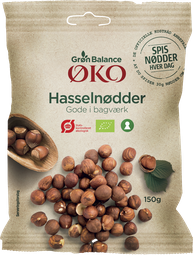
“Tree nuts” is a medical term. It’s useful shorthand, but in a busy kitchen it leaves a lot of room for interpretation. This isn’t an Iceland problem, most kitchen staff worldwide know their ingredients. But naming your specific allergens; cashews, hazelnuts, pistachios, almonds, whatever your combination, is simply clearer communication wherever you are. Concrete is always better.
Tree nuts are not all in the same plant family and include almonds, hazelnuts, walnuts, cashew nuts, pecans, Brazil nuts, pistachios and macadamia nuts. this means that many people who are allergic to tree nuts can be only allergic to one type of tree nut, but some are allergic to more. For example, it’s quite common for people with cashew nut allergy to be allergic to pistachios, and for people with walnut allergy to be allergic to pecans. Tree nut allergies are common – they are the most commonly known foods to cause anaphylaxis. According to Anaphylaxis UK about 1 in 50 children and 1 in 200 adults in the UK have a nut allergy.
If you want a free Iceland nut allergy card ready before you land, you can generate one for your specific restrictions further down, but it’s worth understanding a bit of context first. So here’s how to do that confidently in Iceland, from ordering at restaurants to reading labels at the supermarket.
Name Your Nuts (Specifically)
A chef might know their kitchen inside out but not immediately connect “tree nuts” to every nut on the shelf. When you name them individually; cashews, hazelnuts, pistachios, almonds, walnuts, you’re giving the kitchen something concrete to cross-check against.
It’s a small shift in how you communicate your allergy, and it makes a real difference in how clearly the message lands. Don’t drop the category entirely, saying “tree nut allergy” still sets important context, but follow it immediately with the specifics.
Carry a Written Allergy Card
Most Icelanders speak excellent English, but during a busy dinner service, a written allergy card is clearer and harder to mishear than a verbal explanation. It also lists your specific allergens in both English and Icelandic, so there’s no ambiguity about what you’re asking.
One extra step worth doing before you leave: save your allergy card as text in your translation app. That way, if you’re somewhere the staff speak better German or Polish than English, you can translate it on the spot rather than relying on the Icelandic alone. I had to do this in Japan recently when the kitchen staff didn’t speak Japanese or English, I brought up my allergy card text, translated it into Hindi on the fly, and handled it right there.
Knowing when to use your allergy card versus your translation app is worth thinking about before you travel, an allergy card is fantastic at conveying the seriousness of your allergies but if you need to clarify preperation methods or cross contamination its time to swap to your translation app. Allergy Cards vs. Translation Apps
Learn to Read Icelandic Labels
Icelandic supermarkets are well-stocked and labelling follows EU allergen rules (Regulation EU No 1169/2011) regarding the 14 major allergens that must be highlighted on packaging), so your allergens should be clearly marked.
The challenge is that Icelandic is a declined language, words change their endings depending on how they’re used. This means the same ingredient can look different on a packet versus a menu.
You don’t need to memorise every form. The trick is learning the root word and scanning for it. For hazelnuts, that’s heslihnet-. Spot that core, and you’ve spotted the ingredient, whatever ending is attached.
I recommend downloading your translation app and any offline language packs before you travel. Practising with it at home means you’re not figuring it out for the first time in a supermarket aisle. I find my local asian supermarket or the international foods section is perfect for this. Here’s our recommendations on the best translation apps and how to use it
For official guidance on Icelandic food labelling, the Reykjavik Public Health site has clear information.
Why Icelandic Ingredients Look Different on Labels vs. Menus
On packaging you’ll usually see the plural form, the label is listing what’s inside. On menus or allergen warnings, it might shift to a singular or dative form. It’s the same ingredient; it just looks different depending on context.
Hazelnuts is a good example: the packaging might say heslihnetur, but a menu warning could read heslihnetu or heslihnetum. The core word (heslihnet-) stays the same. That’s what to look for.
Note: The Icelandic translations in this table were machine-translated. If you spot an error, please let us know, we’d rather be corrected than have anyone rely on a mistake.
English
Icelandic (common on packaging – plural)
Also might appear as… (incl. singular/base form)
Allergy
ofnæmi
ofnæmis
Nut allergy
Hnetuofnæmi
hnetuofnæmis, ofnæmi fyrir hnetum
Nuts
hnetur
hnetum, hneta
Tree nuts
trjáhnetur
trjáhnetum, trjáhneta
Walnut
valhnetur
valhneta, valhnetu, valhnetum
Almond
möndlur
möndla, möndlu, möndlum
Cashew
kasjúhnetur
kasjúhneta, kasjúhnetu, kasjúhnetum
Hazelnut
heslihnetur
heslihneta, heslihnetu, heslihnetum
Pecan
pekahnetur
pekahneta, pekahnetu, pekahnetum
Pistachio
pistasíuhnetur
pistasíuhneta, pistasíuhnetu, pistasíuhnetum
Brazil nut
parahnetur
parahneta, parahnetu, parahnetum
Before You Go
Iceland is genuinely one of the more manageable destinations for food allergies, clear labelling, high English fluency, and a straightforward food culture. But manageable doesn’t mean effortless, especially when you’re working with a combination of restrictions.
If you want everything in one place, your specific allergens listed in Icelandic, an allergy card to show restaurant staff, key phrases for when your allergy card isn’t enough plus local foods to try and any watch outs, the Essentials Travel Pack builds it all for your exact combination.
Asia and Oceania cover some of the most exciting and diverse food destinations on the planet — and for gluten free travellers, that cuts both ways. Some destinations are remarkably easy to navigate, others require a bit more preparation. Either way, the reward is worth it.
We’ve rounded up ten locations across the region that aren’t just worth a visit, they’re worth a meal or five. From Bali’s thriving plant-based café scene to Tokyo’s rice-based staples, Melbourne’s coeliac-friendly brunch culture to the Cook Islands’ naturally gluten free traditional cuisine, this list is designed to help you travel with confidence and a full, happy belly.
Each destination covers why it works for gluten free travellers, what to safely eat, and local highlights to try, tweak, or avoid.
Whether you’re looking for a beach holiday, spiritual serenity, or surf breaks, Bali delivers and does it all with an allergy-aware food scene. Thanks to its popularity among Australian and European travellers, gluten-free options are widely available, especially in hotspots like Canggu, Ubud, and Seminyak. The island’s love for fresh produce, rice, and coconut also means naturally gluten-free dishes abound.
Gluten Free dining highlights in Bali
Alchemy – Bali’s first raw vegan café with GF options throughout in Ubud, Uluwatu and Canggu
The Shady Shack – vegetarian haven with GF clearly marked in Canggu
Ginger Moon Canteen – a modern Asian restaurant and canteen in Seminyak, known for its sharing-style, locally inspired dishes
Bali Buda – organic café and grocery with baked goods and allergen info in Canggu
Nasi campur – a mixed plate of rice with vegetables and meat (ask for gluten-free sauces)
Chicken or tofu satay – grilled skewers with peanut sauce (confirm no soy sauce)
Tempeh bowls, smoothie bowls, and vegan platters from Bali’s thriving plant-based cafés
Grilled fish with sambal matah (a fresh, spicy shallot and lemongrass relish)
Smoothie bowl with GF granola – everywhere and beautiful
Chiang Mai, Thailand
Chiang Mai blends ancient temples, lush mountains, and buzzing night markets, all with a laid-back, welcoming energy. While Thai cuisine can be tricky for gluten-free travellers due to soy sauce and oyster sauce, Chiang Mai is ahead of the curve. Thanks to its expat and wellness communities, you’ll find health cafés, gluten-free bakeries, and restaurants that truly understand allergies.
Gluten Free dining highlights in Chiang Mai
Blue Diamond Breakfast Club – Celiac-friendly and clearly marking gluten‑free menu items. Expect brunch classics like pancakes, muffins, sandwiches, and Thai‑style dishes made safe and delicious.
Happy Allergy Bakery – A fully gluten‑free bakery offering sourdough toast with avocado, poached eggs, cookies, cakes, buns, and gluten‑free burgers and fries
Free Bird Café – socially conscious café with marked GF menu
Goodsouls Kitchen – This vegan cafeteria stocks a generous gluten‑free menu
Health shops and markets with GF snacks and Thai-style superfoods
Must try Gluten Free eats:
Khao soi with rice noodles – this famous northern Thai dish is typically made with egg noodles, so ask for rice noodles and soy-free curry base
Sticky rice with mango – naturally GF and widely available
Papaya salad (som tum) – fresh, spicy, and gluten-free if made without soy sauce
Thai curries (green, red, massaman) – traditionally made without wheat, but double-check if any commercial pastes or thickeners are used
Travel tip: Chiang Mai’s conscious food scene makes it easier to avoid cross-contamination. Always ask about soy sauce (ซีอิ๊ว – see ew). A Thai-language allergy card is essential for markets or street food, especially if you’re exploring beyond the Old City.
Colombo, Sri Lanka
Colombo is a vibrant city where traditional Sri Lankan flavours meet a growing modern café culture. Thanks to its rice- and coconut-based cuisine, many dishes are naturally gluten-free, perfect for travellers who want to explore bold, fresh tastes without worry. English is widely spoken, and allergy awareness is on the rise in boutique cafés and markets.
Gluten Free dining highlights in Colombo
Culture Colombo – Authentic Sri Lankan fare served with allergy-aware staff
The Good Market – weekend market with local producers offering fresh, allergy-conscious foods and snacks
Ceylon Curry Club – Accommodating of coeliac needs and dishes up tasty versions of traditional dishes.
Upali’s by Nawaloka – traditional Sri Lankan restaurant with helpful staff and naturally gluten-free curries
Ranbath Organic – An all‑vegan gluten free gem serving traditional foods
Must try Gluten Free eats:
Hoppers (appa) – bowl-shaped pancakes made from fermented rice flour, often served with coconut sambol or curry
Pol sambol – a fiery coconut relish that’s a staple accompaniment
Kiribath – creamy coconut milk rice traditionally eaten for breakfast or celebrations
Fish ambul thiyal – a tangy, dry fish curry made without wheat-based thickeners
Dhal curry (parippu) – red lentil curry that pairs perfectly with rice
Travel tip: Carry a gluten-free allergy card in Sinhala or Tamil, but English is widely understood in Colombo’s restaurants. Many chefs are happy to adapt dishes once they know your needs.
Hong Kong, SAR China
A world-class destination for food lovers, Hong Kong delivers dazzling diversity—but gluten-free travellers should tread carefully. Cantonese cuisine often relies on soy and oyster sauces (loaded with wheat) and high cross-contamination risks, especially in traditional eateries. That said, things are changing rapidly and it is fast becoming much easier to dine Gluten Free.
Gluten Free dining highlights in Hong Kong
Dandy’s Organic Cafe – Dedicated, 100% gluten-free restaurant, but they recommend coeliacs avoid some menu items and can cater to additional health concerns, intolerances, and allergies
1908bc British Chinese – One of the few places in Hong Kong to serve truly safe gluten free Chinese food
Oolaa Star Street – This cafe in Wan Chai is able to do delicious gluten and dairy free meals
Madame Fu Chinois – Serving unique, high quality specialty Cantonese dishes, not dedicated gluten free but staff are knowledgeable
Chilli Fagara – If you’re a fan of spicy Sichuan cuisine this intimate spot is very accommodating for gluten free
Must try Gluten Free eats:
Steamed seafood or dim sum (custom GF versions) – some dim sum spots now offer GF soy or rice paper wraps
Roast meats with rice – skip the sauce, and you’re safe
Congee (rice porridge) – request no soy or gluten-containing toppings
Western fusion brunches – shakshuka, avocado toast (on GF bread), smoothie bowls
Travel tip: Always carry a gluten-free allergy card in Traditional Chinese — soy sauce and oyster sauce are everywhere. Even small substitutions (like tamari or plain rice) can keep a meal safe. Many locals speak English, but staff appreciate the effort to show a translated card for clarity.
Seoul, South Korea
While gluten is common in Korean soy sauce and battered dishes, awareness is growing, and rice-based staples give you a solid base. With smart planning and the right phrases, Seoul can be a fantastic gluten-free adventure.
Gluten Free dining highlights in Seoul
Plant Café – 100% vegan and gluten-free options clearly marked
Sunnyhouse– One of the very few fully GF restaurants in Seoul it also caters to vegana s well
High-end hotels – like the Four Seasons and Lotte often accommodate dietary needs well
Must try Gluten Free eats:
Bibimbap (without soy sauce or use GF version) – rice bowl with veg and egg
Samgyeopsal (grilled pork belly) – cook it yourself at BBQ restaurants with separate sauces
Japchae – sweet potato noodles (ask for GF sauce or dry-fried)
Bingsu (shaved ice dessert) – check toppings but base is safe
Travel tip: Learn or carry phrases like “밀가루 없어요” (milgaru eopseoyo – no wheat) and use allergy cards. Stick to spots that understand dietary needs — many international cafés do!
Tokyo, Japan
Tokyo can be tricky if you’re relying on soy sauce heavy dishes, but with the right tools (like allergy cards) and insider tips, it’s an incredible destination for gluten-free travellers. Rice-based dishes are everywhere, and a growing number of restaurants and cafés cater to dietary restrictions. If this is your first trip learn why Japan handles food allergies differently.
If you’re planning a trip? I’ve put together a full gluten free guide to Japan, labelling, safe dishes, allergy card, kombini tips & restaurants to help you travel confidently. Read the full Japan guide and if Tokyo is the starting point for a Nagano or Niigata ski trip I go deeper on that in a dedicated post.
Gluten Free dining highlights in Tokyo
Gluten Free T’s Kitchen – Restaurant serving delicious gluten free Japanese dishes, its small so you may need to book.
Tempura Asakusa SAKURA – Everything is gluten free and the flavours and atmosphere come highly recommended
2foods Vegan restaurant Ginza – This vegan restaurant has some delicious gluten free options including omurice & a couple of sweet offerings. Delicious.
Ain Soph. Ginza – This is a great place to experience a variety of Japanese vegan food. They’re known for the pancakes. In summer you do need to book.
RICEHACK GlutenfreeBakery – This riceflour based bakery also does dairy free food. Note there are no tables only a bench outside
Marbre vegan – This vegan restaurant has a number of gluten free options including delicious cakes and pastries
Convenience stores (konbini) with plain onigiri, fruit, and allergen labels
Must try Gluten Free eats:
Yakitori (salted, not sauced) – grilled chicken skewers seasoned simply with salt
Onigiri – rice balls with plain fillings like umeboshi or salmon
Mochi or daifuku – chewy rice desserts (always check fillings)
Australia
Melbourne, Australia
Melbourne isn’t just hipster cafés and laneway bars — it’s a gluten-free paradise. Australia has strong allergen labelling laws, heaps of coeliac-safe bakeries, and menus that mark GF clearly (often with dedicated fryers and prep areas).
Seedling Café – 100 % gluten-free and friendly from the first bite. This cozy spot on Flinders/Little Collins Lane bowls you over with crave-worthy waffles, creamy acai bowls, savory toasties, and vibrant smoothies and it’s celiac-safe all the way
Schmucks Bagels – Located at Guests Lane & Collins St, it is a top pick for gluten-free travelers. They offer delicious bagels and will ask if you’re coeliac, then prepare it separately and toast it with care. Reviewers rave about their fluffy GF bagels and knowledgeable staff.
Hella Good – Emporium Melbourne If you’ve been craving a proper wrap and thought being gluten free your days were behind you, think again. Hella Good lives up to its name. Tucked inside the Emporium, this Greek spot nails it with gluten free options clearly marked, clued-up staff, and a Coeliac Australia sticker on your meal for extra reassurance. I mentioned I was also dairy free, and they swapped the tzatziki for hummus without skipping a beat. Safe, delicious, and seriously satisfying.
Bodega Underground – Hidden beneath the Crossley Hotel in Chinatown, Bodega Underground delivers authentic Mexican street food, all entirely gluten-free. Think loaded tacos, churros, birria, and mezcal cocktails in a moody, cinematic basement setting. With bottomless brunches on weekends and late-night vibes, it’s the ultimate feel-good spot for celiac diners and gluten-free adventurers alike. Don’t forget to book, this place fills up fast!
Must try Gluten Free eats:
Eggs on GF sourdough – brunch is a Melbourne institution
Bao or poke bowls – often GF with tamari or custom sauces
Gluten-free beer or cider – many bars stock dedicated Aussie brands
Lamington or Tim Tam-inspired treats – GF bakeries do them justice
Travel tip: Even small cafés usually understand “coeliac” — just clarify cross-contamination if it’s essential.
New Zealand
Auckland, New Zealand
Auckland’s food scene blends Māori, Pacific, Asian and global influences with fresh, local produce and a strong gluten-free understanding. Supermarkets and eateries often stock GF goods, and dietary requests are met with kindness.
Gluten Free dining highlights in Auckland
HNT Kitchen – This dedicated gluten free cafe also caters to many other allergens. Don’t worry the line moves quickly
Ekiben – This japanese stall in the Waitematā Train Station has gluten free, dairy free meals and also caters to vegans
Wen & Yen Bakery – No listing of Auckland gluten free eats would be complete without mentioning this bakery. They also do vegan treats as well so if your GF DF you’re in luck
Pioneer Pies – On the Albany hill this bakery has a range of fresh and frozen gluten free pies that are delicious
Orewa Fish & Chips – What can be more kiwi than fish and chips on the beach, and they have a dedicated fryer
BurgerFuel – offers dairy and gluten-free buns, often a dedicated fryer and the staff are very helpful
Must try Gluten Free eats:
Meat pie — as Kiwi as it gets, and gluten free versions are out there if you know where to look. Head to Wen & Yen Bakery or Pioneer Pies on the Albany hill
Mussels or fresh snapper — New Zealand seafood is exceptional and naturally gluten free, look for it fresh at restaurants or the waterfront
Asian Fusion Cuisine – Auckland does this well and it can often be gluten free
Asian fusion cuisine — Auckland does this better than almost anywhere in the country, and it often lends itself well to gluten free eating. Ask about sauces and you’re usually sorted
Queenstown, New Zealand
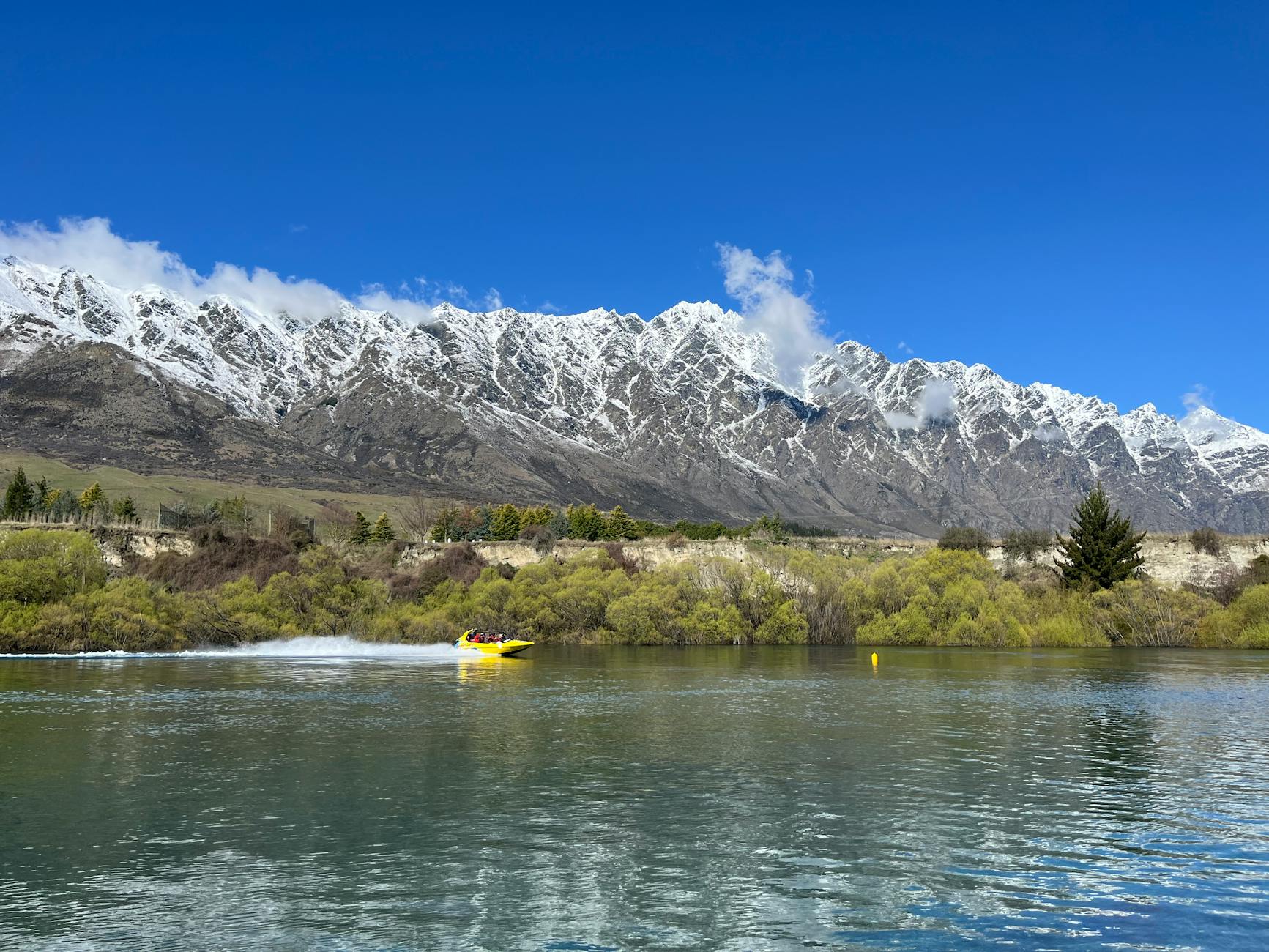
Adventure capital meets alpine charm, Queenstown is stunning in every season. Whether you’re hitting the slopes in winter, hiking Ben Lomond in summer, or wine tasting year-round, it’s a bucket list stop and has an international airport with flights from Australia. Better still? It’s gluten-free friendly.
Kinross Winery (nearby in Gibbston) – Gluten-free platters and dedicated food prep make it a great lunch stop if you’re wine tasting in the region.
Must try Gluten Free eats:
Fish and chips — a New Zealand institution and genuinely doable gluten free. We recommend Erik’s Fish and Chips who have a dedicated fryer
Blue cod — the South Island’s finest, fresh, naturally gluten free, and on menus across town
Wine tasting and lunch at one of the the Gibbston Valley wineries
Wine tasting and lunch in the Gibbston Valley — a short drive or a lovely bike ride from Queenstown, Kinross Winery does gluten free platters and the setting is hard to beat
Pacific Islands
Rarotonga, Cook Islands
With its laid-back lifestyle and short flight from NZ, Rarotonga is perfect for a weekend getaway. The island’s traditional cuisine leans gluten-free by nature grilled fish, root vegetables, coconut-based dishes — and many resorts are used to accommodating allergies.
Gluten Free dining highlights in Rarotonga
Takitumu Tapas – Visitors praise the gluten free tacos and other offerings
Saigon Shack Raro – Known for their clear understanding about food restrictions and allergies, its worth a visit
Must try Gluten Free eats:
Ika mata – raw fish marinated in coconut milk and lime (naturally GF)
Taro, breadfruit, or maniota fries – local carb swaps
Tuna poke bowls – just ask about sauces
Fresh tropical fruit – think pawpaw, mango, coconut, guava
Island travel tip: Bring your own GF snacks or wraps — stock is limited outside the resorts and central town.
Final Tips from a Gluten Free, Dairy Free Traveller
Don’t be afraid to ask for help
Always check sauces and shared fryers / water the noodles or pasta is cooked in
Use reviews from other gluten free or coeliac travellers, they’re gold
With a little prep and the right tools, you can enjoy the food without panic.
If you want everything in one place, your dietary restrictions listed in the local language, an allergy card to show restaurant staff, key phrases for when your allergy card isn’t enough plus local foods to try and any watch outs, the Essentials Travel Pack builds it all for your exact combination. It gives you what you need in minutes, not hours.
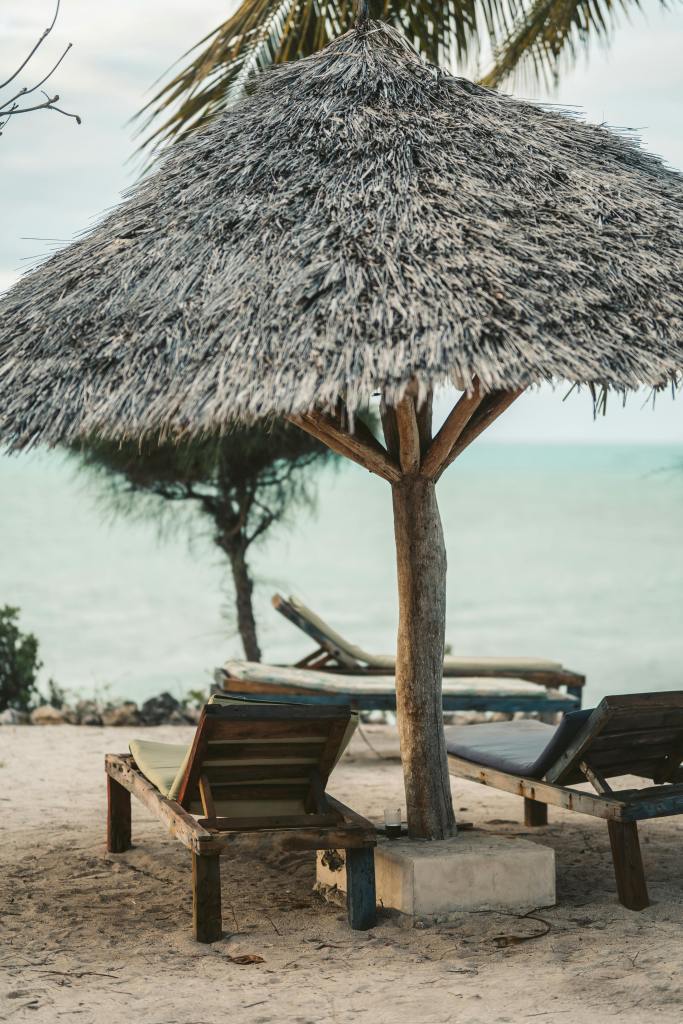
Zanzibar has a way of appearing on travel wishlists and staying there. White sand beaches, turquoise water, spice-scented air, and a Stone Town that feels like nowhere else on earth. But if you’re gluten free, the question isn’t just whether it’s beautiful, it’s whether you can actually eat there safely.
The short answer is yes, with some preparation. Zanzibar’s cuisine draws on East African, Arab, and Indian influences, and much of the traditional food is naturally free from gluten, think coconut curries, grilled seafood, rice dishes, and tropical fruit in abundance. It’s not a destination with dedicated gluten free cafes or labelled menus, but that’s not necessarily the obstacle it sounds like. The food that locals actually eat tends to work in your favour, and in tourist areas English is widely spoken, which helps enormously when you need to ask questions.
This guide covers what to eat, where to go, what to watch out for, and how to communicate your needs, so Zanzibar can be the trip it deserves to be.
Generally, yes, but it helps to understand why, and where the risks sit.
Zanzibar’s staple ingredients are rice, coconut milk, fresh seafood, cassava, and tropical fruit. None of those contain gluten, and they form the backbone of most traditional dishes. The Arab and Indian influences that shape Zanzibari cooking lean toward spiced rice dishes, grilled meats, and lentil-based soups rather than the bread and pasta-heavy traditions of European cuisines. For gluten free travellers, that’s a genuinely fortunate starting point.
That said, there are a few things worth knowing before you go. Zanzibar pizza — a popular street food sold widely at Forodhani Gardens night market and elsewhere — is made with a wheat flour dough and is not gluten free despite the name. It’s one of those things that sounds safe and isn’t. Similarly, urojo soup, a tangy and much-loved street food, can contain wheat noodles or flour-based thickeners depending on who’s making it, so it’s worth asking before you order.
Fried foods at markets and street stalls carry a cross-contamination risk from shared oil, and some marinades and seasoning blends used for grilled meats may contain wheat-based ingredients. The safest approach at street food markets is to stick to grilled seafood and meat on skewers, rice dishes, and fresh fruit. Luckily all of which Zanzibar does exceptionally well.
For coeliac travellers, it’s worth setting realistic expectations. This is not a destination with dedicated allergen protocols or certified gluten free kitchens. Staff in tourist restaurants are generally willing to help and English communication is reasonably easy in Stone Town and the main beach areas, but the level of understanding around cross-contamination varies. Carrying a gluten free allergy card in Swahili, it really is genuinely useful here rather than just a nice-to-have.
The overall picture is a destination where the traditional food is largely on your side, the communication barriers are manageable, and a little preparation goes a long way.
What to Eat: Naturally Gluten Free Dishes in Zanzibar
One of the genuine pleasures of eating in Zanzibar is how well the traditional cuisine aligns with a gluten free diet. The dishes below are either naturally gluten free or easily made so — though as always, it’s worth asking about marinades, sauces, and preparation methods, particularly at busier tourist spots.
Octopus curry with coconut rice One of Zanzibar’s signature dishes and a must-try. Octopus slow-cooked in coconut milk with spices, served over rice, rich, aromatic, and naturally gluten free. You’ll find it on menus across the island, from beachside shacks to fine dining. Ask for sauces on the side if you’re unsure about the base.
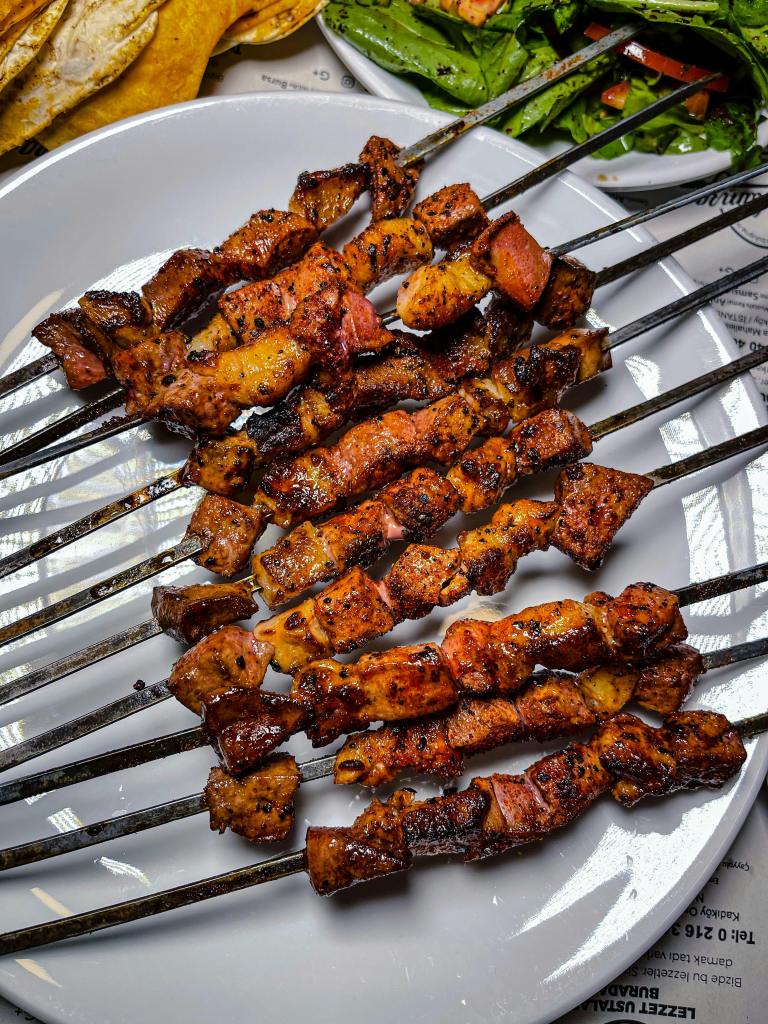
Mishkaki Grilled skewers of beef, goat, or chicken, marinated and cooked over charcoal. A popular street food and a safe choice when prepared simply the main thing to check is whether the marinade contains soy sauce or any wheat-based seasoning, which occasionally it does. At a sit-down restaurant it’s easier to ask; at a market stall, opt for plainly grilled versions if you can’t verify.
Pilau rice Fragrant spiced rice cooked with whole spices: cardamom, cinnamon, cloves and usually meat or vegetables. A staple across East Africa and naturally gluten free when made traditionally. One of the most satisfying and safe options you’ll find on the island.
Grilled fish and seafood Zanzibar’s location means the seafood is exceptional, fresh, varied, and often simply prepared. Grilled lobster, prawns, red snapper, and kingfish are all widely available. Stick to grilled over battered or fried, and check that the kitchen isn’t using a shared fryer if cross-contamination is a concern for you.
Urojo soup Zanzibar’s famous tangy street soup, made with a tamarind-based broth, potatoes, lentils, and various toppings. It’s beloved locally and worth trying, but ask about the noodles and thickeners before you order, as some versions include wheat noodles or flour-based additions. In tourist-facing restaurants it’s easier to request a modified version; at street stalls it’s harder to verify.
Cassava fries and sweet potato Widely available as sides or snacks, and naturally gluten free. A reliable option when you want something simple and filling. Check they’re not fried in shared oil if cross-contamination is a concern.
Tropical fruit Mango, jackfruit, pineapple, papaya, passionfruit — all abundant, all safe, and all exceptional in Zanzibar where much of it is grown locally. Fresh fruit from markets and street vendors is one of the simplest and most reliable gluten free options on the island.
What to Order Carefully or Avoid
Zanzibar pizza — despite the name, this is a wheat flour dough filled with savoury or sweet ingredients and cooked on a griddle. It is not gluten free and is one of the most common things gluten free travellers are caught out by. Worth knowing before you arrive at Forodhani Gardens night market hungry.
Chapati and mandazi — both popular breads made with wheat flour, widely available and best avoided.
Battered or fried foods — at markets and street stalls, batter is almost always wheat-based and shared fryers are the norm.
Seasoning cubes and pre-made spice blends — used in some kitchens and occasionally contain wheat starch. More of a concern at casual spots than at restaurants catering to international visitors.
Where to Eat: Gluten Free Friendly Restaurants in Zanzibar
Zanzibar doesn’t have a dedicated gluten free dining scene in the way that some European cities do, but there are some genuinely excellent options, particularly in Stone Town and along the east and south coasts. The restaurants below come up consistently in reviews from gluten free and allergy-conscious travellers.
A note before you dive in: booking ahead is strongly recommended for The Rock and Emerson on Hurumzi in particular. Both are popular with international visitors and fill up quickly, especially in peak season. It’s also worth mentioning your dietary needs at the time of booking rather than on arrival, both restaurants are known for being accommodating when given advance notice.
Stone Town
Beach House Zanzibar – The menu features a number of gluten free choices clearly labelled and staffare trained to handle allergies and cross contamination.
The Secret Garden – Many of the traditional East African and Swahili-spiced dishes are naturally gluten-free, the menu is clearly labelled and the staff trained to handle cross-contamination and make modifications when you let them know.
Lukmaan Restaurant – This highly regarded local restaurant has a wide selection of local specialties and fresh seafood as well as a number of gluten free option
Firefly Zanzibar – This buffet restaurant features staff who understand gluten free and the food is naturally safe.
Forodhani Gardens Night Market – This is Zanzibar’s most famous street food experience and it’s worth visiting, but with a clear strategy. Head for the grilled seafood stalls: lobster, prawns, octopus, and fish cooked fresh over charcoal and served with rice or on their own. These are your safe options and go early for the best selection and to give yourself time to ask questions before it gets busy.
Beach Areas
Mahali Zanzibar– A highlight here is the delisiocu gluten free poke bowls and desserts listed on the menu
Mr. Kahawa Café & Restaurant – Gluten free items on the menu are clearly marked but do confirm and ask about cross contamination
Rooftop Restaurant Paje – Gluten free items are clearly marked but do confirm and ask about cross contamination
The Rock Restaurant – Possibly Zanzibar’s most photographed restaurant, built on a rock in the Indian Ocean and accessible by foot at low tide or by boat at high tide. The menu focuses on fresh local seafood; grilled lobster, octopus, and fish, with rice and salad sides that are largely naturally gluten free. Ask for sauces on the side and confirm preparation methods with staff, one to book in advance.
Eco-lodges and Boutique Hotels
Worth mentioning separately because they’re often the best dining option outside the main tourist areas. Many smaller lodges and boutique hotels prepare meals fresh and to order, and staff are generally willing to adapt dishes once they understand your needs. Communicating your restrictions at the time of booking, ideally in writing, gives the kitchen time to prepare and means you’re not navigating it for the first time when you’re hungry after a long journey.
If you’re managing multiple restrictions, Tulia Zanzibar, Breezes Beach Club & Spa, Fumba Beach Lodge, Z-LODGE Zanzibar review really well with visitors and are worth a look. Like any destination, we recommend booking with free cancellation in case your dietary needs cannot be accommodated
Communicating Your Dietary Needs in Zanzibar: Key Swahili Phrases
English is widely spoken in Stone Town and the main tourist areas of Zanzibar, so communication is generally easier here than in many other destinations covered on this site. That said, having a few key phrases in Swahili, and ideally a printed allergy card really does make a difference in smaller restaurants, at market stalls, and anywhere outside the main tourist trail. It also tends to be appreciated, and staff who feel respected are more likely to take your needs seriously.
The phrases below are a starting point. For a fully personalised allergy card in Swahili, tailored to your specific restrictions and destination, you can use our free allergy card creator, no membership required.
Key phrases
English
Swahili
Approximate pronunciation
I cannot eat gluten / wheat
Siwezi kula gluteni / ngano
See-WEH-zee KOO-lah gloo-TEH-nee / nn-GAH-no
I have a gluten intolerance
Nina uvumilivu wa gluteni
NEE-nah oo-voo-mee-LEE-voo wah gloo-TEH-nee
Does this contain wheat or flour?
Je, hii ina ngano au unga?
Jeh, HEE ee-nah nn-GAH-no ow OON-gah?
Is this prepared separately?
Je, hii imetayarishwa tofauti?
Jeh, HEE ee-meh-tah-yah-REESH-wah toh-FAH-oo-tee?
No bread please
Bila mkate tafadhali
BEE-lah mm-KAH-teh tah-fah-DHAH-lee
Can I speak to the chef?
Naweza kuzungumza na mpishi?
Nah-WEH-zah koo-zoon-GOOM-zah nah mm-PEE-shee?
This is very important for my health
Hii ni muhimu sana kwa afya yangu
HEE nee moo-HEE-moo SAH-nah kwah AHF-yah YAHN-goo
A note on allergy cards in Zanzibar
A printed allergy card in Swahili is genuinely useful here, more so than in some destinations where English is the dominant language in restaurants. At market stalls and smaller local spots where English is limited, being able to hand over a card removes the guesswork on both sides and shows you’ve taken your needs seriously enough to prepare.
Our translation apps guide also covers our favourite apps and how to use them effectively in a restaurant setting, worth a read before you go.
Practical Tips for Gluten Free Travel in Zanzibar
Book ahead and communicate early The Rock and Emerson on Hurumzi both fill up quickly, particularly in high season between June and October and over the Christmas and New Year period. Book as far in advance as you can, and mention your dietary needs at the time of booking rather than on arrival. A quick email explaining your restrictions gives the kitchen time to prepare and means you’re not having the conversation for the first time when you’re hungry and tired.
Tell your accommodation on arrival If you’re staying somewhere with in-house dining, and many of Zanzibar’s boutique hotels and eco-lodges serve meals, do let staff know your restrictions when you check in. Most kitchens cook fresh and to order, and with a little notice they can usually accommodate you well. This is often the most reliable dining option outside Stone Town, particularly if you’re staying somewhere remote.
Pack safe snacks Outside Stone Town and the main beach resort areas, safe food options become thinner. If you’re exploring the north of the island, visiting spice farms, or spending a day on a dhow cruise, having a supply of reliable snacks means you’re never stuck. Check border restrictions before you travel if you’re bringing food from home, and don’t forget Tanzania has customs rules worth reviewing in advance.
Stick to grilled over fried at markets Forodhani Gardens and other market settings are wonderful but require a clear strategy. Grilled seafood and meat skewers are your friends. Anything battered, fried, or wrapped in dough is best avoided unless you can verify ingredients and preparation, which after all in a busy market setting is often difficult.
Shared oil at street stalls Cross-contamination from shared frying oil is a real consideration at market stalls and casual street food spots. If cross-contamination is a concern for you, stick to grilled options and dishes that are clearly prepared separately.
Carry your allergy card Even with good English widely spoken in tourist areas, a printed Swahili allergy card is worth having for smaller restaurants, market stalls, and anywhere off the main tourist trail. It removes ambiguity and tends to prompt a more careful response from kitchen staff.
Zanzibar pizza is not what it sounds like Worth repeating: this is one of the most common traps for gluten free travellers visiting Zanzibar for the first time. It’s a wheat flour dough dish, widely sold and very popular. Give it a miss.
Halal, Alcohol and Ramadan in Zanzibar
Zanzibar is a Muslim-majority island, so if your trip falls during Ramadan, local restaurants and markets shift to evening hours around iftar rather than operating through the day. Tourist restaurants stay open, but daytime options outside those are limited. The evening food scene during Ramadan is excellent, so lean into it rather than fighting it. Eating and drinking visibly in public spaces during daylight hours is considered disrespectful, so worth being aware of.
You’ll also find alcohol is available at hotels, resorts, and tourist-facing restaurants but absent from local spots and markets. Some smaller lodges are alcohol-free by choice — worth checking when you book if it matters to you.
If you’re also managing halal or pork allergies alongside your GF restrictions, Zanzibar’s traditional cuisine handles both without much adaptation needed. Pork and its derivatives simply aren’t part of the equation here, which removes a layer of cross-contamination risk you’d spend energy navigating in many other destinations.
Dairy Free, Vegetarian and Multiple Restrictions in Zanzibar
Gluten Free and Dairy Free: The traditional cuisine is built on coconut milk rather than dairy, so GF and DF together is actually one of the easier combinations here. Octopus curry, pilau rice, grilled seafood, cassava, and most fruit-based dishes are naturally free from both. The additional watch-outs are whether anything comes with a butter or ghee accompaniment. At resorts and tourist restaurants dairy appears more frequently in the form of imported products, so it’s worth asking if anything has been added that wouldn’t traditionally be there.
Gluten Free and Vegetarian: Zanzibar is meat and seafood-forward, so vegetarians wanting variety will find it limited outside tourist areas. What does exist is largely naturally GF though, rice dishes, lentil soups, cassava, tropical fruit, coconut vegetable curries, and eggs at breakfast. At smaller local spots, ask what can be made without meat rather than looking for a vegetarian menu section. Most kitchens can adapt a rice and vegetable dish if you ask.
GF, DF and Vegetarian: Harder, but manageable with realistic expectations. The coconut base helps with DF and rice gives you a reliable GF foundation, but without meat, seafood, or dairy your protein options are eggs, lentils, and beans. Zanzibar isn’t the destination where all three restrictions open up the menu, so pack backup snacks, brief your accommodation early, and lean on tourist-facing restaurants when you need something more substantial.
Extending Your Trip: Safaris and Dietary Needs on the Mainland
Many people pair Zanzibar with a safari on the Tanzanian mainland, the Serengeti, Ngorongoro Crater, or Tarangire are the most common additions, often as a few days before or after the island. It’s a brilliant combination. It’s also where managing dietary restrictions gets significantly more complicated, and where advance planning genuinely matters.
Bush Camps and Safari Lodge Kitchens
Safari camps range from full-service luxury lodges with professional chefs to more basic tented camps where kitchen facilities are limited and resupply happens once every few days. At the upper end, dietary requirements are handled well, most reputable lodges are used to accommodating international guests with various needs, and a heads-up at the time of booking is usually enough for them to prepare. At the more basic end, the kitchen may be working with limited ingredients and limited ability to substitute.
The key rule across all camps: communicate your restrictions before you arrive, in writing, and be specific. Don’t say “gluten free” and assume they know what that means in practice. Say gluten free means no wheat, barley, rye, or flour. No bread, no pasta, no sauces thickened with flour, no soy sauce. If you’re also dairy free or have other dietary needs, say that too. If you have a coeliac diagnosis or a serious allergy rather than a preference, say so clearly, the distinction tends to prompt a more careful response.
Most lodges and camps are genuinely willing to accommodate you when given enough notice. The ones that aren’t tend to make that clear quickly, which is useful information before you’ve committed.
Food in Transit
The journey between Zanzibar and the mainland safari areas typically involves a domestic flight, and the food options at smaller Tanzanian airports and airstrips are very limited. Don’t rely on finding safe food en route, pack snacks that will carry you through any delays or transit time. This is especially worth thinking through if you’re combining multiple restrictions, where “just grab something at the airport” is rarely a realistic option.
Briefing Your Safari Operator
If you’re booking through a tour operator rather than directly with a lodge, brief them when you book rather than when you check in. A good operator will pass your requirements to every property on your itinerary. A less organised one may not, which is why following up directly with each property is worth doing regardless. A short email a week before arrival, confirming your restrictions and asking what they’ll be able to provide, is a simple step that removes a lot of uncertainty.
One Last Thing Before You Go
Zanzibar is one of those destinations that rewards preparation. Not because it’s particularly difficult for gluten free travellers, it isn’t. A little groundwork means you spend your time eating well and enjoying one of the most beautiful islands in the world, rather than navigating uncertainty on an empty stomach.
Book ahead, carry your allergy card, stick to grilled seafood and rice dishes when you’re unsure, and give Forodhani Gardens the respect it deserves by going straight for the charcoal-grilled prawns and leaving the Zanzibar pizza well alone.
The food that Zanzibar does best — fresh octopus curry, mishkaki off the grill, pilau rice fragrant with whole spices, tropical fruit that actually tastes of something — is largely naturally gluten free. That’s not a compromise. That’s just good eating.
Travel safe, eat well, and if you find a restaurant that deserves to be on this list, let us know, we’d love to hear about it.
If you want everything in one place, your dietary restrictions listed in the local language, an allergy card to show restaurant staff, key phrases for when your allergy card isn’t enough plus local foods to try and any watch outs, the Essentials Travel Pack builds it all for your exact combination. It gives you what you need in minutes, not hours.
FAQ
Is Zanzibar safe for coeliacs?
Zanzibar can be navigated safely with coeliac disease, but it requires more preparation than destinations with established gluten free dining scenes. There are no certified gluten free kitchens and allergen protocols vary widely. The traditional cuisine is largely naturally gluten free, which works in your favour, but cross-contamination at shared kitchens and market stalls is a real consideration. Stick to restaurants with international experience, communicate your needs clearly and in advance, carry a Swahili allergy card, and pack backup snacks. With that preparation in place, most coeliac travellers find Zanzibar very manageable.
What is Zanzibar pizza and is it gluten free?
No. Despite the name, Zanzibar pizza is a street food made with wheat flour dough, filled with meat, vegetables, egg, or sweet fillings and cooked on a griddle. It is one of the island’s most popular street foods and is sold widely at Forodhani Gardens night market and elsewhere. It is not suitable for gluten free or coeliac travellers.
Can I eat street food in Zanzibar with a gluten intolerance?
Yes, selectively. Grilled mishkaki skewers, fresh tropical fruit, sugarcane juice, and plain rice dishes are all reliable street food options. Avoid anything battered or fried, and be cautious with urojo soup and Zanzibar pizza. At busier stalls where communication is difficult, grilled and fresh options are always the safer choice.
Is urojo soup gluten free?
Not always. Urojo is a tangy tamarind-based soup that’s one of Zanzibar’s most beloved street foods, but some versions contain wheat noodles or flour-based thickeners. At a sit-down restaurant it’s worth asking about preparation, some places will adapt it on request. At a street stall it’s harder to verify, so exercise caution if gluten is a serious concern for you.
What should I tell my hotel about my dietary needs?
Keep it simple and specific. Say you are gluten free and cannot eat wheat, barley, rye, or anything containing flour. If you’re also dairy free, mention that too. If you have coeliac disease rather than an intolerance, it’s worth saying so, the word “allergy” or explaining it’s a medical condition tends to prompt a more careful response than “I prefer not to eat gluten.” Mentioning it by email before arrival gives the kitchen the best chance to prepare properly.
Do I need to speak Swahili to eat safely in Zanzibar?
Not in Stone Town or the main tourist restaurant areas, where English is widely spoken. But a few key phrases or a printed Swahili allergy card will help you considerably at market stalls, smaller local restaurants, and anywhere outside the main tourist trail. It also tends to be appreciated and can prompt staff to take your needs more seriously.
Is Zanzibar suitable to visit during Ramadan?
Yes, with some adjustment. Daytime food options at local restaurants and market stalls are more limited during Ramadan, as many operate reduced hours or close until iftar (sunset). Tourist-facing restaurants in Stone Town and beach areas generally remain open during the day. The evening food culture during Ramadan is excellent, markets and restaurants come alive after sunset with generous portions and great food. If your trip falls during Ramadan, lean into the evening dining rather than trying to replicate a normal daytime routine. Check current Ramadan dates before you book as they shift each year.
Can I manage gluten free and dairy free together in Zanzibar?
Yes, this is actually one of the more manageable combinations in Zanzibar. The traditional cuisine uses coconut milk as its base rather than dairy, so many of the best dishes on the island are naturally free from both. Octopus curry, pilau rice, grilled seafood, and most fruit-based dishes all work for GF and DF together. The main watch-outs are the same as for any GF traveller, with an added check for butter or ghee at tourist restaurants where dairy appears more frequently.
How do I manage dietary restrictions on a safari extension?
Communicate in writing before you arrive, and be specific about what your restrictions mean in practice. Most reputable safari lodges are experienced with international dietary requirements and will accommodate you well with advance notice. More basic camps have limited flexibility, so it’s worth researching the facilities at your specific lodges before booking. Pack reliable snacks for travel days and any transit through smaller airports or airstrips where safe food options are scarce.
Travelling Europe gluten-free can feel like a minefield if you’re not confident reading food labels. Let alone adding dairy into it as well. But don’t stress, with a few key words, spotting gluten and dairy becomes much easier. Here’s a breakdown of how to decode ingredient lists in French, Spanish, Italian, German, Dutch, Greek, Polish, Portuguese and Turkish plus the labelling laws that help you stay safe.
With a little prep and the right tools, you can enjoy the food without panic.
Headed to Europe? If you want everything in one place, your dietary restrictions listed in the local language, an allergy card to show restaurant staff, key phrases for when your allergy card isn’t enough plus local foods to try and any watch outs, the Essentials Travel Pack builds it all for your exact combination. It gives you what you need in minutes, not hours.
Clearly label the 14 major allergens, including gluten-containing cereals
Highlight allergens in the ingredients list (bold, all caps, or underline)
List sub-ingredients if a compound ingredient (like “sausages”) contains an allergen
Use the local language(s) of the country where it’s sold
This means wheat, barley, rye, oats, and spelt must be clearly mentioned and highlighted, no matter the language.
Gluten Ingredients in European Languages
If you’re new to reading European labels, gluten is trickier than it looks. It’s not always listed as “gluten”, instead you’re scanning for the grains it comes from, and the words that signal it’s been processed or added.
What to watch for
Gluten hides in places you wouldn’t expect in European cooking: in stocks and sauces thickened with flour, in cured meats with breadcrumb fillers, in soups, marinades, and seasoning mixes. The most common culprits are wheat flour, barley malt, and soy sauce. Often buried mid-ingredients list under names that don’t immediately read as “gluten” in any language.
Dutch: Reading Gluten on Labels
Common gluten ingredients to watch for:
Tarwe = wheat
Gerst = barley
Rogge = rye
Haver = oats
Spelt = spelt
Bloem = flour
Gluten = gluten
Mout = malt
Label tip: Dutch products will say “bevat gluten” (contains gluten) or “glutenvrij” (gluten-free). Allergen ingredients are usually bolded.
French: Reading Gluten on Labels
Common gluten ingredients to watch for:
Blé = wheat
Orge = barley
Seigle = rye
Avoine = oats
Épeautre = spelt
Farine = flour
Semoule = semolina
Gluten de blé = wheat gluten
Malt d’orge = barley malt
Label tip: Allergens like blé will often be bold or UNDERLINED. If you see “contient du gluten,” avoid.
German: Reading Gluten on Labels
Common gluten ingredients to watch for:
Weizen = wheat
Gerste = barley
Roggen = rye
Hafer = oats
Dinkel = spelt
Mehl = flour
Weizengluten = wheat gluten
Gerstenmalz = barley malt
Label tip: Look for “enthält Gluten” (contains gluten) or “glutenfrei” (gluten-free). Gluten ingredients are typically in bold.
Greek: Reading Gluten on Labels
Common gluten ingredients to watch for:
Σιτάρι / Σίτος (sitári / sítos) = wheat
Κριθάρι (krithári) = barley
Σίκαλη (síkali) = rye
Βρώμη (vrómi) = oats
Ζέα / Όλυρα (zéa / ólyra) = spelt
Αλεύρι (aléfri) = flour
Γλουτένη (glouténi) = gluten
Βύνη (víni) = malt
Label tip: Greek packaging uses the Greek alphabet, so it looks different at a glance. Look for “περιέχει γλουτένη” (contains gluten) or “χωρίς γλουτένη” (gluten-free). When in doubt, use a translation app to scan the label — this is one language where it earns its place.
Related guide: Headed to Greece? Check out our Travel Phrase Guide to generate personalised phrases for your trip.
Italian: Reading Gluten on Labels
Common gluten ingredients to watch for:
Grano = wheat
Orzo = barley
Segale = rye
Avena = oats
Farro = spelt
Farina = flour
Glutine = gluten
Malto = malt
Label tip: Italy is very celiac-aware. Look for “senza glutine” for safe products, and beware of “contiene glutine”.
Spanish: Reading Gluten on Labels
Common gluten ingredients to watch for:
Trigo = wheat
Cebada = barley
Centeno = rye
Avena = oats
Espelta = spelt
Harina = flour
Gluten de trigo = wheat gluten
Malta = malt
Label tip: Look for phrases like “contiene gluten” (contains gluten) or “sin gluten” (gluten-free). Allergen info is usually bolded or listed separately.
Label tip: Look for “zawiera gluten” (contains gluten) or “bez glutenu” (gluten-free). As an EU member, Poland follows the same allergen labelling rules — gluten-containing grains will be bolded or highlighted. Polish packaging can be dense with text, so scan for the bolded words rather than reading every line.
Portuguese: Reading Gluten on Labels
Common gluten ingredients to watch for:
Trigo = wheat
Cevada = barley
Centeio = rye
Aveia = oats
Espelta = spelt
Farinha = flour
Glúten = gluten
Malte = malt
Label tip: Look for “contém glúten” (contains gluten) or “sem glúten” (gluten-free). EU rules apply, so allergens will be bolded or highlighted in the ingredients list. Portugal and Brazil share the language but labelling laws differ — this guide covers Portugal and EU-sold products.
Turkish: Reading Gluten on Labels
Common gluten ingredients to watch for:
Buğday = wheat
Arpa = barley
Çavdar = rye
Yulaf = oats
Kılıçbuğday / Kavılca = spelt
Un = flour
Glüten = gluten
Malt = malt
Label tip: Turkey is not an EU member so labelling rules differ slightly, though in practice most major food manufacturers follow similar standards. Look for “glüten içerir” (contains gluten) or “glutensiz” (gluten-free). Turkish cuisine uses a lot of wheat-based ingredients — bulgur, börek, simit — so knowing these words is particularly useful when shopping.
Summary Table — Gluten (Save or screenshot)
Ingredient
French
Spanish
Italian
German
Dutch
Portuguese
Polish
Greek
Turkish
Wheat
Blé
Trigo
Grano
Weizen
Tarwe
Trigo
Pszenica
Σιτάρι
Buğday
Barley
Orge
Cebada
Orzo
Gerste
Gerst
Cevada
Jęczmień
Κριθάρι
Arpa
Rye
Seigle
Centeno
Segale
Roggen
Rogge
Centeio
Żyto
Σίκαλη
Çavdar
Oats
Avoine
Avena
Avena
Hafer
Haver
Aveia
Owies
Βρώμη
Yulaf
Spelt
Épeautre
Espelta
Farro
Dinkel
Spelt
Espelta
Orkisz
Ζέα
Kılıçbuğday
Flour
Farine
Harina
Farina
Mehl
Bloem
Farinha
Mąka
Αλεύρι
Un
Gluten
Gluten de blé
Gluten de trigo
Glutine
Weizengluten
Gluten
Glúten
Gluten
Γλουτένη
Glüten
Malt
Malt d’orge
Malta
Malto
Gerstenmalz
Mout
Malte
Słód
Βύνη
Malt
Contains Gluten
Contient du gluten
Contiene gluten
Contiene glutine
Enthält Gluten
Bevat gluten
Contém glúten
Zawiera gluten
Περιέχει γλουτένη
Glüten içerir
Gluten-Free
Sans gluten
Sin gluten
Senza glutine
Glutenfrei
Glutenvrij
Sem glúten
Bez glutenu
Χωρίς γλουτένη
Glutensiz
Dairy Ingredients in European Languages
If you’re gluten and dairy free — like a lot of us — the gluten words are only half the story. Here are the key dairy terms to watch for across the same nine languages, plus the phrases to look for on labels.
What to watch for
Dairy hides in many European dishes and packaged foods: in sauces, pastry, cured meats, soups, and baked goods. The most common culprits are butter, cream, and milk powder — often listed as ingredients you wouldn’t immediately recognise in another language.
Label tip: Look for “contient du lait” (contains milk) or “sans lactose” (lactose-free, not the same as dairy-free). “Sans produits laitiers” means dairy-free.
Label tip: “Περιέχει γάλα” = contains milk. As with gluten, use a translation app to scan Greek labels if you’re unsure.
Dairy in Italian
Latte = milk
Burro = butter
Panna / Crema = cream
Formaggio = cheese
Lattosio = lactose
Siero di latte = whey
Caseina = casein
Latte in polvere = milk powder
Label tip: “Contiene latte” = contains milk. Italy is very cheese-forward — parmesan (Parmigiano) and pecorino appear in many dishes that don’t look dairy-heavy on the menu. Always ask.
Stick to naturally gluten-free items with minimal ingredients
If unsure use a translation app to translate the ingredients (It can scan the packaging, check out our video) or use our meal suitability tool where it can scan the packaging and make a recommendation
FAQ
How do I read gluten labels in European countries?
In Europe, allergens including gluten, must be clearly listed and highlighted on packaging, usually in bold or uppercase letters. Learning the key words for wheat, barley, rye, oats, and spelt in local languages helps you identify gluten in ingredient lists.
Do these rules apply if I’m buying food at a market or restaurant?
The EU rules only cover packaged foods, restaurants have separate (and weaker) obligations. When in doubt ask questions. Our Essentials Travel Pack can help you with what to ask and when or if in doubt use a translation app.
What does ‘gluten-free’ mean on European food packaging?
In the EU, “gluten-free” means the product contains less than 20 parts per million (ppm) of gluten. Labels will say “sans gluten” (French), “sin gluten” (Spanish), “senza glutine” (Italian), “glutenfrei” (German), or “glutenvrij” (Dutch).
What words should I look for to spot gluten in other languages?
Scan for the grain names first (e.g. wheat, barley, rye, oats), then look for processed forms like malt and flour. When in doubt use a translation app
What’s the difference between lactose-free and dairy-free on European labels?
Lactose is a component of dairy so a product may contain dairy but be lactose free. For example often parmesan cheese is lactose free but it contains dairy.
Does gluten-free mean the same thing across all EU countries?
The short answer is yes for packaged food (the 20ppm rule applies everywhere), but restaurants are a different story and awareness varies enormously between say Italy and Poland, so make sure you ask questions. Our Essentials Travel Pack can help you with what to ask and when or if in doubt use a translation app.
What if the label is only in a language I can’t read at all?
This is where a translation app earns its place. Most will let you point your camera at a label and translate it in real time, even without an internet connection if you’ve downloaded the language pack in advance. For restaurants and ordering, an allergy card in the local language is often more reliable than a translation app in a busy or fast-paced situation. We’ve covered exactly when to use them, and how to use them together in our guide to allergy cards vs translation apps.
Queenstown is one of the easier places in New Zealand to eat gluten free, partly because of the strict gluten-free labelling laws and partly because the restaurant scene here is adventurous and allergy-aware. As a favourite snowboarding destination I’m a regular visitor. Honestly, being dairy-free makes things trickier, and the ski resorts require a bit of preparation. This guide covers everywhere from central Queenstown restaurants to Arrowtown, the Gibbston Valley wineries, and what to eat on the mountain or the trail.
Whether you’re visiting for snowboarding, hiking, or simply soaking up the stunning views, these local tips and trusted gluten-free spots will help you enjoy every bite without worry.
Let’s dive into the best gluten-free and dairy free eats and essential travel advice to make your Queenstown trip safe, delicious, and unforgettable.
What You’ll Learn in This Guide
Safe gluten-free, dairy free dishes (and what to avoid)
Some mouth watering dining options in key areas
What to think about if you’re joining a tour or day trip
Availability of foods at the ski resorts
What to take hiking or mountain biking
Supermarkets, websites and tips for gluten free, dairy free travellers
If you’re visiting from overseas, it’s helpful to know that New Zealand has very strict gluten-free food standards. For a product or dish to be labelled “gluten free” here, it must have no detectable gluten, oats, or malted grains, and undergo rigorous testing to meet these rules. This is slightly different from some countries where “gluten free” can sometimes mean less strict limits. In New Zealand, sensitive testing methods can detect even tiny traces of gluten, making certified gluten-free foods among the safest for coeliacs. For more details on this read up on Why Australia and New Zealand’s Food Labelling Laws Are Some of the Strictest in the World.
However, you might also see terms like “gluten friendly” or “no gluten added” on menus, which don’t have the same strict requirements, often this is a result of these same high standards and means its made without gluten and they are trying their best but it is not a dedicated facility, however it could also mean there is a shared fryer or toaster (eek). As such could pose a risk for you, we recommend checking reviews on sites like Google Maps, Find Me Gluten Free or local Facebook Groups to see what people have said about the venue, recently especially useful if you can tell if the person is coeliac or otherwise highly sensitive.
You may also find places ask if you’re coeliac when you ask about gluten free, if you are sensitive to cross contamination just say yes. All they are really asking is do I need to be careful.
You will also see “may contain traces of gluten” on packaging or menu’s, this is usually a liability statement and is not mandatory. In many cases means the product is manufactured on shared equipment, again check the manufacturer’s website or local facebook groups if you are worried to see what people have said about a product but search first, often the question has been asked before.
What about the Oats?
As you may be aware internationally, there are different approaches to allowing oats in the gluten-free diet. In places that do allow oats, only those free of gluten contamination (‘pure’ oats) are recommended for people with coeliac disease, as standard commercial brands of oats are often highly contaminated with wheat gluten. Australian and New Zealand food laws does not currently allow oats to be labelled ‘gluten free’ so you will not find products with Oats labelled as such here. Coeliac Australia has a whole page on Oats.
Must-Try Dishes with Gluten‑Free, Dairy Free Tips
South Island Blue Cod – Blue cod is prized for its delicate, flaky white flesh and mild flavour. It is unique to New Zealand’s South Island, you won’t find it fresher than this anywhere else.
Whitebait Fritters – A South Island delicacy, whitebait fritters are small, crispy pancakes made from tiny fish. They usually contain flour, so inquire if a safe alternative is available.
Fish & Chips – Sitting by the lakefront with a box of fresh fish and hot chips, with tomato sauce on the side, and seagulls circling overhead. Traditionally battered fish is off-limits if you’re gluten-free, but there are places that cater to us in Queenstown such as Eric’s.
Kumara Fries – Made from sweet potatoes (kumara), these fries are a delicious alternative to regular chips. Look for places that fry them separately to avoid cross-contamination.
The Classic Kiwi Meat Pie – No trip to New Zealand is complete without trying a meat pie, flaky pastry, savoury slow-cooked filling, and a squirt of tomato sauce on top. You might have to look a little harder to find gluten free pastry but its worth it.
Lamb – New Zealand lamb is famous worldwide, tender, flavoursome, and often served roasted or in hearty stews. Many lamb dishes are naturally gluten-free, but always double-check sauces or coatings.
Asian-Inspired Dishes – Queenstown’s vibrant food scene includes excellent Asian cuisine, from Japanese sushi to Thai curries and Chinese dumplings. Many places cater to gluten-free or allergy-friendly needs; just ask about soy sauce and cross-contamination.
New Zealand Cheese and Charcuterie – Local artisan cheeses, cured meats, and olives make for great picnic or tasting options, often naturally gluten-free and perfect for lakeside snacking, if you’re lactose free I personally find some of the hard cheese suitable but please experiment at home first.
Flat White Coffee – Not a dish, but a quintessential Kiwi coffee experience, creamy, smooth, and amust try. A heads-up, oat milk isn’t gluten-free here, and lactose free milk also isn’t as common in cafés in New Zealand. If you ask for an alternative milk and are sensitive, ask for a dedicated or clean, not rinsed jug and be caucious about the milk wand.
Pavlova – This classic Kiwi dessert is a must-try, a crisp meringue shell with a marshmallowy centre, topped with fresh fruit and whipped cream. It’s naturally gluten-free and perfect for a sweet treat. If you’re dairy free watch out for the whipped cream
Cookie Time Cookies – A Kiwi sweet treat, Cookie Time’s classic cookies are beloved nationwide. Heads up they do have gluten-free options (but not dairy free), and vegan options (not gluten free) and can be found in supermarkets and dairies (convenience stores) or they have a store in Queenstown
Hokey Pokey Ice Cream – No Kiwi dessert list is complete without hokey pokey, think vanilla ice cream loaded with crunchy honeycomb toffee pieces. Check local dairies or ice cream shops for suitable options. If you’re dairy free as well like me look out for vegan ice cream.
What to Avoid or Ask Carefully About
A number of places with no gluten added options have a shared fryer or toaster, so ask questions.
Vegemite (contains gluten unless you buy the GF version)
Soy sauce unless gluten free (often in marinades and Asian sauces)
Cakes/pastries unless gluten free, check for dairy
Beer, gluten free beer isn’t super common but NZ brands with gluten free offerings include Kereru and Scott’s, you will also find low gluten or gluten reduced beers.
Hot Chocolate, if you’re dairy free enquire if the hot chocolate powder contains dairy
Delicious Queenstown Gluten-Free and Dairy Free Dining Options
There’s no shortage of suitable options in Queenstown. We’ve also covered options in the nearby area’s which we’re sure you’ll also be visiting.
How I Vet These Restaurants: Places I have personally eaten at since going gluten- and dairy-free are marked with an asterisk (*). The remaining spots have been heavily vetted through local communities and highly rated by fellow sensitive travelers. If you are traveling in a group, I highly recommend booking ahead, being spontaneous is wonderful, but missing out due to a full restaurant can throw a wrench in your plans.
My Personal Tolerance Standards: While I am not formally diagnosed with coeliac disease, I am highly sensitive and react sharply to minor cross-contamination, such as crumbs in a shared toaster or shared fryer oil. I personally vet these locations based on how strictly they handle kitchen cross-contamination. I am also lactose-free, though I generally choose to avoid all dairy entirely when traveling away from home to be safe.
Just make sure you ask questions, I’ve found a number of places advertised as “no gluten added” had cross contamination, think shared fryers or toasters. As is the case in some places staff knowledge varies so if in doubt ask a couple of people.
Please remember ingredients and kitchen environments can change. I do my best to keep this Queenstown guide updated based on my personal snowboarding trips, but please always double-check with restaurant staff regarding cross-contamination if you have a severe allergy or coeliac disease.
Central
Bagel and coffee from Balls and Bangels
Balls and Bangles* – This is my go-to breakfast spot before hitting the mountain. They have a dedicated, separate toaster for their gluten-free bagels, meaning you can get a safe, hot bacon and egg bagel without worrying about cross-contact crumbs. If you’re vegan or vegetarian they also cater to your needs as well.
BeSpoke Kitchen – Known for gluten-free and vegetarian-friendly options.
Blue Kanu – Offers Pacific Rim fusion with great gluten-free choices, reputed to have a seperate gluten free menu.
Erik’s Fish and Chips* -A must visit, and yes I’m a regular, think fish and chips menu with locally sourced ingredients. Certified by Coeliac NZ, everything is gluten and dairy free. If you’re also halal, there is no bacon, pork or alcohol on site and halal certificates are available for all the chicken and lamb they purchase.
Fergburger*– I can confirm the legendary queues are real, but here’s a tip, always use their phone ordering to bypass the crowd. When you order, specify your cross-contamination limits, they use a dedicated fryer for the fries, and their gluten-free buns hold up incredibly well without crumbling.
Madam Woo* – The kitchen is fantastic at adapting Malaysian / Singapore style dishes safely for dairy and gluten-free needs and the staff also inspire confidence and know what is in the food.
Margo’s Queenstown – Mexican food with clear gluten-friendly markers on the menu, check with staff as not all these options are coeliac safe, however staff are knowledgeable.
odd saint – another breakfast / lunch option catering to a range of dietary needs with knowledgeable staff
Public Kitchen and Bar – Restaurant and Bar with a gluten free menu, caters to a variety of dietary needs
Saigon Kingdom – Vietnamese cuisine with gluten-free and vegan / vegetarian options available.
Tanoshi Cow Lane* – I love the Izakaya vibe here. The staff are allergy aware; when I visited, they walked me through exactly which sauces contained hidden gluten and adapted several dishes on the spot to ensure they were completely dairy and gluten-free.
White & Wong’s – Asian fusion restaurant known to cater to a range of dietary needs with knowledgeable staff.
Yonder* – Suitable choices are clearly marked on the menu and they have a seperate fryer and vegan / vegetarian options plus knowledgeable staff
Frankton
Joe’s Garage Five Mile – another chain restaurant but this eatery is unpretentious, full of heart, and perfect for lingering over great food
Saigon Kingdom* – Vietnamese cuisine with gluten-free and vegan / vegetarian options available.
Thai Siam Kitchen – Thai place making eating out easy if you’re gluten free
The Shelter Bar and Kitchen – Relaxed spot in Frankton serving hearty, locally inspired fare and craft drinks, with options to suit gluten-free diners.
Arrowtown
Aosta – An elegant, intimate restaurant catering to gluten free diners and where Italian cooking techniques meet Central Otago’s finest seasonal produce.
Bendix Stables – Has some options for gluten, dairy and vegan diners
La Rumbla – Spanish-inspired tapas bar and restaurant where Catalonia meets Central Otago. Gluten Free diners are well taken care of.
Postmasters Kitchen + Bar – The most beautiful view of Arrowtown from the restaurant, menu has gluten and dairy free options.
Slow Cuts – Known for its burgers, slow-cooked meats, and relaxed vibe, perfect after a day exploring. They offer a gluten-free burger and friendly, knowledgeable service
The Shed Arrowtown* – Gluten Free Fish and Chips, tacos and toasties, the owner’s wife is coeliac.
Gibbston Valley
Kinross Winery, Cellar Door & Cottages – Tucked into the heart of Gibbston Valley, Kinross serves up hearty, locally sourced plates under the vines with a side of breathtaking Central Otago views. Gluten Free options are clearly marked
Gibbston Tavern – Offers gluten-free options along with local wines.
Gibbston Valley Winery Restaurant – Set against the stunning backdrop of Gibbston Valley, they focus on seasonal, locally-sourced cuisine expertly paired with their renowned wines. Gluten Free options are not marked on menu but staff are known to be accommodating.
Joining a Tour or Day Trip?
If you’re booking any guided experiences or day trips, it’s always worth asking about food upfront, you might be pleasantly surprised. Many operators are more accommodating than you’d expect if you give them advance notice.
A good example is the TSS Earnslaw steamship cruise on Lake Wakatipu, I enquired about gluten free options for the BBQ lunch and they confirmed they could accommodate it. I didn’t end up going but it’s reassuring to know that even iconic experiences like that are worth asking about rather than assuming they can’t cater for you.
The same applies to wine tours, guided hikes, and any experience that includes a meal, a quick email or call before you book can make all the difference.
Eating at the Ski Resorts
If winter sports are your thing, don’t assume the mountain will have you covered — but don’t panic either. In my experience Queenstown’s resorts do make an effort, with allergen information available and generally knowledgeable staff. That said, suitable options tend to be limited, think slices, yoghurt, fruit, chilli, soup, or salad, and if you’re a late luncher like me, pickings can get slim.
My advice, pack a lunch for at least your first day. That way you can scope out your options without being hangry at 2pm, and either enjoy something unexpected or fall back on what you brought.
Coronet Peak
Coronet Peak and The Remarkables are run by the same organisation so food preparation standards should be similar, but fellow travellers have flagged that you need to be more careful here. There should be some packaged options to tide you over in a pinch.
Cardrona
A solid option for gluten free riders. If you’re on the mountain, The Base Bar is fully gluten free. Next door, the Base Cafe has a separate fryer. has a separate fryer for chips alongside a gluten free slice (usually brownie) and crisps. Head upstairs to The Mezz for an allergy menu with a few more choices.
The Remarkables
The team at the counter were genuinely helpful, knowledgeable about ingredients and happy to pull out the allergen list without being asked. Hot food options were limited but there was usually one suitable choice, typically a soup or chilli. I’ve also seen comments online about a dedicated fryer, though I didn’t test that myself.
Treble Cone
Your best bet is the main base building. Gluten free possibilities include some of the main meals, salads, sushi, and chips if they’re using a separate fryer. Check the cabinet near the coffee counter for sweet treats too.
Gluten Free & Dairy Free for Tramping & Mountain Biking
One of the big reasons people come to Queenstown is as a base for day or multi-day tramps (hikes) or epic mountain bike trails, and this is where food planning with dietary needs gets a little more creative.
The good news: it’s absolutely doable, and honestly, you have more options than you might think.
For trip planning beyond the Great Walks, the Tramping in New Zealand Facebook Group is worth joining, locals give seriously useful advice on both popular and lesser known routes, perfect for finding inspiration for your next adventure.
What to look for in stores: Both supermarkets and outdoor gear stores stock backpacker meals, the boil-and-add-water pouches. Ask staff to help you find options that match your restrictions; the range has improved a lot. Staff at outdoor stores like Macpac or Bivouac tend to be hikers themselves and often surprisingly helpful.
How to think about food on the trail: Take a cue from what any smart tramper does, plan for freshness to decline. Gluten free bread or wraps do best on day one; for anything longer, harder options like bagels, crackers, or rice cakes hold up far better. A rice and vegetable salad or boiled eggs is a great first-day lunch before you transition to more packable options.
Reliable multi-day staples (for GF, DF, and combinations): Packets of tuna or salmon, salami, tube nut butters (look for Roamor Pic’s, Pic’s is in the supermarket, Roam is online), hard cheese if that works for you, energy balls, seed-and-nut based muesli bars, dried fruit and nuts, roasted chickpeas, and apples all travel well and have minimal waste to pack out.
The golden rule: test everything at home first. What sounds good in theory at the trailhead doesn’t always hold up on day three.
Gluten‑Free, Dairy Free Groceries
Queenstown grocery stores carry all the usual Kiwi brands with a solid gluten-free selection. Depending on the store, you’ll find dedicated gluten-free sections or products mixed through the regular aisles, so it’s worth a wander either way.
Here’s a tip that’s genuinely life-changing when you’re juggling multiple restrictions: before you go anywhere near a supermarket, download the Woolworths, New World, or Pak’nSave app. All three let you filter by dietary needs and show full allergen information for every product — which means you can cross-check against all of your restrictions at once, not just one. Find what works for you at home, then walk straight to it in store. No label squinting, no second-guessing. Just a heads up — naturally safe products won’t always appear in filtered results, so use it as a starting point rather than the whole picture.
If you have flexibility on where you shop, head to Frankton for the larger supermarkets and a better gluten-free range. Central Queenstown stores are smaller format with a more limited selection.
Any medications you might need either day to day or if you accidentally eat or drink the wrong thing
Some wet wipes, a pocket package or two of tissues and a mask
Have a small travel bag or zip lock bag to put the above in
Final Tips from a Gluten Free, Dairy Free Traveller
Don’t be afraid to ask for help
Always check sauces and shared fryers
Use reviews from other gluten free or coeliac travellers, they’re gold
With a little prep and the right tools, you can enjoy the food without panic.
If you want everything in one place, your dietary restrictions listed in the local language, an allergy card to show restaurant staff, key phrases for when your allergy card isn’t enough plus local foods to try and any watch outs, the Essentials Travel Pack builds it all for your exact combination. It gives you what you need in minutes, not hours.
FAQ
Is Queenstown good for coeliacs?
Yes, it’s one of the better destinations in New Zealand. The strict NZ labelling laws mean “gluten free” on a menu or packet actually means something, and the restaurant scene is adventurous enough that most places have thought about dietary needs. The watch-out is “gluten friendly” or “no gluten added”, those don’t carry the same guarantee, so always ask about shared fryers.
What’s the difference between “gluten free” and “gluten friendly” in New Zealand?
New Zealand has very strict gluten-free food standards. For a product or dish to be labelled “gluten free” here, it must have no detectable gluten, oats, or malted grains, and undergo rigorous testing to meet these rules.
However, you might also see terms like “gluten friendly” or “no gluten added” on menus, which don’t have the same strict requirements, often this is a result of these same high standards and means its made without gluten and they are trying their best but it is not a dedicated facility, however it could also mean there is a shared fryer or toaster. So always ask more questions when you see this.
Is oat milk gluten free in New Zealand?
No, NZ food law doesn’t allow oats to be labelled gluten free, so oat milk here isn’t safe if you’re coeliac or highly sensitive. Worth asking for soy or rice milk instead. This is a genuine gotcha for international visitors who are used to certified GF oat milk at home.
Can I eat gluten free at Coronet Peak, The Remarkables, or Cardrona?
Yes you can, there will usually be at least one suitable hot option and some snacks. Staff are generally helpful with allergen information. Even so pack a lunch your first day that way you can scope it out, after all menu’s do change.
Are there gluten free fish and chips in Queenstown?
Yes – Erik’s Fish and Chips has a classic fish and chips menu with locally sourced ingredients. Not only that but its certified by Coeliac NZ, everything is gluten and dairy free. Plus if you’re also halal, there is no bacon, pork or alcohol on site and halal certificates are available for all the chicken and lamb they purchase.
Is it easy to eat dairy free as well as gluten free in Queenstown?
Honest answer, like many places gluten free alone is straightforward, but the combination is more work. Queenstown is better than most places but you’ll still hit shared fryers, sauces, and limited options at the resorts. So make sure you ask questions.
Where are the best supermarkets for gluten free shopping in Queenstown?
Frankton has the bigger range, central Queenstown stores are small format but if you don’t have your own transport like me the stores in town have the basics.
Flying with food allergies or dietary restrictions can be stressful, especially when you’re not sure what’s in your in-flight meal. The last thing you want is to be sick or worse either on the flight or at the destination. Many airlines offer “special meals,” but what does that really mean? Are they safe for people with coeliac disease, allergies, or severe intolerance’s?
With the right preparation, flying with dietary restrictions is very manageable, here’s everything you need to know.
Before you fly make sure you read How to Eat Safely at the Airport with Dietary Restrictions – Learn how to research your terminal, find naturally safe options, and why backup snacks are your ultimate travel insurance. So you don’t eat your backup snacks before you’ve left the ground.
What Are Airline “Special Meals”?
Airlines provide in-flight meals to suit various needs, including food tailored to religious requirements, health issues, preferences, and dietary restrictions. So that as travellers we don’t have to compromise our health or beliefs when flying.
Like the three-lettered airport codes, the International Air Transport Association also assigns codes to special airline meals, below is the list of options you will commonly find although some airlines also have additional options and not all airlines offer the complete list so you may want to check what your potential airline offers before paying for the flight.
What Do Airline Special Meal Codes Mean?
Special meals for health concerns
LSML: Low Sodium Meals
LFML: Low Fat meals / Low cholesterol meals
LPML: Low protein Meal
LCML: Low Calorie Meal
DBML: Diabetic Meal
PFML: Peanut Free Meal
GFML: Gluten Free Meal
NLML: Non-Lactose Meal
BLML: Bland / Soft Meal
HFML: High Fiber Meal
PRML: Low purine meal
ALML: Allergen Meal
MAMLA: Minimal Allergen Meal
Plant-based and religious options
VGML: Standard Vegetarian Meals
VVML: Vegetarian Vegan Meal Same to VGML
VOML: Vegetarian Oriental Meal
VLML: Vegetarian Lacto – OVO Meals
AVML: Asian Vegetarian Meals
FPML: Fruit Platter meals
RVML: Raw Vegetable Meal
KSML: Kosher Meal
KSMLS: Kosher Meal Snack
MOML: Muslim Meal
HNML: Hindu Non-vegetarian Meal
VJML: Vegetable Jain Meal
How to Order Special Meals When Flying with Allergies
Special meal policies can vary widely by airline, fare class, and flight. They are caterer dependant so even if you fly with them regularly the mela might be different depending on where you depart from. Many airlines offer meals in economy class for international or longer domestic flights, while others may only offer them for premium passengers, so it pays to check ahead.
Pre-order Special Meals: Most airlines offer special meal options, including gluten-free and lactose-free/dairy-free meals. Most carriers require at least 48 hours notice for special meal requests, so be mindful of your airline’s deadline to ensure the availability of your chosen meal. The instructions for doing this will be on the airlines website under special meals, often if you have booked online its in the Manage my Booking section or similar
Contact the Airline: Check your booking or confirm with the airline by phone or email to ensure that your meal preferences are set. This is will help you avoid misunderstandings or mistakes.
Check the Menu: Some airlines provide their in-flight menu online. Look for allergen information or consult their customer service regarding meal ingredients.
Travelling with multiple restrictions
If you have multiple restrictions, when you order you may need to pick one, airlines often can’t accommodate combinations on a single meal code. However, all is not lost.
Most airlines carry a card or list with the full allergen breakdown for every meal on board, heads up it is caterer dependant. Ask the crew when it’s not too busy and they should be able to help you work out what’s safe across your restrictions, even if the meal wasn’t specifically ordered for you.
From personal experience, most special meals I’ve received have been made with as many allergy-friendly ingredients as possible, but it doesn’t always go to plan.
On a recent trip the ingredient list hadn’t made it on to the plane at all. The crew were brilliant though, they went through each meal option with me to check if anything might work for someone gluten and dairy free. The breakfast turned out to be scrambled eggs, so probably not safe, but rather than leaving me hungry they swapped it out for bananas and told me to come back after the meal service to see what snacks might suit me.
The point of the story? Advocate for yourself clearly and calmly, and more often than not the crew will go out of their way to help.
Managing the Risks around Flying with Food Allergies
Airline kitchens aren’t allergen-free environments, so cross-contamination is a possibility. This means you may need to check on the airline’s website or ask your travel agent if you can take your own food if this is a concern for you. For example on the Air New Zealand website they say you can bring your own food if the categories don’t fit and then they list some things to remember.
If you have a severe allergy, ask the airline if you can pre-board early so you have time to wipe down your seat, tray table, and seatbelt. It’s also worth asking whether they’ll make an announcement to nearby passengers, some airlines will, though it’s not guaranteed. If you’re travelling both with children and another adult, split up and send one person ahead to pre-board; they can wipe down the surfaces, put bags away and talk to the crew. It makes it easier when the rest of your group boards.
Finding options at the Airport
Use resources like our dining guide, Find Me Gluten Free or similar specific websites or local Facebook groups to locate airport restaurants and cafes offering suitable options but also bring snacks for the airport if your unsure.
What to do on the day of your flight
If your travelling internationally carry an allergy card, especially if it’s likely that the cabin crew wont be able to understand you. Have a card in the local language explaining your dietary restrictions to ensure clear communication.
Confirm your meal at check-in and again with cabin crew, they will usually walk the plane and confirm this upon boarding but if they don’t, mention it to the cabin crew so they know where you are sitting. This will help you ensure you get your meal.
If your special meal didn’t make it on board ask the cabin crew if they have any suitable snacks or parts of other meals. For example if your gluten free they may have fruit or yoghurt. If you are vegan or have a nut allergy there may be bread, cheese, noodles etc on board.
If you have multiple restrictions ask the crew to check the ingredients, they usually have a card with all the ingredients for all the meals so should be able to help you identify if something is safe.
What to Pack in Your Carry-On as a Backup
Always pack some non-perishable options items like nuts, gluten-free cereal bars, and dried fruits are good options. another great tip is a sandwich or backpacker style meal that you add boiling water to. But check security regulations, make sure that the snacks you bring comply with airline security regulations, especially concerning liquids and gels. Also know in advance what you need to declare when going through customs or biosecurity at the destination in some countries (Australia and New Zealand especially) bio-security is strict.
If you need anything like antihistamines, epinephrine, etc make sure you pack it in your carry on and if required have a doctor’s letter for it to help you get through security or customs.
Best Airlines for Gluten‑Free & Allergy‑Safe In‑Flight Meals
Some airlines are better than others, either in their special meal offerings or in the quality of the food served. If you have a choice of who you fly below are the airlines that people regularly rate for handling allergies and dietary restrictions. Click the links below to go through to specific special meal information for each airline.
Singapore Airlines: Known for excellent service, Singapore Airlines provides a variety of special meals including gluten free (GFML), lactose free (NLML), minimal allergen meal (MAMLA) and vegan (VGML) options. They have a reputation for accommodating dietary needs with care and precision.
Emirates: Offers a wide selection of special meals, including gluten free (GFML), vegetarian jain (VJML) and lactose free (NLML). They are recognized for their attention to detail and high-quality meal service.
Qatar Airways: Provides numerous special dietary options and is praised for catering to passengers with specific dietary requirements, including gluten free (GFML), lactose free (NLML) and kosher (KSML) needs.
Cathay Pacific: Cathay Pacific offer a range of special meal codes including low fat/low cholesterol (LFML) and gluten free (GFML), and are known for accommodating passengers with multiple restrictions (see the banana photo and story above).
Delta Air Lines: Offers gluten free (GFML) and vegan (VGML) options on many international flights. They are one of the U.S. airlines known for better catering to special dietary needs.
Air New Zealand: Offers a wide variety of special meals on long-haul flights, including vegetarian (VLML), vegan (VGML), gluten free (GFML),lactose free (NLML), and Diabetic (DBML) options, among others
China Southern: A popular choice from Australia and New Zealand for their competitive fares. Offers a range of options including vegetarian (VLML), lactose free (NLML), and religious meals such as kosher (KSML) and halal (MOML). Worth checking your specific route as meal quality and availability can vary.”
Qantas: Australia’s flagship carrier offers a comprehensive special meals offering on long-haul flights includes gluten free (GFML), lactose free (NLML), vegan (VGML) and diabetic (DBML) options among others. Their documentation is thorough and staff are generally well briefed on dietary requirements.
Lufthansa: Lufthansa has a well-regarded special meals offering covering gluten free (GFML), lactose free (NLML), vegan (VGML) and low sodium (LSML) options. Their allergen documentation is detailed and easy to find on their website, making pre-flight research straightforward.
British Airways: A major long-haul carrier with a thorough special meals offering includes gluten free (GFML), lactose free (NLML) and vegan (VGML) meals. British Airways are generally well regarded for dietary accommodation and their special meals page clearly outlines what’s available by route and fare class — worth checking before you book as availability can vary.
Additional Tips
Frequent Flyers: If you often fly with one airline, consider joining their frequent flyer program to facilitate meal preferences and get personalized service.
Advance Notification: While these airlines are reputed for their service, it’s crucial to notify them of your dietary restrictions at least 48 hours before your flight.
Check Specific Routes: Meal options can sometimes vary based on the route and duration of the flight, so it’s wise to double-check with the airline.
Final Tips Before You Fly
Flying with allergies or dietary restrictions can feel like a lot, especially multiple, but with the right prep, it becomes manageable, predictable, and even calm. A few last things to keep in mind:
Prep early, then let it go. Confirm your special meal, pack your safe snacks, and know your backup plan. After that, you’ve done your part.
Keep your tools handy. Your allergy card, key phrases, and snacks should be easy to grab when you need them.
Advocate for yourself. If something feels off, ask. You’re not being difficult — you’re keeping yourself safe.
Give yourself margin. Extra time, extra snacks, extra patience. Travel days are smoother when you’re not rushing.
Remember: you’re allowed to feel confident. You’ve prepared. You’ve got options. You can do this.
If you want everything in one place, from planning steps to communication tools to destination guides; our start here guide below, organises it all by level. It’s a great one to bookmark and come back to as you build confidence.
FAQ
How far in advance should I order a special meal?
At least 48 hours before departure to allow airlines to accommodate your needs. Then reconfirm at check-in.
What if airline meal doesn’t arrive on board
Ask the crew for safe alternatives, they usually have a card detailing the ingredients on all the meal so may be able to help you find a suitable alternative. Always pack snacks as a backup, just in case
What if I have multiple restrictions?
Most airlines can only accommodate one restriction, prioritise the one with the most serious consequences if accidentally consumed, when you are on the flight the crew usually have a card detailing the ingredients on all the meal so should be able to help you navigate this but if your restrictions have severe consequences, pack suitable snacks.
Which airlines are best for dietary restrictions
Singapore Airlines, Emirates, Qatar Airways and Cathay Pacific. But see our full rankings above for details.
Can I bring my own food on the plane?
Many airlines will let you take your own food on board, just check their website or call to confirm. For long haul flights I pack a small snack and a couple of backpacker meals that I can add water too. But see above for all the details.
Ready to Travel Without Food Worries?
Join Globally Sauced today and embark on your journey with personalised dining plans, advice and peace of mind
We use cookies to improve your experience on our site. By using our site, you consent to cookies.
This website uses cookies
Websites store cookies to enhance functionality and personalise your experience. You can manage your preferences, but blocking some cookies may impact site performance and services.
Essential cookies enable basic functions and are necessary for the proper function of the website.
Name
Description
Duration
Geolocation Config
This cookie is used to store the consent settings based on the visitor's location.
30 days
Cookie Preferences
This cookie is used to store the user's cookie consent preferences.
30 days
These cookies are needed for adding comments on this website.
Name
Description
Duration
comment_author
Used to track the user across multiple sessions.
Session
comment_author_email
Used to track the user across multiple sessions.
Session
comment_author_url
Used to track the user across multiple sessions.
Session
Google reCAPTCHA helps protect websites from spam and abuse by verifying user interactions through challenges.
Name
Description
Duration
_GRECAPTCHA
Google reCAPTCHA sets a necessary cookie (_GRECAPTCHA) when executed for the purpose of providing its risk analysis.
179 days
Google Tag Manager simplifies the management of marketing tags on your website without code changes.
Name
Description
Duration
cookiePreferences
Registers cookie preferences of a user
2 years
td
Registers statistical data on users' behaviour on the website. Used for internal analytics by the website operator.
session
These cookies are used for managing login functionality on this website.
Name
Description
Duration
wordpress_sec
Used to track the user across multiple sessions.
15 days
wordpress_test_cookie
Used to determine if cookies are enabled.
Session
wordpress_logged_in
Used to store logged-in users.
Persistent
WP Consent API is a plugin that standardizes the communication of accepted consent categories between plugins.
Name
Description
Duration
wp_consent_statistics-anonymous
4 weeks
wp_consent_statistics
4 weeks
wp_consent_preferences
4 weeks
wp_consent_marketing
4 weeks
wp_consent_functional
It records whether you have allowed or denied the use of functional cookies (e.g., remembering login, language, or shopping cart items).
4 weeks
hidecta
It stores whether a user has accepted or rejected the website's cookie policy, allowing the site to remember this preference so it does not have to ask again on every page load. This cookie is crucial for "cookie control" or ensuring the site complies with data privacy laws by remembering user choices regarding tracking and analytics.
Session
wp_consent_{category}
Stores your consent preference for a specific cookie category (e.g., functional, marketing). It ensures consistent consent management across WordPress plugins supporting the WP Consent API.
30 days
Statistics cookies collect information anonymously. This information helps us understand how visitors use our website.
Google Analytics is a powerful tool that tracks and analyzes website traffic for informed marketing decisions.
ID used to identify users for 24 hours after last activity
24 hours
_gat
Used to monitor number of Google Analytics server requests when using Google Tag Manager
1 minute
_gac_
Contains information related to marketing campaigns of the user. These are shared with Google AdWords / Google Ads when the Google Ads and Google Analytics accounts are linked together.
90 days
__utma
ID used to identify users and sessions
2 years after last activity
__utmt
Used to monitor number of Google Analytics server requests
10 minutes
__utmb
Used to distinguish new sessions and visits. This cookie is set when the GA.js javascript library is loaded and there is no existing __utmb cookie. The cookie is updated every time data is sent to the Google Analytics server.
30 minutes after last activity
__utmc
Used only with old Urchin versions of Google Analytics and not with GA.js. Was used to distinguish between new sessions and visits at the end of a session.
End of session (browser)
__utmz
Contains information about the traffic source or campaign that directed user to the website. The cookie is set when the GA.js javascript is loaded and updated when data is sent to the Google Anaytics server
6 months after last activity
__utmv
Contains custom information set by the web developer via the _setCustomVar method in Google Analytics. This cookie is updated every time new data is sent to the Google Analytics server.
2 years after last activity
__utmx
Used to determine whether a user is included in an A / B or Multivariate test.
18 months
_ga
ID used to identify users
2 years
_gali
Used by Google Analytics to determine which links on a page are being clicked
30 seconds
_ga_
ID used to identify users
2 years
Jetpack's built-in visitor analytics. It records page views, referring sites, search terms, and outbound link clicks, and also carries the shared visitor-tracking library used by Jetpack Instant Search and WooCommerce Analytics.