
Travelling with food allergies, coeliac disease, or intolerances means packing a little differently. Your passport matters, but so does your EpiPen. Your snacks matter as much as your itinerary.
I’ve fine-tuned this kit over years of gluten and dairy free travel, and for the severe allergy sections I’ve drawn on the expertise of Jess at Eat Safe, Live Big, who travels with multiple food allergies and knows this territory better than most. Her post on day-to-day essentials is well worth a read too.
Add or subtract based on your needs, and if you have severe allergies always check with a medical professional before you travel.
The Kit: What Everyone Should Pack
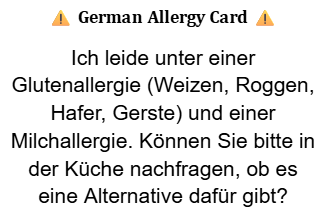
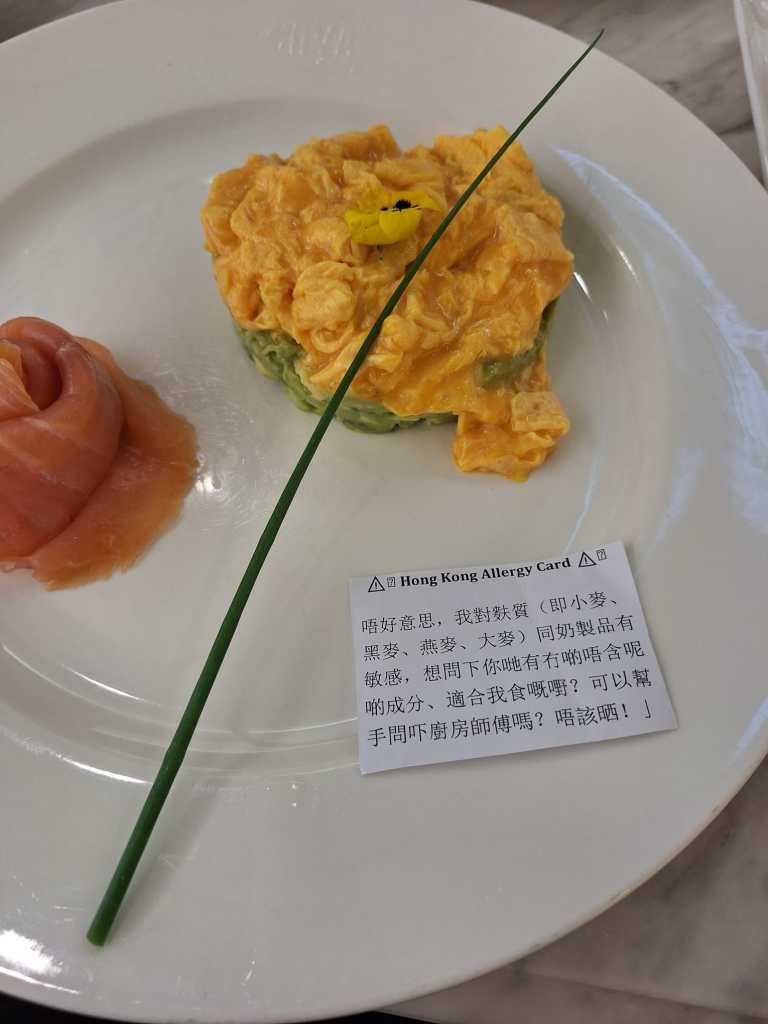
Allergy Translation Cards – In the local language, and printed (if possible laminated) in either A6 or business card size.
Translation App and download the Languages – For when you don’t speak the language fluently
EpiPens (Ideally 2) – Easily accessible, within the expiry date and within reach. Why two? In some cases it may be needed, also if you’re travelling away from home you may be exposed more than once.
⚠️ Severe allergy: Keep at least one on you person at all times, not in checked luggage, not in the overhead locker. Let travel companions and flight crew know where it is before you take off. Check the ASCIA Travel Plan before you go.
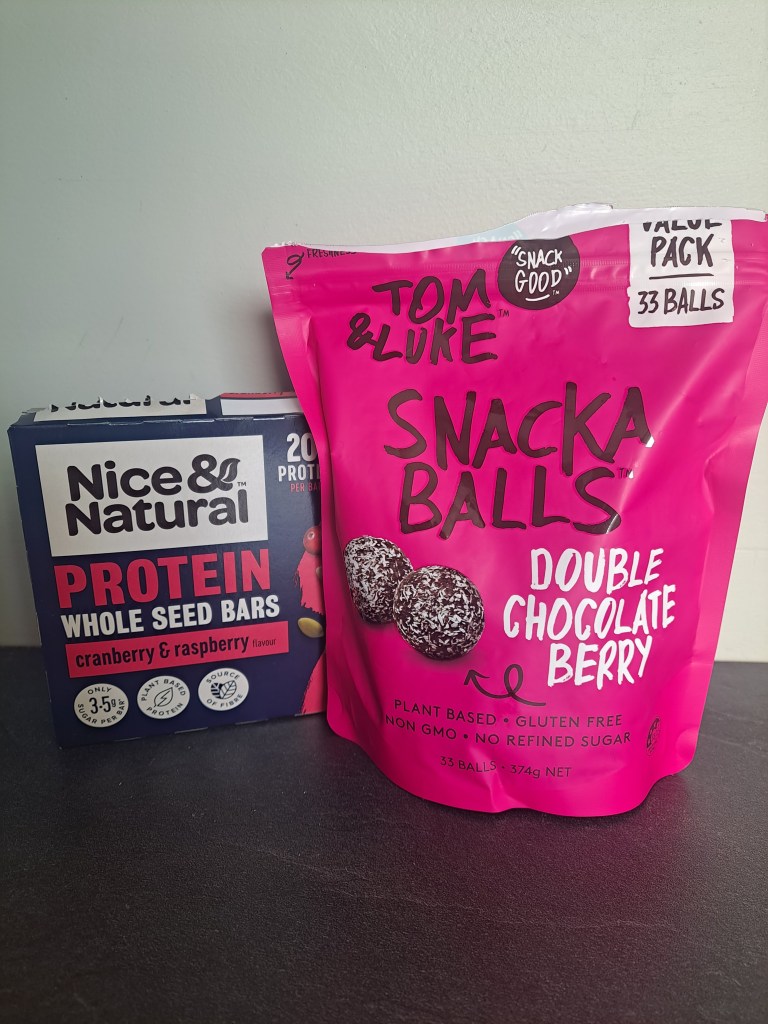
Safe Snacks – A few shelf-stable, allergy-safe snacks such as muesli / granola bars or bliss balls perfect for when you can’t find safe food and usually no problem with border security.
⚠️ Severe allergy: Check manufacturing labels carefully for shared facility warnings — what’s safe at home may be produced differently abroad.
Backpacker Meals – I always pack a couple, usually Radix, for when safe local options are scarce. Just make sure to check border restrictions.
⚠️ Severe allergy: These are worth checking ingredient lists on carefully before you travel, not at the destination.
Pro Tip: Use the ‘First Use’ Test Rule
When you buy packaged food abroad, open and try it at your accommodation, not mid-flight or halfway up a mountain. If there’s a reaction, you’re in a safer, more controlled environment
Water Bottle – Always an essential, plus, it’s useful for washing away accidental exposures. If you’re travelling by air make sure its empty when going through security, you can usually fill it up on the other side.

Medication Kit – Anything you either take regularly or use as needed to feel better. This might include; Benadryl, Antihistamines, inhaler, and any prescription medications, always in the original packaging.
⚠️ Severe allergy: Pack medication in original packaging, customs officials may need to verify what you’re carrying, and original packaging keeps dosage information handy. Antihistamines are not a substitute for an EpiPen.
Wipes & Hand Sanitiser – For wiping down trays, tables, surfaces or hands before eating.
⚠️ Severe allergy: Wipes are essential for cleaning tray tables, seat belts, and armrests before you sit down. Hand sanitiser does not remove allergens — wipes do.
Typical Travel Essentials – Tissues, Face Mask, Ear Plugs, Sunglasses, Eye Mask, Lip Balm, Eye Drops don’t forget the items we all might need when travelling.
Reusable Cutlery & Small Container – Perfect for the backpacker meal but also if you’re eating breakfast in a hotel room or similar. Just make sure it will get through security or check it in.
Copy of an Allergy Action Plan – A simple document explaining what to do in case of reaction, created by your medical professional
⚠️ Severe allergy: This isn’t optional. Carry a printed copy and a digital version, and make sure your travel companions have read it.
Medical ID Bracelet – If you have one and your not wearing it, make sure it’s somewhere accessible. It’s an important way to alert others to your allergies in an emergency.
Going on a roadtrip? If you’re going on a road trip you’ve got more options so pack a small chilly bin (cooler or esky) with snacks and treats to enjoy wherever you stop.
Travel Tips for Severe Allergies
If you have a severe allergy or intolerance, travelling can feel especially stressful. But with a few smart steps, you can reduce your risk and travel more confidently.
Pro Tip: Carry Your Own Condiments
Sauces and dressings are common hiding spots for allergens and gluten. Single-serve sachets of safe sauces, oils, or seasonings can help you can make simple meals safe without guessing
Talk to staff clearly
Make sure you can be understood and can advocate for yourself just like you would at home. If you’re not confident check out our recent advocacy post, to build the skills you need. If you have severe allergies or don’t speak the language use allergy card and get verbal confirmation in the local language.
Know the emergency number
It’s not always what you use at home, know and save the local emergency number, the nearest hospital, and a translation of “I have a severe allergic reaction” in the local language in your phone and on a card in your wallet.
At the Airport & On the Plane
Identify airport dining options
Airport food can feel like a game of chance when you have dietary restrictions.Read up on How to Eat Safely at the Airport with Dietary Restrictions, read our article on how to research your terminal, find naturally safe options, and why backup snacks are your ultimate travel insurance.
Keep your medication close
Never store your medication, including antihistamines or an EpiPen in the overhead compartment, instead keep it within arm’s reach. Let your travel companions and the flight crew know if you have a severe allergy and where your medication is in case of an emergency.
Let crew and nearby passengers know
Some airlines will, and some will not make an allergy-related announcement but its always worth asking. If they won’t make an allergy-related announcement to other passengers, you’re always within your rights to politely inform those seated around you of your allergies, especially on smaller or longer flights.
Request to pre-board
Ask gate staff if you can board early so you have time to wipe down your seat, tray table, seatbelt, window area, and any nearby surfaces. This small step can make a big difference in avoiding accidental contact with allergens.
Bring your own food if you can
Special Meals are fantastic for many, myself included but if you have severe allergies or intolerances remember they are prepared in a shared kitchen and there is a risk of cross contamination. If this is you, we suggest bringing safe snacks or meals for longer flights. Many airlines such as Air New Zealand have information on this on their website. Be sure to check airline and destination rules in advance, some countries restrict certain food items on entry.
If bringing your own food isn’t allowed or practical, ask airline staff about ingredients and preparation methods. For example, travellers with milk or egg allergies may find vegan meals safer, though it’s always best to double-check.
Final Thoughts
Travelling with food allergies, coeliac disease, or intolerances can feel overwhelming, but with the right preparation, it becomes less about fear and more about freedom. Your survival kit isn’t just a bag of supplies; it’s a safety net that lets you focus on the fun parts of travel, not the stressful ones.
Every journey will be different, and your kit will evolve with each trip. But the goal is always the same: stay safe, eat well, and make incredible memories, because food shouldn’t be the hardest part of your trip.
If you’ve discovered an essential that’s saved you on the road, let me know on Instagram or Facebook and I’ll include it. You never know who you might help on their next trip

Jo is the founder of Globally Sauced, a travel platform for dietary restricted travellers and is gluten and dairy free. When not outdoors or travelling, she loves to empower people with dietary restrictions so they can explore the world safely.
Globally Sauced offers verified restaurant recommendations, country-specific guides, food label / menu translations, and more downloadable resources for gluten-free, dairy-free, allergy-conscious and other dietary restricted travellers. Learn more at globallysauced.com