Gluten and Dairy Free Travel in Japan: What You Can Actually Eat

Japan is either going to ruin every other country for you, or overwhelm you on day one. From small neighbourhood eateries to convenience stores that feel five years ahead of the rest of the world, there’s far more on offer for gluten and dairy free travellers than you might expect.

One thing I love about Japan? Show a restaurant, café, or shop your allergy card and they won’t guess. If it’s not safe, they’ll tell you. That clarity is so good and removes a huge layer of stress.

This guide blends my experience from multiple trips with the foundations from our Essentials Travel Pack, Dining Guide and recommendations from recent travellers to give you what you need in minutes, not hours of late night searching.

Sensoji Temple, Asakusa, Tokyo

If scanning Japanese packaging looking for ingredients makes you think “where do I scan?” learn how to read Japanese Food Labels while you’re here. If Japan is the starting point for a Nagano / Niigata ski trip I’ve gone further in a dedicated post. Here’s how to not only survive Japan gluten and dairy free but thrive and want to go back.

What You’ll Learn in This Guide

  • Tips and advice for gluten free, dairy free travellers in Japan
  • Allergy card text and essential local phrases
  • Safe gluten-free, dairy free dishes, what to look forward to
  • Some mouth watering dining and grocery options in Tokyo, Nagano, Kanazawa, Kyoto, Osaka, Hiroshima and beyond

Gluten Free, Dairy Free Labelling and Menu Information

Japan’s food labelling laws are clear, but they’re not designed with gluten-free or dairy-free travellers in mind. By law, packaged foods must declare seven mandatory allergens: egg, milk, wheat, buckwheat, peanuts, shrimp, and crab. That’s helpful, but also where many assumptions go wrong.

  1. Gluten is not labelled as a category. Only wheat is required, which means foods containing barley, rye, oats or malt may still appear “safe” at first glance.
  2. Soy sauce is a major blind spot. It almost always contains wheat
  3. Dairy beyond milk isn’t always obvious. Butter, cream, cheese, and milk powders can appear under broader ingredient terms

Japan also has a list of recommended (but not mandatory) allergens including; soy, sesame, almonds, and cashews, but these may or may not be declared, depending on the manufacturer.

For more information read the post on Why Japan handles food labelling different for more detail on this including how to read the Japanese packaging.

What This Means for Menus and Eating Out

Restaurants in Japan are not required to provide allergen menus, and “gluten-free” as a concept isn’t widely used in traditional dining, however dairy can be less common especially in more traditional cuisine. What I’ve found is, show an allergy card (mine is below) and staff are very quick to say ‘No’ if they cannot serve you, if they do, respect this and go elsewhere. That doesn’t mean staff are unhelpful, it means:

  • Menus rarely list full ingredients
  • Staff may need a clear explanation rather than a label
  • Asking the right way matters more than asking loudly.
  • Cross-contamination is also common in small kitchens, shared fryers, and noodle-focused restaurants, even when a dish looks naturally gluten or dairy free.

The Takeaway

Reading packaging carefully, understanding common ingredients, and being able to clearly explain your needs will take you much further than relying on menu icons or English translations.

Essential Gluten Free and Dairy Free Words and Phrases

If you have an allergy card, your translation app, can use both of them and have a few basic Japanese words (here’s the Anki phrases I use) the below will take your experience to the next level. Even if you don’t remember it all any knowledge is power.

Packaged Food Cheat Sheet

Wheat

  • 小麦 (komugi) – wheat
  • 小麦粉 – wheat flour

Barley / Malt

  • 大麦 (ōmugi) – barley
  • 麦 (mugi) – barley/wheat (general)
  • 麦芽 (bakuga) – malt

Soy Sauce & Derivatives

  • 醤油 (shōyu) – soy sauce
  • たまり醤油 – tamari (often still contains wheat in Japan)

Breadcrumbs / Batter

  • パン粉 – breadcrumbs
  • フライ粉 / 衣 – frying batter / coating

Use Caution

  • 水飴 (みずあめ / mizuame) – starch syrup (source may be rice, wheat or barley)
  • 調味料(アミノ酸等) – seasonings
  • 加工でん粉 – modified starch
  • 乳 / 牛乳 – milk
  • バター – butter
  • 生クリーム / クリーム – cream
  • チーズ – cheese
  • 乳製品 – dairy products
  • 脱脂粉乳 / 全粉乳 – milk powders

Naturally GF & DF (Still Check)

  • 米 / 米粉 – rice / rice flour
  • もち米 – glutinous rice (gluten-free despite the name)
  • 野菜 – vegetables
  • 果物 – fruit

Allergy Card

This is the actual card I use in Japan as a gluten free and dairy free traveller (see image), and I had comments on how polite it is. Allergy is more readily understood in Japan vs. other terms. You can get one with more detail in either the Essentials Travel Pack or the allergy card creator.

Gluten free Mochi in Kanazawa
  • English: I am allergic to gluten (wheat/barley/rye/oats) and dairy. Is there anything suitable? If you’re not sure, please say so. Thank you.
  • Japanese:  私はグルテン(小麦 / 大麦 / ライ麦 / オーツ麦)と乳製品のアレルギーがあります。何か適当なものはありますか?もし確かでない場合は、 そうおっしゃってください。おねがいします。

Essential Safe Eating Phrases

The below assumes you have shown staff your allergy card and they have responded with yes or similar. I found that I needed to check soy sauce and confirm if a breakfast item was yoghurt with dairy once or twice but otherwise found I could point at something and say komugi or nyūseihin.

塩味で、ソースは別にしてください。shio-aji de, sōsu wa betsu ni shite kudasai.
Season with salt, serve sauces separately.

十割そばはありますか。小麦は入っていますか。jūwari soba wa arimasu ka. komugi wa haitte imasu ka.
Do you have 100% soba? Does it contain wheat?

揚げ物と共通油は避けたいです。agemono to kyōtsū abura wa saketai desu.
I need to avoid fried items and shared oil.

これは小麦が入っていますか?kore wa komugi ga haitte imasu ka?
Does this contain wheat?

これは乳製品が入っていますか?kore wa nyūseihin ga haitte imasu ka?
Does this contain dairy?

Must-Try Dishes with Gluten Free, Dairy Free Tips

I really love dishes and drinks that are naturally gluten free and dairy free, ideally with minimal adjustments (just check for cross contamination). The below options are great for that. Alongside the options I’ve listed the watch outs. You might find other things if so just eat it if you’re comfortable

  • Sashimi (刺身) – Pure, simple, and one of the safest choices in Japan. Fresh fish with no batter or sauce. Skip soy sauce or use a gluten-free version.
  • Nigiri Sushi (寿司) – Fish over seasoned rice. Ask for no soy sauce brushed on and enjoy as-is. Wasabi is usually fine.
  • Shabu-Shabu (しゃぶしゃぶ) – Thinly sliced meat and vegetables cooked in plain water. Avoid dipping sauces unless confirmed gluten-free. One of the easiest sit-down meals.
  • Cold or Warm Tofu (冷奴 / 湯豆腐) – Tofu on its own is naturally gluten- and dairy-free. Sauces are optional, plain is safest and very normal.
  • Yakitori (焼き鳥・塩) – Grilled chicken skewers ordered salt-only (塩). Avoid tare sauce, which almost always contains soy sauce and mirin. Just check the grill for contamination
  • Onigiri with Simple Fillings (おにぎり) – Rice balls with plain fish (e.g. salmon), plum, red bean or salt.Just check the ingredients, some are safe other’s not so. I kept a few in my bag and stored them in the fridge in my room.
  • Natto (納豆) – Fermented soybeans. Use caution with the seasoning packet, i never added it, but the natto itself is usually safe.
  • Plain Rice & Grilled Fish Sets (定食) – A very “everyday Japan” option, I had this for breakfast most days if it was available at the hotel. Eat the rice, fish, and vegetables, skip sauces unless confirmed.
  • 100% Buckwheat SobaJuwari Soba (十割そば) – If it is Juwari it can be gluten-free. But note the dipping sauce (つゆ) almost always contains soy sauce.
  • Sake (日本酒) – Traditional sake is made from rice, water, yeast, and kōji—no wheat, no dairy. Most sake is considered gluten-free. Flavoured or modern craft versions may add extras, so stick with classic styles.
  • Shōchū (焼酎) – Distilled spirit commonly made from sweet potato, rice, or barley. So check the base ingredient before ordering.
    • Sweet potato (芋) and rice (米) shōchū are generally gluten-free.
    • Barley (麦) shōchū is not suitable if you avoid gluten

Just remember sauces are where things get complicated, not the food itself. Order simply or plain. You aren’t “missing out”, just ask for some salt to dip your sashimi in (The chef recommended that to me in one restaurant) or bring a soy sauce packet from home.

Delicious Gluten-Free and Dairy Free Dining Options in Tokyo, Kanazawa, Osaka, Kyoto and Beyond

Gluten Free soba in Nagano

Below you’ll find a range of spots from places I have personally eaten at (marked with an *) to places others recommend that I would consider, if open and not too busy.

If you’re travelling in a group, you need to make a booking for some place or else split your group up.

What are my standards for gluten free? I’m not coeliac (not tested) but I react to crumbs in a toaster, so avoid cross contamination and as such shared fryers, toasters, shared water for noodles etc. I am lactose free, although avoid all dairy when eating out. Note: I haven’t been, some of the options may not be dairy free, but if I have it’s Dairy Free and Gluten Free unless noted.

Not included on this list are a range of chains with allergy meals such as Kura sushi, Bikkuri Donkey, Curry House, COCO, Denny’s restaurant, Mos Burger and Matsuya Foods, you’ll find these all over Japan.

Tokyo

Asakusa & Ueno

  • Avan – Everything in this cafe in Ueno station is gluten free and they serve sweet and savory dishes including gluten free churros
  • Gluten Free T’s Kitchen – Restaurant serving delicious gluten free Japanese dishes, its small so you may need to book.
  • Gonpachi – They have a gluten free menu with tempura, sashimi, grilled chicken and other treats
  • NCカレー(Natural Curry Restaurant) – This restaurant serves up delicious Japanese curries and has gluten free and vegan options
  • Tempura Asakusa SAKURA – Everything is gluten free and the flavours and atmosphere come highly recommended

Ginza & Tokyo Station

  • 鮨和食バル【東京橋】* – I stayed in the nearby hotel and had breakfast here, staff knew what was in the food and which options were suitable
  • 2foods Vegan restaurant Ginza* – This vegan restaurant has some delicious gluten free options including omurice & a couple of sweet offerings. Delicious.
  • 8go (Stylish Dinner, Bistro, Gluten Free, Vegan Food) – A restaurant with some delicios and well reviewed gluten free and vegan options
  • Ain Soph. Ginza* – This is a great place to experience a variety of Japanese vegan food. They’re known for the pancakes. In summer you do need to book.
  • Soranoiro Nippon – I struggled to find this in Tokyo station but for GF ramen and gyoza its worth a visit.
  • Tokyo Midtown Yaesu* – The salad was really tasty and the staff checked the ingredients and helped me find something safe.

Harajuku

  • Gonpachi Nori-temaki Harajuku – The staff at this hand rolled sushi restaurant explain what is and isn’t gluten free and even have gf soy sauce.
  • RICEHACK GlutenfreeBakery – This riceflour based bakery also does dairy free food. Note there are no tables only a bench outside
  • Rizlabo Kitchen – Known for its gluten-free fluffy pancakes and crepes, they also have a good selection of sweet and savory dishes.

Roppongi

Shibuya

  • グルテンフリーおばんざいLL – This dedicated GF, lunch only spot is only open on some days, and reservations required, booked through a DM on instagram.
  • NachuRa Gluten Free Cafe – This gluten free cafe is known for its cream puffs
  • Okomedoki Rice Burger – They only have one gluten free option but reviewers mention its safe and is a great burger alternative
  • Shinbu Sakiya Ramen – This restaurant serves incredible gluten free ramen, kaarage chicken and gyoza. It also has vegan options as well.

Shinjiku

  • Ain Soph. Shinjiku* – This is a great place to experience a variety of Japanese vegan food. They’re known for the pancakes.
  • D.I.Y. Salad & Delicatessen* – The staff were able to make me a suitable, safe and delicious custom chicken salad.
  • Marbre vegan* – This vegan restaurant has a number of gluten free options including delicious cakes and pastries
  • Moyan Curry* – This Japanese curry house has a number of GF options, the last time I came though they said there was butter in the sauce. So its not DF.
  • Paricolle Kabukicho – This cafe is a real treat, great food with much of it gluten free. Almost all dishes are gluten free here and some are vegetarian. They are all clearly labeled.
  • Teppan Baby – This is gluten free but the grill top is the same so there could be some contamination at this okonomiyaki restaurant, it does review well for GF nonetheless

Nagano & Niigata

Planning a ski trip to this region? Our dedicated gluten free guide to skiiing and snowboarding Nagano and Niigata covers resort by resort what to eat on and off the mountain.

Matsumoto

  • Kobayashi Soba – Another place that comes highly rated which was closed when I visited, caters to vegan as well as other dietary needs
  • The Laughing Frog 笑蛙屋* – This bar serves fantastic cocktails and delicious sausages. The owner will go check ingredients.
  • Takagi – This soba restaurant caters to gluten free diners but going on reviews does may attract more tourists.
  • Temariya – Going by the reviews this pastry option could be worth a look if its open, its a rice flour bakery.

Nagano

  • Cafe&Bar PATo – Another spot that was closed when I visited but its all gluten free
  • Foret coffee – Delicious coffee and gluten free snacks!
  • Nagano-ken Choju-shokudo – This restaurant caters to vegetarian and gluten free customers but does get busy, so be prepared to wait
  • Shinsyu Jyuwari Soba Ten* – This soba shop has a gluten free menu (they use tablets) and the chef is super helpful, showing you how to eat it if needed. It can get busy though

Akakura Onsen

  • Mr Burger* – I stayed in the associated hotel, where they provided plain safe, delicious japanese breakfasts each day. On the menu is an egg and ham rice bowl with miso. It was delicious and nice to have a safe choice.
  • NINJA Riceball & Sake* – The Onigiri is made while you wait and so much better than the kombini offerings, they also have gluten free beer and safe options are listed on the menu. Staff will also show you how to drink sake properly.
  • Noren Akakura Sushi* – This sushi restaurant was very accommodating for gluten free, showed me they used different knives etc and explained the safe options.
  • Obake Bar & Restaurant – Such a cute and fun little bar. Almost everything on their menu is gluten free, they fry with gluten free flour and only use gluten free soy sauce!
  • Panorama Cafe & Dining* – This aussi run restaurant does have a number of gluten free items on the menu but they do use a shared fryer, however they have other safe options, just let them know you’re coeliac. Your flat white is safe, they use separate jugs for the alternative milks
  • Restaurant Shibata – This restaurant has gluten free options, just ask the staff.

Madarao / Tangram

  • Japan Snowsports – The menu can be adapted for a range of dietary needs and is highly rated by gluten free travellers
  • MiSTER DARUMA – Most of the food is gluten free and safe for coeliacs and the restaurant is also great for food allergies with advance notice.
  • Pinchi’s Place Bar & Restaurant – Another restaurant owned by the people behind The Bruey’s, its 100% gluten free.
  • Red Tricycle Madarao – The Vietnamese restaurant associated with The Bruey’s comes highly regarded

Nozawa Onsen

  • Juntos Mexican Restaurant & Bar – Make sure to book when its busy but this cute spot has gluten free and vegetarian options marked.
  • Pots Bar & Kitchen – This restaurant caters to both vegan and gluten free diners, reviewers suggest booking.
  • Sakai – This Izakaya has a gluten free menu which recent GF visitors rate
  • Shizen Cafe – A plant based gluten free cafe serving sweet and savory options, and also sell fresh bread.
  • Tanuki cafe & dining – This local gem has a number of gluten free and vegan options.
  • UNMAIYA – I’ve heard great things about so many of their offerings when you want something quick.

Hakuba

  • Head cafe – For gluten free cafe treats the toasties and muffins are a hit
  • Ichi-Bánh – Has delicious gluten free Vietnamese food with a range of suitable options
  • Izakaya Hie Hakuba – For safe Izakaya fare think sushi, sashimi, kebabs etc they can keep you safe going on recent reviews
  • Izakaya Kaz – If your wanting to try hot pot of craving sushi or sashimi here’s a great option
  • JapaMex – Tasty mexican food where nearly anything can be gluten free
  • Lantern Hakuba – Chef is knowledgeable and can show you the safe options
  • The Rabbit Hole by HHG – If your craving a burger and fries, this place has your back. They can modify meals to make sure its safe

Kanazawa

  • Aashirwad – A delicious Indian restaurant has all your favourites and then some and caters to many dietary needs
  • 鉄板酒房haru* – This okonomiyaki restaurant has a friendly helpful owner who serves delicious safe food catering to many dietary needs
  • Cafe Merzbau* – A cute coffee shop with a gluten free menu
  • Cafe Restaurant Fusion 21* – The onsite cafe for the Kanazawa 21st Century Museum of Contemporary Art doesn’t have many safe options but its delicious
  • Love for All – Serving up vegan and vegetarian Japanese food, you need to book via their instagram page but is often recommended and caters to GF
  • Moron Cafe* – A trendy coffee shop serving some safe cakes and also dairy free coffee using separate jugs.
  • Omicho Market* – There is lots of seafood and fruit available here, the seafood stalls had signs saying they can cook it for you there. There is also delicious and safe GF Karaage chicken and mochi.
  • Shirom Creperie – I didn’t eat here but you’ll see it mentioned lots, just a heads up it doesn’t do dairy free
  • Slow Luck – This vegan restaurant was closed when I visited but comes highly rated

Kyoto, Nara & Osaka

Kyoto

  • CHOICE – This vegan restaurant has some great options for gluten free diners as as well including gluten free beer. It’s a Western style restaurant and home made pizza looks to be the go to order
  • Everysoy* – The macha cream puff and the soy latte amazing and the staff are aware of the allergens were in each flavour.
  • Gion Soy Milk Ramen Uno Yokiko – Wonderful ramen restaurant in the heart of Kyoto. There’s a range of ramen dishes and gyozas and everything is fully vegan and gluten free
  • KYOTO ENGINE RAMEN – This ramen restaurant has delicious food and has vegan / dairy free options as well as GF. There’s a separate GF menu.
  • Teuchi Toru Soba* – This spot serves delicious 100% buckwheat soba and tempura, its an affordable authentic spot where the chef knows his stuff.
  • UNO RAMEN Sanjo – This GF, vegan restaurant features soy milk ramen, gyoza and a range of other delicious offerings

Nara

  • Ace Sushi – Staff are knowledgeable about what is and isn’t gluten free
  • Big Mountain Cafe&Farm – The GF restaurant also has vegan and dairy free options including burgers, pizza and cakes
  • Naramachi Vegan Nabi – The menu here is gluten-free, vegan and nuts-free. Not only that but read the reviews they are glowing
  • Onwa – This GF and vegan cafe has delicious taco’s, burgers, rice bowls and cakes
  • Sarasojyu – GF Cafe with delicious pasta, sandwiches and pastries. Note: their hours are updated monthly on Instagram. Please check before visiting.

Osaka

Hiroshima & Miyajima Island

Hiroshima

  • 広島お好み焼き undo – The kitchen is not fully gluten free however they have a range of gluten free, vegetarian and vegan options and has lots of positive reviews online
  • Koguma – This okonomiyaki restaurant is known for being good with food allergies and customers who are coeliac, looks like a must visit
  • MoreThan HIROSHIMA – Lists GF options on their menu and is knowledgeable about cross contamination
  • Tamariya Rice Flour Donut Specialty Store – Store selling rice flour donuts along with some options that are also vegan.

Miyajima Island

  • Miyajima Base – Going on reviews the curry and rice flour donuts and karaage chicken are a must try.

Joining a Tour or Cultural Experience?

Gluten free Yakiniku meal in Shiragawa-ko

Don’t assume traditional experiences are off limits, they’re often worth asking about. When I visited Shirakawa-go I enquired ahead about my gluten and dairy free requirements, and what arrived was anything but a compromise. A full traditional meal with tabletop grilled meat, salad, miso soup, and rice, the emergency onigiri stayed firmly in my bag.

Honestly? My meal looked better than the Hida beef everyone else was having. Sometimes dietary restrictions work in your favour.

The key is asking in advance and being specific about your restrictions. Many smaller traditional restaurants and tour operators will go out of their way to accommodate you if given notice, even if they don’t advertise it.

Japanese Sweets & Gluten/Dairy: What to Know

Japanese sweets (wagashi) often look safe, and sometimes are but ingredients vary widely by region, shop, and recipe. So check the ingredients and / or ask the staff. Top tip to find the stores, generally the touristy area’s. If a store isn’t busy I would show them my allergy card and ask for help. One or two of my purchases were quite different in taste to what I’m used to, but it’s a great experience.

Common Gluten & Dairy Risks in Sweets

  • Mizuame (水飴) is frequently used as a sweetener or binding agent. Its starch source isn’t always clear.
  • Soy sauce (醤油) appears in some savoury-sweet snacks and rice crackers.
  • Wheat flour (小麦粉) is common in dorayaki, castella, and Western-style pastries.
  • Dairy shows up more in modern sweets, desserts, and bakery items than in traditional wagashi.

Sweets That Are Often Safer (But Still Check)

Morning tea in Tokyo, coffee and a gluten free, vegan pastry with strawberries
  • Mochi made with rice flour only (no fillings or coatings)
  • Daifuku with simple red bean filling (avoid flavoured or “cream” versions)
  • Plain rice crackers without soy sauce seasoning
  • Fresh fruit-based desserts

Sweets That Are Commonly Risky

  • Dorayaki (wheat pancakes)
  • Castella (contains wheat and eggs)
  • Cream-filled mochi or “fusion” wagashi

Convenience Store Cheat Sheet: Gluten & Dairy-Free

A packaged onigiri (rice ball) featuring red salmon and salt, wrapped in nori, from 7-Eleven.
  • Boiled eggs (7-Eleven, Lawson, and FamilyMart all have them)
  • Fruit – Buy it cut up, singles or cups
  • Onigiri – Safe options usually include; Salt, Salmon, Plum, Red Bean Paste
  • Some salads are safe choices
  • If you can have dairy you will have more options, look for yoghurt and cheese
  • Soy Milk in flavoured, single serving
  • Soy Joy or Kind bars, check for dairy
  • If you find a Natural Lawson stock up, they are delicious

Grocery Cheat Sheet: Gluten & Dairy-Free

Staples

  • Rice (米 / 米粉) – White, brown, or glutinous (もち米), naturally safe.
  • Rice noodles (米粉麺) – Usually safe; check labels.

Snacks & Sweets

  • Plain rice crackers (せんべい / 煎餅) – Avoid soy sauce-coated or fried with wheat.
  • Potato Chips / Crisps (ポテトチップス) – Look for plain varieties without flavouring
  • Mochi (餅) – Plain only; avoid cream or flavoured fillings.
  • Packaged fruit & nuts (果物 / ナッツ) – Safe, convenient snack.
  • Edamame (枝豆) – Fresh or frozen, ready to eat.

Proteins

  • Fresh tofu (豆腐) – Skip sauces.
  • Natto (納豆) – Watch seasoning sachets.
  • Fresh beef (牛肉 / gyūniku) – Naturally safe; check marinated packs for 小麦 (wheat) or 乳 (milk).
  • Fresh chicken (鶏肉 / toriniku) – Naturally safe; salt-only yakitori (塩) is safe, avoid tare sauce.
  • Frozen beef/chicken slices – Often safe for shabu-shabu if unseasoned.
  • Fresh/frozen fish & seafood (魚 / 海鮮) – Avoid breaded or marinated varieties.
  • Eggs (卵) – Easy and versatile.

Drinks

  • Sake (日本酒) – Rice-only varieties are gluten and dairy free.
  • Shōchū (焼酎) – Sweet potato or rice base is safe; avoid barley.
  • Tea (緑茶 / 烏龍茶 / ほうじ茶) – Safe and widely available.
  • Coffee / Bottled water (コーヒー / 水) – Universally safe.
  • Soy Milk (豆乳) – Flavoured or plain, widely available

Grocery Shopping Tips

  • Stick to plain, unseasoned meats, tofu, soy milk and fresh produce.
  • Scan labels for allergens: 小麦 (wheat), 乳 / 牛乳 (milk), 水飴 (mizuame).
  • Snacks: rice crackers, plain mochi, nuts, fruit.
  • Drinks: tea, coffee, sake, shōchū (check base).

Accommodation (Ryokans & Hotels) and Food

  • Contact them in advance to check if they can cater to your needs.
  • Many hotels including Business Hotels offer a free or cheap breakfast, if its free great, show the staff you’re allergy card to see what is safe but do ask in advance if you can, I book though booking.com and use their messaging
  • In some places your dining choices otherwise are limited, so make sure you can cancel it free of charge if you need to.
  • Make sure there is suitable dining options near to your accommodation, you don’t want to have to catch a train or walk when you or someone else is tired.
  • Some people prefer to get options that are self catering, but one thing to be aware of is, in Japan hot water and a microwave are usually available for use free and convenience stores have disposable cutlery.

Must Have Websites

Packing Tips for Gluten-Free, Dairy-Free Travellers

  • Bring a few protein bars, snacks or backpacker meals for emergencies
  • A few sandwich or snack sized zip lock bags if you need to decant snacks
  • If language is a barrier, create and print translation cards and have your favourite translation app, make sure you read our article on allergy cards vs. translation apps to know what to use and when
  • Any medications you might need either day to day or if you accidentally eat or drink the wrong thing
  • Some wet wipes, a pocket package or two of tissues and a mask
  • Have a small travel bag or zip lock bag to put the above in

Final Tips from a Gluten Free, Dairy Free Traveller

Light show at the Tokyo Metropolitan Government Building

Don’t be afraid to ask for help, the locals are will say yes or know depending on if they can serve you, respect that but always check sauces and for shared fryers and water.

Use reviews from other gluten free or coeliac travellers, they’re gold just be mindful different tolerance levels

This guide blends real-world experience with the foundations from our Essentials Travel Pack and dining guide research giving you what you need in minutes, not hours of late night reading.

FAQ

How do I say I’m gluten and dairy free in Japanese?

Is Japan safe for gluten-free travellers?

Is it easy to eat dairy-free in Japan?

Do I need to bring food to Japan?

What Japanese foods are naturally gluten-free?

Is soy sauce always made with wheat in Japan?

Are Japanese convenience stores good for gluten-free options?

Can I rely on Google Translate for food allergies in Japan?

Why Japan Handles Food Allergies Differently to the West

A practical guide for travellers managing multiple dietary restrictions; from gluten-free and dairy-free to allergies such as nut or egg, vegetarian, halal, kosher, and beyond.

Japan is one of the most fascinating places to travel with dietary restrictions, not because it’s “easy” in the Western sense, but because the entire system works differently. If you’ve ever wondered why a café in Tokyo will confidently tell you no, while a restaurant in the US or Europe might guess, improvise, or over-promise, this post breaks down the cultural, legal, and practical reasons behind Japan’s unique approach.

I’m coming at this as someone who has travelled Japan gluten-free and dairy-free, and the patterns I’m describing are ones I encountered repeatedly across different cities, budgets, and restaurant types. But the underlying logic applies whether you’re gluten-free, managing a nut allergy, eating halal, or juggling a combination of restrictions. The system is what it is, regardless of which specific things you can’t eat.

If you’re travelling Japan gluten-free and/or dairy-free, I’ve got two dedicated guides worth bookmarking: Gluten and Dairy Free Travel in Japan and Gluten Free Skiing and Snowboarding in Nagano & Niigata.

Japan’s Food Labelling Laws Are Clear, But Not Built for Western Allergies

Japan has one of the most structured allergen labelling systems in the world. But it’s built around Japanese dietary risks, not Western ones.

CategoryAllergens
Mandatory (8)Crab, Egg, Milk, Shrimp, Peanuts, Buckwheat, Walnut, Wheat
Recommended (20)Almonds, Abalone (Paua), Apple, Banana, Beef, Cashews, Chicken, Kiwifruit, Gelatin, Macadamia, Mackerel, Oranges, Peaches, Pork, Salmon, Salmon Roe, Sesame, Squid, Soybean, Wild Yam

Source: Japan moves to bolster food allergen controls after nut cases spike and Japan’s Food Labelling System

A few things worth knowing before you arrive:

  • Gluten isn’t a category. Only wheat must be labelled. This means barley, rye, oats, and malt are not labelled, for example anything with soy sauce, miso, or seasoning blends needs a closer look.
  • Buckwheat appears in the mandatory list because it’s a significant allergen in Japan, not because it contains gluten. Pure buckwheat soba is naturally gluten-free, but much of the soba you will encounter is a combination of buckwheat and wheat.
  • Dairy often hides under umbrella terms in processed foods, sauces, and curries, particularly in convenience store products. If you’re dairy-free, “milk” will usually be labelled, but butter, cream, and casein are worth checking for explicitly.
  • Soy sauce almost always contains wheat, even when the dish it’s in looks naturally safe. This catches a lot of gluten-free travellers off guard.
  • If you have a nut allergy, the recommended list includes almonds, walnuts, cashews, macadamia, and others but these are voluntary to label, not mandatory. Check carefully, and your allergy card becomes even more important.

This is why travellers can find Japan both reassuring and confusing at the same time. The system is consistent, it’s just not aligned with how we are used to categorising food safety.

How to identify your allergens on the packaging

Japan’s Consumer Affairs Agency has published a handy guide to the Japanese Food Labelling System that I highly recommend reading. It explains how to read the nutrition and allergen information and how to read the expiry dates.
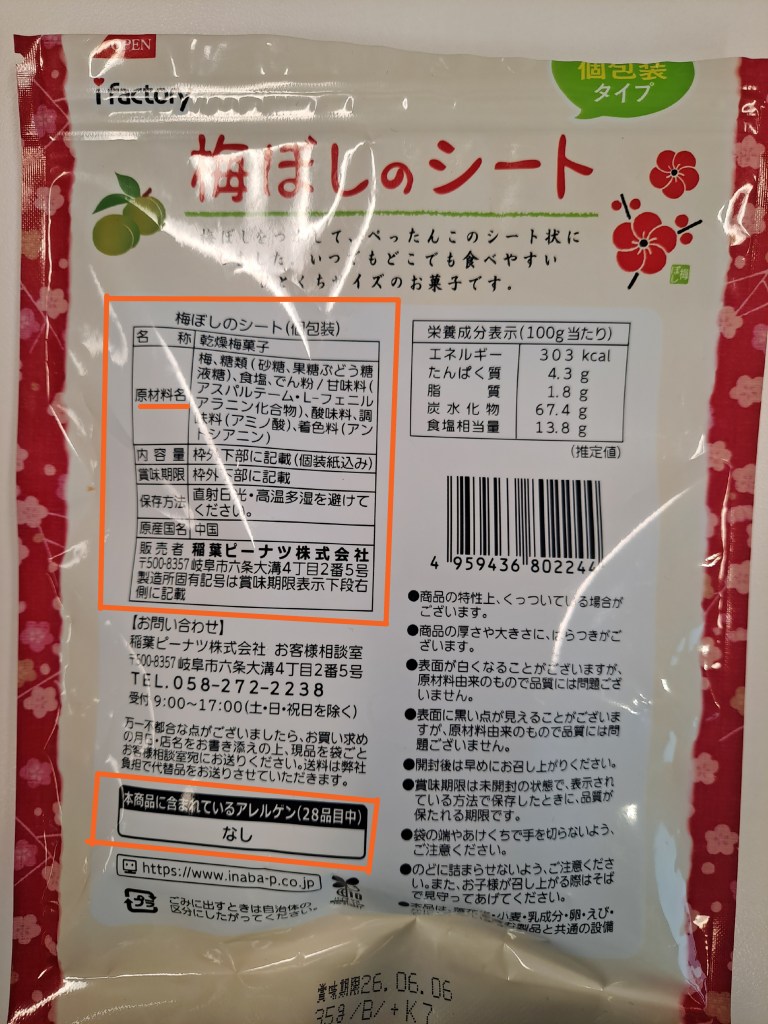
The back of a packet of lollies from Japan showing where the key allergen information is located

How this information translates into reality took me some time to adjust. On the left is the back of the packaging in Japan. This product has Individual Labeling the top orange box with the nutritional information, and I underlined the ingredients. It also has Collective Labeling, the second orange box containing which of the 28 allergens the product contains in a handy easy to find box.

Note the reference box is commonly listed for convenience but its not a legal requirement.

Restaurants Prioritise Accuracy Over Accommodation

One of the biggest cultural differences is this: if a Japanese restaurant isn’t confident they can serve you safely, they will say no. And that’s a good thing.

Multiple times I had staff read my allergy card, check with the kitchen, and decline politely. No guessing, no “we’ll try our best,” no improvising. If they couldn’t guarantee it, they wouldn’t risk it. This does mean you need a backup plan, a list of a few safe options nearby, rather than one restaurant on a given night, but the trade-off is worth it.

Allergy card and traditional dessert in Kanazawa, Japan

In the West, restaurants often feel pressure to accommodate even when they shouldn’t. In Japan, the priority is avoiding harm, not avoiding disappointment. For anyone managing a serious allergy or multiple restrictions, that cultural clarity removes a huge layer of stress.

Traditional Japanese Cuisine Isn’t Built Around Substitutions

In many Western countries, restaurants are used to modifying dishes: swapping sauces, removing ingredients, building a custom plate. Japan’s food culture works differently.

  • Dishes are built around balance, technique, and tradition.
  • Sauces are integral, not optional add-ons.
  • Kitchens are often small, with shared fryers, shared noodle water, and limited prep space.
  • “Gluten-free” as a concept isn’t widely used in traditional dining settings.

So instead of modifying dishes, Japanese restaurants tend to give a clear yes or no based on whether the dish as designed is safe. This is exactly why an allergy card with specific ingredients listed works so well here, it gives staff a binary decision, not a negotiation.

One practical note: using the word “allergy”, even if what you have is an intolerance, coeliac disease, or another autoimmune condition, it tends to get taken more seriously than “I can’t eat” or “I prefer not to.” If staff say no on that basis, accept it and try somewhere else. The system works because people respect it.

Japan Excels at Naturally Safe, Simple Food

Where Japan really shines for restricted travellers isn’t free-from menus or dedicated allergen-friendly restaurants it’s the sheer number of dishes that are naturally safe when you know what to look for and how to order them.
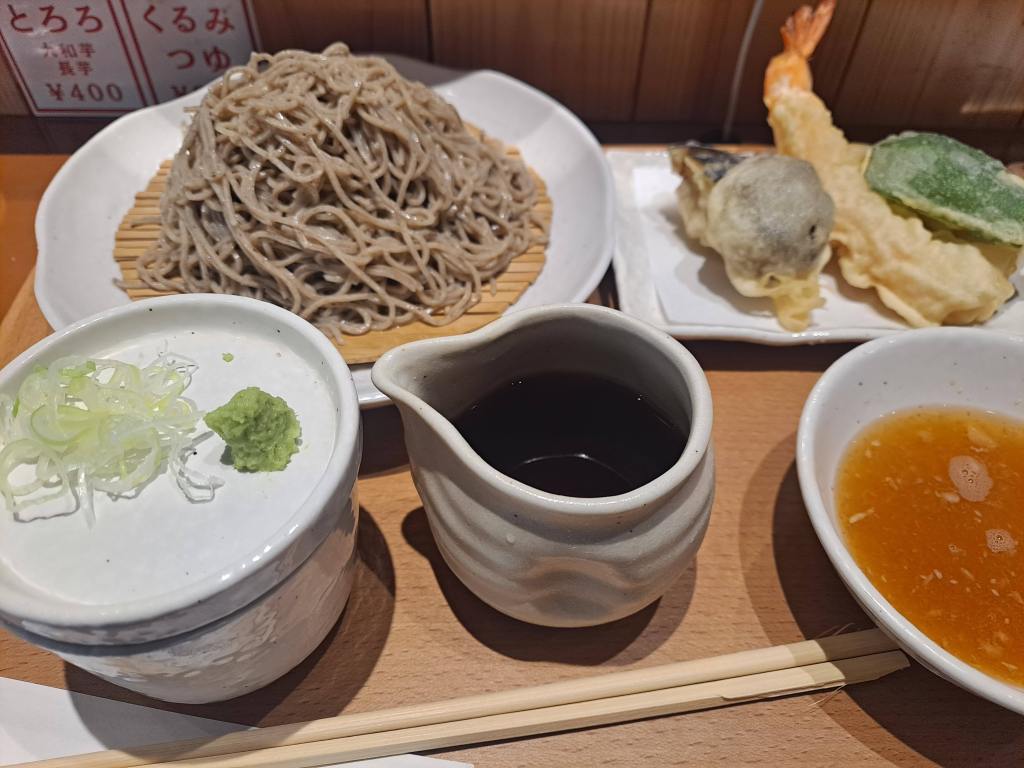
Soba in Nagano
  • Sashimi (plain, no soy sauce or with tamari if available)
  • Salt-only yakitori
  • Plain tofu dishes
  • Shabu-shabu cooked in plain water
  • Rice bowls with clearly listed toppings
  • Rice flour cakes and biscuits
  • Juwari soba 100% buckwheat noodles, with a safe dipping sauce (check the tsuyu, as it often contains wheat-based soy sauce)

More than once I ate somewhere I’m fairly sure the staff had never heard the phrase “gluten-free”, but because I’d listed the actual grains I couldn’t eat, they understood the restriction perfectly and made me something safe from scratch, they even showed me they were using a clean board and knife without me asking.

The principle holds regardless of your restriction. If you can name the specific ingredients you need to avoid, clearly and in writing, Japan’s food culture is remarkably good at working with that.

Tip: Whatever your combination of restrictions, the Essentials Travel Pack builds you a personalised list of naturally safe dishes for Japan — including the swaps that make them work for your specific restrictions.

Convenience Stores Are Designed for Everyday Eating, Not Just Snacks

One of the biggest surprises for Western travellers is how genuinely useful convenience stores (konbini) are. In Japan, these aren’t junk food stops. They’re part of daily life, and they’re stocked accordingly. For me, the konbini was a lifeline on more than one occasion:

  • Onigiri with salt, salmon, or plum fillings (do check labels some fillings contain soy sauce)
  • Boiled eggs
  • Plain fruit and salads without dressing
  • Soy milk
  • Some mochi and packaged snacks (always check, but options exist)
Onigiri from the convenience store

The labelling in konbini is consistent and detailed, which makes it genuinely easier to check ingredients than in many Western supermarkets. If you have a dairy, egg nut or similar allergy rather than gluten sensitivity, the mandatory and recommended allergen lists are printed on packaging, look for the allergen summary section, usually in a bordered box near the ingredients.

This is a significant cultural difference. In the West, convenience stores are often the hardest place to eat safely. In Japan, they’re one of the most reliable.

Japan Values Process, Precision, and Predictability

This is the cultural thread that ties everything together. Japan’s approach to food safety, and allergies specifically is shaped by a broader set of values: respect for process, clarity, and avoiding risk rather than improvising around it. In practice, this means:

  • Staff will check ingredients thoroughly rather than guessing
  • They’ll decline if they’re not certain
  • They won’t improvise a modification they can’t guarantee
  • They’ll take your allergy card seriously and give you a definitive answer

For travellers with dietary restrictions, whatever those restrictions are this creates a sense of trust that’s genuinely rare. Even when the answer is no.

In Japan, No Is a Form of Care

This is the part that Western travellers often misunderstand. When a Japanese restaurant says no, they’re not rejecting you. They’re protecting you. It’s a cultural expression of responsibility, and once you understand that, the whole experience shifts.

I came home from both my trips to Japan wishing more countries worked this way. The clarity, the precision, the willingness to say we can’t do this safely rather than wing it, for someone managing multiple restrictions, it’s the opposite of what you might expect, and exactly what you actually need.

The Takeaway

Japan handles allergies differently because the entire system, from labelling laws to kitchen culture to social norms, is built around clarity, precision, and avoiding harm rather than substitution or flexibility.

For restricted-diet travellers, whatever your combination of restrictions, this means:

  • You’ll get clear answers
  • You’ll avoid guesswork
  • You’ll rely more on naturally safe foods than on modified dishes
  • Your allergy card will be your most useful tool
  • You’ll eat incredibly well with the right preparation

The key is arriving with the right tools: a well-written allergy card that names your specific restrictions clearly, some knowledge of naturally safe dishes, and a backup plan for evenings when the first restaurant says no.

Japan rewards prepared travellers. The good news is that preparation doesn’t require a big budget or a luxury itinerary, it just requires knowing how the system works.

New to travelling with dietary restrictions? Start here.

Travelling with dietary restrictions is one of those things that sounds manageable until you’re actually doing it. You’ve booked the trip, you’re excited, and then somewhere between googling “gluten free restaurants in [destination]” and falling down a Reddit rabbit hole at midnight, the excitement quietly turns into dread.

If that’s where you are right now, this is the right place to start.

A quick note before we get into it: this site is built for people managing more than one restriction at once, gluten free and dairy free, halal and nut allergy, coeliac and lactose intolerant, and every other combination in between. If that’s you, you’ve probably already noticed that most travel advice out there covers one restriction and quietly ignores the rest. We don’t do that here.

The thing nobody tells you

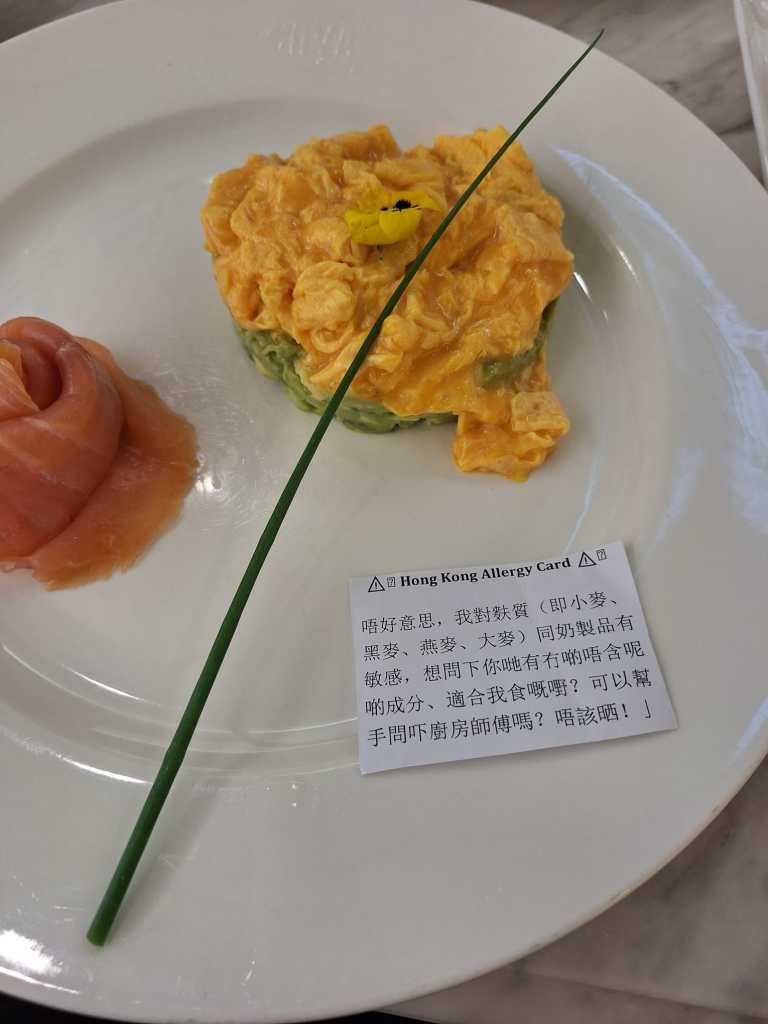
A delicious gluten free dairy free meal in Hong Kong

Travelling with dietary restrictions isn’t harder than travelling without them. It’s just different. It requires a bit more preparation upfront, a bit more communication on the ground, and a slightly different approach to research. Once you’ve got those sorted, and they’re not complicated, the actual travelling part gets a lot easier.

The mistake most people make is trying to research everything from scratch for every trip. You don’t need to. You need a process, a handful of reliable tools, and the confidence to ask a few simple questions. That’s genuinely it.

Where to start

I recommend starting with How to Travel Safely with Food Allergies, Gluten free or other Dietary Restrictions. It is organised by level, so whether;

  • You want to travel, you’re just not sure how to eat safely. Start here with safe travel planning.
  • You travel, but you’ve been burnt before, and want to level up your travel skills so you can eat safely.
  • You know the basics, you want less time researching, more time going further and not missing out.

You’ll find a section with guides and advice to help you achieve your travel goals.

The Complete Travel Planning Guide. Is a seven step process that walks you through everything, how to build a food-friendly itinerary, how to advocate for yourself in restaurants, what to pack, how to handle flights, and how to stay organised once you’re actually on the ground. It’s free, it works for any combination of restrictions, and it was built from years of travelling this way.

Once you’ve got the planning side sorted, the next thing worth having is an allergy card in the local language for wherever you’re headed. Not a vague translation, a card that names your specific restrictions, flags the hidden ingredients to watch for, and is actually usable in a restaurant when you hand it over. You can generate one for free here.

Allergy Card being used in Hong Kong by a Gluten Free Traveller

If you want to go deeper, destination-specific safety ratings, hidden risks, local food vocabulary, safe dishes to look for, and a personalised allergy card all in one place, that’s what the Essentials Travel Pack is for. It’s the tool I wish I’d had when I started travelling this way.

One more thing

The anxiety does ease. Not because the restrictions change, but because you get better at navigating them, and because knowing what to look for and what to ask makes an enormous difference to how a trip actually feels. The first trip is the hardest. After that, it starts to feel like just part of how you travel.

You’ve already done the hardest bit, which is deciding you’re not going to let it stop you. Now let’s get you somewhere worth eating.

Ready to plan your first trip? Start with our start here page, we’ve organised everything by level in one place, ready to bookmark and return to