How to Eat Safely at the Airport with Dietary Restrictions

The last place you want to get sick is on a plane. Airport food can feel like a game of chance when you have dietary restrictions, but with a bit of preparation, it becomes manageable. Whether you’re gluten free, dairy free, nut-free, or managing a combination, the process is largely the same. The options might look different, but the approach holds.

A quick note on expectations before we get into it: airports vary enormously. A large international hub like Singapore Changi or Hong Kong International will have genuine options across multiple terminals. A small regional airport might have a convenience store and a kiosk. Knowing which you’re dealing with, and planning accordingly, is half the battle.

Research before you get there

Don’t leave this to chance at the departure gate. A few minutes of research before you leave the house can save a lot of stress, especially if you’re travelling early morning, late at night, or through a smaller airport where options are limited.

Useful places to look:

  • Find Me Gluten Free lists airports specifically, making it easy to search by terminal. It’s one of the better tools for this.
  • Facebook groups and Reddit communities for your specific restriction often have recent, real-world reports from travellers who’ve been through that airport recently.
  • Google Maps reviews can flag allergy-friendly cafes, though quality varies.
  • The airport’s own website sometimes lists dining options by terminal, which at minimum tells you what’s there even if it doesn’t confirm what’s safe.

I learned this the hard way leaving Calgary a couple of years ago. I’d come from Banff and hadn’t thought to check in advance. When I got to the airport there was nothing suitable open. The bookshop sold snacks, which kept me going while I waited, but it wasn’t exactly a great start to a long-haul flight. A small amount of planning would have fixed it entirely.

One thing worth checking, especially at larger airports: whether the options you’ve found are actually in your terminal, look for a terminal map before you fly on the airport website or similar. Flying out of Japan for the first time, I got excited about a 7-Eleven that came up in my research. It was in a completely different terminal. By the time I’d worked that out, time was tight and I opted for vending machine onigiri that I had to throw away becuase it contained gluten.

What to look for on the day

Once you’re through security, a quick scan of what’s available is worth doing before you commit to anything. Here’s how I think about it;

Naturally safe options

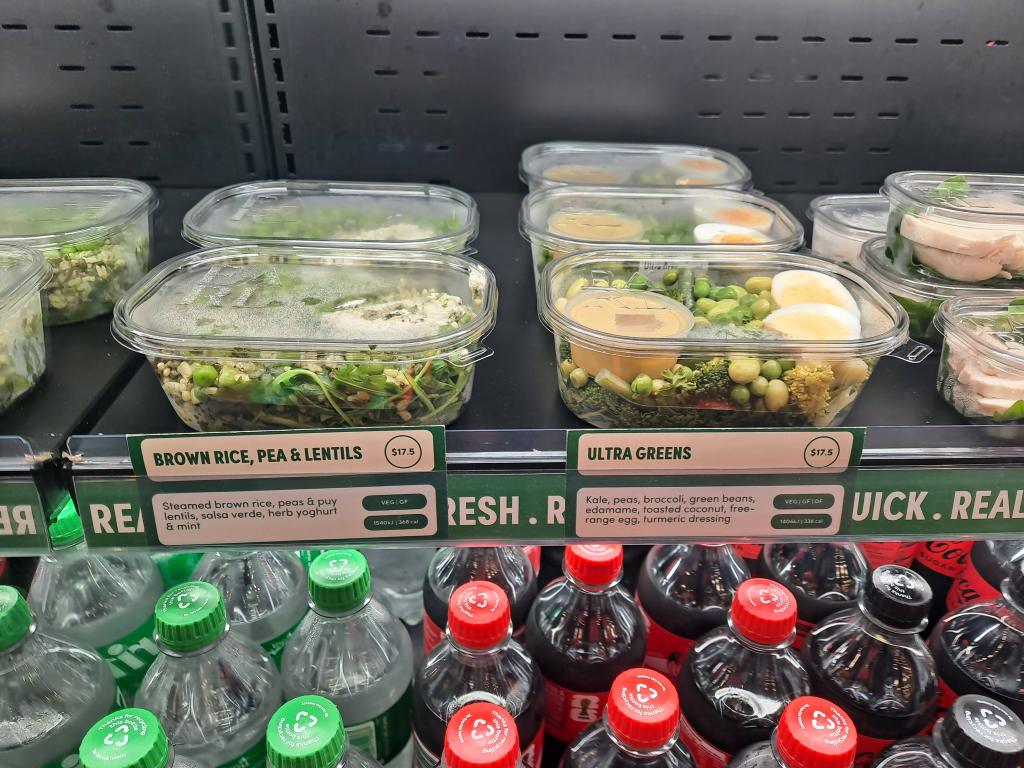
Gluten Free, Dairy Free and Vegan options at Adelaide Airport

Depending on your restrictions, there are often safer bets hiding in plain sight. Nigiri sushi (check for soy sauce), fresh fruit, plain salads, and sealed pre-packaged snacks can all be worth a look. Not glamorous, but reliable

Transiting Hong Kong on a trip earlier this year, there were a couple of options that might have worked for me as someone who’s gluten and dairy free, but I was at the start of a long trip and really wasn’t confident. Fruit and chips at a kiosk to the rescue. Not exciting, but I landed feeling fine, which was all that mattered.

Fast food

Most major fast food chains publish allergen information online and operate with standardised processes, which makes them a reasonable option when you’re stuck. It’s worth a look before you rule them out entirely. Just keep in mind that practices can vary between countries, even within the same chain.

T traveller headed towards a fast food outlet at the airport

Sit-down restaurants

Airport restaurants can work, but they need more caution than you might apply at a dedicated restaurant at home. Cross-contamination is common in high-volume kitchens. If you do eat at one, be specific with staff: name your allergens clearly (say cashews, not tree nuts; say wheat, not just gluten), confirm what the dish contains, and check that safe prep can actually be guaranteed. If you’re coeliac or have a severe allergy, apply the same level of scrutiny you would anywhere else.

Before you eat

A couple of small habits that are worth building into your airport routine;

  • Carry disinfecting wipes and use them before you eat. Wipe down your hands, the tray or table surface, and anything your food is going to come into contact with. It takes thirty seconds and it matters, especially if you’re managing a contact-sensitive allergy.
  • If you’re eating at a food court or grab-and-go counter, keep your food away from shared surfaces where possible and watch for cross-contamination from neighbouring trays or tables.

Bring backup snacks

This is non-negotiable. You should already have snacks for the flight itself (see our guide to special meals and flying for full details on that), but the airport is a separate problem. The last thing you want is to eat your flight snacks before you’ve even boarded because there was nothing suitable in the terminal.

Small airports can have almost nothing for restricted travellers. And even if you’re departing a well-stocked international hub, things happen. Flights get delayed. Weather forces emergency stops. Connections go wrong.

My mum experienced this on a trip back from Fiji. The plane made an unscheduled stop in Tonga due to a mechanical issue. The airport was tiny, options were minimal even for regular travellers, and because of flight changes her special meal request hadn’t transferred. Without snacks, it was a very long few hours in the blazing heat waiting for the situation to resolve. Pack enough to cover unexpected delays, not just the flight itself.

One final note: if you’re carrying snacks through customs, know what you can and can’t declare at your destination. Australia and New Zealand in particular have strict biosecurity rules, and getting caught with undeclared food is not the kind of stress or cost you want at the end of a long trip. When in doubt, eat it before you land, throw it away before security or check the rules in advance.

The airport can surprise you too

It’s worth saying, because airport eating with dietary restrictions isn’t always a story of compromise and contingency plans. On a stopover in Vancouver flying back from Calgary to Auckland, I ended up in the Air Canada lounge as someone’s plus one after a random act of kindness from a fellow passenger. Four hours of waiting turned into wine and a gluten free, dairy free curry with rice. Sometimes the airport genuinely delivers. Plan for the worst, but stay open to the unexpected.

The short version

  • Research your airport and terminal before you leave. Find Me Gluten Free, Facebook groups, and Google Maps are all useful.
  • Check terminal maps carefully. Options in another terminal might as well not exist if you’re short on time.
  • Look for naturally safe options first: fruit, pre-packaged snacks, nigiri, plain salads.
  • Fast food chains publish allergens and can work in a pinch.
  • Apply full restaurant caution if you’re eating at a sit-down place: be specific, name your allergens clearly.
  • Wipe down surfaces before you eat.
  • Pack backup snacks that cover delays, not just the flight.
  • Know what you can carry through customs at your destination.

For everything about the flight itself, including special meal codes, what to do if your meal doesn’t make it on board, and what to pack in your carry-on, head to our guide to special meals and flying.

Image of the Northern Lights

Don’t just survive your trip, thrive

When you’re managing complex dietary needs, travel can be hard, but we’re here to make travel accessible again. We’ve organized our free planning guides, advocacy tips, and safety tools into one clear path. Whether you need a free allergy card or a complete game plan, start here to build your confidence.

How Religious Food Culture Can Work For (and Against) Your Dietary Restrictions

When you travel, understanding local food norms is always useful. What do people actually eat here? What’s considered off-limits? Are restaurants open to modifications, or is the menu the menu? These questions matter for any traveller. But if you’re navigating dietary restrictions, they matter a lot more.

One layer that often gets overlooked is religion. The dominant faith in a country or region shapes what’s served, how food is prepared, and which ingredients are considered everyday staples versus the things nobody touches. That’s not just cultural context, it’s practical information you can use, it shapes entire food industries, from street food vendors to your local Indian restaurant or international fast food chains.

I see this come up online all the time. Someone asks whether Japan is safe for vegans, someone says yes, and then the conversation unravels as more people comment because fish sauce and dashi (a stock made from dried fish) are foundational to Japanese cooking, and many Japanese Buddhists who don’t eat meat still consider fish entirely acceptable. Two people using the word “vegan” can mean completely different things depending on where in the world they are and what shaped that food culture.

That’s what this post is about. Not telling you which religion is “best” for your restrictions, but helping you understand how local religious food customs intersect with what you can and can’t eat, so you can plan more intelligently, ask better questions, and occasionally discover that the food culture you’re stepping into works surprisingly well in your favour.

A few things to note before we get into it. Religious practice varies enormously within any faith, across regions, generations, and individuals. What’s standard in one community may not apply in the next town over. This is a starting point for understanding, not a rulebook. And as with everything, you still need to advocate for yourself and ask questions, use your allergy card, so you can be sure the food you’re being served is suitable for you.

Islam and Halal Food Culture

Islam prohibits pork and alcohol, and requires that meat be slaughtered in a specific way to be considered halal. In Muslim-majority countries and communities, these rules shape menus at every level, from street food stalls to restaurants.

Where this helps you

If you avoid pork, travelling through Muslim-majority countries like Indonesia, Malaysia, Morocco, Turkey, or much of the Middle East removes a lot of the guesswork. Pork simply isn’t on most menus, and you’re unlikely to encounter it as a hidden ingredient in the way you might in, say, Germany or parts of East Asia. Lard, which can sneak into pastries and cooking fats in other parts of the world, is also largely absent.

Gelatine is another hidden ingredient worth knowing about. Most conventional gelatine is pork-derived and appears in unexpected places like sweets, marshmallows, and some medications. In halal food environments, gelatine is either absent or derived from beef or fish, which matters for anyone avoiding pork-derived products.

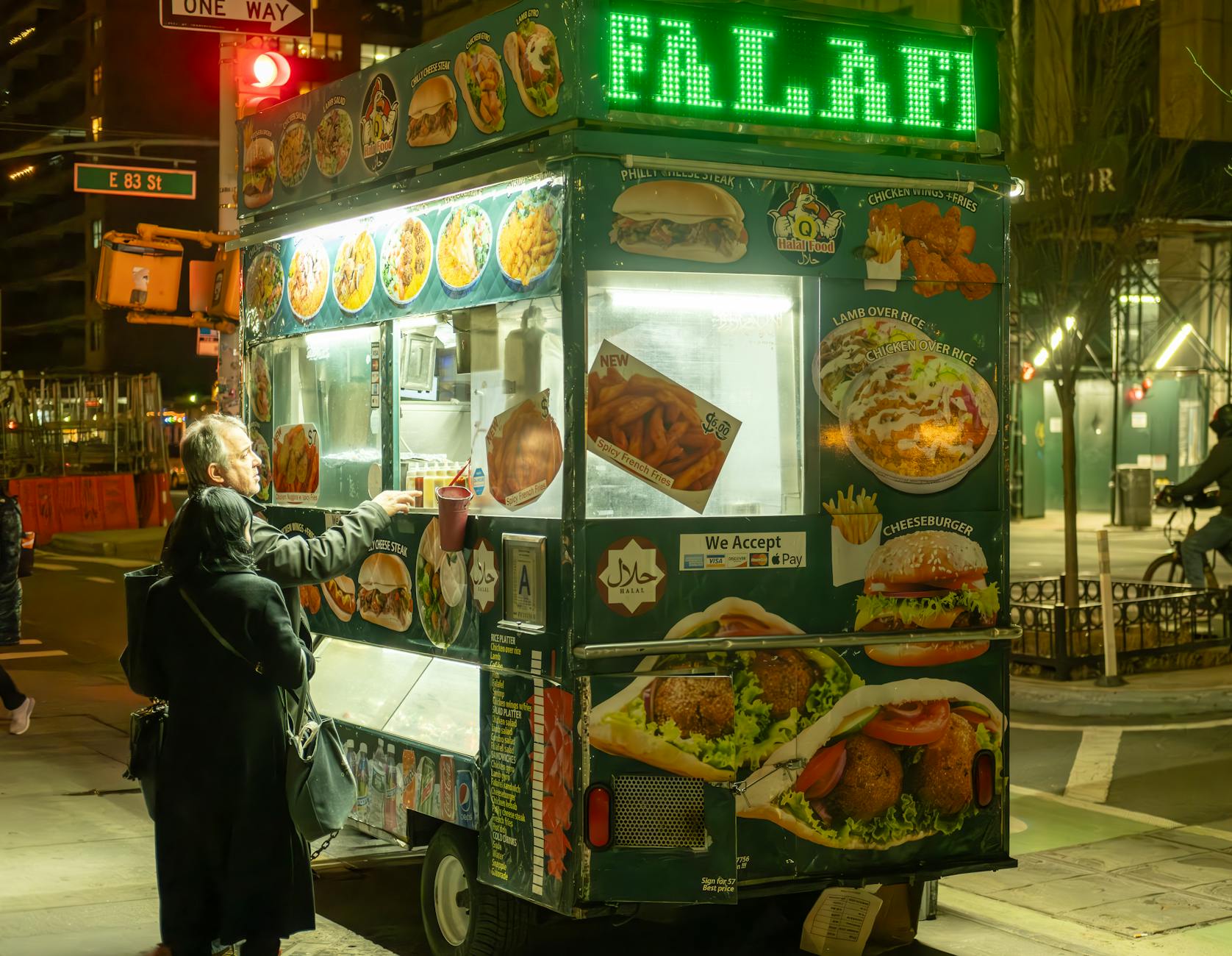
Halal street food in New York

Alcohol restrictions mean that dishes cooked in wine or beer, which can catch gluten-free travellers off guard in European cuisines, are rarely a concern.

Vegetarian and plant-based dishes are common, particularly in street food and home-style cooking, so if you’re avoiding meat for any reason, you’ll generally find options.

Middle Eastern and halal food is pleasantly keto-friendly. Meat is central while dairy features in some regions, bread however is present but not always dominant. So if you are following a keto diet you might be pleasantly surprised.

Where it gets more complicated:

Halal certification covers meat preparation, but it doesn’t speak to cross-contamination with gluten, dairy, or other allergens. A halal kitchen isn’t automatically a safe kitchen for someone with coeliac disease or a nut allergy. Wheat is used extensively across Middle Eastern, South Asian, and North African cuisines, often in ways that aren’t obvious: in sauces, as a thickener, in spice blends. Dairy is also widespread, with yoghurt, cream, and butter appearing regularly.

If you’re gluten-free and dairy-free in a halal-dominant food culture, both foods feature heavily so you will need to ask questions and do your research. Our post on Gluten Free in the Middle East and Africa is a great starting point.

Sesame is a frequent fixture in Middle Eastern cooking, tahini and halva are staples. So cross contamination could be a concern as Halal environments don’t remove sesame.

Judaism and Kosher Food Culture

Kosher dietary laws are detailed and specific. Pork and shellfish are prohibited. Meat and dairy cannot be mixed or eaten at the same meal, and separate utensils and preparation surfaces are required for each. Meat must be slaughtered and prepared in a specific way to be considered kosher.

I came across this unexpectedly while searching for gluten-free options in Singapore. One of the results that kept coming up was Aniba, a kosher restaurant. I wasn’t looking for kosher, I was looking for somewhere my mum could eat safely, but the meat and dairy separation meant it was solving the problem without me even realising it. That’s exactly the kind of overlap this post is about.

Where this helps you

The meat and dairy separation is the most interesting angle for travellers with dietary restrictions, particularly those who are dairy-free. In a strictly kosher restaurant, a meat meal will contain no dairy at all, by law rather than by preference. That means no butter in sauces, no cream in soups, no cheese on top. For dairy-free travellers, a certified kosher restaurant can be one of the safest places to eat in cities with a significant Jewish community, precisely because the rules are structural rather than dependent on a chef’s memory.

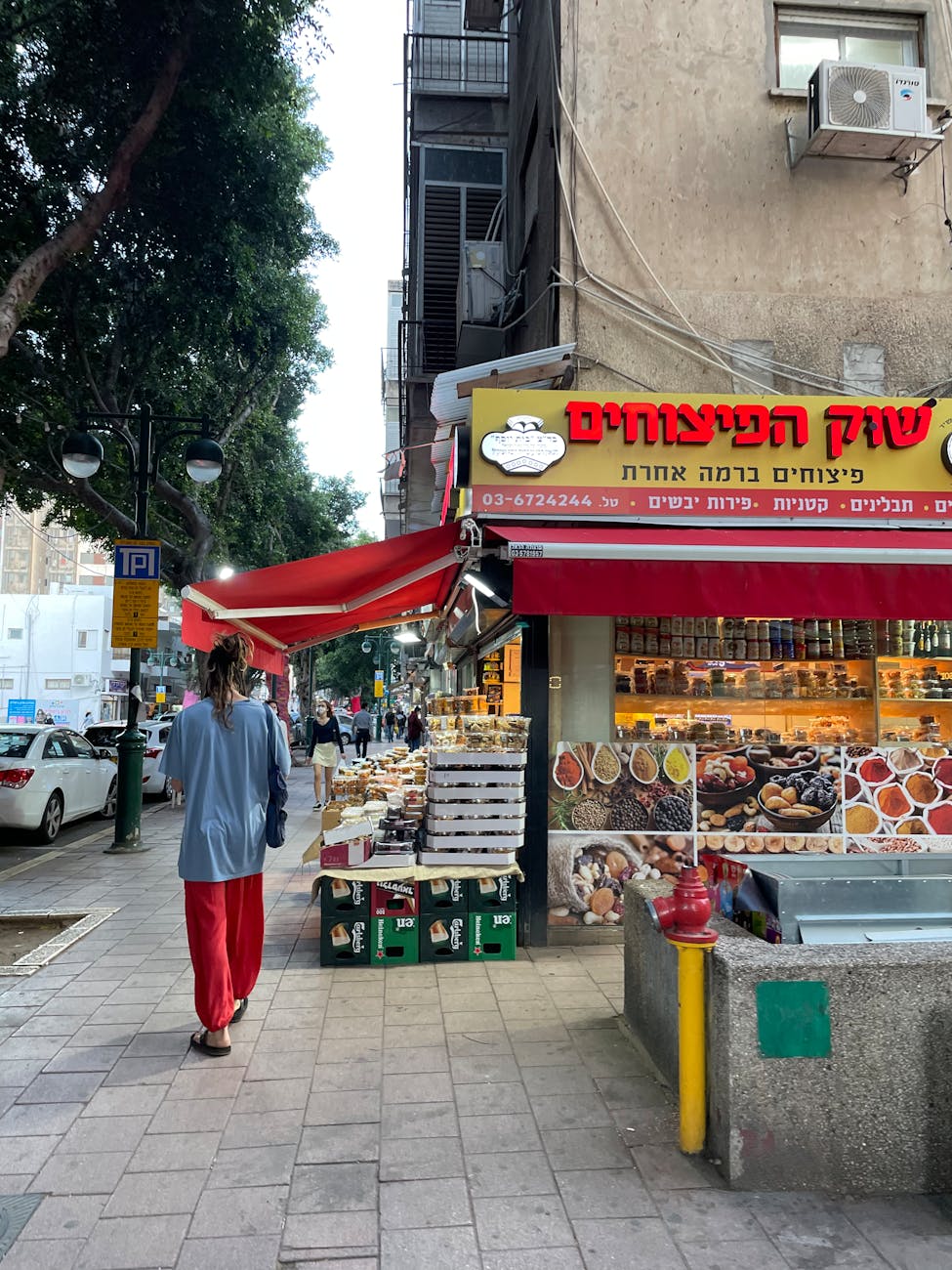
Street market scene in Tel Aviv, Israel

Israel has notably strong allergen labelling culture, partly influenced by the requirements of kosher certification and partly due to broader food regulation. Gluten-free options are widely available, and ingredient transparency tends to be higher than in many other countries.

In cities like New York, Paris, Buenos Aires, and Melbourne, kosher-certified restaurants and delis can be worth knowing about if you’re navigating multiple restrictions, especially a dairy-free and gluten-free combination.

Where it gets more complicated

A dairy meal in a kosher restaurant is the flip side. Dairy-only menus can be heavy on cheese, cream, and butter, so if you’re dairy-free, you need to ask which type of menu you’re looking at before assuming it’s safe.

Kosher certification also doesn’t cover gluten or other common allergens beyond the meat and dairy separation. Wheat is a staple in Jewish baking and cooking traditions, so if you’re gluten-free you will need to ask questions.

Traditional Jewish cooking, particularly in Sephardic and Middle Eastern Jewish communities, features nuts prominently in both savoury dishes and sweets. Halva, nut-based pastries, and almond-heavy desserts are common, so if you’re managing a nut allergy, kosher restaurants and Jewish delis aren’t the straightforward option they might be for dairy-free travellers.

Sesame is extremely common in Jewish cooking. Tahini and halva appears constantly. Kosher environments don’t remove sesame at all and may also be harder to avoid.

Hinduism and Vegetarian Food Culture

Hinduism doesn’t have a single unified dietary code, but a significant proportion of Hindus are vegetarian, and beef is avoided across the faith due to the sacred status of cows. In practice, this shapes food culture across India, Nepal, Bali, and parts of Sri Lanka in ways that are immediately useful for certain travellers.

I learned the flip side of this without leaving home. My Indian colleagues regularly share their lunches, and the food looks and smells incredible. But it also almost always contains ghee or butter, it’s so embedded in the cuisine that it doesn’t always register as a dairy ingredient the way butter or cream does. That holds true whether you’re eating at a colleague’s desk, at an Indian restaurant down the road, or travelling through India itself. Understanding this before you arrive, or before you accept that very generous lunch offer, saves a lot of awkward moments.

Where this helps you

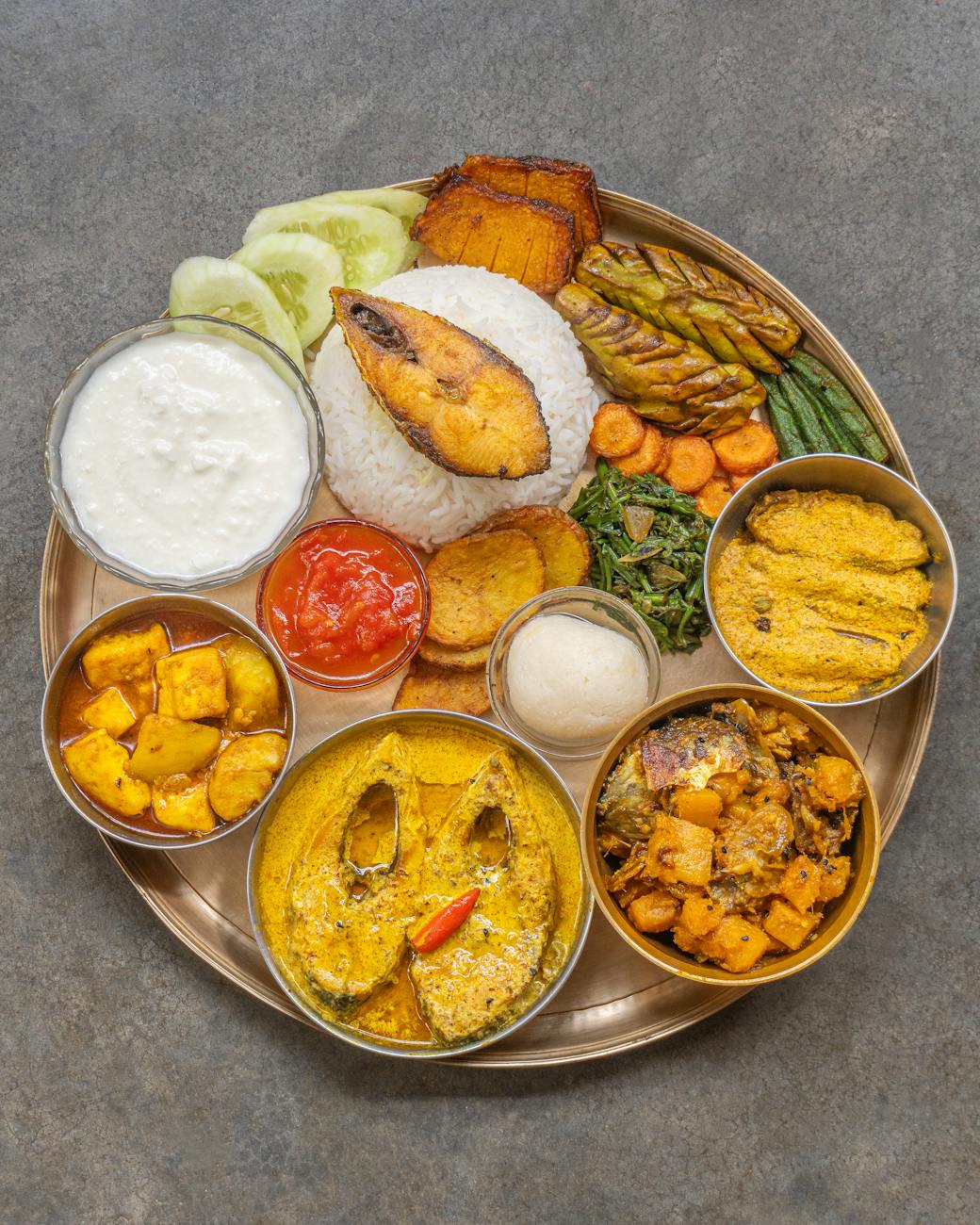
Traditional indian thali with assorted dishes

India has one of the most developed vegetarian food cultures in the world. Meat-free options aren’t an afterthought, they’re often the main event. In many regions, entire restaurants are fully vegetarian, and the variety is extraordinary. If you’re vegetarian, plant-based, or avoiding meat for any reason, India is one of the more straightforward destinations in the world for finding food that works.

Jain communities, which follow an even stricter form of vegetarianism rooted in non-violence (more on this below), have influenced restaurant culture in cities like Mumbai and Ahmedabad to the point where you’ll often see “Jain option available” on menus. These kitchens tend to be extremely careful about cross-contact with meat.

Where it gets more complicated

“Vegetarian” in India almost always includes dairy, and lots of it. Ghee (clarified butter) is used extensively in cooking, often invisibly. It goes into dal, rice dishes, rotis, and curries that don’t look dairy-heavy on the surface. Paneer (a fresh cheese) appears throughout the menu. Yoghurt is used as a marinade, a sauce base, and a condiment. If you’re dairy-free, vegetarian-heavy food cultures can actually be more challenging than they first appear, because dairy is so embedded in the cooking that it’s not always flagged or even noticed.

Eggs are another nuance. “Vegetarian” in India often excludes eggs, but this isn’t universal, and it can vary by region and restaurant. If you avoid eggs, don’t assume they’re excluded just because the menu is labelled vegetarian.

For gluten-free travellers, wheat is everywhere in Indian cooking: in roti, naan, paratha, and many snack foods. Rice-based dishes are safer ground, but sauces and spice blends can contain wheat flour as a thickener.

Buddhism and Vegetarian Food Culture

Buddhist dietary practice varies significantly by tradition and country. In many East and Southeast Asian Buddhist traditions, monks and devout practitioners follow a vegetarian or vegan diet. Some traditions also avoid pungent vegetables, particularly garlic, onion, leeks, chives, and spring onion, which are believed to stimulate the senses in ways considered incompatible with meditation.

If you’re heading to Japan check out Why Japan Handles Food Allergies Differently to the West, it explains Japanese food culture, labelling and more.

Where this helps you

In countries with strong Buddhist food traditions, like Taiwan, South Korea, and parts of China, you’ll find dedicated Buddhist vegetarian restaurants that serve food free from meat, eggs, and often dairy. These can be genuinely useful for people navigating multiple restrictions, because the kitchens are set up around plant-based cooking rather than adapting meat-based dishes on request.

Temple food in Japan, known as shojin ryori, is a beautifully developed vegetarian cuisine with no meat, no fish, and no pungent vegetables. It’s not widely available outside temples and specialist restaurants, but it exists, and it’s worth knowing about. For this same reason people following a low-FODMAP diet may be in luck with temple food, although its still worth checking in advance before booking the stay.

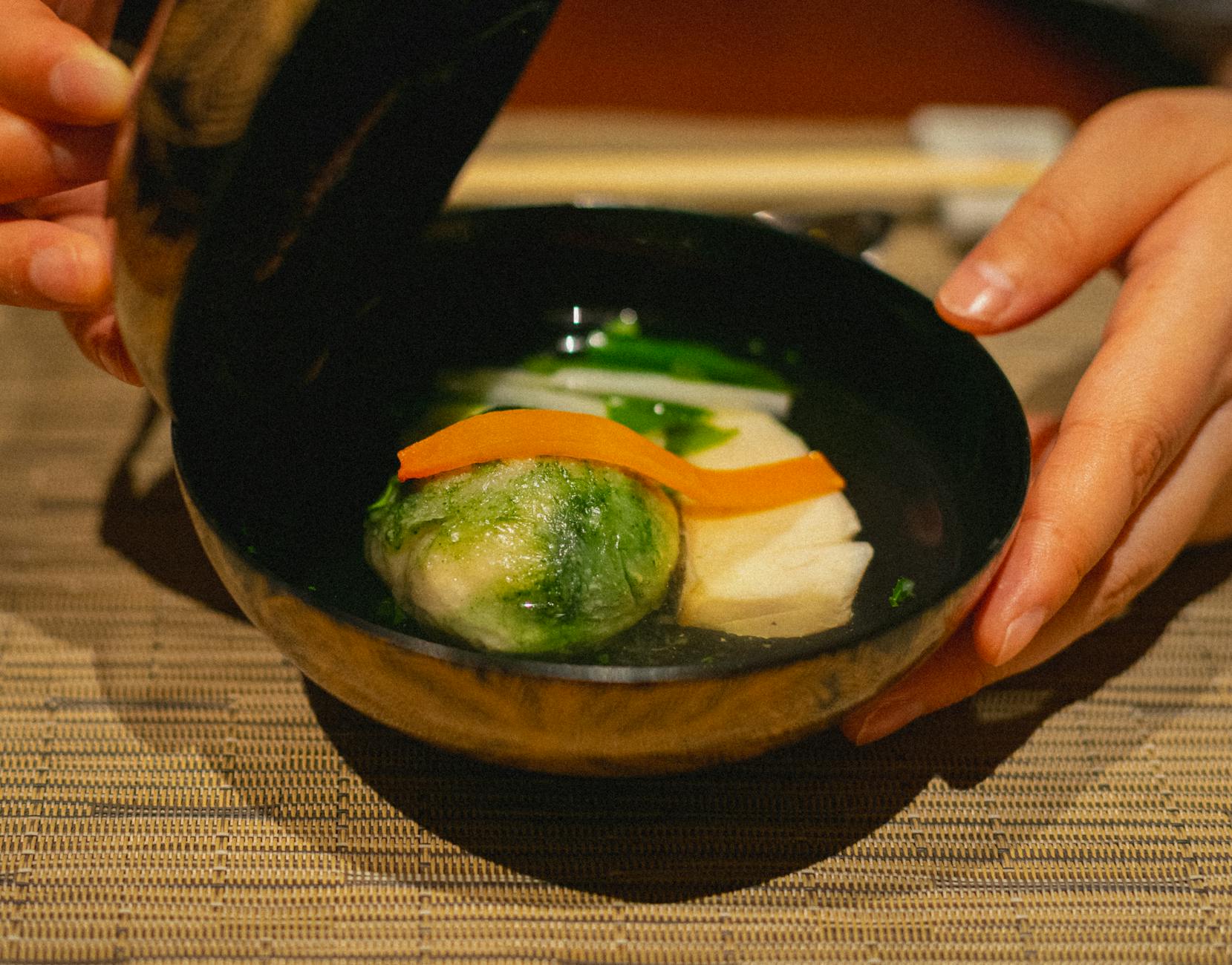
Shojin ryori in Japan

Some Buddhist vegetarian restaurants, particularly in Taiwan and South Korea, also exclude eggs as well as meat and dairy, making them worth investigating if you’re managing an egg allergy or intolerance. However this isn’t universal across Buddhist practice, so it needs confirming rather than assuming.

Where it gets more complicated

This is where the Japan vegan question I mentioned at the start becomes real. Japanese Buddhism doesn’t uniformly exclude fish. Dashi, the stock that forms the base of enormous amounts of Japanese cooking, is typically made from kombu (seaweed) and katsuobushi (dried bonito, which is fish). Miso soup, many sauces, and seemingly simple dishes often contain dashi. A Japanese cook who considers themselves Buddhist and doesn’t eat meat may still use fish-based stock without a second thought, because that’s how Japanese food works.

The same applies across Southeast Asia. Fish sauce is foundational to Thai, Vietnamese, and Cambodian cooking. Oyster sauce is common in Chinese-influenced cuisines. A restaurant that describes itself as vegetarian in Bangkok may use fish sauce as a base flavour and simply not consider it “meat.” If you’re avoiding fish and seafood, Buddhist food culture requires careful clarification, not assumption.

For gluten-free travellers, soy sauce (which typically contains wheat) appears constantly in East and Southeast Asian cooking. Tamari is the gluten-free alternative, but it’s not the default, and you need to ask specifically, if not bring your own. And if you’re looking for a gluten free temple stay they do exist but it’s not the default. An interesting complication a recent traveller to Vietnam mentioned was that she found chicken stock containing gluten to be much more common than she expected. The hidden ingredients are often the ones we need to ask about.

For travellers with a sesame allergy sesame oil and gomashio appear frequently and it’s either harder to avoid or you need to be aware that cross contamination is a possibility.

Meanwhile if you have a soy allergy, soy sauce, tofu, miso, and edamame are foundational ingredients and makes Buddhism a riskier choice.

Jainism and Strict Vegetarianism

Jainism is a minority religion practised primarily in India, with the largest communities in Gujarat, Rajasthan, and Mumbai. Its dietary rules are among the strictest of any faith tradition. Jains avoid all meat, fish, eggs, and root vegetables (because harvesting them kills the whole plant), including potatoes, onions, garlic, carrots, and beetroot. Many Jains also avoid eating after sunset.

Where this helps you

For people who are vegan or strictly plant-based, Jain restaurants and Jain-influenced kitchens are worth knowing about. The prohibition on meat is absolute and deeply held, which means cross-contact with meat is taken seriously in a way that goes beyond a simple menu preference.

Jain food culture has also pushed Indian restaurant culture toward more transparent ingredient communication in areas where Jain communities are large. The “Jain option” you’ll see on menus in Mumbai or Ahmedabad typically means no onion, no garlic, and no root vegetables, and it’s prepared separately.

Eggs are also excluded from Jain practice, on the basis that they represent potential life. For people managing an egg allergy, that’s a significant practical benefit. Egg tends to hide in batters, sauces, and baked goods in ways that are hard to spot, and most kitchens use it without thinking. A Jain kitchen doesn’t use it at all, which removes a layer of guesswork that egg-allergy travellers deal with constantly.

One less obvious group who benefit from Jain kitchens: people following a low-FODMAP diet. Onion, garlic, and spring onion are often the most common FODMAP triggers and the hardest to avoid when eating out, because they’re invisible in sauces and bases. In a Jain kitchen they’re simply not there, structurally rather than on request. It’s not a complete low-FODMAP solution, other triggers may still be present, but it’s a useful overlap worth being aware of.

Where it gets more complicated

Dairy is not excluded from Jain practice, and in fact features prominently, for the same reasons mentioned above in the Hinduism and Vegetarian Food Culture section. Ghee, milk, and yoghurt are all acceptable, so dairy-free travellers can’t assume a Jain kitchen is safe without asking.

The exclusion of root vegetables also means that some dishes adapted for Jain practice lose the aromatics that other versions rely on. That’s not a safety issue, but it can mean the food tastes quite different from what you might expect.

Christianity and Western Food Culture

Most Christian traditions don’t maintain strict ongoing dietary laws. Some observe Lent (the period before Easter), during which certain Christians avoid meat on Fridays, and some fast on specific days. Beyond that, food is largely unrestricted by faith.

What this means in practice

In countries where Christianity is the dominant religion, food culture is shaped by geography, history, and local agriculture more than by religious dietary rules. European food cultures vary enormously: some are dairy-heavy, some are wheat-heavy, some centre around pork. There’s no overarching Christian food framework that helps or hinders travellers with dietary restrictions.

Where it does occasionally matter: Christian countries may have some or all restaurants closed on Christmas Day or Easter Sunday, which is worth knowing for practical planning rather than dietary reasons.

Using This Knowledge Practically

Understanding the religious food culture of a destination isn’t about finding a loophole or assuming a place is automatically safe because of the dominant faith. It’s about going in with better context so you can ask smarter questions and know what to look for. A few things worth keeping in mind;

  • Religious restaurants can be unexpected allies. A certified kosher restaurant is structurally dairy-free. A Jain restaurant won’t have meat cross-contact. A Buddhist vegetarian restaurant in Taiwan is often set up for plant-based eating in a way that a regular restaurant adapting to your request simply isn’t. These aren’t perfect solutions for every restriction combination, but they’re worth knowing exist.
  • “Safe” within a religious framework and “safe” for your restriction are different things. Halal food isn’t gluten-free. Vegetarian food isn’t dairy-free. Kosher food isn’t allergen-free beyond the meat and dairy separation. Religious food standards answer specific questions, not yours, unless yours happen to overlap.
  • Ask about the base, not just the main ingredient. Fish sauce, dashi, ghee, and lard are the invisible ingredients that catch people out. Understanding which fats and stocks are typical in a food culture helps you know what to ask about, even when the menu doesn’t mention them.
  • Your allergy card still matters. Religious food culture gives you context and helps you narrow down where to eat, but clear, specific communication about your restrictions remains essential. A card that goes beyond “I’m vegan” or “I’m gluten-free” to explain what you actually can’t eat and why cross-contact matters is still your most reliable tool in any food culture, religious or otherwise. Get your card here
  • This works at home too, not just on the road. Choosing a cuisine for dinner out, picking a takeaway, navigating a work lunch, or figuring out which restaurants are worth attempting on a Friday night, all of this becomes easier when you understand which food cultures are more naturally aligned with your restrictions. A dairy-free person who knows that halal restaurants are largely butter and cream-free has more options at a casual work lunch than they might think. A vegetarian who understands that Indian restaurants in their city will almost certainly have extensive meat-free menus can stop defaulting to the same three places. The knowledge travels with you, literally and otherwise.

As someone who is gluten and dairy free many gluten free recommendations don’t work, because of the inclusion of dairy. Recently I was in Kanazawa, Japan. I was craving something sweet and there is a crepe shop everyone recommends but guess what it was gluten free sure, but not dairy free. So for me personally the knowledge that jewish food is often naturally dairy free opens doors and eliminates the need to have as many backup dining options when travelling. For the same reason knowing many Indian options contain butter or ghee means if that is the safe option in a location, such as in Tokyo recently I need backup options.

Food shouldn’t be the hardest part of your trip, and we all want to arrive somewhere, whether that’s a new country or a new restaurant, informed rather than blindly optimistic or unnecessarily anxious. Religious food culture is one more layer of understanding that helps you make better decisions, find better options, and eat with more confidence, whatever your combination of restrictions.

FAQ

Is halal food safe for people with a gluten intolerance or coeliac disease?

Can I eat at a kosher restaurant if I’m not Jewish

Is Indian food safe for vegans?

What is shojin ryori?

Image of the Northern Lights

Don’t just survive your trip, thrive

When you’re managing complex dietary needs, travel can be hard, but we’re here to make travel accessible again. We’ve organized our free planning guides, advocacy tips, and safety tools into one clear path. Whether you need a free allergy card or a complete game plan, start here to build your confidence.

You Don’t Need a Luxury Budget to Eat Safely with Dietary Restrictions

Here’s something that happens to travellers with dietary restrictions at least once. You search for safe places to eat somewhere new, and a list or instagram posts comes back that actually looks promising. You click through, you get excited, and then you see the prices. And then, the real tell; those reviewers list the hotels they recommend, and it all makes sense. High end international brands, concierge, someone else to help with the hard parts.

I’m not against this approach, if it helps you travel safely and have a great time with less stress do it. But eating safely with dietary restrictions, whether that’s gluten free, dairy free, nut free, halal, vegan, or any combination, doesn’t require a luxury budget. But it requires a different approach.

Ideally plan your trip around a destination that works for your budget and dietary restrictions. I’m going snowboarding again after Christmas and was hoping to go to Italy, had a few options planned. With what’s happening in the Middle East (key transit hub from New Zealand) and the higher costs in Europe, I’m now going back to Japan but heading north and will go to Europe at a later date. Lets face it, that’s not always an option though. Sometimes our destination isn’t as flexible.

These tips work whether you’re managing one restriction or several. They draw on my experience as a backpacker around Europe and North America a few years back but tailored to our needs. They do rely on a level of comfort with reading labels, using allergy cards and translation apps as well as advocating for yourself. If you’d like to build confidence in those areas first, start here: Allergy Cards vs. Translation Apps, what to use and when to switch and also check out How to build food advocacy skills

Eat where the locals eat

Tourist-facing restaurants charge tourist prices, and they’re often the places most likely to rely on pre-made sauces, shared fryers, and vague “gluten-friendly” claims. Local spots tend to be cheaper, fresher, and often more transparent about what’s actually in the food; especially if you can ask.

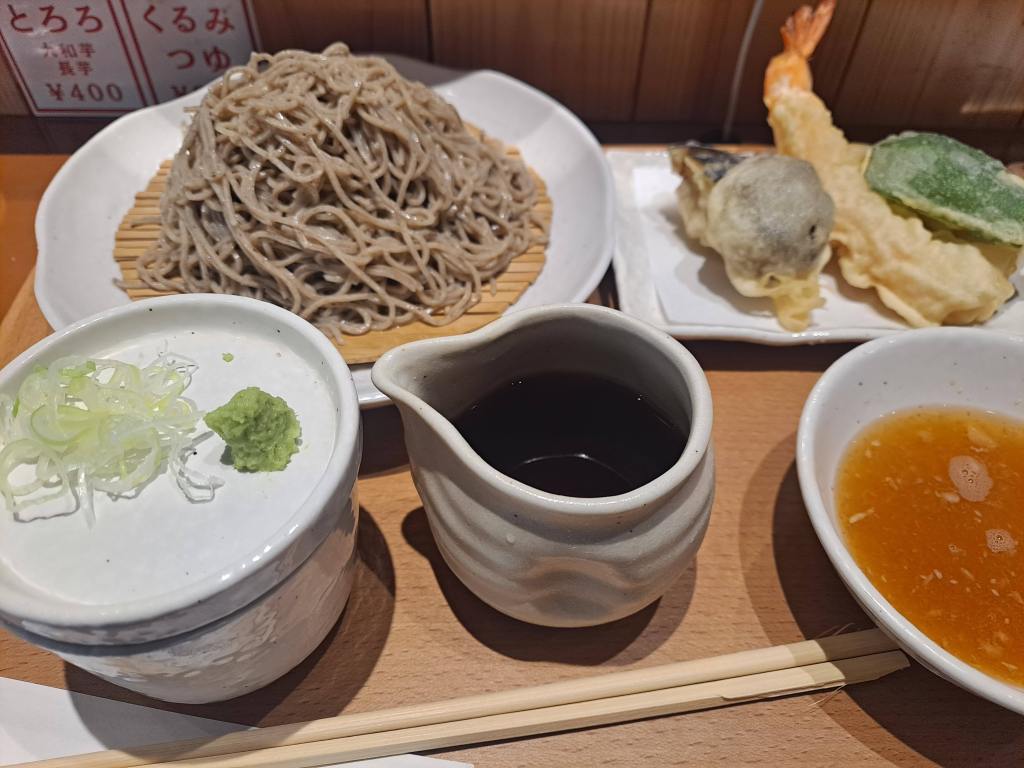
If the language or menu feels daunting, timing helps. Go slightly off-peak: after the lunch rush, before dinner service kicks in. Staff have more time, the kitchen is less chaotic, and you’re more likely to get a real answer to a real question. When I was in Nagano, going after the lunch rush meant the staff actually had time to walk me through how the soba was prepared and to answer questions I hadn’t even thought to ask. Such as how to drink the left over dipping sauce.

Soba in Nagano

Think naturally safe, not dedicated safe

Dedicated gluten free or allergy-friendly restaurants exist on a spectrum, some are excellent, some charge a premium for mediocre food, and many aren’t in the budget bracket anyway. But naturally safe food exists everywhere, often cheaply.

Think meat, seafood, tofu, vegetables, rice, potatoes; Dishes built around whole ingredients rather than sauces and coatings. This is where multi-restriction travellers often have an advantage over people looking for western-style alternatives, you’re already scanning for ingredients rather than labels.

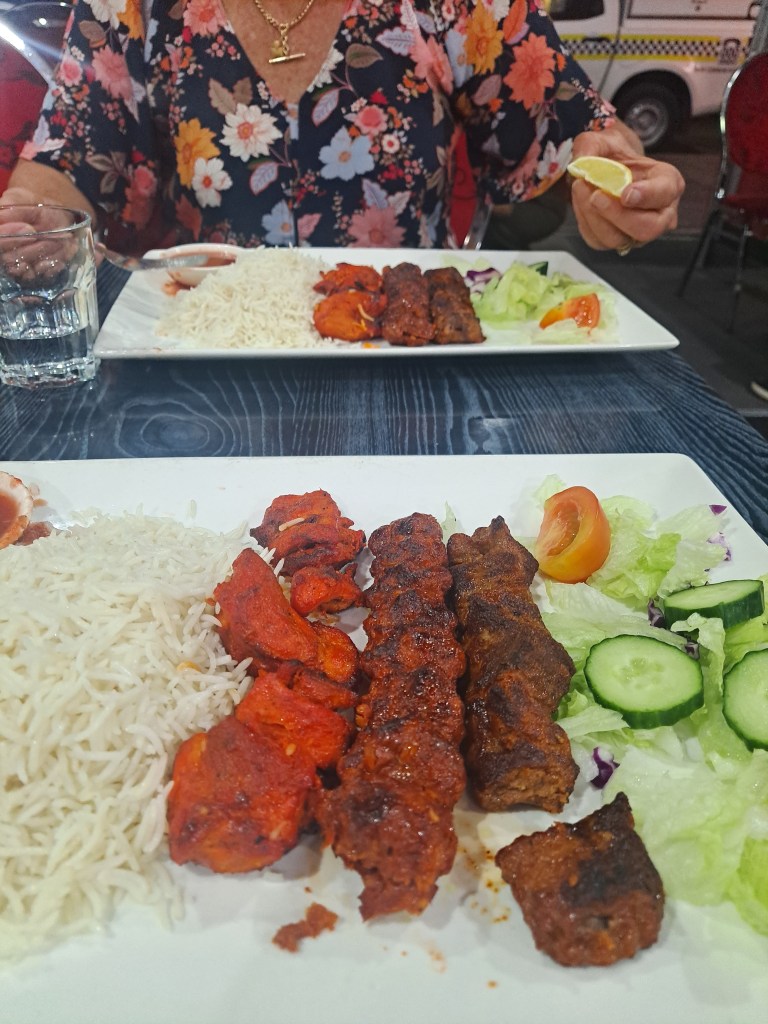
Gluten Free, Dairy Free Afghani food in Adelaide, Australia

My mum and I found this worked brilliantly in Adelaide. We weren’t hunting for dedicated gluten free venues. We were eating Afghani kebabs, Greek pita, Mexican fajitas; dishes that were naturally safe for both of us, often cheaper than the “safe” spots recommended online, and genuinely great food.

Make lunch your main meal

Dinner prices at many restaurants, particularly in tourist areas can be significantly higher than the exact same food served at lunch. Where lunch specials exist, they’re worth seeking out. You eat well, spend less, and often have more flexibility because it’s quieter.

Cook some of your own meals

Even partial self-catering makes a real difference, both financially and in terms of reducing the daily mental load of navigating restrictions.

Book accommodation with at least a fridge and kettle if you can, even hotels often have this. A microwave opens up more options. Full kitchens in apartments, guesthouses, and hostels are even better.

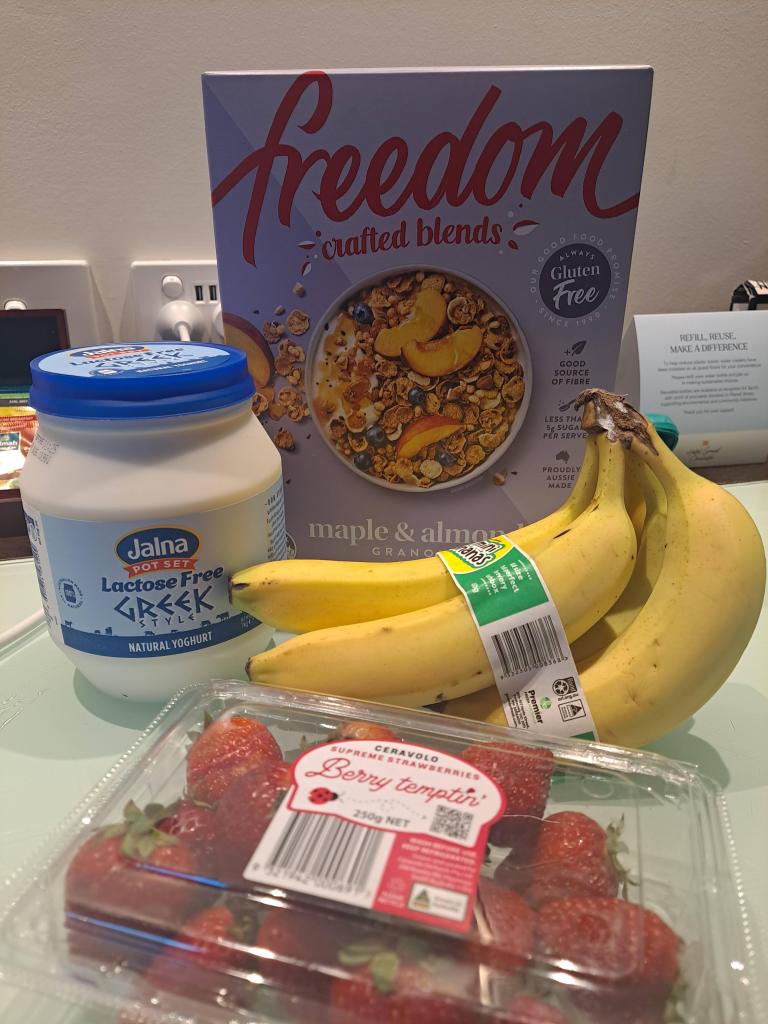
GF DF Breakfast from WW in Adelaide recently

Before you travel, look up the major local supermarkets online so you know what products and brands to look for when you arrive. I almost always do this, a quick google search usually brings up the online shop and the dietary filters helps me recognise potentially safe options ahead of time. Hint: Take some screenshots and save in a google drive (or similar) folder.

Bring a reusable water bottle, a set of utensils, a container or bowl, and a few zip-lock bags. If crumbs in shared toasters are a problem for you, toaster bags are worth packing. Having breakfast in your room, or at minimum, a snack in your bag takes pressure off finding every single meal of the day.

Keep drinking to a minimum

Alcohol in bars and restaurants is often one of the biggest budget drains when travelling. It’s also worth noting from a restriction perspective: the decisions you make after a few drinks are rarely the ones you’d make sober. Sneaky sources of cross-contamination tend to slip through more easily when you’re not reading ingredients as carefully as you normally would.

Always have a backup

This matters more than people realise. In Japan, many local restaurants are very small, a wait is common, may be booked out, or simply can’t accommodate your combination of restrictions. In Hong Kong, some of the places that look incredible on paper are Michelin starred and often outside my budget. In Paris or Roma, that gluten free bakery you’ve been looking forward to might also be full of dairy.

Know what your backup is before you need it. A nearby convenience store, a supermarket, a dish you’ve already scoped out. Having a plan B is not being pessimistic, it’s just good travel with restrictions.

A note on upcharges

A gluten free or allergy-modified meal should carry a small upcharge when there’s a genuine cost involved, a different base, extra care in preparation. That’s fair. But a large premium just for existing as a multi-restriction traveller is not something you should feel obligated to pay, and the good news is: with the right approach, you usually don’t have to.

Take the guesswork out of communicating your restrictions

One of the most practical things you can do before any trip is have a clear, accurate card explaining your restrictions in the local language, something you can hand over at a restaurant, market, or convenience store without the pressure of trying to explain it on the fly.

If you found this post useful check out the Start Here guide (link below), all the key posts are organised by stage so that food isn’t the hardest part of your trip.

Image of the Northern Lights

Don’t just survive your trip, thrive

When you’re managing complex dietary needs, travel can be hard, but we’re here to make travel accessible again. We’ve organized our free planning guides, advocacy tips, and safety tools into one clear path. Whether you need a free allergy card or a complete game plan, start here to build your confidence.

Gluten and Dairy Free Travel in Adelaide: What You Can Actually Eat

Adelaide doesn’t always get the credit it deserves as a destination, let alone for its food. It may not be your first choice of destinations but after spending a week there it really should be. Often overshadowed by Melbourne and Sydney, it’s the world’s first and only city within a park, surrounded by a ring of parklands more than twice the size of New York’s Central Park. Designed to be one mile square, it’s remarkably walkable and compact, which matters when you’re navigating food on foot. For gluten free and dairy free travellers, the food is fantastic, incredible variety and caters to all tastes.

This guide comes from my recent birthday trip with my mum, both of us gluten and dairy free, so being able to eat off someone else’s plate was a novelty I took advantage of. I’ve done the research, walked the streets, gone on day trips, and eaten my way through so you don’t have to spend your trip with five browser tabs open.

It says something about the options available when there were so many good ones that I never made it to the Coeliac Australia approved venues I’d originally planned to visit. If I’ve sparked your interest, here’s how to have a delicious gluten and dairy free break in Adelaide.

What You’ll Learn in This Guide

  • Gluten Free, Dairy Free Labelling and Menu Information in Australia
  • Safe gluten-free, dairy free dishes, what to look forward to
  • Some mouth watering dining and grocery options in key locations
  • Our favourite tips for local day trips

Gluten Free, Dairy Free Labelling and Menu Information

Like New Zealand Australia has some of the strictest gluten free labelling laws in the world, and that works in our favour. Under Australian food law, a product labelled “gluten free” must contain no detectable gluten. This is a zero tolerance standard, stricter than what you may have at home. This means that when you see “gluten free” on a label in an Australian supermarket, it genuinely means what it says.

Allergens must also be declared clearly on all packaged foods, wheat, rye, barley, and oats as well as milk are all required to be listed, which makes label reading significantly easier than in many other countries. FSANZ has the full list of the Foods and ingredients to be declared and the wording used

On some labels you might see may contain or may be present to indicate the possible unintended presence of allergens. These are voluntary statements made by food suppliers, just because one label has it and the other does not doesn’t make the label without them safer.

What about the Oats?

Heads up, internationally, there are different approaches to the place of oats in the gluten-free diet. In Australia and New Zealand oats cannot be labelled ‘gluten free’. Coeliac Australia has a whole page on Oats. This may mean that some of your favourite snacks you would assume were sold here are not available, but don’t worry try some of the great local alternatives we’ve listen further down.

A note on eating out and avoiding cross contamination

The above labelling laws apply to packaged products, not restaurant meals. When eating out, the same rules apply as anywhere, ask about preparation methods, shared fryers, shared water, and cross contamination. Adelaide restaurants are generally excellent, but it pays to ask and tip say you are coeliac not just gluten free so staff are aware it is not a preference.

One night, mum and I were out we were at a mexican restaurant, the waitress was lovely, answered all my questions, let the chef know, did everything right. I still had that feeling that it wasn’t 100%, you know the one. but no, completely safe and delicious. Never been more happy to be wrong.

Important local menu/package words or phrases

  • Contains gluten — Mandatory allergen statement under FSANZ.
  • May contain — Advisory for cross-contact risk but note it is voluntary so it not being on a label doesn’t mean no cross-contact risk.
  • Common menu shorthand – Gluten Free (GF), Dairy Free (DF), Vegetarian (V) and Vegan (VG)

Typically Gluten and Dairy Free Dishes

I really love dishes and drinks that are naturally gluten- and dairy-free, ideally with minimal adjustments (just check for cross contamination). The below options are great for that. Alongside the options we’ve listed why. This isn’t exhaustive its some of our favourites.

  • Grilled meats with salad – Simple ingredients and easy swaps.
  • Rice bowls and poke – Naturally gluten free bases and sauces adjustable.
  • Vietnamese rice paper rolls – Rice wrappers and fresh fillings.
  • Sushi or sashimi without soy – Fish and rice are naturally safe.
  • Cafés with GF bread– Clear labeling and dairy alternatives.

Must-Try Dishes with Safety Tips

Adelaide definitely has some dishes you’ll want to try when you get here and good news you don’t need to miss out if you’re gluten and dairy free. Here’s some local favourites and what to watch out for.

Wine tasting at Haselgrove wines in the McLaren Vale region
Dish / ItemWhy It’s SpecialNotes for Safety
Coffin Bay oystersIconic SA seafood, ultra-fresh.Order natural or with GF, dairy-free dressing.
Kangaroo filletLean, uniquely Australian protein.Request no butter and GF sauce.
OctopusPopular on Greek-influenced menus.Confirm GF marinade and dairy-free finish.
McLaren Vale GrenacheAn earthy, fruit-forward, and beautifully food friendly wine. Check if the wine has been fined or filtered with milk.
Flat WhiteAdelaide café culture is excellent.Choose almond or another alternative milk.

Tips for Eating Gluten & Dairy Free in Adelaide

  • The Duke of Brunswick, Port Admiral and Gluten’s FREED are your safety nets and Coeliac Australia accredited, if you’re unsure about a venue and need a guaranteed safe meal, head to one of these.
  • Adelaide’s café scene is generally very allergy-aware. Most will have GF bread available on request, but ask about cross-contamination.
  • Dairy free is generally well understood but less of a focus than GF, so always confirm individual dishes, especially sauces and dressings.
  • Download the Find Me Gluten Free app before you go, it’s fantastic for discovering spots you haven’t pre-researched.
  • The Adelaide Farmers Market (Showgrounds, Sunday mornings) has dedicated GF stalls including Just Gluten Free bakery, worth a visit if you’re there on a Sunday.

Delicious Gluten-Free and Dairy Free Dining Options

Paella in Adeliade at Cumbia Bar Kitchen

Below you’ll find a range of spots from places I have personally eaten at (marked with an *) to places others recommend that I would consider, if open and not too busy.

What are my standards for gluten free? I’m not coeliac (not tested) but I react to crumbs in a toaster, so avoid cross contamination and as such shared fryers, toasters, shared water for noodles etc. I am lactose free, although avoid all dairy when eating out. Note: If I haven’t been some of the options may not be dairy free, but if I have it’s Dairy Free and Gluten Free unless noted.

Coeliac Australia Accredited Venues

Adelaide has something rare in the Australian dining scene: multiple Coeliac Australia accredited venues, including two fully dedicated 100% gluten free kitchens under the same ownership.

  • The Duke of Brunswick Hotel: South Australia’s first independently owned hotel accredited by Coeliac Australia and the winner of the AHA National Award for All Abilities Hotel 2024. The entire kitchen is GF, no cross-contamination risk, no awkward questions. If you’re after pub classics, schnitzel, fish and chips, burgers, pizza, plus one of the widest selections of GF beer in South Australia this is the spot. While it is entirely gluten free it’s not dairy free so do check the menu and ask questions if you’re dairy free or have other restrictions.
  • Port Admiral Hotel – Port Adelaide itself is worth exploring, heritage buildings, the Maritime Museum, galleries. Pair lunch at this 100% gluten free kitchen, Coeliac Australia accredited with an afternoon walk. It’s the sister venue to the Duke of Brunswick, so has the same inclusive philosophy, community pub vibe. While it is entirely gluten free it’s not dairy free so do check the menu and ask questions if you’re dairy free or have other restrictions.
  • Gluten’s FREED – This gluten free AND nut free bakery also caters to those who have other well-known dietary allergies. Note you must order online and click and collect or get delivery, they don’t have a walk in shop.

Dedicated Gluten Free Bakeries

Beyond the accredited venues, Adelaide has a selection of dedicated GF bakeries worth checking out.

  • Food For You Especially – This 100% gluten free bakery. has a range of Bread, pastries, slices, savoury options, its one of the most established dedicated GF bakeries in Adelaide.
  • Gluten Free 4U – This bakery has a range of baked goods that are not only gluten free but also cater to many other dietary restrictions, worth checking out.

Adelaide CBD

  • Afghan Charcoal Kebab House* – Well worth a visit, this unassuming spot serves up food so delicious you could taste the flavours for a while afterwards. We both had the mixed kebab on rice with three skewers and salad. Lamb, chicken and lamb mince.
  • Botanic Lodge* – Tucked away in the Botanic Gardens this spot serves up delicious food. We shared the lamb sausage with roasted onion and beetroot and it was delicious.
  • Cumbia Bar Kitchen* – Right in the Adelaide Central Market this restaurant clearly labels the menu and were able to make the paella gluten and dairy free, and it was delicious. Mum and I shared one for lunch and had a sangria each.
  • Dino’s Greek* – From the dedicated fryer, to the most delicious gluten free pita that they are justifiably proud of this place is a gem. They answered all our questions about eating there and were even able to have a joke about it when they put the food down. We had a glass of rose and a Greek Chicken or Greek Lamb Pita with the tzatziki swapped out for hummus and chips, it was delicious.
  • Grill’d Burgers* – A healthy burger chain serving up delicious burger and fries. Staff know the ingredients and can cater to gluten and dairy free no problem. We each had the Summer Sunset Burger and shared some chips.
  • Hecho En Mexico Adelaide* – We had fajitas (one pork and one chicken) with no mint cream or cheese. We asked questions about the hot plate, found they used butter so asked if they can swap to oil which they did, this was the one spot I was nervous about but had no reason to be, it was delicious and safe.
  • Likuid Espresso* – This cafe near the train station is great value and always has a few people dining. We each had scrambled eggs on gf toast, they knew what was in the food and made sure it was safe, omitting the milk from the scrambled eggs.
  • Sit Lo* – This casual Vietnamese eatery caters to gluten and dairy free diners with rice or vermicelli bowls. Suitable options are marked GF and staff know their ingredients. We had a roast pork with rice and grilled chicken with vermicelli and share some steamed greens.
  • Sushi Hub* – Right on Rundle Mall, One staff member knew the ingredients but the staff member serving us was unsure so ask questions. We had the salmon and tuna nigiri. They did have gluten free soy sauce.

We never made it to the fine dining end of things, not because it wasn’t tempting, but because there were so many excellent options at every other level that we simply ran out of meals.

Got a day trip planned?

Adelaide is brilliant as a base for day trips, and the good news is that the food-friendly attitude doesn’t stop at the city limits. Not every operator will be able to cater to dietary needs but mention your needs to them ahead of time, research options in likely stops and pack a backup snack or two and you might be surprised. Don’t assume that being away from the city means being stuck with whatever’s available. We did day trips to Victor Harbor and Hahndorf / McLaren Vale and had a number of choices. If you can have dairy you would have even more options.

Sign outside a cafe in Hahndorf, SA

The Barossa Valley

About an hour from Adelaide, it’s one of Australia’s great wine regions, and accessible for gluten free and dairy free travellers. Wine is naturally GF, and several tour operators accommodate dietary needs with advance notice.

Self-drive option: Hire a car and visit cellar doors at your own pace. Jacob’s Creek, Penfolds and Magill amongst others all welcome walk-ins.

Guided tour option: Several operators either offer GF-friendly lunches on request or give you free time to find your lunch, do some research, book ahead and confirm your needs.

Adelaide Hills, McLaren Vale & Hahndorf

Just 30 minutes from the CBD, the Adelaide Hills, wine region of McLaren Vale and the German-heritage town of Hahndorf is a popular day trip. I recommend researching possible food options before hand, especially if you are on a day tour.

Traditional German fare (schnitzel, bratwurst, strudel) contains wheat, however most of the options I saw were gluten free, the dairy in the mashed potatoes was usually the issue for us. We can recommend this cafe though:

GF DF Reuben Bagel from Same But Different Cafe in Hahndorf near Adelaide, Australia

Same But Different Cafe* – We ordered a Reuben Bagel and a Stacked Brekky Bagel and went halves and shared a gf vegan chocolate friand. They’d run out of bagels but swapped it for delicious home made bread. They knew what was in the food and checked if we wanted vegan cheese or to omit it.

Victor Harbor and Fleurieu Peninsula Tour

The Fleurieu Peninsula is a stunning coastal area which includes the McLaren Vale wine region and some beautiful coastal scenery where we saw seals and pelicans. The towns of Strathalbyn, Goolwa, and Victor Harbor are all different but all had solid gluten free options including;

Bean Machine* – In Strathalbyn, this cafe made coffee milk seperate milk jugs and had a gluten free dairy free treat.

The Old Market Shed – In Strathalbyn, the store had a number of packaged and fresh products but the find was the gluten free cafe in the same building, they also detail other key ingredients and had a range of cabinet food.

Mum eating GF DF Fish and Chips at Victor Harbor near Adelaide, Australia

J F & C* – In Victor Harbor, if you’re looking for gluten free dining options this one is probably on the list for good reason. Not only are their fish and chips delicious but the dedicated fryers, labelled wrapper and to staff that know their allergens is very reassuring. We had the calamari pack and the prawn pack.

The same rules apply everywhere, book ahead if possible, give them a heads up about your restrictions, and you’ll be surprised how often your needs can be accommodated.

Gluten-Free, Dairy Free Groceries

Whether you’re self-catering, stocking up on safe snacks, or just want to know your options, Adelaide is well-served.

Supermarkets

Woolworths & Coles: Both have stores right on Rundle Mall opposite each other, they both carry strong Free From ranges including GF bread, pasta, cereals, snacks and dairy alternatives. The labelling laws mean you can shop with confidence, and being kiwi’s we found many of our favourites from home but some delicious coconut macaroons, brownies, lactose free greek yogurt and juicy boysenberries were favourites.

GF Section in WW on Rundle Mall, Adelaide

Health Food & Specialty Stores

  • The Happy Jar (CBD): Bulk wholefoods, zero-waste, strong GF focus. Good for snacks and pantry staples.
  • Nutrition Republic Goodwood: Health food café and store. Good for GF snacks and supplements.
  • The Organik: Organic market and café. Cited by the GF community as a reliable source of specialty products.

Adelaide Central Market

Delicious and safe turkish delight at the Adelaide Market, Australia

If you only do one thing in Adelaide outside of eating at restaurants, make it the Adelaide Central Market. Open since 1869, it’s one of the largest undercover fresh produce markets in the Southern Hemisphere and is brilliant for gluten free and dairy free travellers. Not only are there a number of suitable options (including turkish delight, local milk, donuts, delicious meats, fruit and vegetables, paella and dolma) but the food is reasonably priced, with a number of locals using it for their weekly shop. I found fruit and vegetables were similar or even cheaper than Woolworths when we went.

Accommodation and Food

  • Contact them in advance to check if they can cater to your needs if breakfast is included, I book though booking.com with free cancellation and use their messaging to ask about dining options at the hotel.
  • Make sure there is suitable dining options near to your accommodation, you don’t want to have to catch a train or walk when you or someone else is tired.
  • Some people prefer to get options that are self catering, so they have a kitchen depending on your situation this might be a great option.

Must Have Websites

Ready to Travel Without Food Worries?

Personalised guidance for travellers like you, including safe dishes, hidden risks, cultural context, allergy cards, and real‑world strategies for eating safely abroad.

Packing Tips for Gluten-Free, Dairy-Free Travellers

  • Bring a few protein bars, snacks or backpacker meals for emergencies and a few sandwich or snack sized zip lock bags to decant snacks
  • If language is a barrier, create and print translation cards and have your favourite translation app, make sure you read our article on allergy cards vs. translation apps to know what to use and when
  • Any medications you might need either day to day or if you accidentally eat or drink the wrong thing

Final Tips from a Gluten Free, Dairy Free Traveller
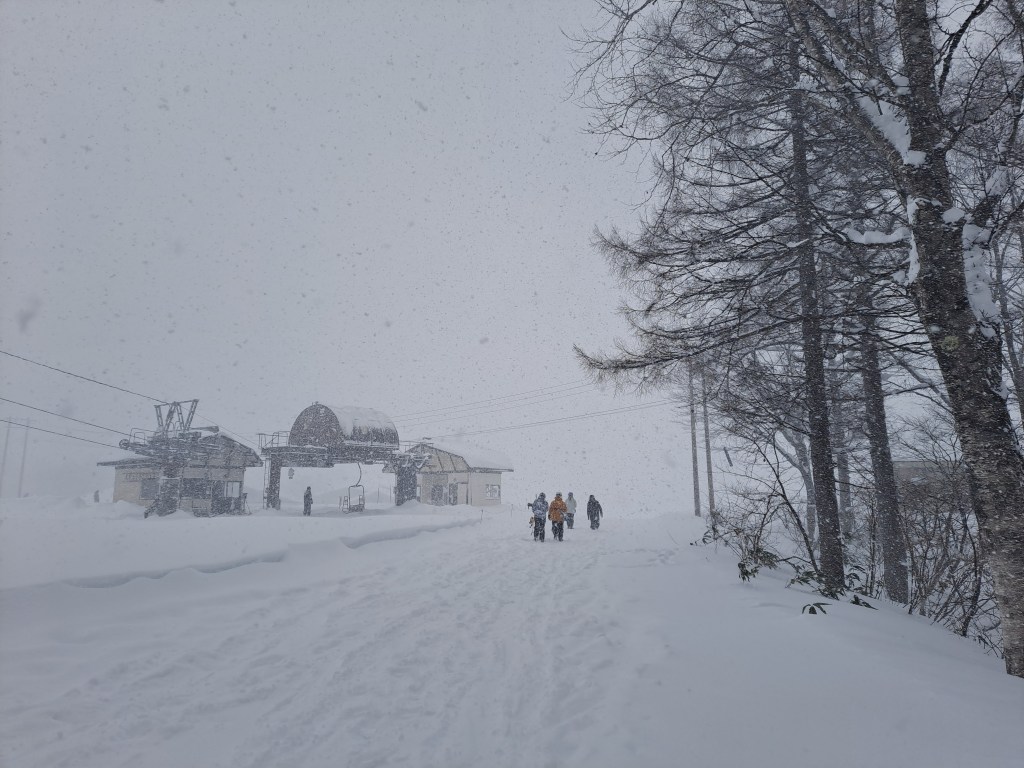
The river in Adelaide

Adelaide is one of those cities that rewards travellers who do their research, and gluten free and dairy free travellers who plan ahead will find it a breath of fresh air. Between the fully accredited pubs, the dedicated bakeries, the extraordinary Central Market, and a fine dining scene that takes dietary needs seriously, there’s very little reason to feel limited here.

With the right preparation and tools, you can enjoy the food without panic.

The Essentials Travel Pack builds it all for your exact combination, your restrictions in the local language, an allergy card, key phrases, local foods to try, and what to watch out for. Everything you need in minutes, not hours.

FAQ

Is Adelaide good for gluten free and dairy free travellers?

Adelaide is one of the best cities in Australia for gluten free and dairy free travellers. Between dedicated gluten free kitchens, Coeliac Australia accredited venues, an extraordinary Central Market, and a café scene that takes dietary needs seriously, there is a lot to choose from at every budget.

Are there dedicated gluten free restaurants in Adelaide?

Yes, Adelaide has two fully dedicated 100% gluten free pub kitchens under the same ownership: the Duke of Brunswick Hotel and the Port Admiral Hotel, both accredited by Coeliac Australia. There are also several dedicated gluten free bakeries including Food For You Especially and Gluten’s FREED.

Is the Adelaide Central Market good for gluten free and dairy free?

The Adelaide Central Market is brilliant for gluten free and dairy free travellers. There are naturally safe options throughout, fresh produce, meats, paella, dolma, and more. At prices that are comparable to or cheaper than supermarkets.

Can I do gluten free day trips from Adelaide?

Yes. The Fleurieu Peninsula, Hahndorf, and the Barossa Valley all have options for gluten free and dairy free travellers with a little research ahead of time.

What are the gluten free labelling laws in Australia?

Australia has some of the strictest gluten free labelling laws in the world. Any product labelled gluten free must contain no detectable gluten, a zero tolerance standard that is stricter than many other countries including the US and UK.

Image of the Northern Lights

Don’t just survive your trip, thrive

When you’re managing complex dietary needs, travel can be hard, but we’re here to make travel accessible again. We’ve organized our free planning guides, advocacy tips, and safety tools into one clear path. Whether you need a free allergy card or a complete game plan, start here to build your confidence.