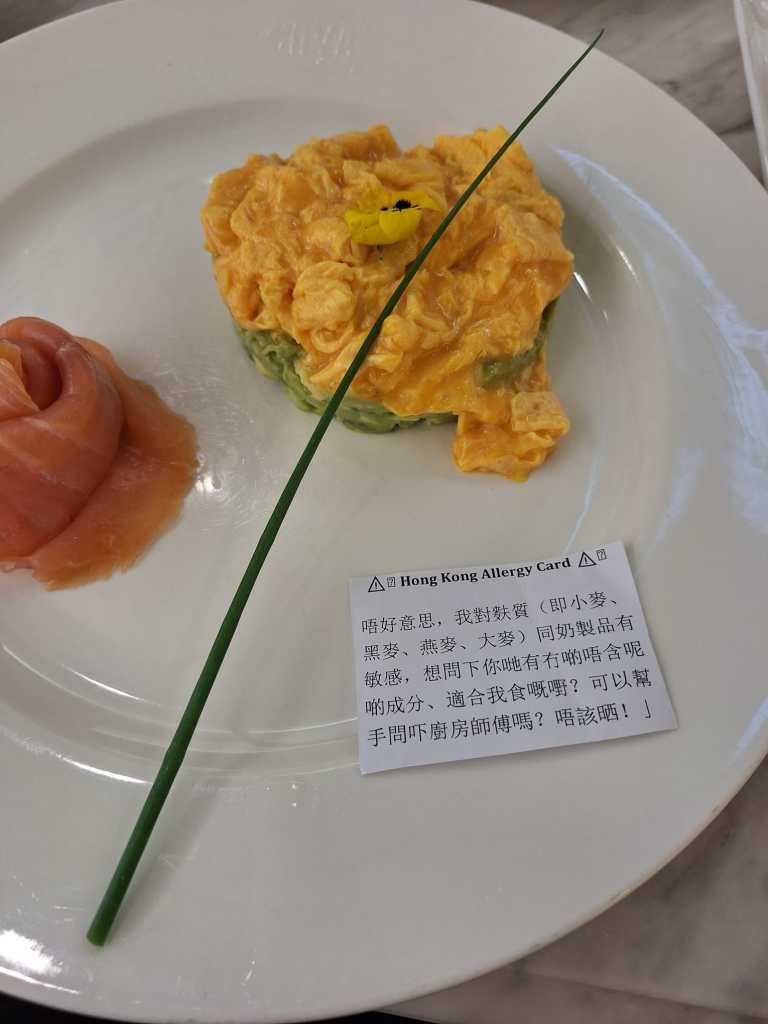

Here’s something that happens to travellers with dietary restrictions at least once. You search for safe places to eat somewhere new, and a list or instagram posts comes back that actually looks promising. You click through, you get excited, and then you see the prices. And then, the real tell; those reviewers list the hotels they recommend, and it all makes sense. High end international brands, concierge, someone else to help with the hard parts.
I’m not against this approach, if it helps you travel safely and have a great time with less stress do it. But eating safely with dietary restrictions, whether that’s gluten free, dairy free, nut free, halal, vegan, or any combination, doesn’t require a luxury budget. But it requires a different approach.
Ideally plan your trip around a destination that works for your budget and dietary restrictions. I’m going snowboarding again after Christmas and was hoping to go to Italy, had a few options planned. With what’s happening in the Middle East (key transit hub from New Zealand) and the higher costs in Europe, I’m now going back to Japan but heading north and will go to Europe at a later date. Lets face it, that’s not always an option though. Sometimes our destination isn’t as flexible.
These tips work whether you’re managing one restriction or several. They draw on my experience as a backpacker around Europe and North America a few years back but tailored to our needs. They do rely on a level of comfort with reading labels, using allergy cards and translation apps as well as advocating for yourself. If you’d like to build confidence in those areas first, start here: Allergy Cards vs. Translation Apps, what to use and when to switch and also check out How to build food advocacy skills
Eat where the locals eat
Tourist-facing restaurants charge tourist prices, and they’re often the places most likely to rely on pre-made sauces, shared fryers, and vague “gluten-friendly” claims. Local spots tend to be cheaper, fresher, and often more transparent about what’s actually in the food; especially if you can ask.
If the language or menu feels daunting, timing helps. Go slightly off-peak: after the lunch rush, before dinner service kicks in. Staff have more time, the kitchen is less chaotic, and you’re more likely to get a real answer to a real question. When I was in Nagano, going after the lunch rush meant the staff actually had time to walk me through how the soba was prepared and to answer questions I hadn’t even thought to ask. Such as how to drink the left over dipping sauce.
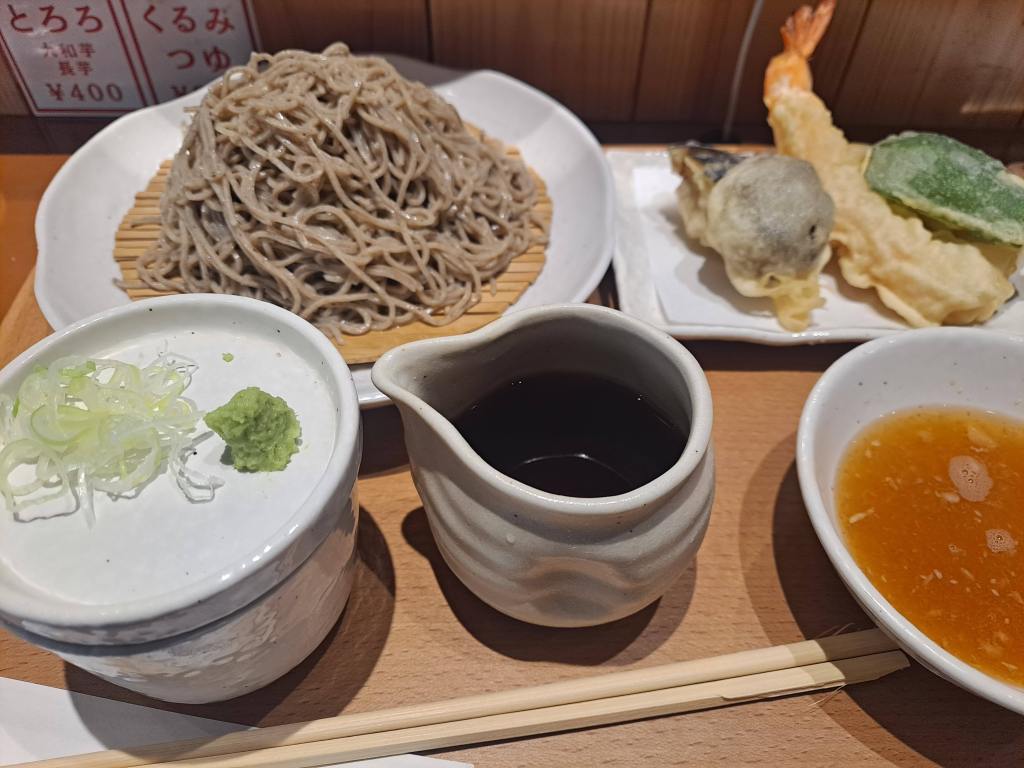
Think naturally safe, not dedicated safe
Dedicated gluten free or allergy-friendly restaurants exist on a spectrum, some are excellent, some charge a premium for mediocre food, and many aren’t in the budget bracket anyway. But naturally safe food exists everywhere, often cheaply.
Think meat, seafood, tofu, vegetables, rice, potatoes; Dishes built around whole ingredients rather than sauces and coatings. This is where multi-restriction travellers often have an advantage over people looking for western-style alternatives, you’re already scanning for ingredients rather than labels.
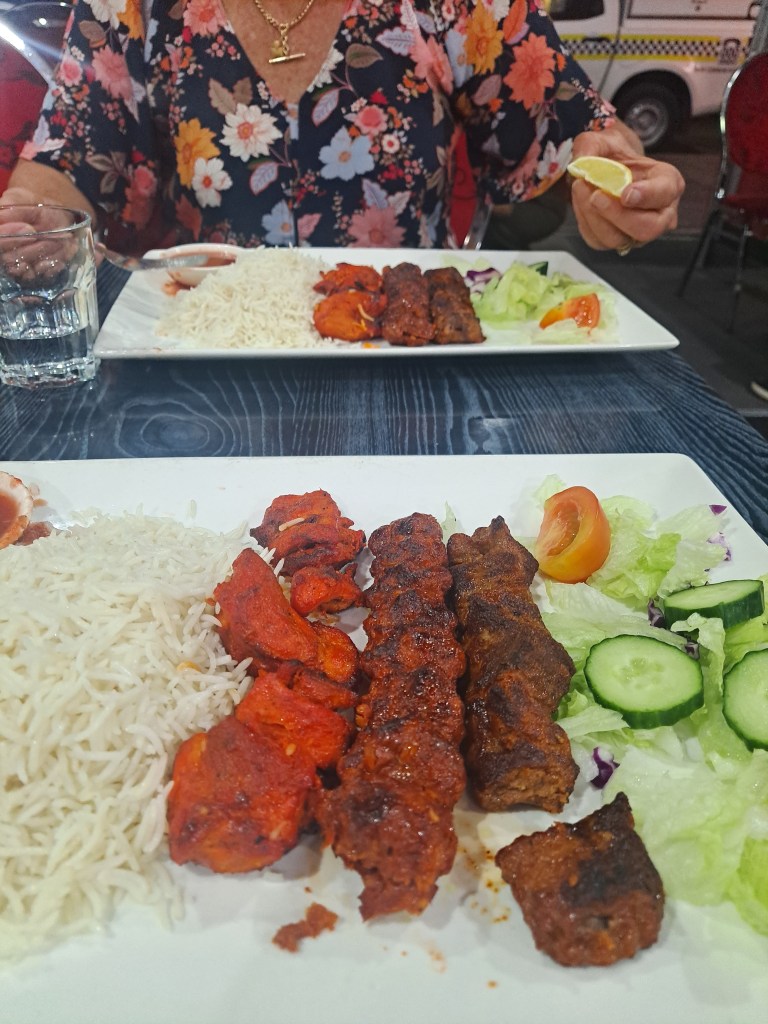
My mum and I found this worked brilliantly in Adelaide. We weren’t hunting for dedicated gluten free venues. We were eating Afghani kebabs, Greek pita, Mexican fajitas; dishes that were naturally safe for both of us, often cheaper than the “safe” spots recommended online, and genuinely great food.
Make lunch your main meal
Dinner prices at many restaurants, particularly in tourist areas can be significantly higher than the exact same food served at lunch. Where lunch specials exist, they’re worth seeking out. You eat well, spend less, and often have more flexibility because it’s quieter.
Cook some of your own meals
Even partial self-catering makes a real difference, both financially and in terms of reducing the daily mental load of navigating restrictions.
Book accommodation with at least a fridge and kettle if you can, even hotels often have this. A microwave opens up more options. Full kitchens in apartments, guesthouses, and hostels are even better.
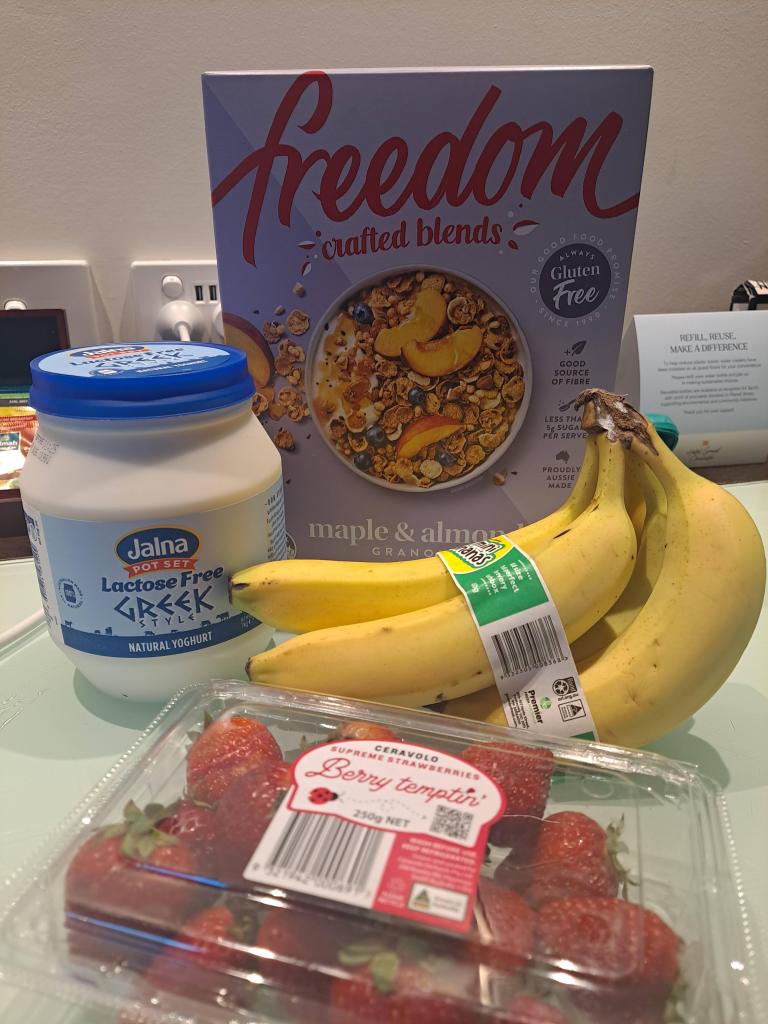
Before you travel, look up the major local supermarkets online so you know what products and brands to look for when you arrive. I almost always do this, a quick google search usually brings up the online shop and the dietary filters helps me recognise potentially safe options ahead of time. Hint: Take some screenshots and save in a google drive (or similar) folder.
Bring a reusable water bottle, a set of utensils, a container or bowl, and a few zip-lock bags. If crumbs in shared toasters are a problem for you, toaster bags are worth packing. Having breakfast in your room, or at minimum, a snack in your bag takes pressure off finding every single meal of the day.
Keep drinking to a minimum
Alcohol in bars and restaurants is often one of the biggest budget drains when travelling. It’s also worth noting from a restriction perspective: the decisions you make after a few drinks are rarely the ones you’d make sober. Sneaky sources of cross-contamination tend to slip through more easily when you’re not reading ingredients as carefully as you normally would.
Always have a backup
This matters more than people realise. In Japan, many local restaurants are very small, a wait is common, may be booked out, or simply can’t accommodate your combination of restrictions. In Hong Kong, some of the places that look incredible on paper are Michelin starred and often outside my budget. In Paris or Roma, that gluten free bakery you’ve been looking forward to might also be full of dairy.
Know what your backup is before you need it. A nearby convenience store, a supermarket, a dish you’ve already scoped out. Having a plan B is not being pessimistic, it’s just good travel with restrictions.
A note on upcharges
A gluten free or allergy-modified meal should carry a small upcharge when there’s a genuine cost involved, a different base, extra care in preparation. That’s fair. But a large premium just for existing as a multi-restriction traveller is not something you should feel obligated to pay, and the good news is: with the right approach, you usually don’t have to.
Take the guesswork out of communicating your restrictions
One of the most practical things you can do before any trip is have a clear, accurate card explaining your restrictions in the local language, something you can hand over at a restaurant, market, or convenience store without the pressure of trying to explain it on the fly.
If you found this post useful check out the Start Here guide (link below), all the key posts are organised by stage so that food isn’t the hardest part of your trip.

Jo is the founder of Globally Sauced, a travel platform for dietary restricted travellers and is gluten and dairy free. When not outdoors or travelling, she loves to empower people with dietary restrictions so they can explore the world safely.
Globally Sauced offers verified restaurant recommendations, country-specific guides, food label / menu translations, and more downloadable resources for gluten-free, dairy-free, allergy-conscious and other dietary restricted travellers. Learn more at globallysauced.com