Iceland Nut Allergy: Why Specific Always Beats General

Iceland is one of those destinations that feels almost impossibly manageable when you arrive. English is everywhere, food labelling follows EU standards, and the locals are genuinely helpful. But if you travel with a tree nut allergy, there’s one thing that can quietly catch you out: the category itself.

“Tree nuts” is a medical term. It’s useful shorthand, but in a busy kitchen it leaves a lot of room for interpretation. This isn’t an Iceland problem, most kitchen staff anywhere in the world know their ingredients. But naming your specific allergens; cashews, hazelnuts, pistachios, almonds, whatever your combination, is simply clearer communication wherever you are. Concrete is always better than category.

Here’s how to do that confidently in Iceland, from ordering at restaurants to reading labels at the supermarket.

If you want a free Iceland nut allergy card ready before you land, you can generate one for your specific restrictions further down, but it’s worth understanding a bit of context first.

Name Your Nuts (Specifically)

A chef might know their kitchen inside out but not immediately connect “tree nuts” to every nut on the shelf. When you name them individually; cashews, hazelnuts, pistachios, almonds, walnuts, you’re giving the kitchen something concrete to cross-check against.

It’s a small shift in how you communicate your allergy, and it makes a real difference in how clearly the message lands. Don’t drop the category entirely, saying “tree nut allergy” still sets important context, but follow it immediately with the specifics.

A tasting platter of various nuts

Carry a Written Allergy Card

Most Icelanders speak excellent English, but during a busy dinner service, a written allergy card is clearer and harder to mishear than a verbal explanation. It also lists your specific allergens in both English and Icelandic, so there’s no ambiguity about what you’re asking.

Generate your free allergy card here – choose your specific restrictions, yes even multiple and we’ll build it for you

One extra step worth doing before you leave: save your allergy card as an image in your translation app. That way, if you’re somewhere the staff speak better German or Polish than English, you can translate it on the spot rather than relying on the Icelandic alone.

Tip: Knowing when to use your allergy card versus your translation app is worth thinking about before you travel. Allergy Cards vs. Translation Apps

Learn to Read Icelandic Labels

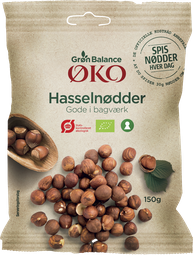
A bag of Hazelnuts form a supermarket in Iceland

Icelandic supermarkets are well-stocked and labelling follows EU allergen rules, so your allergens should be clearly marked.

The challenge is that Icelandic is a declined language, words change their endings depending on how they’re used. This means the same ingredient can look different on a packet versus a menu.

You don’t need to memorise every form. The trick is learning the root word and scanning for it. For hazelnuts, that’s heslihnet-. Spot that core, and you’ve spotted the ingredient, whatever ending is attached.

Tip: Download your translation app and any offline language packs before you travel. Practising with it at home means you’re not figuring it out for the first time in a supermarket aisle. The best translation app and how to use it

For official guidance on Icelandic food labelling, the Reykjavik Public Health site has clear information.

Why Icelandic Ingredients Look Different on Labels vs. Menus

On packaging you’ll usually see the plural form, the label is listing what’s inside. On menus or allergen warnings, it might shift to a singular or dative form. It’s the same ingredient; it just looks different depending on context.

Hazelnuts is a good example: the packaging might say heslihnetur, but a menu warning could read heslihnetu or heslihnetum. The core word (heslihnet-) stays the same. That’s what to look for.

Note: The Icelandic translations in this table were machine-translated. If you spot an error, please let us know, we’d rather be corrected than have anyone rely on a mistake.

EnglishIcelandic (common on packaging – plural)Also might appear as… (incl. singular/base form)
Allergyofnæmiofnæmis
Nut allergyHnetuofnæmihnetuofnæmis, ofnæmi fyrir hnetum
Nutshneturhnetum, hneta
Tree nutstrjáhneturtrjáhnetum, trjáhneta
Walnutvalhneturvalhneta, valhnetu, valhnetum
Almondmöndlurmöndla, möndlu, möndlum
Cashewkasjúhneturkasjúhneta, kasjúhnetu, kasjúhnetum
Hazelnutheslihneturheslihneta, heslihnetu, heslihnetum
Pecanpekahneturpekahneta, pekahnetu, pekahnetum
Pistachiopistasíuhneturpistasíuhneta, pistasíuhnetu, pistasíuhnetum
Brazil nutparahneturparahneta, parahnetu, parahnetum

Before You Go

Iceland is genuinely one of the more manageable destinations for food allergies, clear labelling, high English fluency, and a straightforward food culture. But manageable doesn’t mean effortless, especially when you’re working with a combination of restrictions.

If you want everything in one place, your specific allergens listed in Icelandic, an allergy card to show restaurant staff, key phrases for when your allergy card isn’t enough plus local foods to try and any watch outs, the Essentials Travel Pack builds it all for your exact combination.

How to Read Gluten and Dairy Ingredients in 9 European Languages (+ Label Rules You Need to Know)

Travelling Europe gluten-free can feel like a minefield if you’re not confident reading food labels. Let alone adding dairy into it as well. But don’t stress, with a few key words, spotting gluten and dairy becomes much easier. Here’s a breakdown of how to decode ingredient lists in French, Spanish, Italian, German, Dutch, Greek, Polish, Portuguese and Turkish plus the labelling laws that help you stay safe.

Make sure you also know when to use a translation app vs. an allergy card when your overseas.

With a little prep and the right tools, you can enjoy the food without panic.

Headed to Europe? If you want everything in one place, your dietary restrictions listed in the local language, an allergy card to show restaurant staff, key phrases for when your allergy card isn’t enough plus local foods to try and any watch outs, the Essentials Travel Pack builds it all for your exact combination. It gives you what you need in minutes, not hours.

EU-Wide Packaging Requirements

Under EU Regulation No 1169/2011, all packaged foods sold in the EU must:

  • Clearly label the 14 major allergens, including gluten-containing cereals
  • Highlight allergens in the ingredients list (bold, all caps, or underline)
  • List sub-ingredients if a compound ingredient (like “sausages”) contains an allergen
  • Use the local language(s) of the country where it’s sold

This means wheat, barley, rye, oats, and spelt must be clearly mentioned and highlighted, no matter the language.

close up of food products with hte ingredient label showing with gluten free ingredients in bold

Gluten Ingredients in European Languages

If you’re new to reading European labels, gluten is trickier than it looks. It’s not always listed as “gluten”, instead you’re scanning for the grains it comes from, and the words that signal it’s been processed or added.

What to watch for

Gluten hides in places you wouldn’t expect in European cooking: in stocks and sauces thickened with flour, in cured meats with breadcrumb fillers, in soups, marinades, and seasoning mixes. The most common culprits are wheat flour, barley malt, and soy sauce. Often buried mid-ingredients list under names that don’t immediately read as “gluten” in any language.

Dutch: Reading Gluten on Labels

Common gluten ingredients to watch for:

  • Tarwe = wheat
  • Gerst = barley
  • Rogge = rye
  • Haver = oats
  • Spelt = spelt
  • Bloem = flour
  • Gluten = gluten
  • Mout = malt

Label tip: Dutch products will say “bevat gluten” (contains gluten) or “glutenvrij” (gluten-free). Allergen ingredients are usually bolded.

French: Reading Gluten on Labels

Common gluten ingredients to watch for:

  • Blé = wheat
  • Orge = barley
  • Seigle = rye
  • Avoine = oats
  • Épeautre = spelt
  • Farine = flour
  • Semoule = semolina
  • Gluten de blé = wheat gluten
  • Malt d’orge = barley malt

Label tip: Allergens like blé will often be bold or UNDERLINED. If you see “contient du gluten,” avoid.

German: Reading Gluten on Labels

Common gluten ingredients to watch for:

  • Weizen = wheat
  • Gerste = barley
  • Roggen = rye
  • Hafer = oats
  • Dinkel = spelt
  • Mehl = flour
  • Weizengluten = wheat gluten
  • Gerstenmalz = barley malt

Label tip: Look for “enthält Gluten” (contains gluten) or “glutenfrei” (gluten-free). Gluten ingredients are typically in bold.

Greek: Reading Gluten on Labels

Common gluten ingredients to watch for:

  • Σιτάρι / Σίτος (sitári / sítos) = wheat
  • Κριθάρι (krithári) = barley
  • Σίκαλη (síkali) = rye
  • Βρώμη (vrómi) = oats
  • Ζέα / Όλυρα (zéa / ólyra) = spelt
  • Αλεύρι (aléfri) = flour
  • Γλουτένη (glouténi) = gluten
  • Βύνη (víni) = malt

Label tip: Greek packaging uses the Greek alphabet, so it looks different at a glance. Look for “περιέχει γλουτένη” (contains gluten) or “χωρίς γλουτένη” (gluten-free). When in doubt, use a translation app to scan the label — this is one language where it earns its place.

Related guide: Headed to Greece? Check out our Travel Phrase Guide to generate personalised phrases for your trip.

Italian: Reading Gluten on Labels

Common gluten ingredients to watch for:

  • Grano = wheat
  • Orzo = barley
  • Segale = rye
  • Avena = oats
  • Farro = spelt
  • Farina = flour
  • Glutine = gluten
  • Malto = malt

Label tip: Italy is very celiac-aware. Look for “senza glutine” for safe products, and beware of “contiene glutine”.

Spanish: Reading Gluten on Labels

Common gluten ingredients to watch for:

  • Trigo = wheat
  • Cebada = barley
  • Centeno = rye
  • Avena = oats
  • Espelta = spelt
  • Harina = flour
  • Gluten de trigo = wheat gluten
  • Malta = malt

Label tip: Look for phrases like “contiene gluten” (contains gluten) or “sin gluten” (gluten-free). Allergen info is usually bolded or listed separately.

Related guide: Headed to Spain? Check out our Ultimate Gluten-Free Travel Guide to Spain for more great advice

Polish: Reading Gluten on Labels

Common gluten ingredients to watch for:

  • Pszenica = wheat
  • Jęczmień = barley
  • Żyto = rye
  • Owies = oats
  • Orkisz = spelt
  • Mąka = flour
  • Gluten = gluten
  • Słód = malt

Label tip: Look for “zawiera gluten” (contains gluten) or “bez glutenu” (gluten-free). As an EU member, Poland follows the same allergen labelling rules — gluten-containing grains will be bolded or highlighted. Polish packaging can be dense with text, so scan for the bolded words rather than reading every line.

Portuguese: Reading Gluten on Labels

Common gluten ingredients to watch for:

  • Trigo = wheat
  • Cevada = barley
  • Centeio = rye
  • Aveia = oats
  • Espelta = spelt
  • Farinha = flour
  • Glúten = gluten
  • Malte = malt

Label tip: Look for “contém glúten” (contains gluten) or “sem glúten” (gluten-free). EU rules apply, so allergens will be bolded or highlighted in the ingredients list. Portugal and Brazil share the language but labelling laws differ — this guide covers Portugal and EU-sold products.

Turkish: Reading Gluten on Labels

Common gluten ingredients to watch for:

  • Buğday = wheat
  • Arpa = barley
  • Çavdar = rye
  • Yulaf = oats
  • Kılıçbuğday / Kavılca = spelt
  • Un = flour
  • Glüten = gluten
  • Malt = malt

Label tip: Turkey is not an EU member so labelling rules differ slightly, though in practice most major food manufacturers follow similar standards. Look for “glüten içerir” (contains gluten) or “glutensiz” (gluten-free). Turkish cuisine uses a lot of wheat-based ingredients — bulgur, börek, simit — so knowing these words is particularly useful when shopping.

Summary Table — Gluten (Save or screenshot)

IngredientFrenchSpanishItalianGermanDutchPortuguesePolishGreekTurkish
WheatBléTrigoGranoWeizenTarweTrigoPszenicaΣιτάριBuğday
BarleyOrgeCebadaOrzoGersteGerstCevadaJęczmieńΚριθάριArpa
RyeSeigleCentenoSegaleRoggenRoggeCenteioŻytoΣίκαληÇavdar
OatsAvoineAvenaAvenaHaferHaverAveiaOwiesΒρώμηYulaf
SpeltÉpeautreEspeltaFarroDinkelSpeltEspeltaOrkiszΖέαKılıçbuğday
FlourFarineHarinaFarinaMehlBloemFarinhaMąkaΑλεύριUn
GlutenGluten de bléGluten de trigoGlutineWeizenglutenGlutenGlútenGlutenΓλουτένηGlüten
MaltMalt d’orgeMaltaMaltoGerstenmalzMoutMalteSłódΒύνηMalt
Contains GlutenContient du glutenContiene glutenContiene glutineEnthält GlutenBevat glutenContém glútenZawiera glutenΠεριέχει γλουτένηGlüten içerir
Gluten-FreeSans glutenSin glutenSenza glutineGlutenfreiGlutenvrijSem glútenBez glutenuΧωρίς γλουτένηGlutensiz

Dairy Ingredients in European Languages

If you’re gluten and dairy free — like a lot of us — the gluten words are only half the story. Here are the key dairy terms to watch for across the same nine languages, plus the phrases to look for on labels.

What to watch for

Dairy hides in many European dishes and packaged foods: in sauces, pastry, cured meats, soups, and baked goods. The most common culprits are butter, cream, and milk powder — often listed as ingredients you wouldn’t immediately recognise in another language.

Dairy in Dutch

  • Melk = milk
  • Boter = butter
  • Room / Slagroom = cream
  • Kaas = cheese
  • Lactose = lactose
  • Wei = whey
  • Caseïne = casein
  • Melkpoeder = milk powder

Label tip:Bevat melk” = contains milk. “Lactosevrij” = lactose-free. “Melkvrij” = dairy-free.

Dairy in French

  • Lait = milk
  • Beurre = butter
  • Crème = cream
  • Fromage = cheese
  • Lactose = lactose
  • Lactosérum / Petit-lait = whey
  • Caséine = casein
  • Poudre de lait = milk powder

Label tip: Look for “contient du lait” (contains milk) or “sans lactose” (lactose-free, not the same as dairy-free). “Sans produits laitiers” means dairy-free.

Dairy in German

  • Milch = milk
  • Butter = butter
  • Sahne / Rahm = cream
  • Käse = cheese
  • Laktose = lactose
  • Molke = whey
  • Kasein = casein
  • Milchpulver = milk powder

Label tip:Enthält Milch” = contains milk. “Laktosefrei” = lactose-free (not dairy-free). “Milchfrei” = milk-free / dairy-free.

Dairy in Greek

  • Γάλα (gála) = milk
  • Βούτυρο (voútyro) = butter
  • Κρέμα (kréma) = cream
  • Τυρί (tyrí) = cheese
  • Λακτόζη (laktózi) = lactose
  • Ορός γάλακτος (orós gálaktos) = whey
  • Καζεΐνη (kazéïni) = casein
  • Γάλα σε σκόνη (gála se skóni) = milk powder

Label tip:Περιέχει γάλα” = contains milk. As with gluten, use a translation app to scan Greek labels if you’re unsure.

Dairy in Italian

  • Latte = milk
  • Burro = butter
  • Panna / Crema = cream
  • Formaggio = cheese
  • Lattosio = lactose
  • Siero di latte = whey
  • Caseina = casein
  • Latte in polvere = milk powder

Label tip:Contiene latte” = contains milk. Italy is very cheese-forward — parmesan (Parmigiano) and pecorino appear in many dishes that don’t look dairy-heavy on the menu. Always ask.

Dairy in Spanish

  • Leche = milk
  • Mantequilla = butter
  • Nata / Crema = cream
  • Queso = cheese
  • Lactosa = lactose
  • Suero de leche = whey
  • Caseína = casein
  • Leche en polvo = milk powder

Label tip:Contiene leche” = contains milk. “Sin lactosa” = lactose-free (not dairy-free). “Sin lácteos” = dairy-free.

Dairy in Polish

  • Mleko = milk
  • Masło = butter
  • Śmietana / Śmietanka = cream
  • Ser = cheese
  • Laktoza = lactose
  • Serwatka = whey
  • Kazeina = casein
  • Mleko w proszku = milk powder

Label tip:Zawiera mleko” = contains milk. “Bez laktozy” = lactose-free. “Bez nabiału” = dairy-free.

Dairy in Portuguese

  • Leite = milk
  • Manteiga = butter
  • Natas / Creme = cream
  • Queijo = cheese
  • Lactose = lactose
  • Soro de leite = whey
  • Caseína = casein
  • Leite em pó = milk powder

Label tip:Contém leite” = contains milk. “Sem lactose” = lactose-free. “Sem laticínios” = dairy-free.

Dairy in Turkish

  • Süt = milk
  • Tereyağı = butter
  • Krema = cream
  • Peynir = cheese
  • Laktoz = lactose
  • Peynir altı suyu = whey
  • Kazein = casein
  • Süt tozu = milk powder

Label tip:Süt içerir” = contains milk. “Laktozsuz” = lactose-free. “Sütsüz” = dairy-free / milk-free.

Summary Table — Dairy (Save or screenshot)

IngredientFrenchSpanishItalianGermanDutchPortuguesePolishGreekTurkish
MilkLaitLecheLatteMilchMelkLeiteMlekoΓάλαSüt
ButterBeurreMantequillaBurroButterBoterManteigaMasłoΒούτυροTereyağı
CreamCrèmeNataPannaSahneRoomNatasŚmietanaΚρέμαKrema
CheeseFromageQuesoFormaggioKäseKaasQueijoSerΤυρίPeynir
LactoseLactoseLactosaLattosioLaktoseLactoseLactoseLaktozaΛακτόζηLaktoz
WheyLactosérumSuero de lecheSiero di latteMolkeWeiSoro de leiteSerwatkaΟρός γάλακτοςPeynir altı suyu
Milk PowderPoudre de laitLeche en polvoLatte in polvereMilchpulverMelkpoederLeite em póMleko w proszkuΓάλα σε σκόνηSüt tozu
Contains MilkContient du laitContiene lecheContiene latteEnthält MilchBevat melkContém leiteZawiera mlekoΠεριέχει γάλαSüt içerir
Dairy-FreeSans produits laitiersSin lácteosSenza latticiniMilchfreiMelkvrijSem laticíniosBez nabiałuΧωρίς γαλακτοκομικάSütsüz

Pro Tip:

Even though EU labels are quite reliable, cross-contamination is not always obvious. When in doubt:

  • Look for certified logos (like “Spiga Barrata” in Italy)
  • Use a local-language allergy card and / or a translation app when dining out
  • Stick to naturally gluten-free items with minimal ingredients
  • If unsure use a translation app to translate the ingredients (It can scan the packaging, check out our video) or use our meal suitability tool where it can scan the packaging and make a recommendation

FAQ

How do I read gluten labels in European countries?

In Europe, allergens including gluten, must be clearly listed and highlighted on packaging, usually in bold or uppercase letters. Learning the key words for wheat, barley, rye, oats, and spelt in local languages helps you identify gluten in ingredient lists.

Do these rules apply if I’m buying food at a market or restaurant?
What does ‘gluten-free’ mean on European food packaging?
What words should I look for to spot gluten in other languages?
What’s the difference between lactose-free and dairy-free on European labels?
Does gluten-free mean the same thing across all EU countries?
What if the label is only in a language I can’t read at all?

Flying Gluten Free or with Food Allergies: How to Travel Safely

Flying with food allergies or dietary restrictions can be stressful, especially when you’re not sure what’s in your in-flight meal. The last thing you want is to be sick or worse either on the flight or at the destination. Many airlines offer “special meals,” but what does that really mean? Are they safe for people with coeliac disease, allergies, or severe intolerance’s?

With the right preparation, flying with dietary restrictions is very manageable, here’s everything you need to know.

What Are Airline “Special Meals”?

Airlines provide in-flight meals to suit various needs, including food tailored to religious requirements, health issues, preferences, and dietary restrictions. So that as travellers we don’t have to compromise our health or beliefs when flying.

Like the three-lettered airport codes, the International Air Transport Association also assigns codes to special airline meals, below is the list of options you will commonly find although some airlines also have additional options and not all airlines offer the complete list so you may want to check what your potential airline offers before paying for the flight.

In-flight gluten-free meal tray including a sealed container with GFML label, summerfruit cheesecake dessert, packaged roll labeled allergen-free, and a side dish.

What Do Airline Special Meal Codes Mean?

Special meals for health concerns

  • LSML: Low Sodium Meals
  • LFML: Low Fat meals / Low cholesterol meals
  • LPML: Low protein Meal
  • LCML: Low Calorie Meal
  • DBML: Diabetic Meal
  • PFML: Peanut Free Meal
  • GFML: Gluten Free Meal
  • NLML: Non-Lactose Meal
  • BLML: Bland / Soft Meal
  • HFML: High Fiber Meal
  • PRML: Low purine meal
  • ALML: Allergen Meal
  • MAMLA: Minimal Allergen Meal

Plant-based and religious options

  • VGML: Standard Vegetarian Meals
  • VVML: Vegetarian Vegan Meal Same to VGML
  • VOML: Vegetarian Oriental Meal
  • VLML: Vegetarian Lacto – OVO Meals
  • AVML: Asian Vegetarian Meals
  • FPML: Fruit Platter meals
  • RVML: Raw Vegetable Meal
  • KSML: Kosher Meal
  • KSMLS: Kosher Meal Snack
  • MOML: Muslim Meal
  • HNML: Hindu Non-vegetarian Meal
  • VJML: Vegetable Jain Meal

How to Order Special Meals When Flying with Allergies

Special meal policies can vary widely by airline, fare class, and flight. They are caterer dependant so even if you fly with them regularly the mela might be different depending on where you depart from. Many airlines offer meals in economy class for international or longer domestic flights, while others may only offer them for premium passengers, so it pays to check ahead.

  1. Pre-order Special Meals: Most airlines offer special meal options, including gluten-free and lactose-free/dairy-free meals. Most carriers require at least 48 hours notice for special meal requests, so be mindful of your airline’s deadline to ensure the availability of your chosen meal. The instructions for doing this will be on the airlines website under special meals, often if you have booked online its in the Manage my Booking section or similar
  2. Contact the Airline: Check your booking or confirm with the airline by phone or email to ensure that your meal preferences are set. This is will help you avoid misunderstandings or mistakes.
  3. Check the Menu: Some airlines provide their in-flight menu online. Look for allergen information or consult their customer service regarding meal ingredients.

Travelling with multiple restrictions

If you have multiple restrictions, when you order you may need to pick one, airlines often can’t accommodate combinations on a single meal code. However, all is not lost.

Most airlines carry a card or list with the full allergen breakdown for every meal on board, heads up it is caterer dependant. Ask the crew when it’s not too busy and they should be able to help you work out what’s safe across your restrictions, even if the meal wasn’t specifically ordered for you.

Gluten Free meal where bananas were given instead of part of the meal as it contained dairy as well

From personal experience, most special meals I’ve received have been made with as many allergy-friendly ingredients as possible, but it doesn’t always go to plan.

On a recent trip the ingredient list hadn’t made it on to the plane at all. The crew were brilliant though, they went through each meal option with me to check if anything might work for someone gluten and dairy free. The breakfast turned out to be scrambled eggs, so probably not safe, but rather than leaving me hungry they swapped it out for bananas and told me to come back after the meal service to see what snacks might suit me.

The point of the story? Advocate for yourself clearly and calmly, and more often than not the crew will go out of their way to help.

Managing the Risks around Flying with Food Allergies

Airline kitchens aren’t allergen-free environments, so cross-contamination is a possibility. This means you may need to check on the airline’s website or ask your travel agent if you can take your own food if this is a concern for you. For example on the Air New Zealand website they say you can bring your own food if the categories don’t fit and then they list some things to remember.

If you have a severe allergy, ask the airline if you can pre-board early so you have time to wipe down your seat, tray table, and seatbelt. It’s also worth asking whether they’ll make an announcement to nearby passengers, some airlines will, though it’s not guaranteed. If you’re travelling both with children and another adult, split up and send one person ahead to pre-board; they can wipe down the surfaces, put bags away and talk to the crew. It makes it easier when the rest of your group boards.

Finding options at the Airport

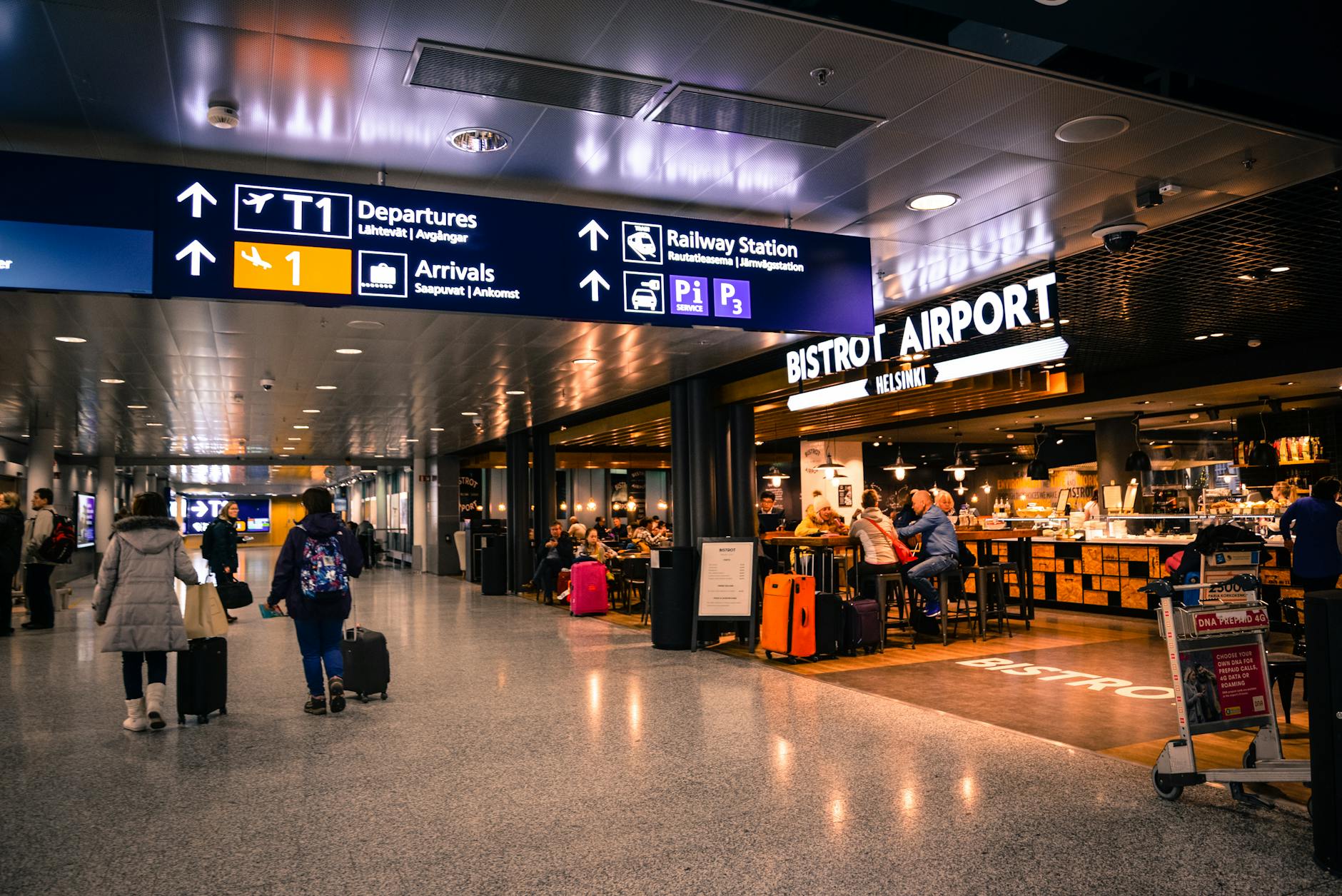
boarding aircraft with gluten-free snacks

Use resources like our dining guide, Find Me Gluten Free or similar specific websites or local Facebook groups to locate airport restaurants and cafes offering suitable options but also bring snacks for the airport if your unsure.

What to do on the day of your flight

  • If your travelling internationally carry an allergy card, especially if it’s likely that the cabin crew wont be able to understand you. Have a card in the local language explaining your dietary restrictions to ensure clear communication.
  • Confirm your meal at check-in and again with cabin crew, they will usually walk the plane and confirm this upon boarding but if they don’t, mention it to the cabin crew so they know where you are sitting. This will help you ensure you get your meal.
  • If your special meal didn’t make it on board ask the cabin crew if they have any suitable snacks or parts of other meals. For example if your gluten free they may have fruit or yoghurt. If you are vegan or have a nut allergy there may be bread, cheese, noodles etc on board.
  • If you have multiple restrictions ask the crew to check the ingredients, they usually have a card with all the ingredients for all the meals so should be able to help you identify if something is safe.

What to Pack in Your Carry-On as a Backup

Always pack some non-perishable options items like nuts, gluten-free cereal bars, and dried fruits are good options. another great tip is a sandwich or backpacker style meal that you add boiling water to. But check security regulations, make sure that the snacks you bring comply with airline security regulations, especially concerning liquids and gels. Also know in advance what you need to declare when going through customs or biosecurity at the destination in some countries (Australia and New Zealand especially) bio-security is strict.

If you need anything like antihistamines, epinephrine, etc make sure you pack it in your carry on and if required have a doctor’s letter for it to help you get through security or customs.

Best Airlines for Gluten‑Free & Allergy‑Safe In‑Flight Meals

Some airlines are better than others, either in their special meal offerings or in the quality of the food served. If you have a choice of who you fly below are the airlines that people regularly rate for handling allergies and dietary restrictions. Click the links below to go through to specific special meal information for each airline.

  1. Singapore Airlines: Known for excellent service, Singapore Airlines provides a variety of special meals including gluten free (GFML), lactose free (NLML), minimal allergen meal (MAMLA) and vegan (VGML) options. They have a reputation for accommodating dietary needs with care and precision.
  2. Emirates: Offers a wide selection of special meals, including gluten free (GFML), vegetarian jain (VJML) and lactose free (NLML). They are recognized for their attention to detail and high-quality meal service.
  3. Qatar Airways: Provides numerous special dietary options and is praised for catering to passengers with specific dietary requirements, including gluten free (GFML), lactose free (NLML) and kosher (KSML) needs.
  4. Cathay Pacific: Cathay Pacific offer a range of special meal codes including low fat/low cholesterol (LFML) and gluten free (GFML), and are known for accommodating passengers with multiple restrictions (see the banana photo and story above).
  5. Delta Air Lines: Offers gluten free (GFML) and vegan (VGML) options on many international flights. They are one of the U.S. airlines known for better catering to special dietary needs.
  6. Air New Zealand: Offers a wide variety of special meals on long-haul flights, including vegetarian (VLML), vegan (VGML), gluten free (GFML),lactose free (NLML), and Diabetic (DBML) options, among others
  7. China Southern: A popular choice from Australia and New Zealand for their competitive fares. Offers a range of options including vegetarian (VLML), lactose free (NLML), and religious meals such as kosher (KSML) and halal (MOML). Worth checking your specific route as meal quality and availability can vary.”
  8. Qantas: Australia’s flagship carrier offers a comprehensive special meals offering on long-haul flights includes gluten free (GFML), lactose free (NLML), vegan (VGML) and diabetic (DBML) options among others. Their documentation is thorough and staff are generally well briefed on dietary requirements.
  9. Lufthansa: Lufthansa has a well-regarded special meals offering covering gluten free (GFML), lactose free (NLML), vegan (VGML) and low sodium (LSML) options. Their allergen documentation is detailed and easy to find on their website, making pre-flight research straightforward.
  10. British Airways: A major long-haul carrier with a thorough special meals offering includes gluten free (GFML), lactose free (NLML) and vegan (VGML) meals. British Airways are generally well regarded for dietary accommodation and their special meals page clearly outlines what’s available by route and fare class — worth checking before you book as availability can vary.

Additional Tips

  • Frequent Flyers: If you often fly with one airline, consider joining their frequent flyer program to facilitate meal preferences and get personalized service.
  • Advance Notification: While these airlines are reputed for their service, it’s crucial to notify them of your dietary restrictions at least 48 hours before your flight.
  • Check Specific Routes: Meal options can sometimes vary based on the route and duration of the flight, so it’s wise to double-check with the airline.

Final Tips Before You Fly

Flying with allergies or dietary restrictions can feel like a lot, especially multiple, but with the right prep, it becomes manageable, predictable, and even calm. A few last things to keep in mind:

  • Prep early, then let it go. Confirm your special meal, pack your safe snacks, and know your backup plan. After that, you’ve done your part.
  • Keep your tools handy. Your allergy card, key phrases, and snacks should be easy to grab when you need them.
  • Advocate for yourself. If something feels off, ask. You’re not being difficult — you’re keeping yourself safe.
  • Give yourself margin. Extra time, extra snacks, extra patience. Travel days are smoother when you’re not rushing.
  • Remember: you’re allowed to feel confident. You’ve prepared. You’ve got options. You can do this.

If you want everything in one place, from planning steps to communication tools to destination guides; our start here guide below, organises it all by level. It’s a great one to bookmark and come back to as you build confidence.

FAQ

How far in advance should I order a special meal?

At least 48 hours before departure to allow airlines to accommodate your needs. Then reconfirm at check-in.

What if airline meal doesn’t arrive on board
What if I have multiple restrictions?
Which airlines are best for dietary restrictions
Can I bring my own food on the plane?

Pack This Before You Fly: The Food Allergy & Intolerance Travel Kit

Travelling with food allergies, coeliac disease, or intolerances means packing a little differently. Your passport matters, but so does your EpiPen. Your snacks matter as much as your itinerary.

I’ve fine-tuned this kit over years of gluten and dairy free travel, and for the severe allergy sections I’ve drawn on the expertise of Jess at Eat Safe, Live Big — who travels with multiple food allergies and knows this territory better than most. Her post on day-to-day essentials is well worth a read too.

Add or subtract based on your needs, and if you have severe allergies always check with a medical professional before you travel.

The Kit: What Everyone Should Pack

Allergy Translation Cards – In the local language, and printed (if possible laminated) in either A6 or business card size.

Translation App and download the Languages – For when you don’t speak the language fluently

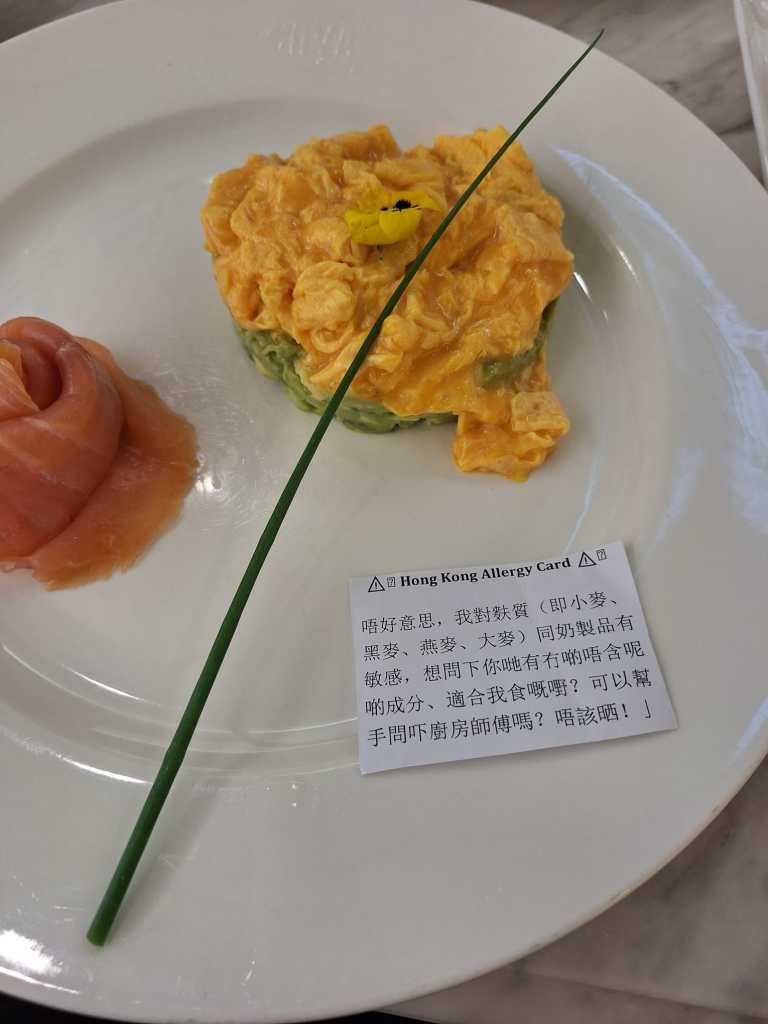
Allergy Card being used in Hong Kong by a Gluten Free Traveller

EpiPens (Ideally 2) – Easily accessible, within the expiry date and within reach. Why two? In some cases it may be needed, also if you’re travelling away from home you may be exposed more than once.

⚠️ Severe allergy: Keep at least one on you person at all times, not in checked luggage, not in the overhead locker. Let travel companions and flight crew know where it is before you take off. Check the ASCIA Travel Plan before you go.

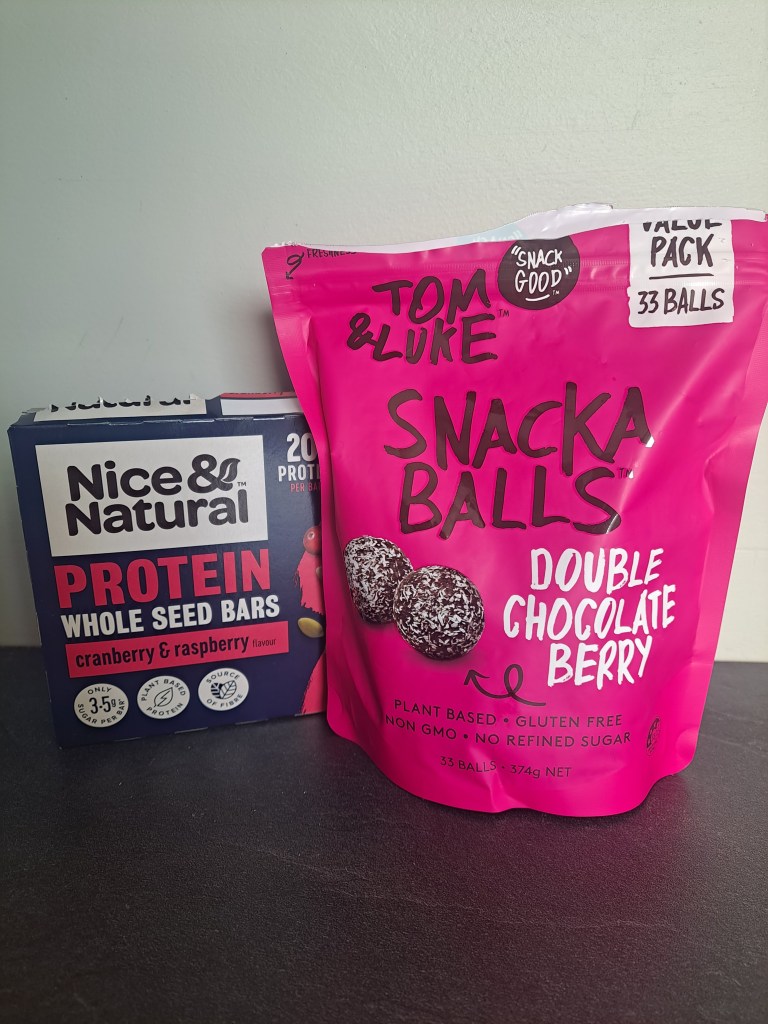
Image of two snack items: a box of Nice & Natural protein whole seed bars with cranberry and raspberry flavor, and a bag of Tom & Luke Snacka Balls in double chocolate berry flavor, placed on a flat surface.

Safe Snacks – A few shelf-stable, allergy-safe snacks such as muesli / granola bars or bliss balls perfect for when you can’t find safe food and usually no problem with border security.

⚠️ Severe allergy: Check manufacturing labels carefully for shared facility warnings — what’s safe at home may be produced differently abroad.

Backpacker Meals – I always pack a couple, usually Radix, for when safe local options are scarce. Just make sure to check border restrictions.

⚠️ Severe allergy: These are worth checking ingredient lists on carefully before you travel, not at the destination.

Pro Tip: Use the ‘First Use’ Test Rule

When you buy packaged food abroad, open and try it at your accommodation, not mid-flight or halfway up a mountain. If there’s a reaction, you’re in a safer, more controlled environment

Water Bottle – Always an essential, plus, it’s useful for washing away accidental exposures. If you’re travelling by air make sure its empty when going through security, you can usually fill it up on the other side.

traveller with allergy essentials in his bag

Medication Kit – Anything you either take regularly or use as needed to feel better. This might include; Benadryl, Antihistamines, inhaler, and any prescription medications, always in the original packaging.

⚠️ Severe allergy: Pack medication in original packaging, customs officials may need to verify what you’re carrying, and original packaging keeps dosage information handy. Antihistamines are not a substitute for an EpiPen.

Wipes & Hand Sanitiser – For wiping down trays, tables, surfaces or hands before eating.

⚠️ Severe allergy: Wipes are essential for cleaning tray tables, seat belts, and armrests before you sit down. Hand sanitiser does not remove allergens — wipes do.

Typical Travel Essentials – Tissues, Face Mask, Ear Plugs, Sunglasses, Eye Mask, Lip Balm, Eye Drops don’t forget the items we all might need when travelling.

Reusable Cutlery & Small Container – Perfect for the backpacker meal but also if you’re eating breakfast in a hotel room or similar. Just make sure it will get through security or check it in.

Copy of an Allergy Action Plan – A simple document explaining what to do in case of reaction, created by your medical professional

⚠️ Severe allergy: This isn’t optional. Carry a printed copy and a digital version, and make sure your travel companions have read it.

Medical ID Bracelet – If you have one and your not wearing it, make sure it’s somewhere accessible. It’s an important way to alert others to your allergies in an emergency.

Going on a roadtrip? If you’re going on a road trip you’ve got more options so pack a small chilly bin (cooler or esky) with snacks and treats to enjoy wherever you stop.

Travel Tips for Severe Allergies

If you have a severe allergy or intolerance, travelling can feel especially stressful. But with a few smart steps, you can reduce your risk and travel more confidently.

Pro Tip: Carry Your Own Condiments
Sauces and dressings are common hiding spots for allergens and gluten. Single-serve sachets of safe sauces, oils, or seasonings can help you can make simple meals safe without guessing

Talk to staff clearly

Make sure you can be understood and can advocate for yourself just like you would at home. If you’re not confident check out our recent advocacy post, to build the skills you need. If you have severe allergies or don’t speak the language use allergy card and get verbal confirmation in the local language.

Know the emergency number

It’s not always what you use at home, know and save the local emergency number, the nearest hospital, and a translation of “I have a severe allergic reaction” in the local language in your phone and on a card in your wallet.

At the Airport & On the Plane

Keep your medication close

Never store your medication, including antihistamines or an EpiPen in the overhead compartment, instead keep it within arm’s reach. Let your travel companions and the flight crew know if you have a severe allergy and where your medication is in case of an emergency.

Let crew and nearby passengers know

Some airlines will, and some will not make an allergy-related announcement but its always worth asking. If they won’t make an allergy-related announcement to other passengers, you’re always within your rights to politely inform those seated around you of your allergies, especially on smaller or longer flights.

Request to pre-board

Ask gate staff if you can board early so you have time to wipe down your seat, tray table, seatbelt, window area, and any nearby surfaces. This small step can make a big difference in avoiding accidental contact with allergens.

Bring your own food if you can

Special Meals are fantastic for many, myself included but if you have severe allergies or intolerances remember they are prepared in a shared kitchen and there is a risk of cross contamination. If this is you, we suggest bringing safe snacks or meals for longer flights. Many airlines such as Air New Zealand have information on this on their website. Be sure to check airline and destination rules in advance, some countries restrict certain food items on entry.

If bringing your own food isn’t allowed or practical, ask airline staff about ingredients and preparation methods. For example, travellers with milk or egg allergies may find vegan meals safer, though it’s always best to double-check.

Final Thoughts

Travelling with food allergies, coeliac disease, or intolerances can feel overwhelming — but with the right preparation, it becomes less about fear and more about freedom. Your survival kit isn’t just a bag of supplies; it’s a safety net that lets you focus on the fun parts of travel, not the stressful ones.

Every journey will be different, and your kit will evolve with each trip. But the goal is always the same: stay safe, eat well, and make incredible memories, because food shouldn’t be the hardest part of your trip.

If you’ve discovered an essential that’s saved you on the road, share it in the comments on Instagram or Facebook and we’ll include it. You never know who you might help on their next trip

How Much of a Language Do You Need to Travel Safely with Dietary Restrictions?

If you’re travelling to a new country and wondering how fluent you need to be, don’t stress. You probably don’t need as much as you might think, especially with the tools we have available, yes it all does help, but is it essential? It really depends, not only on how long you’re staying, but where your going, what you’ll be doing, and whether your trip involves specific needs (like allergies, medical issues, or solo travel).

But here’s the good news: you don’t need to be fluent to stay safe, polite, and confident. Locals really do appreciate the effort, even if your pronunciation is far from perfect. Think about the tourists you meet where you live and how much or little they seem to understand of your native tongue, a little really does go a long way.

So, how much do you really need?

Here’s a cheat sheet of how much you really should try an learn depending on your trip length, but as we mentioned initially it really depends on where, and how you’re travelling. Here’s some basic guidelines though:

Trip TypeMinimum Language Goal
Weekend city breakPolite phrases + allergy card
Two week holidayKey phrases + food words
One month+ stayEveryday language + local customs
Moving abroadOngoing learning & immersion

What about allergies or dietary restrictions?

If you’re like us, this means you can’t wing it. Knowing a few words or as a minimum a translated card saying what your food requirements are can literally be a lifesaver. You need to be able to explain your food needs clearly and often, in writing so the staff can go ask the chef. That’s where an allergy card in the local language can be a total lifesaver as well as having a good translation app to use as required.

Allergy card in cantonese for a gluten and dairy free traveller

Sometimes what you need may differ by country. For example if you’re travelling to Italy or Spain a well a well-pronounced phrase often does the job and you may not often pull out your allergy card.

However travel to somewhere like Japan or China a written card is essential and something you use on a daily basis. I was in Japan and Hong Kong recently and my allergy card got used daily, often in conjunction with a translation app to clarify questions

And yes, we’ve made that part easy, create your Free Allergy Card customised to your restrictions, read up on translation apps and learn when its best to use each.

If you’re on a short trip…

A few well practised words can go a long way. Try to learn the following words.

  • Hello / Goodbye
  • Please / Thank you
  • Excuse me / Sorry
  • Yes / No
  • “Do you speak English?”
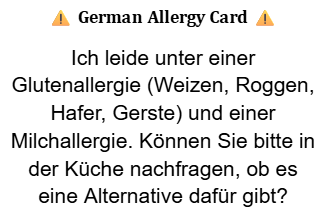
German Allergy card saying the person is gluten and dairy free

These cover most polite interactions and help you make a great impression. If you have the time or motivation learning a few more key phrases really can help but these are a fantastic foundation.

If you’re staying a bit longer or living abroad

If you’re away for more than a few days, knowing that little bit more really can help improve your experience, if this is you, it’s worth learning:

  • Numbers and basic directions
  • Common food phrases
  • Cultural etiquette (e.g., when to bow, when to tip, what not to say)
  • Apps like Duolingo, Memrise or our Travel Phrase Guide can help you pick up just enough to feel confident navigating menus, transport, and everyday interactions. Check out our recent blog post on How to Actually Learn a Language for Travel for advice on how to easily learn the basic phrases without paying for an app.

Final thoughts

You don’t need to speak perfectly. You just need the right words for your trip, and a bit of confidence. If you’re gluten-free, dairy-free, or navigating another restriction, your best first step is this: Create your free allergy card now

Because food shouldn’t be the hardest part of your trip.

How to Use Flashcards to Learn Travel Phrases (The Smart Way, with Dietary Needs in Mind)

Flashcards have been helping people learn languages for decades — and for good reason. They work. The combination of active recall and repetition embeds phrases in a way that passively reading a phrasebook never quite does. Which is exactly what you need when you’re standing at a restaurant counter in Tokyo trying to explain you can’t eat gluten, or asking a ski hire shop in Val d’Isère if your boots are ready.

The difference for travellers with dietary restrictions is that generic phrase lists don’t cut it. “Where is the station?” won’t help you when you need to know if the soup stock contains barley. You need phrases that are specific to your trip, your restrictions, and the situations you’ll actually find yourself in.

That’s where two tools work brilliantly together. Anki, a free flashcard app that uses spaced repetition to help you remember things far more effectively than cramming. And our personalised Travel Phrase Guide, which generates a phrase list tailored to your destination and dietary needs. Together they let you learn exactly what you need, nothing more, nothing less.

In this guide I’ll show you how to combine them so you arrive prepared, not just with the right words, but with the confidence to actually use them.

And if Japan is on your list? I’ve put together the exact Anki deck I used on my last trip there as a free download, no tools required, no strings attached, just a solid head start. Grab the Japan phrase deck here →

Why Bother Learning Local Phrases for Travel?

Let’s be honest, turning up somewhere and launching straight into English (no matter how slowly or loudly) rarely builds a good first impression.

Even learning just five basics; hello, please, thank you, yes, and no, goes a long way. Locals appreciate the effort, and it often leads to better service, warmer smiles, and easier communication. It’s one of the simplest ways to stand out from the average tourist.

“If you talk to a man in a language he understands, that goes to his head. If you talk to him in his language, that goes to his heart” – Nelson Mandela.

For those with allergies or dietary needs, this isn’t just about manners, it’s often essential for safety. Translation apps are helpful, but they’re not always practical when you’re in a rush, offline, or trying to clarify an ingredient in a noisy Tokyo convenience store.

What Is Anki and Why Is It So Effective?

Anki is a free flashcard app that uses spaced repetition, a scientifically proven memory technique, to help you remember things more effectively.

Instead of passive review, Anki uses:

  • Active Recall: Forces your brain to retrieve info, like answering a quiz
  • Spaced Repetition: Shows you cards just before you’d forget them
  • Customisation: Supports images, audio, and anything you want to memorise

It works on desktop and mobile, and once you get the hang of it, it’s a game-changer, for travel, study, or even learning a musical instrument.

What Phrases Do You Actually Need?

Generic phrasebooks are… fine. But they’re full of stuff you’ll never say. Our Travel Phrase Guide is built specifically for travellers with dietary restrictions, or anyone who wants to make more meaningful local connections. You’ll get:

  • Allergy-specific phrases like “Does this contain dairy?”
  • Travel-type phrases like “Where can I get my snowboard waxed?”
  • Essentials like “Can I see a menu?” or “No wheat, please.”

It even includes pronunciation tips and cultural notes so you don’t just sound fluent, you sound polite.

Whether you’re gluten free in Japan or wine tasting in France, the phrases are tailored to your trip. If something’s missing? Just ask the guide to add it.

neon signage

If you haven’t used our Travel Phrase Guide yet, check out the YouTube video below where we show you step by step how to create your own customised list

How to Build Your Own Deck

If you’re heading somewhere other than Japan, or you want to add your own restrictions and destinations, here’s how to build your own deck from scratch in about twenty minutes.

Full instruction on getting started with Anki are available on their website here: Getting started with Anki

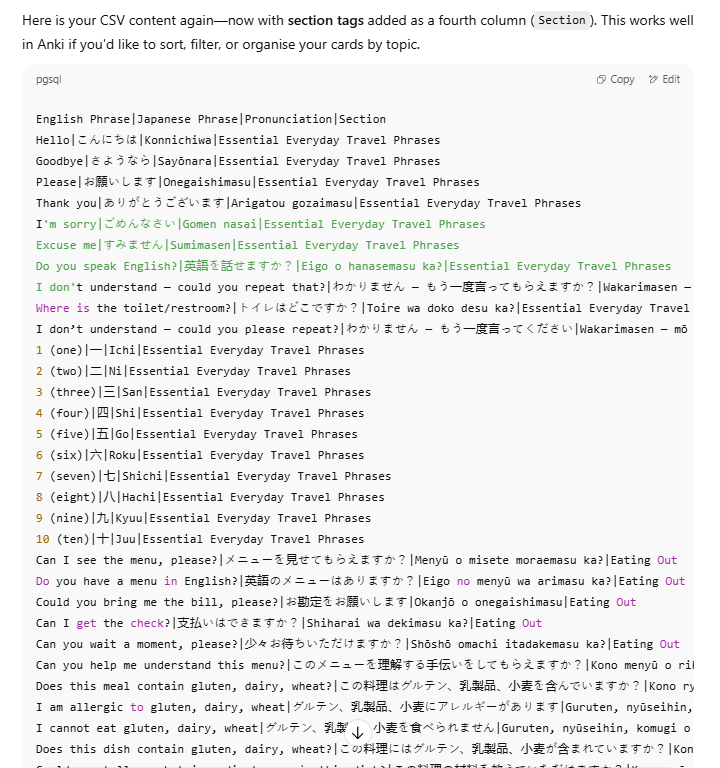
Creating a CSV Using ChatGPT or similar

Copy your phrase list into ChatGPT (or similar) and ask it to format a CSV like this:

Can you create a CSV file for Anki flashcards with these phrases?
Format with pipe (|) separators and these headers:
English Phrase | Local Language | Pronunciation | Section

In the same message then enter the output from the Travel Phrase Guide

Use section tags like:

  • Essential Everyday Travel Phrases
  • Eating Out
  • Allergy & Food Safety
  • Trip Type Specific
  • Shopping

The output will look like this (see image)

A screenshot of a CSV file containing English phrases, Japanese translations, pronunciations, and sections related to essential everyday travel phrases and dining out.

Import into Excel

  • Paste the CSV into Excel
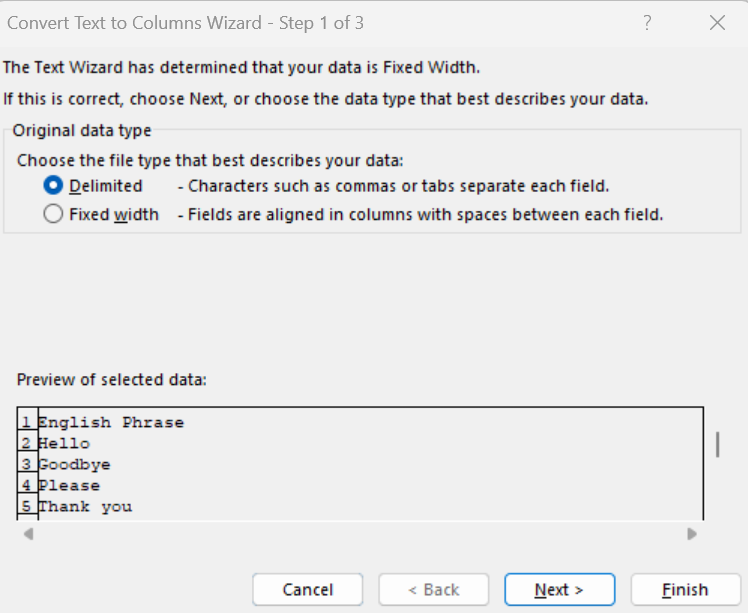
  • Use Data > Text to Columns
  • Choose Delimited, select “Tab” and “Other” (use |)
  • You’ll now see neatly organised columns

Delete the header if needed and save as a CSV file.

Optional: If you want the foreign phrase and pronunciation in the same flashcard field, combine them in Excel first.

Images of the key steps are below

A screenshot of a Text to Columns Wizard interface in Microsoft Excel, displaying options for converting text into columns, with a preview of selected data including phrases like 'Hello' and 'Thank you'.
Select Delimited, click Next
A screenshot of a software interface showing the 'Convert Text to Columns Wizard' with options for delimiters and a data preview of phrases like 'Hello', 'Goodbye', 'Please', and 'Thank you'.
Select Tab and Other and use the | click Next and then Finish
A screenshot of a CSV file displaying various English phrases, their Japanese translations, pronunciations, and section categories related to essential everyday travel phrases.
You should now have a file like this with four columns

Load It into Anki

  1. Open Anki
  2. Go to File > Import, select your CSV
  3. Set field separator to comma ,
  4. Map fields:
    • Front = English
    • Back = Target Language (e.g. Japanese + Romaji)
    • Tags = Section
  5. Import and start reviewing!

Download: The Japan Allergy Phrase Deck

This is the exact Anki deck I used when I travelled Japan gluten and dairy free. It covers the phrases I actually needed — in restaurants, at convenience stores, reading labels, and asking about hidden ingredients like soy sauce and miso.

You don’t need to be a member, and you don’t need to hand over your email. It’s just here because if I’d found something like this before my trip, it would have saved me hours.

Download the Japan Anki Deck — free →

Already have Anki? Import it and you’re ready to go. Never heard of Anki? Scroll up, I’ll walk you through exactly how to set it up in about five minutes.

When and How to Study Effectively

Ten minutes a day for three weeks before your trip is enough to make a real difference. Start with the greetings and restaurant and ordering phrases first, those are the ones you’ll reach for most.

The Anki app works offline, so the flight over is genuinely useful revision time if you’ve been building the habit at home.

How to Study

  • Don’t flip too quickly: Let your brain struggle — that’s where the learning happens
  • Say it out loud: Speaking boosts memory and improves pronunciation
  • Rotate topics: Alternate between food phrases, essentials, and trip-specific vocab
  • Use real context: Pair flashcards with YouTube, podcasts, menus, or even airport signs

Bonus Tips for Real-World Confidence

Want to make your language learning actually work when you’re on the ground? These tips will help you bridge the gap between your flashcards and the real world

  1. Learn real phrases, not textbook fluff – Focus on what you’ll actually say like “Is this gluten-free?” or “No dairy, please.”
  2. Practise saying it out loud, often. Speaking activates a different part of your brain than reading or typing.
  3. Save the Travel Phrase Guide output on your phone or a printed allergy card, having a backup like screenshots of key phrases helps avoid awkward or risky situations.
  4. Use it from day one on the trip – Order coffee in the local language, greet your host, thank your taxi driver. Early wins build confidence and improve retention.
  5. Listen as much as you can – Music, Podcasts, YouTube, airport announcements, you’re training your ear so you can recognise words in context. You won’t catch everything, just recognising one or two words is progress.
  6. Locals love the effort – You don’t need to be fluent. Just trying earns smiles, patience, and often better service. It shows respect

Final Thoughts

Just remember phrases are brilliant for building confidence and showing respect, but they work best alongside an allergy card and a translation app for the moments when conversation gets complicated. If you haven’t sorted those yet, this guide to allergy cards vs translation apps is worth a read before you go.

Want to skip the setup? Download the ready-made flashcard deck I built for my upcoming gluten and dairy-free snowboarding trip to Japan, or head over to the Travel Phrase Guide to create your own in minutes.

However you use it, deck downloaded, built from scratch, or somewhere in between — arriving with even a handful of the right phrases changes the experience. Good luck out there.

FAQ

What is Anki and is it free?

Anki is a flashcard app that uses spaced repetition — a learning method that shows you phrases just before you’re likely to forget them, which means you remember more with less time spent studying. It’s free on desktop and Android, and a one-off purchase on iPhone (around USD $25, which sounds steep but it’s a one-time cost for a genuinely excellent app). There’s also a web version at ankiweb.net if you’d rather not download anything straight away.

Is Anki better than Duolingo for learning travel phrases?

How many phrases do I actually need?

Does this work for any language?

What phrases should I prioritise if I have food allergies?

Can I use the Japan deck even if I’m not using Globally Sauced tools?

How to Eat Safely Abroad: Building Your Food Advocacy Skills Before You Go

Ever found yourself jet-lagged, starving, and staring down a menu you can’t read? And worse, not a clue whether anything’s safe for you to eat? When you’ve got dietary restrictions, travel can be a bit of a minefield. But it doesn’t have to be. Learning how to advocate for yourself is a total game-changer, and just like any skill, it gets easier with practice.

Whether you’re gluten free, have food allergies, or follow a special diet, there’s one thing that can make or break your trip: confidence. The good news? You can start building it right now, from home. Grab a cuppa and have a read and don’t forget to review the practical examples later in the article.

Why Food Advocacy Matters When Travelling

Travelling should be about experiencing the world, not stressing over your next meal. But if you’re managing food allergies or intolerances, even a simple lunch abroad can feel overwhelming.

That’s why building advocacy skills at home is so powerful. The more you practise asking questions, checking ingredients, and speaking up, the easier it becomes to do it when it really counts — like at a tiny café in rural Italy or a market stall in Thailand.

This isn’t just about avoiding risk, it’s about reclaiming the joy of eating while you travel.

Practical Steps to Start Today

Practise with Your Travel Companions

Before your trip, go out to eat somewhere you know is safe. Use it as a rehearsal, ask your usual questions, double-check ingredients, and notice how your friends react. It’s a chance for them to see what dining out looks like from your perspective.

The more familiar they are with your process, the better they can support you on the road

Get Comfortable with Menus and Asking Questions

woman sitting in armchair and reviewing how to ask questions on a menu

Pull up menus from restaurants on Google Maps or TripAdvisor, local and international — and practise reading them aloud. Rehearse how you’d ask about cross-contact or cooking methods.

You’re not aiming for perfection. You’re training your brain to stay calm, even when you’re hangry and jet-lagged in a foreign country.

Our menu review assistant can help you identify what might be suitable for you based on your restrictions, fantastic when ‘Gluten Free’ or ‘Vegan’ may not mean the same thing everywhere but remember it isn’t a replacement for asking questions.

Use positive, open-ended questions

The way you frame your questions matters. Instead of asking, “Do you have anything I can eat?” try:

“I’m gluten and dairy free — what would you recommend for me?”

This approach invites conversation, not a quick no. I asked this at a restaurant in Banff and ended up with a delicious off-menu lunch that even my gluten-loving family ordered. Win-win.

Roleplay Real Situations

Grab a mate and run through some mock scenarios, ordering, asking about allergens, using an allergy card. It feels awkward at first, but it builds fluency and reduces panic when you’re actually abroad. Later in this article we’ve got some examples to get you started.

Don’t forget to ask questions of your accommodation!

Food advocacy isn’t just for restaurants. If your hotel or Airbnb includes breakfast, reach out in advance and ask if they can accommodate your needs.

A brilliant example? A traveller staying at W New York – Union Square was told breakfast was just “coffee and pastries”. They asked about gluten free options — and the hotel sent an Uber to pick up warm cinnamon bun sticks from Modern Bread and Bagel. Magic.

Moral of the story: if you don’t ask, you don’t get.

Tools That Make Advocacy Easier

Food advocacy doesn’t mean doing it all in your head. Use your tech and tools:

  • Translation apps for menus or explaining allergens
  • Customised allergy cards in the local languages
  • Pre-written notes with knowledge gained from your research or our Essentials Travel Pack saved in your phone (especially handy in noisy spots)
  • Custom Google Maps lists with saved safe places

Need help deciding between a card or app? Check out our guide: Allergy Cards vs Translation Apps.

a woman using her mobile phone to translate a menu item

Learn key phrases in the local language

Even a few words like “I have a food allergy” or “gluten free” can go a long way. Locals appreciate the effort, and it shows you take your needs seriously.

How much of a language do you need to know? It depends on the trip. Our Travel Phrase Guide creates a personalised list based on your destination and dietary needs. You can even turn them into digital flashcards with Anki here’s how you can create it for your next trip.

Know Your Rights

In many countries, restaurants are legally required to provide allergen info or accommodate requests. Don’t be afraid to be polite but assertive. And if something doesn’t feel right? You’re always allowed to walk away.

Your health isn’t negotiable.

Quick Tips to Improve Your Advocacy Skills

  • Watch videos or tutorials on communicating allergies at restaurants
  • Join online communities or follow people on Instagram to find out how other people handle ordering safely abroad
  • Keep a journal of your questions and responses, note what worked or didn’t
  • Celebrate small wins — each successful order abroad builds your confidence for next time!

With practice, advocacy becomes second nature, turning stressful meal moments into enjoyable experiences — wherever your adventures take you.

Practical Examples

We’ve included a few scenario’s to help you practice your advocacy skills, they get more challenging as you work your way through them.

Scenario 1: The Classic Order

  • You: “Hi, I’m gluten and dairy free. What dishes would you recommend for me?”
  • Staff: “We have the grilled chicken and a salad — no cheese or bread.”
  • You: “Thanks! Could you confirm the dressing doesn’t have dairy?”

Scenario 2: Allergy Card Power

  • You: Shows allergy card “Hi, this card explains my dietary needs. Could you please check with the chef?”
  • Staff: “Of course, let me check with the kitchen.”

Scenario 3: Cross-Contact Clarity

  • You: “Can you tell me if this dish is prepared separately to avoid gluten contamination?”
  • Staff: “Yes, we use separate utensils for gluten-free orders.”
  • You: “Great, thank you”

Scenario 4: When Staff Seem Uncertain

  • You: “Hi, I have a severe gluten and dairy allergy. Can someone confirm safe options?”
  • Staff: “I’m not sure, we don’t usually get these requests.”
  • You: “No worries, could you ask the chef or manager?”

Tip: Stay calm, polite, and emphasize the seriousness of your allergy. Offering to wait shows you respect their process but also signals it’s important.

Scenario 5: When the Fryers Are Shared

  • You: “Can you please tell me if the fries are cooked in a shared fryer with gluten-containing foods?”
  • Staff: “Yes, they are.”
  • You: “Thanks — is there another side that’s safe?”

Tip: If the risk is unavoidable, pivot quickly to alternatives rather than insisting on something risky. Being flexible while firm helps you stay safe and maintain good rapport.

Final Thoughts: It Gets Easier

Speaking up about your food needs can feel uncomfortable at first. But every time you practise, you build confidence, that travels with you. The goal isn’t just to stay safe — it’s to enjoy food again, even when you’re thousands of miles from home.

FAQ

What if I feel awkward asking questions at home, won’t it be easier when I’m on holiday?

Honestly? Probably not. If you’re not comfortable speaking up in your own language, it gets even harder with the pressure of travel, unfamiliar menus, or language barriers. Start small, one clear question at your local café can build confidence for the big stuff later.

I don’t want to be seen as “difficult” — how do I advocate without causing a fuss?
What if the staff don’t understand me, or dismiss my needs?
Do I really need to practise? I’ve got an allergy card — isn’t that enough?
What if I get emotional or freeze in the moment?

Allergy Cards vs Translation Apps: Which to Use, When, and Why You Need Both

The short answer? Both. But they do different jobs, and knowing which to reach for in the moment makes all the difference between a confident meal and a stressful one.

An allergy card is your sit-down restaurant tool — clear, physical, and impossible to misread in a noisy kitchen handoff. A translation app is your label scanner, your follow-up question, your backup when the card isn’t quite enough. Together they’re more effective than either one alone.

Using an Allergy Card on a phone

I carry both every trip. When I was in Japan I mainly used the translation app to show my allergies in conversation, with a phrase saved as a favourite so I could pull it up instantly — but having the card in my bag was a genuine confidence boost. In a busy restaurant when I needed to hand something to a chef, the card earned its place immediately.

Here’s how to decide which to use, when to use them together, and how to get the most out of both.

Why This Matters for Travelers with Dietary Restrictions

For many travelers with dietary restrictions, even simple meals can turn into high-stakes situations. Using the right tools helps reduce stress and make dining abroad less of a gamble and more of a joy. Whether you’re gluten-free, allergic to nuts, or avoiding pork for religious reasons, preparation leads to peace of mind. Here’s how to decide when to choose and when using both together is your best bet.

Benefits of Using an Allergy Card

Allergy cards are ideally physical and often laminated and written in the local language. They clearly stating your dietary restrictions, allergies, or intolerance’s.

We often include food commonly found locally that you can eat, very useful when your allergies aren’t common in that country. They’re best used when:

  • Ordering at a sit-down restaurant: Handing over a pre-written card is clear, polite, and gives staff time to read carefully. If they need to go away and ask the kitchen its more convenient than the staff walking off with your phone
  • You’re anxious or unsure of pronunciation: If you’re worried about mispronouncing ingredients (like “gluten” in Japanese), a well-written card avoids confusion.
  • Your allergy is severe or life-threatening: A translation app might miss nuance. A properly crafted allergy card helps eliminate ambiguity.
  • They can be machine translated like the text found in our Essentials Travel Pack, Free Allergy Card Creator or human translated like those offered by Legal Nomads or Equal Eats
  • If using a machine translated card where possible verify it with a native speaker or a different tool to check it says what you’re expecting it to say.

Benefits of Using a Translation App

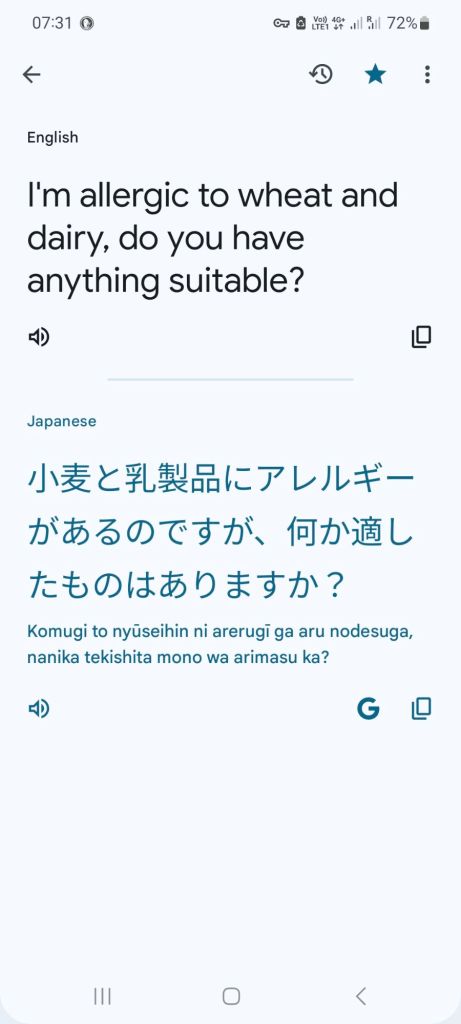
Offline translation of a Google Translation asking what someone can eat

Translation apps are incredibly useful for:

  • Reading labels in store: Use the camera feature to scan food packaging for allergens.
  • Quick, informal interactions: When you just need to ask “Is this dairy-free?”
  • Aid communication: Translate what the person your talking to is saying.
  • Languages with widely available support: In places like Spain or Germany, translation apps tend to be more accurate and reliable.

Warning: Be cautious with voice or instant translation in fast-paced situations. Auto-translation can sometimes miss context, especially with allergy-specific terms

When to Use Both an Allergy Card and an App

In many situations, using both tools together is the safest and most effective approach and is similar to what many of us do at home:

  • Show your allergy card first to establish the seriousness of your restriction.
  • Then use your translation app for follow-up questions, confirming ingredients or preparation methods.

For example:

  • You try to ask the waitress at a a cafe in Barcelona if the fryer is separate and the breadcrumbs are gluten free but it doesn’t quite make sense
  • You show her your gluten allergy card. They nod but you’re still not confident the fryer is separate.
  • You then use a translation app to ask, “Is the fryer separate?” for extra clarity.

Whether you’re managing coeliac disease, food allergies, or religious dietary preferences, communication is key. Think of allergy cards as your reliable, go-to safety tool, and translation apps as your flexible, on-the-fly assistant. Together, they make an unbeatable team for safe and stress-free travel.

Summary Comparison Table

FeatureAllergy CardTranslation App
Offline useAlways works offlineGenerally available offline but you need to download the language
Ease of useShow and goMay take time to become comfortable with the app
AccuracyCan be machine or professionally translatedMachine translation
Cultural fitRestaurant-readyGood for casual conversations
CostFree if you DIY or paid for a cardMostly free

Navigating food restrictions abroad isn’t always easy, but with the right mix of tools, you can enjoy amazing food and stay safe. Try practicing with your allergy card before your trip, and make sure your translation app works offline. It’s a small investment in your health that can make a big difference on the road.

Planning a trip? Check out our Planning Guide and our review of Translation Apps to help you travel with confidence.

FAQ

Can I use allergy apps offline

Yes, apps like Google Translate and Papago support offline downloads so are great if you wont have internet access

Are allergy translation cards accepted in restaurants
Do translation apps cost money
Which is the best translation app to use