
The honest guide for gluten free and dairy free skiers and snowboarders, from the lifts to the izakaya.
Skiing or snowboarding in Japan is everything people say it is. The powder, the onsens, the convenience stores open at midnight when you’re back from the mountain and somehow still hungry. But if you’re gluten free, dairy free, or juggling both, there’s a bit more to figure out before you click into your bindings.
The good news? You’re in the right part of Japan. Nagano Prefecture is soba country, 100% buckwheat soba, made with pride, is far more accessible here than almost anywhere else in Japan. And Niigata, which sits just over the mountains, is renowned throughout Japan for producing some of the country’s finest rice. Between the two, naturally safe food is woven into the fabric of the region in a way that genuinely works in your favour once you know where to look.
The less good news, if you’re also dairy free like me, the mountain itself is trickier. Dairy sneaks into a lot of on-mountain options, and in smaller resort towns the evening restaurant scene is more limited than somewhere like Hakuba. But with the right preparation it’s absolutely manageable, and some of the meals I’ve had in this region rank among my favourite travel eating experiences anywhere.
This guide covers five resort areas: Hakuba, Nozawa Onsen, Akakura Onsen, Madarao/Tangram, and Shiga Kogen. Each has a different vibe and a very different food scene, and knowing that before you book matters more than most people realise.
Before we get into the resorts, if you haven’t already read the main Japan gluten free and dairy free guide, start there for the full labelling law breakdown, allergy card phrases, convenience store cheat sheet, and packaged food vocabulary. This post assumes you’ve got those foundations and focuses on what’s specific to a ski trip.
- Getting There: Practical Tips Before You Arrive
- Before You Hit the Mountain: The Essentials
- On the Mountain: The Honest Reality
- You’re in Soba and Rice Country: Use It
- Hakuba
- Nozawa Onsen
- Akakura Onsen
- Madarao & Tangram
- Shiga Kogen
- Convenience Stores: Your Best Friend on the Mountain
- Final Tips from a Gluten Free, Dairy Free Traveller
- FAQ
Getting There: Practical Tips Before You Arrive
Send Your Gear Ahead with Yamato Transport
If you’re travelling with skis or a snowboard, the single best thing you can do is use Yamato Transport’s ski delivery service. You can drop your gear at most convenience stores or your hotel and have it delivered directly to your resort accommodation, usually within a day or two. It costs a few thousand yen and saves you an enormous amount of hassle on trains, buses, and gondolas. Collect it from your accommodation when you arrive. Do the same on the way home.
For gluten and dairy free travellers, this matters more than you might think — travelling lighter means more capacity in your bag for snacks, backpacker meals, and emergency supplies, and less stress navigating busy train stations when you’re already managing dietary needs on the road.
Stop in Nagano City on the Way
If you’re travelling from Tokyo or another major city, most routes to the Nagano ski resorts pass through or near Nagano city. Don’t rush through it.
Nagano city is worth a stop for two reasons. First, it’s the heart of soba country and home to some of the best juwari soba restaurants in Japan, a proper lunch here before heading to the mountain is genuinely one of the better meals you’ll have on the trip. The Shinsyu Juwari Soba Ten is excellent and has a dedicated gluten free menu.
Second, and more practically, Nagano city has a full range of supermarkets and larger convenience stores where you can stock up on safe snacks, onigiri, and supplies before heading somewhere smaller and more remote. If you’re going to Akakura, Madarao, or Shiga Kogen, this is your last easy chance to stock up properly. Do it.
Sort Your eSIM or SIM Card Before You Leave the City
Signal in mountain areas can be patchy or absent. Having your translation app set up, your allergy card saved offline, and your key phrases loaded before you head into the mountains means you’re not scrambling at a busy lunchtime restaurant on the slope. Sort it in Tokyo or at the airport, not on arrival at the resort.
Before You Hit the Mountain: The Essentials
Sort Your Accommodation Breakfast First
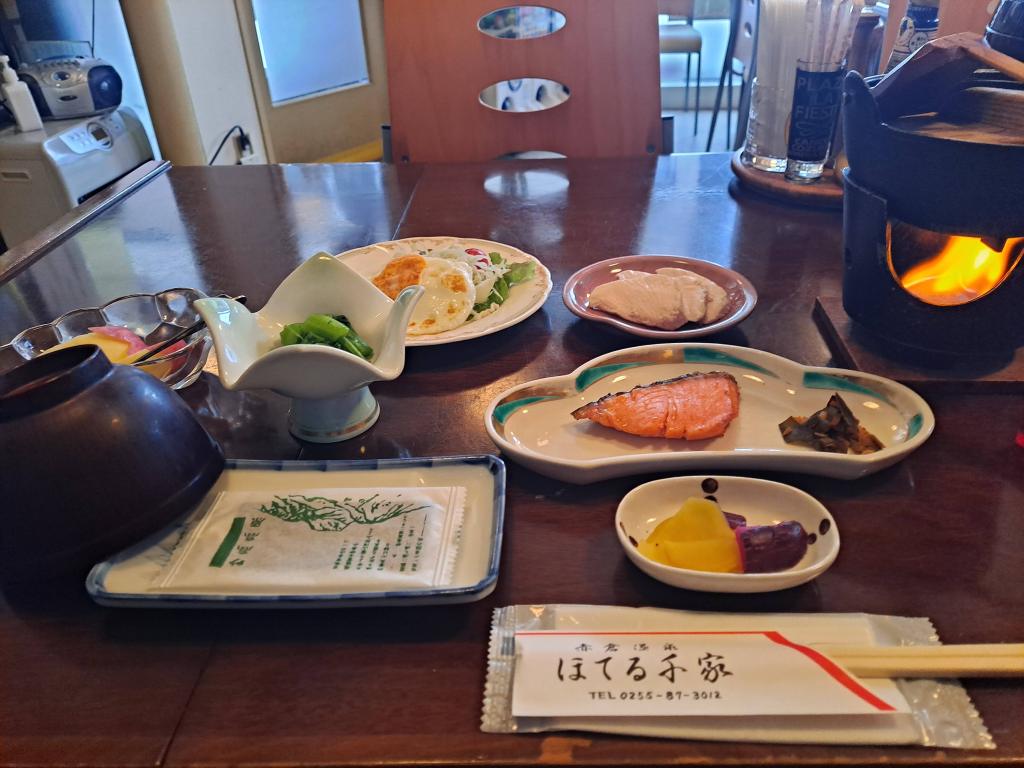
In smaller resort towns like Akakura and Madarao, your dinner options in the evening are limited and most restaurants open late afternoon. If you’re out on the mountain all day your accommodation breakfast becomes more important than usual. Contact them in advance, show them your restrictions, and ask what they can do. A plain Japanese breakfast — rice, grilled fish, miso soup and pickles is often naturally safe or can be made so, confirm in advance with your accommodation. Book somewhere with free cancellation so you have flexibility if they can’t help.
Pack the Onigiri. Every Day.

This is not optional when you’re gluten and dairy free on the mountain. I kept one or two in my jacket pocket every single day. Convenience store onigiri with salmon, salt, or plum filling are your most reliable safe snack. If you’re heading somewhere remote or the convenience store is a gondola ride away, pack them the night before and keep them in your room fridge.
Ask Staff If You’re Not Sure
If the mountain restaurant isn’t too busy and you’re curious about something, ask. Show your allergy card, point at something that looks simple, and ask clearly. The worst they can say is no, and in Japan they will tell you clearly if they can’t help rather than guess. That clarity is one of the things I genuinely appreciate about travelling with dietary restrictions in Japan, a no means no, not maybe. One thing we recommend, if you’re not sure how to use a translation app or when to use your translation app vs. an allergy card we can help with that.
Get Started for USD$5
Start your trip with personalised guidance for travellers like you
Safe dishes, hidden risks, cultural context, allergy cards, and real‑world strategies for eating safely abroad.
On the Mountain: The Honest Reality
Mountain restaurants in Japan tend to serve crowd-pleasing, warming food — curry, ramen, udon, katsu. Most of it contains gluten. Dairy hides in sauces, curry bases, and soup stocks more than you might expect.
If you’re gluten free only, you have more options. Plain rice dishes, grilled chicken or fish without sauce, miso soup (check for wheat and barley), and edamame are usually available somewhere. You might find a curry that works if you can confirm the base.
If you’re gluten and dairy free, like me, the mountain is where onigiri earns its place. I wouldn’t rely on finding a full safe hot lunch on the slopes at every resort outside Hakuba. Having something in your pocket means you’re not cutting your day short because you’re hungry and nothing is safe.
You’re in Soba and Rice Country: Use It
Nagano Prefecture is one of the most celebrated soba regions in Japan. Buckwheat grows well at altitude with cool temperatures, and the tradition of making 100% buckwheat soba — called juwari soba and it goes back centuries here. Restaurants that serve juwari soba are genuinely proud of it and know exactly what they’re serving.
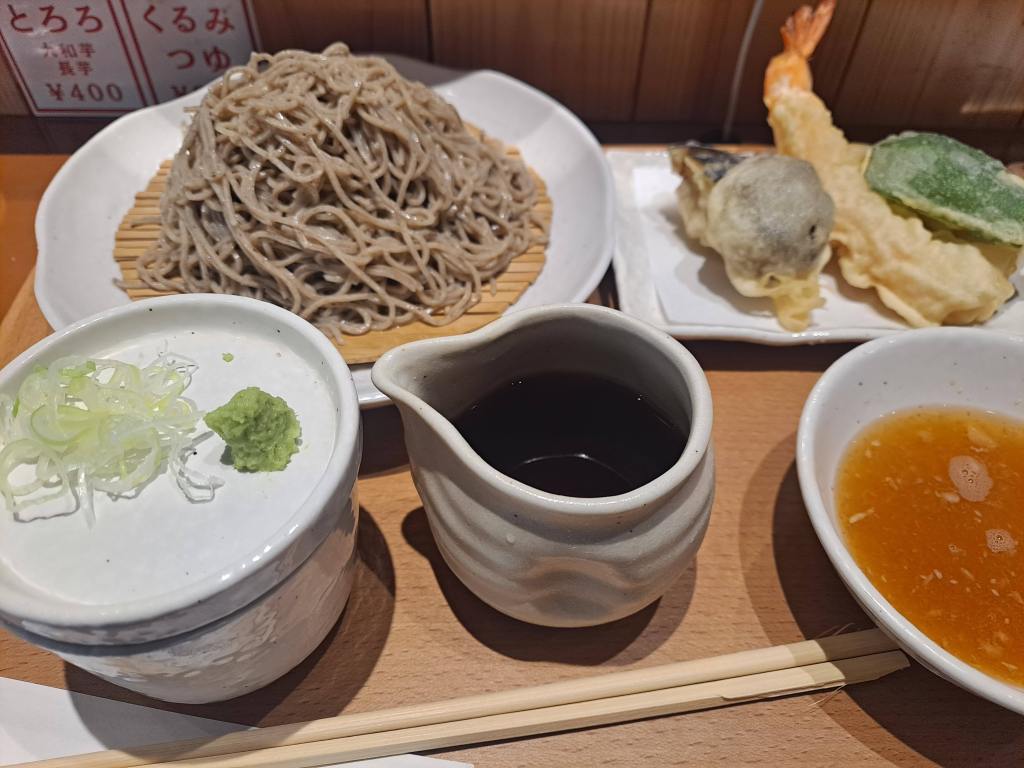
Ask specifically for juwari soba and confirm the dipping sauce, tsuyu almost always contains soy sauce so ask for it on the side or skip it entirely unless its gluten free and eat the noodles with salt. A chef in Nagano actually recommended that to me. Simple and genuinely delicious.
One important note for coeliac travellers: shared cooking water. In a busy soba restaurant that also serves regular soba, the water may be shared. The Shinsyu Juwari Soba Ten in Nagano city has a dedicated gluten free menu and a helpful chef — worth the trip if you’re passing through.
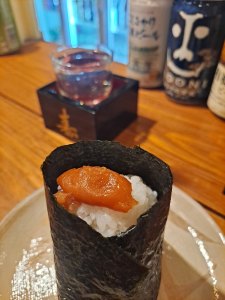
Just over the mountains, Niigata Prefecture is renowned throughout Japan for the quality of its rice. The climate and snowmelt water from the mountains create ideal growing conditions, and locals are genuinely proud of it. For gluten and dairy free travellers this is good news, plain rice here is worth eating on its own merit. Look out for it in your hotel breakfast set, in onigiri, and in simple rice bowl dishes at restaurants. It turns what might otherwise feel like a safe-but-plain meal into something worth ordering.
Hakuba
Hakuba is the most international of the Nagano ski resorts and that shows clearly in the food scene. There are more western-style restaurants here than anywhere else in the region, more English-speaking staff, and more allergen awareness simply because the international crowd demands it. If flexibility matters to you, Hakuba gives you the most options.
Local food culture: Hakuba is known for Hakuba pork, locally raised and featured in many restaurants. Wagyu beef and Shinshu salmon also appear regularly. Shabu-shabu using plain beef or pork slices cooked in water is one of the safest and most satisfying options for gluten and dairy free diners, just skip the dipping sauces or confirm they’re safe.
Naturally safe options to look for: Plain yakitori salt only (塩), sashimi and nigiri without soy sauce, rice and grilled fish sets, edamame, plain tofu. If you’re just gluten free, Hakuba’s burger bars and western restaurants give you significantly more options, including some with labelled allergen menus.
For families and picky eaters: Hakuba is the easiest resort in this guide for families. Burgers, pizza, and western-style food sit alongside the Japanese options, which takes the pressure off if you’ve got kids or anyone in the group who needs more familiar choices.
Restaurant picks: Head Cafe, Ichi-Bánh, Lantern Hakuba, JapaMex, Izakaya Hie Hakuba, The Rabbit Hole, Izakaya Kaz.
Booking: Essential for popular spots, especially in peak season. Many of the best restaurants book out weeks in advance.
Nozawa Onsen
Nozawa is a beautiful traditional onsen village that happens to have great skiing. It feels much more authentically Japanese than Hakuba, which is part of its appeal, this also means fewer western-style options and slightly less allergen awareness in general. The flip side is that traditional Japanese food is naturally gluten free friendly if you know what to order.
Worth noting: the food scene in Nozawa has improved noticeably over the last couple of seasons, with more options appearing as the resort gets busier and attracts a more international crowd. It’s heading in the right direction, though it’s still more limited than Hakuba. Book ahead during peak season as the village fills up quickly.
Local food culture: Nozawa Onsen is famous for nozawana, a locally grown leafy vegetable that’s pickled and eaten as a side dish. Naturally gluten and dairy free, you’ll see it everywhere — a great safe side with a plain rice meal. Good soba is also available here, being in Nagano prefecture, so juwari soba is worth seeking out.
Naturally safe options to look for: Nozawana pickles, plain rice dishes, sashimi, yakitori salt only, onigiri. The village is compact and walkable so you can check menus before committing.
For families and picky eaters: Nozawa’s improving village scene and compact layout makes it manageable with kids. A good second choice after Hakuba if you want a more traditional Japanese experience without sacrificing too many options.
Restaurant picks: Shizen Cafe, Pots Bar & Kitchen, Sakai, Tanuki Cafe & Dining, Juntos Mexican Restaurant & Bar, UNMAIYA.
Create your free customised allergy card
Sign up to our free membership and generate your card in minutes.
Akakura Onsen
Akakura is where I stayed for my snowboarding trip and it’s a smaller, quieter resort town than either Hakuba or Nozawa. The skiing is great, the onsen is brilliant, and the town is charming, but the food scene is more limited, particularly for the gluten and dairy free combination especially if you’re on keen on traditionally Japanese food.

On the mountain I relied on onigiri for lunch most days, salmon, plum or salt from the local convenience store, kept in my jacket pocket. If you’re just gluten free you’ll find a bit more on mountain, but being dairy free on top narrows things down considerably.
Akakura sits in Niigata Prefecture, which is renowned throughout Japan for producing some of the country’s finest rice. That local pride in rice shows up in the food — a simple rice bowl or plain breakfast set here is genuinely worth eating, and the hotel breakfast in particular was a highlight of my stay. Contact your accommodation in advance to confirm what they can do and ask specifically about the miso soup.
Naturally safe options to look for: Plain Japanese breakfast sets featuring local Niigata rice, onigiri from the convenience store, sashimi at dinner, yakitori salt only, plain rice dishes.
Restaurant picks: NINJA Riceball & Sake, Noren Akakura Sushi, Obake Bar & Restaurant, Panorama Cafe & Dining (note shared fryer, let them know your needs), Restaurant Shibata, Mr Burger.
Convenience store access: Check where your nearest convenience store is relative to your accommodation before you book. In a small resort town this matters more than it would in a city.
Madarao & Tangram
Madarao is a quieter resort in Nagano with excellent powder and a relaxed vibe. It’s smaller than Hakuba or Nozawa but what it lacks in variety it partly makes up for in quality — a handful of the restaurants and accommodation options here are genuinely excellent for dietary restricted travellers.
Worth knowing: Pinchi’s Place and Red Tricycle Madarao are both part of the Blueys group. If you’re staying with them you’re well placed across both restaurants, the team understands dietary needs well and the 100% gluten free kitchen at Pinchi’s is a genuine asset. Japan Snowsports is another operation that also offers both accommodation and food, and comes highly rated by dietary restricted travellers. Basing yourself with either of these make the food planning significantly easier — everything is in one place and you’re not scrambling for options in a small town.
Local food culture: Traditional Nagano with some international influence. Juwari soba is worth seeking out here as with the rest of the prefecture.
Naturally safe options to look for: Plain rice and fish, yakitori salt only, sashimi, juwari soba. Restaurants here tend to be accommodating with advance notice.
Restaurant picks: MiSTER DARUMA, Pinchi’s Place Bar & Restaurant (100% gluten free, part of Blueys), Red Tricycle Madarao (part of Blueys), Japan Snowsports.
Shiga Kogen
Shiga Kogen deserves a mention because of its sheer scale, it’s one of the largest ski resorts in Asia, covering multiple interconnected areas across a high plateau. If you’re after serious terrain and serious mileage, it’s hard to beat.
The food situation however requires more planning than the other resorts in this guide. Shiga Kogen is remote, the village infrastructure is limited, and the on-mountain and village dining options for gluten and dairy free travellers are quite restricted without advance preparation.
The most practical approach is one of two things. Either choose a hotel that can genuinely cater to your dietary needs and confirm it in writing before you arrive, the hotel dining becomes your main option and knowing it’s sorted removes a huge amount of stress. Or stay in Yamanouchi town at the base of the mountain, which has a more developed food scene and better convenience store access, and travel up to the resort each day.
Naturally safe options to look for: Plain Japanese breakfast sets at your hotel, onigiri from convenience stores before you head up, sashimi and plain rice in the evenings. Juwari soba is available in the wider Nagano area so worth seeking out if you venture into town.
Our recommendation: Sort your accommodation and its food offering first, before anything else. Shiga Kogen is one of those destinations where the food planning genuinely shapes where you stay rather than the other way around.
Convenience Stores: Your Best Friend on the Mountain
Worth saying again here because it’s so specific to a ski trip — the convenience store is your safety net. In city travel you can usually find a restaurant when you need one. On the mountain or in a small resort town at 7am before the lifts open, the combini is doing a lot of heavy lifting.
Onigiri with salmon, salt, or plum. Boiled eggs from 7-Eleven. Plain fruit. Edamame if you can find it. Soy Joy or Kind bars without dairy. Keep them in your room fridge overnight so you’ve always got something for the mountain the next morning.
If you come across a Natural Lawson, stock up, the range is noticeably better for dietary restricted travellers.
For the full convenience store cheat sheet with Japanese characters, head to the main Japan guide.
Final Tips from a Gluten Free, Dairy Free Traveller
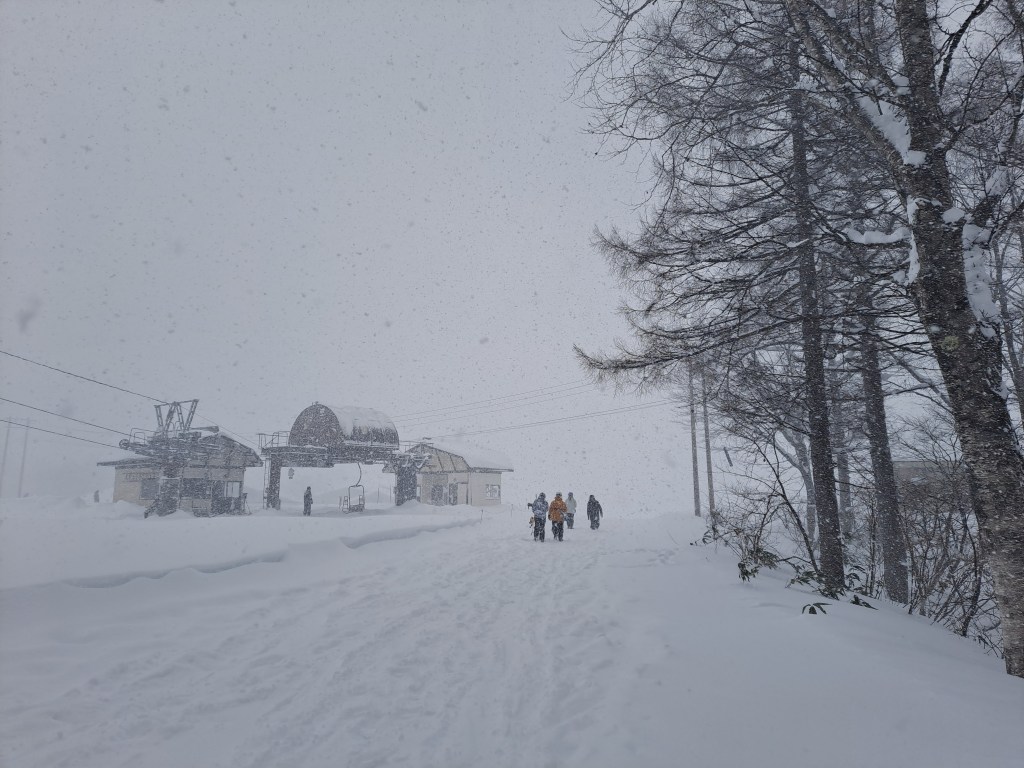
Skiing or snowboarding in Japan is definitely do-able, especially at these resorts.
With the right preparation and tools, you can enjoy the food without panic.
This guide blends real-world experience with the foundations from our Essentials Travel Pack and dining guide research, giving you what you need in minutes, not hours. Think your dietary restrictions listed in the local language, an allergy card to show restaurant staff, key phrases for when your allergy card isn’t enough plus local foods to try and any watch outs all for your combination of restrictions and tailored to your trip.
Don’t just survive your trip, thrive
When you’re managing complex dietary needs, travel can be hard, but we’re here to make travel accessible again. We’ve organized our free planning guides, advocacy tips, and safety tools into one clear path. Whether you need a free allergy card or a complete game plan, start here to build your confidence.
FAQ
Is skiing and snowboarding in Japan manageable gluten free and dairy free?
Yes, genuinely, but it takes a bit more planning than a trip to Hakuba where the international food scene is strong. The combination of gluten free and dairy free is the challenge, not the gluten free alone. Pack your onigiri, sort your accommodation breakfast in advance, and treat the convenience store as your friend rather than a last resort.
What do I eat on the mountain?
Onigiri, honestly. For most resorts outside Hakuba the on-mountain options for the full gluten and dairy free combination are limited. If you’re just gluten free you’ll find more. Check what the mountain restaurant has when you arrive, ask staff if it’s quiet, and don’t count on finding a full safe hot lunch unless you’ve confirmed options in advance.
Which resort has the most options?
Hakuba by a clear margin, because of its international crowd and western-style restaurant scene. Nozawa Onsen is improving season by season and is a strong second. Madarao has some excellent dedicated options if you base yourself with the right accommodation. Akakura and Shiga Kogen require the most planning of the five.
Is Shiga Kogen worth it?
For the skiing, absolutely — it’s a remarkable resort. For dietary restricted travellers it just needs more preparation than the others. Sort the accommodation first and everything else follows.
Do I need to bring food from home?
I bring a couple of backpacker meals and some snacks just in case. The backpacker meals came home with me this trip, the convenience stores and accommodation breakfasts covered me — but having them there meant I never felt stressed about it.
Is the juwari soba really worth it?
Yes. You’re in the region that made it famous. A bowl of 100% buckwheat soba with salt instead of the dipping sauce, made fresh by a chef who’s been doing it for decades, is one of the better meals you’ll have in Japan. Look for it. If your passing through Nagano (the city) right next to the train station is Shinsyu Jyuwari Soba Ten, they have gluten and dairy free 100% buckwheat soba and tempura, the staff will show you how to eat it and the tablets have an English menu.
What’s the easiest resort for families?
Hakuba, without question. Nozawa is a solid second. The smaller resorts — Akakura, Madarao, and Shiga Kogen — are wonderful but require more food planning flexibility, which is easier without little ones in tow.
Should I send my ski gear ahead?
Yes. Yamato Transport’s ski delivery service is one of the best things about skiing in Japan. Drop your gear at a the airport or hotel and collect it at your resort accommodation, just allow a few days for it to get there. It frees you up on public transport and gives you more bag space for snacks and supplies.

Jo is the founder of Globally Sauced, a travel platform for dietary restricted travellers and is gluten and dairy free. When not outdoors or travelling, she loves to empower people with dietary restrictions so they can explore the world safely.
Globally Sauced offers verified restaurant recommendations, country-specific guides, food label / menu translations, and more downloadable resources for gluten-free, dairy-free, allergy-conscious and other dietary restricted travellers. Learn more at globallysauced.com