
You Don’t Need a Luxury Budget to Eat Safely with Dietary Restrictions

Here’s something that happens to travellers with dietary restrictions at least once. You search for safe places to eat somewhere new, and a list or instagram posts comes back that actually looks promising. You click through, you get excited, and then you see the prices. And then, the real tell; those reviewers list the hotels they recommend, and it all makes sense. High end international brands, concierge, someone else to help with the hard parts.

I’m not against this approach, if it helps you travel safely and have a great time with less stress do it. But eating safely with dietary restrictions, whether that’s gluten free, dairy free, nut free, halal, vegan, or any combination, doesn’t require a luxury budget. But it requires a different approach.

Ideally plan your trip around a destination that works for your budget and dietary restrictions. I’m going snowboarding again after Christmas and was hoping to go to Italy, had a few options planned. With what’s happening in the Middle East (key transit hub from New Zealand) and the higher costs in Europe, I’m now going back to Japan but heading north and will go to Europe at a later date. Lets face it, that’s not always an option though. Sometimes our destination isn’t as flexible.

These tips work whether you’re managing one restriction or several. They draw on my experience as a backpacker around Europe and North America a few years back but tailored to our needs. They do rely on a level of comfort with reading labels, using allergy cards and translation apps as well as advocating for yourself. If you’d like to build confidence in those areas first, start here: Allergy Cards vs. Translation Apps, what to use and when to switch and also check out How to build food advocacy skills

Eat where the locals eat

Tourist-facing restaurants charge tourist prices, and they’re often the places most likely to rely on pre-made sauces, shared fryers, and vague “gluten-friendly” claims. Local spots tend to be cheaper, fresher, and often more transparent about what’s actually in the food; especially if you can ask.

If the language or menu feels daunting, timing helps. Go slightly off-peak: after the lunch rush, before dinner service kicks in. Staff have more time, the kitchen is less chaotic, and you’re more likely to get a real answer to a real question. When I was in Nagano, going after the lunch rush meant the staff actually had time to walk me through how the soba was prepared and to answer questions I hadn’t even thought to ask. Such as how to drink the left over dipping sauce.

Soba in Nagano

Think naturally safe, not dedicated safe

Dedicated gluten free or allergy-friendly restaurants exist on a spectrum, some are excellent, some charge a premium for mediocre food, and many aren’t in the budget bracket anyway. But naturally safe food exists everywhere, often cheaply.

Think meat, seafood, tofu, vegetables, rice, potatoes; Dishes built around whole ingredients rather than sauces and coatings. This is where multi-restriction travellers often have an advantage over people looking for western-style alternatives, you’re already scanning for ingredients rather than labels.

Gluten Free, Dairy Free Afghani food in Adelaide, Australia

My mum and I found this worked brilliantly in Adelaide. We weren’t hunting for dedicated gluten free venues. We were eating Afghani kebabs, Greek pita, Mexican fajitas; dishes that were naturally safe for both of us, often cheaper than the “safe” spots recommended online, and genuinely great food.

Make lunch your main meal

Dinner prices at many restaurants, particularly in tourist areas can be significantly higher than the exact same food served at lunch. Where lunch specials exist, they’re worth seeking out. You eat well, spend less, and often have more flexibility because it’s quieter.

Cook some of your own meals

Even partial self-catering makes a real difference, both financially and in terms of reducing the daily mental load of navigating restrictions.

Book accommodation with at least a fridge and kettle if you can, even hotels often have this. A microwave opens up more options. Full kitchens in apartments, guesthouses, and hostels are even better.

GF DF Breakfast from WW in Adelaide recently

Before you travel, look up the major local supermarkets online so you know what products and brands to look for when you arrive. I almost always do this, a quick google search usually brings up the online shop and the dietary filters helps me recognise potentially safe options ahead of time. Hint: Take some screenshots and save in a google drive (or similar) folder.

Bring a reusable water bottle, a set of utensils, a container or bowl, and a few zip-lock bags. If crumbs in shared toasters are a problem for you, toaster bags are worth packing. Having breakfast in your room, or at minimum, a snack in your bag takes pressure off finding every single meal of the day.

Keep drinking to a minimum

Alcohol in bars and restaurants is often one of the biggest budget drains when travelling. It’s also worth noting from a restriction perspective: the decisions you make after a few drinks are rarely the ones you’d make sober. Sneaky sources of cross-contamination tend to slip through more easily when you’re not reading ingredients as carefully as you normally would.

Always have a backup

This matters more than people realise. In Japan, many local restaurants are very small, a wait is common, may be booked out, or simply can’t accommodate your combination of restrictions. In Hong Kong, some of the places that look incredible on paper are Michelin starred and often outside my budget. In Paris or Roma, that gluten free bakery you’ve been looking forward to might also be full of dairy.

Know what your backup is before you need it. A nearby convenience store, a supermarket, a dish you’ve already scoped out. Having a plan B is not being pessimistic, it’s just good travel with restrictions.

A note on upcharges

A gluten free or allergy-modified meal should carry a small upcharge when there’s a genuine cost involved, a different base, extra care in preparation. That’s fair. But a large premium just for existing as a multi-restriction traveller is not something you should feel obligated to pay, and the good news is: with the right approach, you usually don’t have to.

Take the guesswork out of communicating your restrictions

One of the most practical things you can do before any trip is have a clear, accurate card explaining your restrictions in the local language, something you can hand over at a restaurant, market, or convenience store without the pressure of trying to explain it on the fly.

If you found this post useful check out the Start Here guide (link below), all the key posts are organised by stage so that food isn’t the hardest part of your trip.

Image of the Northern Lights

Don’t just survive your trip, thrive

When you’re managing complex dietary needs, travel can be hard, but we’re here to make travel accessible again. We’ve organized our free planning guides, advocacy tips, and safety tools into one clear path. Whether you need a free allergy card or a complete game plan, start here to build your confidence.

Gluten and Dairy Free Travel in Adelaide: What You Can Actually Eat

Adelaide doesn’t always get the credit it deserves as a destination, let alone for its food. It may not be your first choice of destinations but after spending a week there it really should be. Often overshadowed by Melbourne and Sydney, it’s the world’s first and only city within a park, surrounded by a ring of parklands more than twice the size of New York’s Central Park. Designed to be one mile square, it’s remarkably walkable and compact, which matters when you’re navigating food on foot. For gluten free and dairy free travellers, the food is fantastic, incredible variety and caters to all tastes.

This guide comes from my recent birthday trip with my mum, both of us gluten and dairy free, so being able to eat off someone else’s plate was a novelty I took advantage of. I’ve done the research, walked the streets, gone on day trips, and eaten my way through so you don’t have to spend your trip with five browser tabs open.

It says something about the options available when there were so many good ones that I never made it to the Coeliac Australia approved venues I’d originally planned to visit. If I’ve sparked your interest, here’s how to have a delicious gluten and dairy free break in Adelaide.

What You’ll Learn in This Guide

  • Gluten Free, Dairy Free Labelling and Menu Information in Australia
  • Safe gluten-free, dairy free dishes, what to look forward to
  • Some mouth watering dining and grocery options in key locations
  • Our favourite tips for local day trips

Gluten Free, Dairy Free Labelling and Menu Information

Like New Zealand Australia has some of the strictest gluten free labelling laws in the world, and that works in our favour. Under Australian food law, a product labelled “gluten free” must contain no detectable gluten. This is a zero tolerance standard, stricter than what you may have at home. This means that when you see “gluten free” on a label in an Australian supermarket, it genuinely means what it says.

Allergens must also be declared clearly on all packaged foods, wheat, rye, barley, and oats as well as milk are all required to be listed, which makes label reading significantly easier than in many other countries. FSANZ has the full list of the Foods and ingredients to be declared and the wording used

On some labels you might see may contain or may be present to indicate the possible unintended presence of allergens. These are voluntary statements made by food suppliers, just because one label has it and the other does not doesn’t make the label without them safer.

What about the Oats?

Heads up, internationally, there are different approaches to the place of oats in the gluten-free diet. In Australia and New Zealand oats cannot be labelled ‘gluten free’. Coeliac Australia has a whole page on Oats. This may mean that some of your favourite snacks you would assume were sold here are not available, but don’t worry try some of the great local alternatives we’ve listen further down.

A note on eating out and avoiding cross contamination

The above labelling laws apply to packaged products, not restaurant meals. When eating out, the same rules apply as anywhere, ask about preparation methods, shared fryers, shared water, and cross contamination. Adelaide restaurants are generally excellent, but it pays to ask and tip say you are coeliac not just gluten free so staff are aware it is not a preference.

One night, mum and I were out we were at a mexican restaurant, the waitress was lovely, answered all my questions, let the chef know, did everything right. I still had that feeling that it wasn’t 100%, you know the one. but no, completely safe and delicious. Never been more happy to be wrong.

Important local menu/package words or phrases

  • Contains gluten — Mandatory allergen statement under FSANZ.
  • May contain — Advisory for cross-contact risk but note it is voluntary so it not being on a label doesn’t mean no cross-contact risk.
  • Common menu shorthand – Gluten Free (GF), Dairy Free (DF), Vegetarian (V) and Vegan (VG)

Typically Gluten and Dairy Free Dishes

I really love dishes and drinks that are naturally gluten- and dairy-free, ideally with minimal adjustments (just check for cross contamination). The below options are great for that. Alongside the options we’ve listed why. This isn’t exhaustive its some of our favourites.

  • Grilled meats with salad – Simple ingredients and easy swaps.
  • Rice bowls and poke – Naturally gluten free bases and sauces adjustable.
  • Vietnamese rice paper rolls – Rice wrappers and fresh fillings.
  • Sushi or sashimi without soy – Fish and rice are naturally safe.
  • Cafés with GF bread– Clear labeling and dairy alternatives.

Must-Try Dishes with Safety Tips

Adelaide definitely has some dishes you’ll want to try when you get here and good news you don’t need to miss out if you’re gluten and dairy free. Here’s some local favourites and what to watch out for.

Wine tasting at Haselgrove wines in the McLaren Vale region
Dish / ItemWhy It’s SpecialNotes for Safety
Coffin Bay oystersIconic SA seafood, ultra-fresh.Order natural or with GF, dairy-free dressing.
Kangaroo filletLean, uniquely Australian protein.Request no butter and GF sauce.
OctopusPopular on Greek-influenced menus.Confirm GF marinade and dairy-free finish.
McLaren Vale GrenacheAn earthy, fruit-forward, and beautifully food friendly wine. Check if the wine has been fined or filtered with milk.
Flat WhiteAdelaide café culture is excellent.Choose almond or another alternative milk.

Tips for Eating Gluten & Dairy Free in Adelaide

  • The Duke of Brunswick, Port Admiral and Gluten’s FREED are your safety nets and Coeliac Australia accredited, if you’re unsure about a venue and need a guaranteed safe meal, head to one of these.
  • Adelaide’s café scene is generally very allergy-aware. Most will have GF bread available on request, but ask about cross-contamination.
  • Dairy free is generally well understood but less of a focus than GF, so always confirm individual dishes, especially sauces and dressings.
  • Download the Find Me Gluten Free app before you go, it’s fantastic for discovering spots you haven’t pre-researched.
  • The Adelaide Farmers Market (Showgrounds, Sunday mornings) has dedicated GF stalls including Just Gluten Free bakery, worth a visit if you’re there on a Sunday.

Delicious Gluten-Free and Dairy Free Dining Options

Paella in Adeliade at Cumbia Bar Kitchen

Below you’ll find a range of spots from places I have personally eaten at (marked with an *) to places others recommend that I would consider, if open and not too busy.

What are my standards for gluten free? I’m not coeliac (not tested) but I react to crumbs in a toaster, so avoid cross contamination and as such shared fryers, toasters, shared water for noodles etc. I am lactose free, although avoid all dairy when eating out. Note: If I haven’t been some of the options may not be dairy free, but if I have it’s Dairy Free and Gluten Free unless noted.

Coeliac Australia Accredited Venues

Adelaide has something rare in the Australian dining scene: multiple Coeliac Australia accredited venues, including two fully dedicated 100% gluten free kitchens under the same ownership.

  • The Duke of Brunswick Hotel: South Australia’s first independently owned hotel accredited by Coeliac Australia and the winner of the AHA National Award for All Abilities Hotel 2024. The entire kitchen is GF, no cross-contamination risk, no awkward questions. If you’re after pub classics, schnitzel, fish and chips, burgers, pizza, plus one of the widest selections of GF beer in South Australia this is the spot. While it is entirely gluten free it’s not dairy free so do check the menu and ask questions if you’re dairy free or have other restrictions.
  • Port Admiral Hotel – Port Adelaide itself is worth exploring, heritage buildings, the Maritime Museum, galleries. Pair lunch at this 100% gluten free kitchen, Coeliac Australia accredited with an afternoon walk. It’s the sister venue to the Duke of Brunswick, so has the same inclusive philosophy, community pub vibe. While it is entirely gluten free it’s not dairy free so do check the menu and ask questions if you’re dairy free or have other restrictions.
  • Gluten’s FREED – This gluten free AND nut free bakery also caters to those who have other well-known dietary allergies. Note you must order online and click and collect or get delivery, they don’t have a walk in shop.

Dedicated Gluten Free Bakeries

Beyond the accredited venues, Adelaide has a selection of dedicated GF bakeries worth checking out.

  • Food For You Especially – This 100% gluten free bakery. has a range of Bread, pastries, slices, savoury options, its one of the most established dedicated GF bakeries in Adelaide.
  • Gluten Free 4U – This bakery has a range of baked goods that are not only gluten free but also cater to many other dietary restrictions, worth checking out.

Adelaide CBD

  • Afghan Charcoal Kebab House* – Well worth a visit, this unassuming spot serves up food so delicious you could taste the flavours for a while afterwards. We both had the mixed kebab on rice with three skewers and salad. Lamb, chicken and lamb mince.
  • Botanic Lodge* – Tucked away in the Botanic Gardens this spot serves up delicious food. We shared the lamb sausage with roasted onion and beetroot and it was delicious.
  • Cumbia Bar Kitchen* – Right in the Adelaide Central Market this restaurant clearly labels the menu and were able to make the paella gluten and dairy free, and it was delicious. Mum and I shared one for lunch and had a sangria each.
  • Dino’s Greek* – From the dedicated fryer, to the most delicious gluten free pita that they are justifiably proud of this place is a gem. They answered all our questions about eating there and were even able to have a joke about it when they put the food down. We had a glass of rose and a Greek Chicken or Greek Lamb Pita with the tzatziki swapped out for hummus and chips, it was delicious.
  • Grill’d Burgers* – A healthy burger chain serving up delicious burger and fries. Staff know the ingredients and can cater to gluten and dairy free no problem. We each had the Summer Sunset Burger and shared some chips.
  • Hecho En Mexico Adelaide* – We had fajitas (one pork and one chicken) with no mint cream or cheese. We asked questions about the hot plate, found they used butter so asked if they can swap to oil which they did, this was the one spot I was nervous about but had no reason to be, it was delicious and safe.
  • Likuid Espresso* – This cafe near the train station is great value and always has a few people dining. We each had scrambled eggs on gf toast, they knew what was in the food and made sure it was safe, omitting the milk from the scrambled eggs.
  • Sit Lo* – This casual Vietnamese eatery caters to gluten and dairy free diners with rice or vermicelli bowls. Suitable options are marked GF and staff know their ingredients. We had a roast pork with rice and grilled chicken with vermicelli and share some steamed greens.
  • Sushi Hub* – Right on Rundle Mall, One staff member knew the ingredients but the staff member serving us was unsure so ask questions. We had the salmon and tuna nigiri. They did have gluten free soy sauce.

We never made it to the fine dining end of things, not because it wasn’t tempting, but because there were so many excellent options at every other level that we simply ran out of meals.

Got a day trip planned?

Adelaide is brilliant as a base for day trips, and the good news is that the food-friendly attitude doesn’t stop at the city limits. Not every operator will be able to cater to dietary needs but mention your needs to them ahead of time, research options in likely stops and pack a backup snack or two and you might be surprised. Don’t assume that being away from the city means being stuck with whatever’s available. We did day trips to Victor Harbor and Hahndorf / McLaren Vale and had a number of choices. If you can have dairy you would have even more options.

Sign outside a cafe in Hahndorf, SA

The Barossa Valley

About an hour from Adelaide, it’s one of Australia’s great wine regions, and accessible for gluten free and dairy free travellers. Wine is naturally GF, and several tour operators accommodate dietary needs with advance notice.

Self-drive option: Hire a car and visit cellar doors at your own pace. Jacob’s Creek, Penfolds and Magill amongst others all welcome walk-ins.

Guided tour option: Several operators either offer GF-friendly lunches on request or give you free time to find your lunch, do some research, book ahead and confirm your needs.

Adelaide Hills, McLaren Vale & Hahndorf

Just 30 minutes from the CBD, the Adelaide Hills, wine region of McLaren Vale and the German-heritage town of Hahndorf is a popular day trip. I recommend researching possible food options before hand, especially if you are on a day tour.

Traditional German fare (schnitzel, bratwurst, strudel) contains wheat, however most of the options I saw were gluten free, the dairy in the mashed potatoes was usually the issue for us. We can recommend this cafe though:

GF DF Reuben Bagel from Same But Different Cafe in Hahndorf near Adelaide, Australia

Same But Different Cafe* – We ordered a Reuben Bagel and a Stacked Brekky Bagel and went halves and shared a gf vegan chocolate friand. They’d run out of bagels but swapped it for delicious home made bread. They knew what was in the food and checked if we wanted vegan cheese or to omit it.

Victor Harbor and Fleurieu Peninsula Tour

The Fleurieu Peninsula is a stunning coastal area which includes the McLaren Vale wine region and some beautiful coastal scenery where we saw seals and pelicans. The towns of Strathalbyn, Goolwa, and Victor Harbor are all different but all had solid gluten free options including;

Bean Machine* – In Strathalbyn, this cafe made coffee milk seperate milk jugs and had a gluten free dairy free treat.

The Old Market Shed – In Strathalbyn, the store had a number of packaged and fresh products but the find was the gluten free cafe in the same building, they also detail other key ingredients and had a range of cabinet food.

Mum eating GF DF Fish and Chips at Victor Harbor near Adelaide, Australia

J F & C* – In Victor Harbor, if you’re looking for gluten free dining options this one is probably on the list for good reason. Not only are their fish and chips delicious but the dedicated fryers, labelled wrapper and to staff that know their allergens is very reassuring. We had the calamari pack and the prawn pack.

The same rules apply everywhere, book ahead if possible, give them a heads up about your restrictions, and you’ll be surprised how often your needs can be accommodated.

Gluten-Free, Dairy Free Groceries

Whether you’re self-catering, stocking up on safe snacks, or just want to know your options, Adelaide is well-served.

Supermarkets

Woolworths & Coles: Both have stores right on Rundle Mall opposite each other, they both carry strong Free From ranges including GF bread, pasta, cereals, snacks and dairy alternatives. The labelling laws mean you can shop with confidence, and being kiwi’s we found many of our favourites from home but some delicious coconut macaroons, brownies, lactose free greek yogurt and juicy boysenberries were favourites.

GF Section in WW on Rundle Mall, Adelaide

Health Food & Specialty Stores

  • The Happy Jar (CBD): Bulk wholefoods, zero-waste, strong GF focus. Good for snacks and pantry staples.
  • Nutrition Republic Goodwood: Health food café and store. Good for GF snacks and supplements.
  • The Organik: Organic market and café. Cited by the GF community as a reliable source of specialty products.

Adelaide Central Market

Delicious and safe turkish delight at the Adelaide Market, Australia

If you only do one thing in Adelaide outside of eating at restaurants, make it the Adelaide Central Market. Open since 1869, it’s one of the largest undercover fresh produce markets in the Southern Hemisphere and is brilliant for gluten free and dairy free travellers. Not only are there a number of suitable options (including turkish delight, local milk, donuts, delicious meats, fruit and vegetables, paella and dolma) but the food is reasonably priced, with a number of locals using it for their weekly shop. I found fruit and vegetables were similar or even cheaper than Woolworths when we went.

Accommodation and Food

  • Contact them in advance to check if they can cater to your needs if breakfast is included, I book though booking.com with free cancellation and use their messaging to ask about dining options at the hotel.
  • Make sure there is suitable dining options near to your accommodation, you don’t want to have to catch a train or walk when you or someone else is tired.
  • Some people prefer to get options that are self catering, so they have a kitchen depending on your situation this might be a great option.

Must Have Websites

Ready to Travel Without Food Worries?

Personalised guidance for travellers like you, including safe dishes, hidden risks, cultural context, allergy cards, and real‑world strategies for eating safely abroad.

Packing Tips for Gluten-Free, Dairy-Free Travellers

  • Bring a few protein bars, snacks or backpacker meals for emergencies and a few sandwich or snack sized zip lock bags to decant snacks
  • If language is a barrier, create and print translation cards and have your favourite translation app, make sure you read our article on allergy cards vs. translation apps to know what to use and when
  • Any medications you might need either day to day or if you accidentally eat or drink the wrong thing

Final Tips from a Gluten Free, Dairy Free Traveller

The river in Adelaide

Adelaide is one of those cities that rewards travellers who do their research, and gluten free and dairy free travellers who plan ahead will find it a breath of fresh air. Between the fully accredited pubs, the dedicated bakeries, the extraordinary Central Market, and a fine dining scene that takes dietary needs seriously, there’s very little reason to feel limited here.

With the right preparation and tools, you can enjoy the food without panic.

The Essentials Travel Pack builds it all for your exact combination, your restrictions in the local language, an allergy card, key phrases, local foods to try, and what to watch out for. Everything you need in minutes, not hours.

FAQ

Is Adelaide good for gluten free and dairy free travellers?

Adelaide is one of the best cities in Australia for gluten free and dairy free travellers. Between dedicated gluten free kitchens, Coeliac Australia accredited venues, an extraordinary Central Market, and a café scene that takes dietary needs seriously, there is a lot to choose from at every budget.

Are there dedicated gluten free restaurants in Adelaide?

Yes, Adelaide has two fully dedicated 100% gluten free pub kitchens under the same ownership: the Duke of Brunswick Hotel and the Port Admiral Hotel, both accredited by Coeliac Australia. There are also several dedicated gluten free bakeries including Food For You Especially and Gluten’s FREED.

Is the Adelaide Central Market good for gluten free and dairy free?

The Adelaide Central Market is brilliant for gluten free and dairy free travellers. There are naturally safe options throughout, fresh produce, meats, paella, dolma, and more. At prices that are comparable to or cheaper than supermarkets.

Can I do gluten free day trips from Adelaide?

Yes. The Fleurieu Peninsula, Hahndorf, and the Barossa Valley all have options for gluten free and dairy free travellers with a little research ahead of time.

What are the gluten free labelling laws in Australia?

Australia has some of the strictest gluten free labelling laws in the world. Any product labelled gluten free must contain no detectable gluten, a zero tolerance standard that is stricter than many other countries including the US and UK.

Image of the Northern Lights

Don’t just survive your trip, thrive

When you’re managing complex dietary needs, travel can be hard, but we’re here to make travel accessible again. We’ve organized our free planning guides, advocacy tips, and safety tools into one clear path. Whether you need a free allergy card or a complete game plan, start here to build your confidence.

Gluten and Dairy Free Travel in Japan: What You Can Actually Eat

Japan is either going to ruin every other country for you, or overwhelm you on day one. From small neighbourhood eateries to convenience stores that feel five years ahead of the rest of the world, there’s far more on offer for gluten and dairy free travellers than you might expect.

One thing I love about Japan? Show a restaurant, café, or shop your allergy card and they won’t guess. If it’s not safe, they’ll tell you. That clarity is so good and removes a huge layer of stress.

This guide blends my experience from multiple trips with the foundations from our Essentials Travel Pack, Dining Guide and recommendations from recent travellers to give you what you need in minutes, not hours of late night searching.

Sensoji Temple, Asakusa, Tokyo

If scanning Japanese packaging looking for ingredients makes you think “where do I scan?” learn how to read Japanese Food Labels while you’re here. If Japan is the starting point for a Nagano / Niigata ski trip I’ve gone further in a dedicated post. Here’s how to not only survive Japan gluten and dairy free but thrive and want to go back.

What You’ll Learn in This Guide

  • Tips and advice for gluten free, dairy free travellers in Japan
  • Allergy card text and essential local phrases
  • Safe gluten-free, dairy free dishes, what to look forward to
  • Some mouth watering dining and grocery options in Tokyo, Nagano, Kanazawa, Kyoto, Osaka, Hiroshima and beyond

Gluten Free, Dairy Free Labelling and Menu Information

Japan’s food labelling laws are clear, but they’re not designed with gluten-free or dairy-free travellers in mind. By law, packaged foods must declare seven mandatory allergens: egg, milk, wheat, buckwheat, peanuts, shrimp, and crab. That’s helpful, but also where many assumptions go wrong.

  1. Gluten is not labelled as a category. Only wheat is required, which means foods containing barley, rye, oats or malt may still appear “safe” at first glance.
  2. Soy sauce is a major blind spot. It almost always contains wheat
  3. Dairy beyond milk isn’t always obvious. Butter, cream, cheese, and milk powders can appear under broader ingredient terms

Japan also has a list of recommended (but not mandatory) allergens including; soy, sesame, almonds, and cashews, but these may or may not be declared, depending on the manufacturer.

For more information read the post on Why Japan handles food labelling different for more detail on this including how to read the Japanese packaging.

What This Means for Menus and Eating Out

Restaurants in Japan are not required to provide allergen menus, and “gluten-free” as a concept isn’t widely used in traditional dining, however dairy can be less common especially in more traditional cuisine. What I’ve found is, show an allergy card (mine is below) and staff are very quick to say ‘No’ if they cannot serve you, if they do, respect this and go elsewhere. That doesn’t mean staff are unhelpful, it means:

  • Menus rarely list full ingredients
  • Staff may need a clear explanation rather than a label
  • Asking the right way matters more than asking loudly.
  • Cross-contamination is also common in small kitchens, shared fryers, and noodle-focused restaurants, even when a dish looks naturally gluten or dairy free.

The Takeaway

Reading packaging carefully, understanding common ingredients, and being able to clearly explain your needs will take you much further than relying on menu icons or English translations.

Essential Gluten Free and Dairy Free Words and Phrases

If you have an allergy card, your translation app, can use both of them and have a few basic Japanese words (here’s the Anki phrases I use) the below will take your experience to the next level. Even if you don’t remember it all any knowledge is power.

Packaged Food Cheat Sheet

Wheat

  • 小麦 (komugi) – wheat
  • 小麦粉 – wheat flour

Barley / Malt

  • 大麦 (ōmugi) – barley
  • 麦 (mugi) – barley/wheat (general)
  • 麦芽 (bakuga) – malt

Soy Sauce & Derivatives

  • 醤油 (shōyu) – soy sauce
  • たまり醤油 – tamari (often still contains wheat in Japan)

Breadcrumbs / Batter

  • パン粉 – breadcrumbs
  • フライ粉 / 衣 – frying batter / coating

Use Caution

  • 水飴 (みずあめ / mizuame) – starch syrup (source may be rice, wheat or barley)
  • 調味料(アミノ酸等) – seasonings
  • 加工でん粉 – modified starch
  • 乳 / 牛乳 – milk
  • バター – butter
  • 生クリーム / クリーム – cream
  • チーズ – cheese
  • 乳製品 – dairy products
  • 脱脂粉乳 / 全粉乳 – milk powders

Naturally GF & DF (Still Check)

  • 米 / 米粉 – rice / rice flour
  • もち米 – glutinous rice (gluten-free despite the name)
  • 野菜 – vegetables
  • 果物 – fruit

Allergy Card

This is the actual card I use in Japan as a gluten free and dairy free traveller (see image), and I had comments on how polite it is. Allergy is more readily understood in Japan vs. other terms. You can get one with more detail in either the Essentials Travel Pack or the allergy card creator.

Gluten free Mochi in Kanazawa
  • English: I am allergic to gluten (wheat/barley/rye/oats) and dairy. Is there anything suitable? If you’re not sure, please say so. Thank you.
  • Japanese:  私はグルテン(小麦 / 大麦 / ライ麦 / オーツ麦)と乳製品のアレルギーがあります。何か適当なものはありますか?もし確かでない場合は、 そうおっしゃってください。おねがいします。

Essential Safe Eating Phrases

The below assumes you have shown staff your allergy card and they have responded with yes or similar. I found that I needed to check soy sauce and confirm if a breakfast item was yoghurt with dairy once or twice but otherwise found I could point at something and say komugi or nyūseihin.

塩味で、ソースは別にしてください。shio-aji de, sōsu wa betsu ni shite kudasai.
Season with salt, serve sauces separately.

十割そばはありますか。小麦は入っていますか。jūwari soba wa arimasu ka. komugi wa haitte imasu ka.
Do you have 100% soba? Does it contain wheat?

揚げ物と共通油は避けたいです。agemono to kyōtsū abura wa saketai desu.
I need to avoid fried items and shared oil.

これは小麦が入っていますか?kore wa komugi ga haitte imasu ka?
Does this contain wheat?

これは乳製品が入っていますか?kore wa nyūseihin ga haitte imasu ka?
Does this contain dairy?

Create your free customised allergy card

Sign up to our free membership and generate your card in minutes.

Must-Try Dishes with Gluten Free, Dairy Free Tips

I really love dishes and drinks that are naturally gluten free and dairy free, ideally with minimal adjustments (just check for cross contamination). The below options are great for that. Alongside the options we’ve listed the watch outs. You might find other things if so just eat it if you’re comfortable

  • Sashimi (刺身) – Pure, simple, and one of the safest choices in Japan. Fresh fish with no batter or sauce. Skip soy sauce or use a gluten-free version.
  • Nigiri Sushi (寿司) – Fish over seasoned rice. Ask for no soy sauce brushed on and enjoy as-is. Wasabi is usually fine.
  • Shabu-Shabu (しゃぶしゃぶ) – Thinly sliced meat and vegetables cooked in plain water. Avoid dipping sauces unless confirmed gluten-free. One of the easiest sit-down meals.
  • Cold or Warm Tofu (冷奴 / 湯豆腐) – Tofu on its own is naturally gluten- and dairy-free. Sauces are optional, plain is safest and very normal.
  • Yakitori (焼き鳥・塩) – Grilled chicken skewers ordered salt-only (塩). Avoid tare sauce, which almost always contains soy sauce and mirin. Just check the grill for contamination
  • Onigiri with Simple Fillings (おにぎり) – Rice balls with plain fish (e.g. salmon), plum, red bean or salt.Just check the ingredients, some are safe other’s not so. I kept a few in my bag and stored them in the fridge in my room.
  • Natto (納豆) – Fermented soybeans. Use caution with the seasoning packet, i never added it, but the natto itself is usually safe.
  • Plain Rice & Grilled Fish Sets (定食) – A very “everyday Japan” option, I had this for breakfast most days if it was available at the hotel. Eat the rice, fish, and vegetables, skip sauces unless confirmed.
  • 100% Buckwheat SobaJuwari Soba (十割そば) – If it is Juwari it can be gluten-free. But note the dipping sauce (つゆ) almost always contains soy sauce.
  • Sake (日本酒) – Traditional sake is made from rice, water, yeast, and kōji—no wheat, no dairy. Most sake is considered gluten-free. Flavoured or modern craft versions may add extras, so stick with classic styles.
  • Shōchū (焼酎) – Distilled spirit commonly made from sweet potato, rice, or barley. So check the base ingredient before ordering.
    • Sweet potato (芋) and rice (米) shōchū are generally gluten-free.
    • Barley (麦) shōchū is not suitable if you avoid gluten

Just remember sauces are where things get complicated, not the food itself. Order simply or plain. You aren’t “missing out”, just ask for some salt to dip your sashimi in (The chef recommended that to me in one restaurant) or bring a soy sauce packet from home.

Delicious Gluten-Free and Dairy Free Dining Options in Tokyo, Kanazawa, Osaka, Kyoto and Beyond
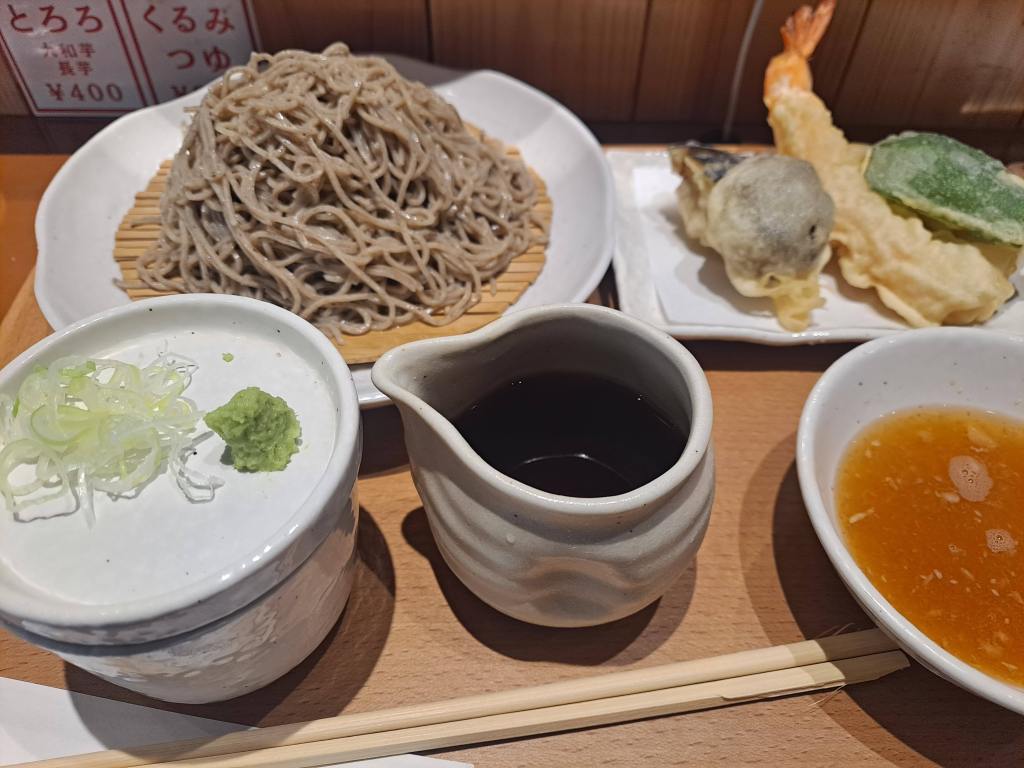
Gluten Free soba in Nagano

Below you’ll find a range of spots from places I have personally eaten at (marked with an *) to places others recommend that I would consider, if open and not too busy.

If you’re travelling in a group, you need to make a booking for some place or else split your group up.

What are my standards for gluten free? I’m not coeliac (not tested) but I react to crumbs in a toaster, so avoid cross contamination and as such shared fryers, toasters, shared water for noodles etc. I am lactose free, although avoid all dairy when eating out. Note: I haven’t been, some of the options may not be dairy free, but if I have it’s Dairy Free and Gluten Free unless noted.

Not included on this list are a range of chains with allergy meals such as Kura sushi, Bikkuri Donkey, Curry House, COCO, Denny’s restaurant, Mos Burger and Matsuya Foods, you’ll find these all over Japan.

Tokyo

Asakusa & Ueno

  • Avan – Everything in this cafe in Ueno station is gluten free and they serve sweet and savory dishes including gluten free churros
  • Gluten Free T’s Kitchen – Restaurant serving delicious gluten free Japanese dishes, its small so you may need to book.
  • Gonpachi – They have a gluten free menu with tempura, sashimi, grilled chicken and other treats
  • NCカレー(Natural Curry Restaurant) – This restaurant serves up delicious Japanese curries and has gluten free and vegan options
  • Tempura Asakusa SAKURA – Everything is gluten free and the flavours and atmosphere come highly recommended

Ginza & Tokyo Station

  • 鮨和食バル【東京橋】* – I stayed in the nearby hotel and had breakfast here, staff knew what was in the food and which options were suitable
  • 2foods Vegan restaurant Ginza* – This vegan restaurant has some delicious gluten free options including omurice & a couple of sweet offerings. Delicious.
  • 8go (Stylish Dinner, Bistro, Gluten Free, Vegan Food) – A restaurant with some delicios and well reviewed gluten free and vegan options
  • Ain Soph. Ginza* – This is a great place to experience a variety of Japanese vegan food. They’re known for the pancakes. In summer you do need to book.
  • Soranoiro Nippon – I struggled to find this in Tokyo station but for GF ramen and gyoza its worth a visit.
  • Tokyo Midtown Yaesu* – The salad was really tasty and the staff checked the ingredients and helped me find something safe.

Harajuku

  • Gonpachi Nori-temaki Harajuku – The staff at this hand rolled sushi restaurant explain what is and isn’t gluten free and even have gf soy sauce.
  • RICEHACK GlutenfreeBakery – This riceflour based bakery also does dairy free food. Note there are no tables only a bench outside
  • Rizlabo Kitchen – Known for its gluten-free fluffy pancakes and crepes, they also have a good selection of sweet and savory dishes.

Roppongi

Shibuya

  • グルテンフリーおばんざいLL – This dedicated GF, lunch only spot is only open on some days, and reservations required, booked through a DM on instagram.
  • NachuRa Gluten Free Cafe – This gluten free cafe is known for its cream puffs
  • Okomedoki Rice Burger – They only have one gluten free option but reviewers mention its safe and is a great burger alternative
  • Shinbu Sakiya Ramen – This restaurant serves incredible gluten free ramen, kaarage chicken and gyoza. It also has vegan options as well.

Shinjiku

  • Ain Soph. Shinjiku* – This is a great place to experience a variety of Japanese vegan food. They’re known for the pancakes.
  • D.I.Y. Salad & Delicatessen* – The staff were able to make me a suitable, safe and delicious custom chicken salad.
  • Marbre vegan* – This vegan restaurant has a number of gluten free options including delicious cakes and pastries
  • Moyan Curry* – This Japanese curry house has a number of GF options, the last time I came though they said there was butter in the sauce. So its not DF.
  • Paricolle Kabukicho – This cafe is a real treat, great food with much of it gluten free. Almost all dishes are gluten free here and some are vegetarian. They are all clearly labeled.
  • Teppan Baby – This is gluten free but the grill top is the same so there could be some contamination at this okonomiyaki restaurant, it does review well for GF nonetheless

Nagano & Niigata

Planning a ski trip to this region? Our dedicated gluten free guide to skiiing and snowboarding Nagano and Niigata covers resort by resort what to eat on and off the mountain.

Matsumoto

  • Kobayashi Soba – Another place that comes highly rated which was closed when I visited, caters to vegan as well as other dietary needs
  • The Laughing Frog 笑蛙屋* – This bar serves fantastic cocktails and delicious sausages. The owner will go check ingredients.
  • Takagi – This soba restaurant caters to gluten free diners but going on reviews does may attract more tourists.
  • Temariya – Going by the reviews this pastry option could be worth a look if its open, its a rice flour bakery.

Nagano

  • Cafe&Bar PATo – Another spot that was closed when I visited but its all gluten free
  • Foret coffee – Delicious coffee and gluten free snacks!
  • Nagano-ken Choju-shokudo – This restaurant caters to vegetarian and gluten free customers but does get busy, so be prepared to wait
  • Shinsyu Jyuwari Soba Ten* – This soba shop has a gluten free menu (they use tablets) and the chef is super helpful, showing you how to eat it if needed. It can get busy though

Akakura Onsen

  • Mr Burger* – I stayed in the associated hotel, where they provided plain safe, delicious japanese breakfasts each day. On the menu is an egg and ham rice bowl with miso. It was delicious and nice to have a safe choice.
  • NINJA Riceball & Sake* – The Onigiri is made while you wait and so much better than the kombini offerings, they also have gluten free beer and safe options are listed on the menu. Staff will also show you how to drink sake properly.
  • Noren Akakura Sushi* – This sushi restaurant was very accommodating for gluten free, showed me they used different knives etc and explained the safe options.
  • Obake Bar & Restaurant – Such a cute and fun little bar. Almost everything on their menu is gluten free, they fry with gluten free flour and only use gluten free soy sauce!
  • Panorama Cafe & Dining* – This aussi run restaurant does have a number of gluten free items on the menu but they do use a shared fryer, however they have other safe options, just let them know you’re coeliac. Your flat white is safe, they use separate jugs for the alternative milks
  • Restaurant Shibata – This restaurant has gluten free options, just ask the staff.

Madarao / Tangram

  • Japan Snowsports – The menu can be adapted for a range of dietary needs and is highly rated by gluten free travellers
  • MiSTER DARUMA – Most of the food is gluten free and safe for coeliacs and the restaurant is also great for food allergies with advance notice.
  • Pinchi’s Place Bar & Restaurant – Another restaurant owned by the people behind The Bruey’s, its 100% gluten free.
  • Red Tricycle Madarao – The Vietnamese restaurant associated with The Bruey’s comes highly regarded

Nozawa Onsen

  • Juntos Mexican Restaurant & Bar – Make sure to book when its busy but this cute spot has gluten free and vegetarian options marked.
  • Pots Bar & Kitchen – This restaurant caters to both vegan and gluten free diners, reviewers suggest booking.
  • Sakai – This Izakaya has a gluten free menu which recent GF visitors rate
  • Shizen Cafe – A plant based gluten free cafe serving sweet and savory options, and also sell fresh bread.
  • Tanuki cafe & dining – This local gem has a number of gluten free and vegan options.
  • UNMAIYA – I’ve heard great things about so many of their offerings when you want something quick.

Hakuba

  • Head cafe – For gluten free cafe treats the toasties and muffins are a hit
  • Ichi-Bánh – Has delicious gluten free Vietnamese food with a range of suitable options
  • Izakaya Hie Hakuba – For safe Izakaya fare think sushi, sashimi, kebabs etc they can keep you safe going on recent reviews
  • Izakaya Kaz – If your wanting to try hot pot of craving sushi or sashimi here’s a great option
  • JapaMex – Tasty mexican food where nearly anything can be gluten free
  • Lantern Hakuba – Chef is knowledgeable and can show you the safe options
  • The Rabbit Hole by HHG – If your craving a burger and fries, this place has your back. They can modify meals to make sure its safe

Kanazawa

  • Aashirwad – A delicious Indian restaurant has all your favourites and then some and caters to many dietary needs
  • 鉄板酒房haru* – This okonomiyaki restaurant has a friendly helpful owner who serves delicious safe food catering to many dietary needs
  • Cafe Merzbau* – A cute coffee shop with a gluten free menu
  • Cafe Restaurant Fusion 21* – The onsite cafe for the Kanazawa 21st Century Museum of Contemporary Art doesn’t have many safe options but its delicious
  • Love for All – Serving up vegan and vegetarian Japanese food, you need to book via their instagram page but is often recommended and caters to GF
  • Moron Cafe* – A trendy coffee shop serving some safe cakes and also dairy free coffee using separate jugs.
  • Omicho Market* – There is lots of seafood and fruit available here, the seafood stalls had signs saying they can cook it for you there. There is also delicious and safe GF Karaage chicken and mochi.
  • Shirom Creperie – I didn’t eat here but you’ll see it mentioned lots, just a heads up it doesn’t do dairy free
  • Slow Luck – This vegan restaurant was closed when I visited but comes highly rated

Kyoto, Nara & Osaka

Kyoto

  • CHOICE – This vegan restaurant has some great options for gluten free diners as as well including gluten free beer. It’s a Western style restaurant and home made pizza looks to be the go to order
  • Everysoy* – The macha cream puff and the soy latte amazing and the staff are aware of the allergens were in each flavour.
  • Gion Soy Milk Ramen Uno Yokiko – Wonderful ramen restaurant in the heart of Kyoto. There’s a range of ramen dishes and gyozas and everything is fully vegan and gluten free
  • KYOTO ENGINE RAMEN – This ramen restaurant has delicious food and has vegan / dairy free options as well as GF. There’s a separate GF menu.
  • Teuchi Toru Soba* – This spot serves delicious 100% buckwheat soba and tempura, its an affordable authentic spot where the chef knows his stuff.
  • UNO RAMEN Sanjo – This GF, vegan restaurant features soy milk ramen, gyoza and a range of other delicious offerings

Nara

  • Ace Sushi – Staff are knowledgeable about what is and isn’t gluten free
  • Big Mountain Cafe&Farm – The GF restaurant also has vegan and dairy free options including burgers, pizza and cakes
  • Naramachi Vegan Nabi – The menu here is gluten-free, vegan and nuts-free. Not only that but read the reviews they are glowing
  • Onwa – This GF and vegan cafe has delicious taco’s, burgers, rice bowls and cakes
  • Sarasojyu – GF Cafe with delicious pasta, sandwiches and pastries. Note: their hours are updated monthly on Instagram. Please check before visiting.

Osaka

Hiroshima & Miyajima Island

Hiroshima

  • 広島お好み焼き undo – The kitchen is not fully gluten free however they have a range of gluten free, vegetarian and vegan options and has lots of positive reviews online
  • Koguma – This okonomiyaki restaurant is known for being good with food allergies and customers who are coeliac, looks like a must visit
  • MoreThan HIROSHIMA – Lists GF options on their menu and is knowledgeable about cross contamination
  • Tamariya Rice Flour Donut Specialty Store – Store selling rice flour donuts along with some options that are also vegan.

Miyajima Island

  • Miyajima Base – Going on reviews the curry and rice flour donuts and karaage chicken are a must try.

Joining a Tour or Cultural Experience?
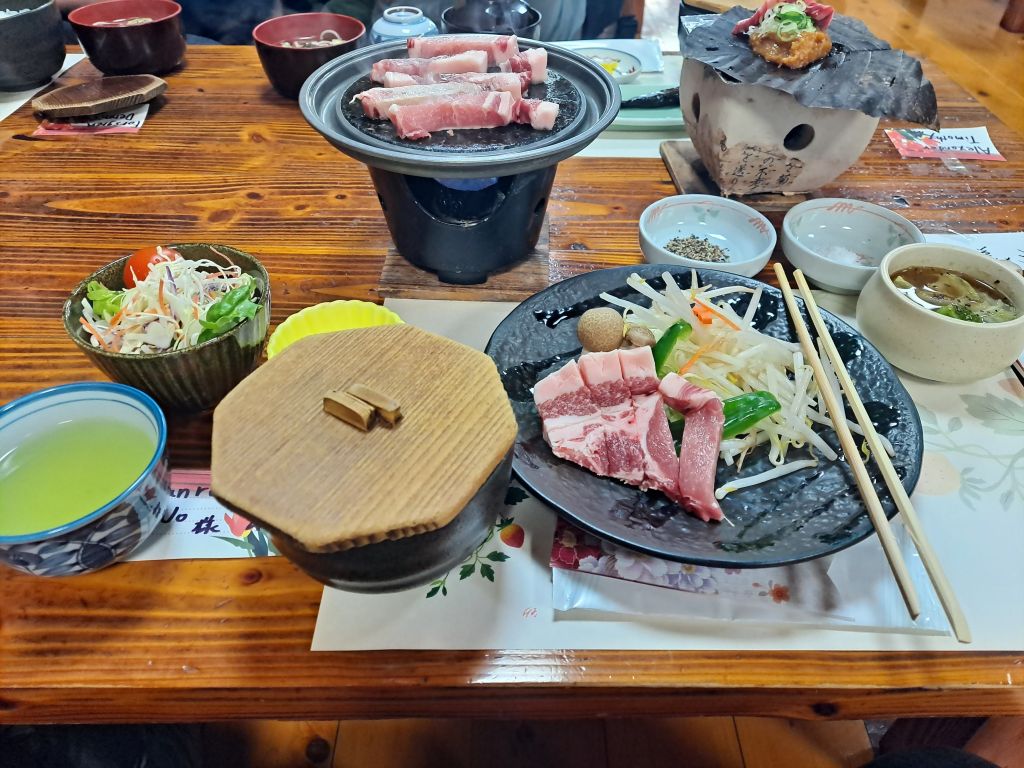
Gluten free Yakiniku meal in Shiragawa-ko

Don’t assume traditional experiences are off limits, they’re often worth asking about. When I visited Shirakawa-go I enquired ahead about my gluten and dairy free requirements, and what arrived was anything but a compromise. A full traditional meal with tabletop grilled meat, salad, miso soup, and rice, the emergency onigiri stayed firmly in my bag.

Honestly? My meal looked better than the Hida beef everyone else was having. Sometimes dietary restrictions work in your favour.

The key is asking in advance and being specific about your restrictions. Many smaller traditional restaurants and tour operators will go out of their way to accommodate you if given notice, even if they don’t advertise it.

Japanese Sweets & Gluten/Dairy: What to Know

Japanese sweets (wagashi) often look safe, and sometimes are but ingredients vary widely by region, shop, and recipe. So check the ingredients and / or ask the staff. Top tip to find the stores, generally the touristy area’s. If a store isn’t busy I would show them my allergy card and ask for help. One or two of my purchases were quite different in taste to what I’m used to, but it’s a great experience.

Common Gluten & Dairy Risks in Sweets

  • Mizuame (水飴) is frequently used as a sweetener or binding agent. Its starch source isn’t always clear.
  • Soy sauce (醤油) appears in some savoury-sweet snacks and rice crackers.
  • Wheat flour (小麦粉) is common in dorayaki, castella, and Western-style pastries.
  • Dairy shows up more in modern sweets, desserts, and bakery items than in traditional wagashi.

Sweets That Are Often Safer (But Still Check)

Morning tea in Tokyo, coffee and a gluten free, vegan pastry with strawberries
  • Mochi made with rice flour only (no fillings or coatings)
  • Daifuku with simple red bean filling (avoid flavoured or “cream” versions)
  • Plain rice crackers without soy sauce seasoning
  • Fresh fruit-based desserts

Sweets That Are Commonly Risky

  • Dorayaki (wheat pancakes)
  • Castella (contains wheat and eggs)
  • Cream-filled mochi or “fusion” wagashi

Convenience Store Cheat Sheet: Gluten & Dairy-Free
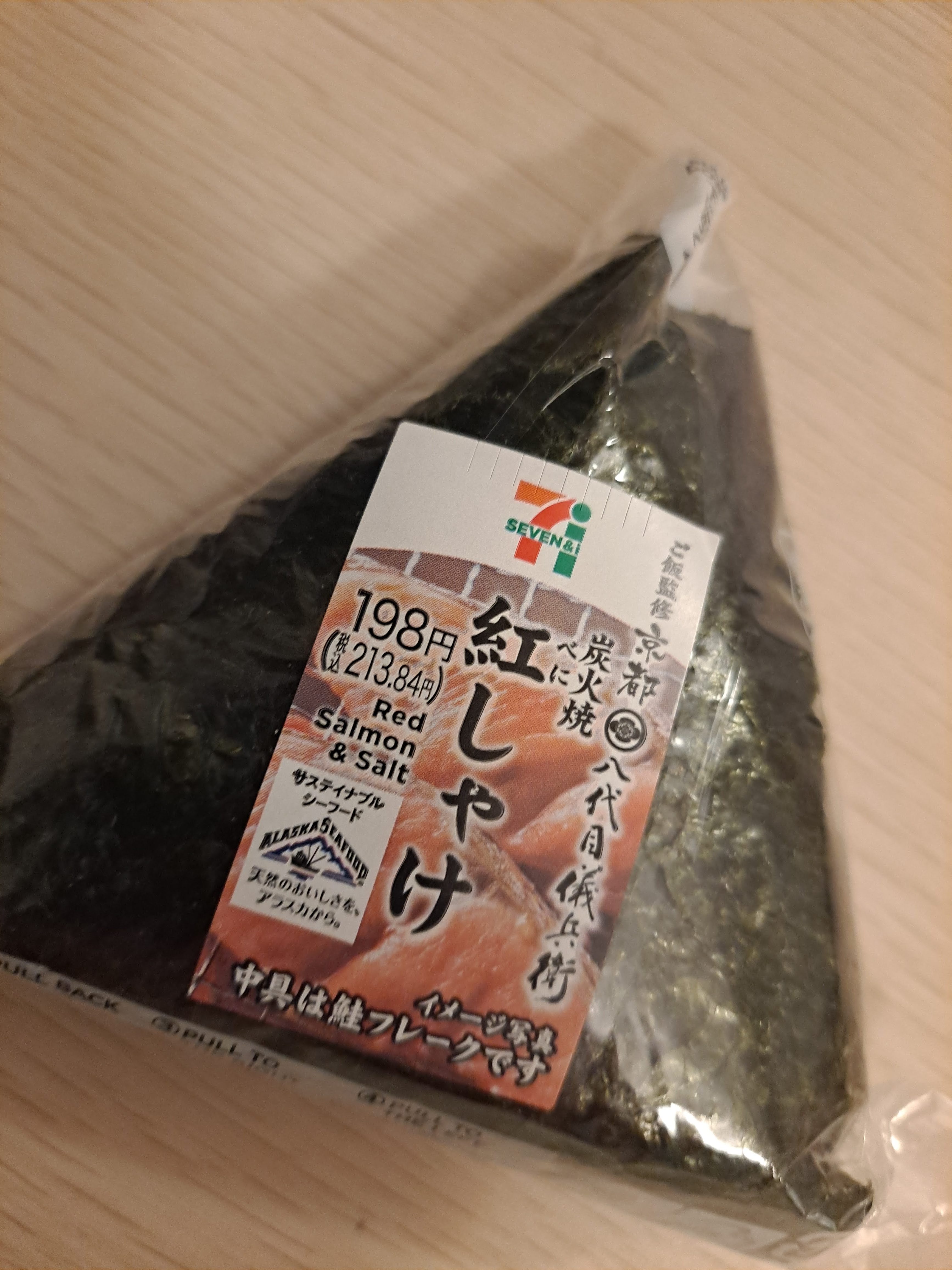
A packaged onigiri (rice ball) featuring red salmon and salt, wrapped in nori, from 7-Eleven.
  • Boiled eggs (7-Eleven, Lawson, and FamilyMart all have them)
  • Fruit – Buy it cut up, singles or cups
  • Onigiri – Safe options usually include; Salt, Salmon, Plum, Red Bean Paste
  • Some salads are safe choices
  • If you can have dairy you will have more options, look for yoghurt and cheese
  • Soy Milk in flavoured, single serving
  • Soy Joy or Kind bars, check for dairy
  • If you find a Natural Lawson stock up, they are delicious

Grocery Cheat Sheet: Gluten & Dairy-Free

Staples

  • Rice (米 / 米粉) – White, brown, or glutinous (もち米), naturally safe.
  • Rice noodles (米粉麺) – Usually safe; check labels.

Snacks & Sweets

  • Plain rice crackers (せんべい / 煎餅) – Avoid soy sauce-coated or fried with wheat.
  • Potato Chips / Crisps (ポテトチップス) – Look for plain varieties without flavouring
  • Mochi (餅) – Plain only; avoid cream or flavoured fillings.
  • Packaged fruit & nuts (果物 / ナッツ) – Safe, convenient snack.
  • Edamame (枝豆) – Fresh or frozen, ready to eat.

Proteins

  • Fresh tofu (豆腐) – Skip sauces.
  • Natto (納豆) – Watch seasoning sachets.
  • Fresh beef (牛肉 / gyūniku) – Naturally safe; check marinated packs for 小麦 (wheat) or 乳 (milk).
  • Fresh chicken (鶏肉 / toriniku) – Naturally safe; salt-only yakitori (塩) is safe, avoid tare sauce.
  • Frozen beef/chicken slices – Often safe for shabu-shabu if unseasoned.
  • Fresh/frozen fish & seafood (魚 / 海鮮) – Avoid breaded or marinated varieties.
  • Eggs (卵) – Easy and versatile.

Drinks

  • Sake (日本酒) – Rice-only varieties are gluten and dairy free.
  • Shōchū (焼酎) – Sweet potato or rice base is safe; avoid barley.
  • Tea (緑茶 / 烏龍茶 / ほうじ茶) – Safe and widely available.
  • Coffee / Bottled water (コーヒー / 水) – Universally safe.
  • Soy Milk (豆乳) – Flavoured or plain, widely available

Grocery Shopping Tips

  • Stick to plain, unseasoned meats, tofu, soy milk and fresh produce.
  • Scan labels for allergens: 小麦 (wheat), 乳 / 牛乳 (milk), 水飴 (mizuame).
  • Snacks: rice crackers, plain mochi, nuts, fruit.
  • Drinks: tea, coffee, sake, shōchū (check base).

Accommodation (Ryokans & Hotels) and Food

  • Contact them in advance to check if they can cater to your needs.
  • Many hotels including Business Hotels offer a free or cheap breakfast, if its free great, show the staff you’re allergy card to see what is safe but do ask in advance if you can, I book though booking.com and use their messaging
  • In some places your dining choices otherwise are limited, so make sure you can cancel it free of charge if you need to.
  • Make sure there is suitable dining options near to your accommodation, you don’t want to have to catch a train or walk when you or someone else is tired.
  • Some people prefer to get options that are self catering, but one thing to be aware of is, in Japan hot water and a microwave are usually available for use free and convenience stores have disposable cutlery.

Must Have Websites

Get Started for USD$5

Start your trip with personalised guidance for travellers like you

Safe dishes, hidden risks, cultural context, allergy cards, and real‑world strategies for eating safely abroad.

Packing Tips for Gluten-Free, Dairy-Free Travellers

  • Bring a few protein bars, snacks or backpacker meals for emergencies
  • A few sandwich or snack sized zip lock bags if you need to decant snacks
  • If language is a barrier, create and print translation cards and have your favourite translation app, make sure you read our article on allergy cards vs. translation apps to know what to use and when
  • Any medications you might need either day to day or if you accidentally eat or drink the wrong thing
  • Some wet wipes, a pocket package or two of tissues and a mask
  • Have a small travel bag or zip lock bag to put the above in

Final Tips from a Gluten Free, Dairy Free Traveller
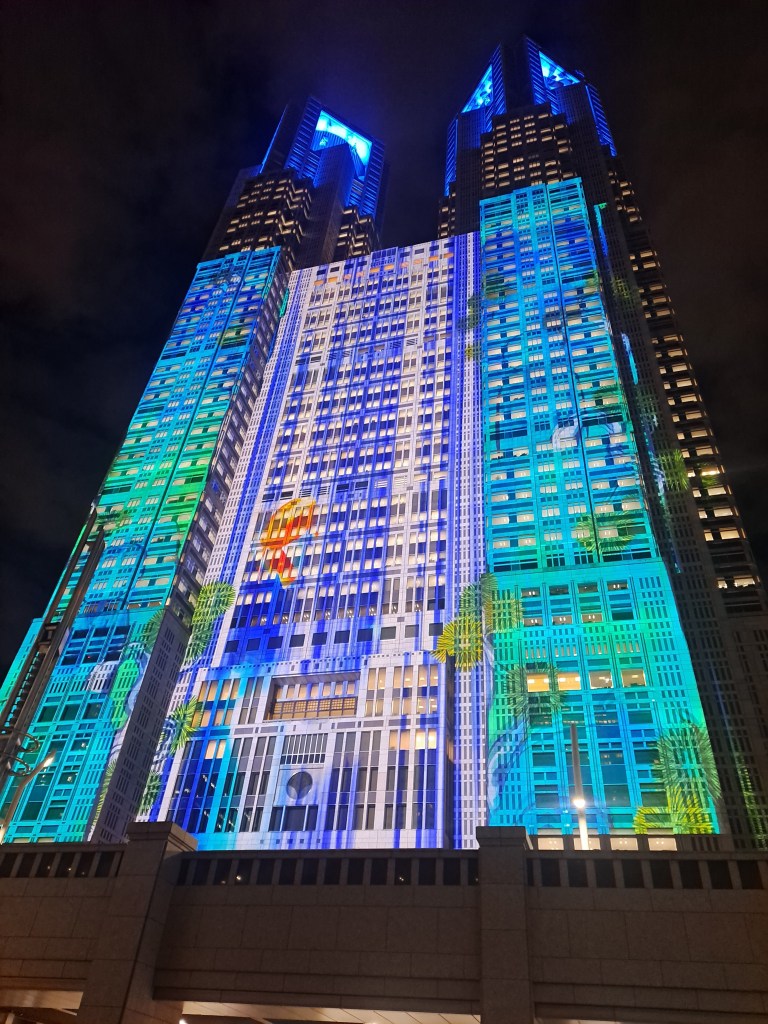
Light show at the Tokyo Metropolitan Government Building

Don’t be afraid to ask for help, the locals are will say yes or know depending on if they can serve you, respect that but always check sauces and for shared fryers and water.

Use reviews from other gluten free or coeliac travellers, they’re gold just be mindful different tolerance levels

This guide blends real-world experience with the foundations from our Essentials Travel Pack and dining guide research giving you what you need in minutes, not hours of late night reading.

FAQ

How do I say I’m gluten and dairy free in Japanese?

Is Japan safe for gluten-free travellers?

Is it easy to eat dairy-free in Japan?

Do I need to bring food to Japan?

What Japanese foods are naturally gluten-free?

Is soy sauce always made with wheat in Japan?

Are Japanese convenience stores good for gluten-free options?

Can I rely on Google Translate for food allergies in Japan?

Image of the Northern Lights

Don’t just survive your trip, thrive

When you’re managing complex dietary needs, travel can be hard, but we’re here to make travel accessible again. We’ve organized our free planning guides, advocacy tips, and safety tools into one clear path. Whether you need a free allergy card or a complete game plan, start here to build your confidence.

New to travelling with dietary restrictions? Start here.

Travelling with dietary restrictions is one of those things that sounds manageable until you’re actually doing it. You’ve booked the trip, you’re excited, and then somewhere between googling “gluten free restaurants in [destination]” and falling down a Reddit rabbit hole at midnight, the excitement quietly turns into dread.

If that’s where you are right now, this is the right place to start.

A quick note before we get into it: this site is built for people managing more than one restriction at once, gluten free and dairy free, halal and nut allergy, coeliac and lactose intolerant, and every other combination in between. If that’s you, you’ve probably already noticed that most travel advice out there covers one restriction and quietly ignores the rest. We don’t do that here.

The thing nobody tells you

A delicious gluten free dairy free meal in Hong Kong

Travelling with dietary restrictions isn’t harder than travelling without them. It’s just different. It requires a bit more preparation upfront, a bit more communication on the ground, and a slightly different approach to research. Once you’ve got those sorted, and they’re not complicated, the actual travelling part gets a lot easier.

The mistake most people make is trying to research everything from scratch for every trip. You don’t need to. You need a process, a handful of reliable tools, and the confidence to ask a few simple questions. That’s genuinely it.

Where to start

I recommend starting with How to Travel Safely with Food Allergies, Gluten free or other Dietary Restrictions. It is organised by level, so whether;

  • You want to travel, you’re just not sure how to eat safely. Start here with safe travel planning.
  • You travel, but you’ve been burnt before, and want to level up your travel skills so you can eat safely.
  • You know the basics, you want less time researching, more time going further and not missing out.

You’ll find a section with guides and advice to help you achieve your travel goals.

The Complete Travel Planning Guide. Is a seven step process that walks you through everything, how to build a food-friendly itinerary, how to advocate for yourself in restaurants, what to pack, how to handle flights, and how to stay organised once you’re actually on the ground. It’s free, it works for any combination of restrictions, and it was built from years of travelling this way.

Once you’ve got the planning side sorted, the next thing worth having is an allergy card in the local language for wherever you’re headed. Not a vague translation, a card that names your specific restrictions, flags the hidden ingredients to watch for, and is actually usable in a restaurant when you hand it over. You can generate one for free here.

Allergy Card being used in Hong Kong by a Gluten Free Traveller

If you want to go deeper, destination-specific safety ratings, hidden risks, local food vocabulary, safe dishes to look for, and a personalised allergy card all in one place, that’s what the Essentials Travel Pack is for. It’s the tool I wish I’d had when I started travelling this way.

One more thing

The anxiety does ease. Not because the restrictions change, but because you get better at navigating them, and because knowing what to look for and what to ask makes an enormous difference to how a trip actually feels. The first trip is the hardest. After that, it starts to feel like just part of how you travel.

You’ve already done the hardest bit, which is deciding you’re not going to let it stop you. Now let’s get you somewhere worth eating.

Ready to plan your first trip? Start with our start here page, we’ve organised everything by level in one place, ready to bookmark and return to

Image of the Northern Lights

Don’t just survive your trip, thrive

When you’re managing complex dietary needs, travel can be hard, but we’re here to make travel accessible again. We’ve organized our free planning guides, advocacy tips, and safety tools into one clear path. Whether you need a free allergy card or a complete game plan, start here to build your confidence.

Gluten Free Zanzibar: What to Eat, Where to Go, and How to Stay Safe

Zanzibar has a way of appearing on travel wishlists and staying there. White sand beaches, turquoise water, spice-scented air, and a Stone Town that feels like nowhere else on earth. But if you’re gluten free, the question isn’t just whether it’s beautiful — it’s whether you can actually eat there safely.

Gluten Free Meal on the beach in Zanzibar

The short answer is yes, with some preparation. Zanzibar’s cuisine draws on East African, Arab, and Indian influences, and much of the traditional food is naturally free from gluten, think coconut curries, grilled seafood, rice dishes, and tropical fruit in abundance. It’s not a destination with dedicated gluten free cafes or labelled menus, but that’s not necessarily the obstacle it sounds like. The food that locals actually eat tends to work in your favour, and in tourist areas English is widely spoken, which helps enormously when you need to ask questions.

This guide covers what to eat, where to go, what to watch out for, and how to communicate your needs, so Zanzibar can be the trip it deserves to be.

Is Zanzibar Good for Gluten Free Travellers?

Generally, yes, but it helps to understand why, and where the risks sit.

Zanzibar’s staple ingredients are rice, coconut milk, fresh seafood, cassava, and tropical fruit. None of those contain gluten, and they form the backbone of most traditional dishes. The Arab and Indian influences that shape Zanzibari cooking lean toward spiced rice dishes, grilled meats, and lentil-based soups rather than the bread and pasta-heavy traditions of European cuisines. For gluten free travellers, that’s a genuinely fortunate starting point.

That said, there are a few things worth knowing before you go. Zanzibar pizza — a popular street food sold widely at Forodhani Gardens night market and elsewhere — is made with a wheat flour dough and is not gluten free despite the name. It’s one of those things that sounds safe and isn’t. Similarly, urojo soup, a tangy and much-loved street food, can contain wheat noodles or flour-based thickeners depending on who’s making it, so it’s worth asking before you order.

Fried foods at markets and street stalls carry a cross-contamination risk from shared oil, and some marinades and seasoning blends used for grilled meats may contain wheat-based ingredients. The safest approach at street food markets is to stick to grilled seafood and meat on skewers, rice dishes, and fresh fruit. Luckily all of which Zanzibar does exceptionally well.

Mishkaki skewers

For coeliac travellers, it’s worth setting realistic expectations. This is not a destination with dedicated allergen protocols or certified gluten free kitchens. Staff in tourist restaurants are generally willing to help and English communication is reasonably easy in Stone Town and the main beach areas, but the level of understanding around cross-contamination varies. Carrying a gluten free allergy card in Swahili, it really is genuinely useful here rather than just a nice-to-have.

The overall picture is a destination where the traditional food is largely on your side, the communication barriers are manageable, and a little preparation goes a long way.

What to Eat: Naturally Gluten Free Dishes in Zanzibar

One of the genuine pleasures of eating in Zanzibar is how well the traditional cuisine aligns with a gluten free diet. The dishes below are either naturally gluten free or easily made so — though as always, it’s worth asking about marinades, sauces, and preparation methods, particularly at busier tourist spots.

  • Octopus curry with coconut rice One of Zanzibar’s signature dishes and a must-try. Octopus slow-cooked in coconut milk with spices, served over rice — rich, aromatic, and naturally gluten free. You’ll find it on menus across the island, from beachside shacks to fine dining. Ask for sauces on the side if you’re unsure about the base.
  • Mishkaki Grilled skewers of beef, goat, or chicken, marinated and cooked over charcoal. A popular street food and a safe choice when prepared simply — the main thing to check is whether the marinade contains soy sauce or any wheat-based seasoning, which occasionally it does. At a sit-down restaurant it’s easier to ask; at a market stall, opt for plainly grilled versions if you can’t verify.
  • Pilau rice Fragrant spiced rice cooked with whole spices — cardamom, cinnamon, cloves — and usually meat or vegetables. A staple across East Africa and naturally gluten free when made traditionally. One of the most satisfying and safe options you’ll find on the island.
  • Grilled fish and seafood Zanzibar’s location means the seafood is exceptional — fresh, varied, and often simply prepared. Grilled lobster, prawns, red snapper, and kingfish are all widely available. Stick to grilled over battered or fried, and check that the kitchen isn’t using a shared fryer if cross-contamination is a concern for you.
  • Urojo soup Zanzibar’s famous tangy street soup, made with a tamarind-based broth, potatoes, lentils, and various toppings. It’s beloved locally and worth trying — but ask about the noodles and thickeners before you order, as some versions include wheat noodles or flour-based additions. In tourist-facing restaurants it’s easier to request a modified version; at street stalls it’s harder to verify.
  • Cassava fries and sweet potato Widely available as sides or snacks, and naturally gluten free. A reliable option when you want something simple and filling. Check they’re not fried in shared oil if cross-contamination is a concern.
  • Tropical fruit Mango, jackfruit, pineapple, papaya, passionfruit — all abundant, all safe, and all exceptional in Zanzibar where much of it is grown locally. Fresh fruit from markets and street vendors is one of the simplest and most reliable gluten free options on the island.

What to Order Carefully or Avoid

  • Zanzibar pizza — despite the name, this is a wheat flour dough filled with savoury or sweet ingredients and cooked on a griddle. It is not gluten free and is one of the most common things gluten free travellers are caught out by. Worth knowing before you arrive at Forodhani Gardens night market hungry.
  • Chapati and mandazi — both popular breads made with wheat flour, widely available and best avoided.
  • Battered or fried foods — at markets and street stalls, batter is almost always wheat-based and shared fryers are the norm.
  • Seasoning cubes and pre-made spice blends — used in some kitchens and occasionally contain wheat starch. More of a concern at casual spots than at restaurants catering to international visitors.

Where to Eat: Gluten Free Friendly Restaurants in Zanzibar

Zanzibar doesn’t have a dedicated gluten free dining scene in the way that some European cities do, but there are some genuinely excellent options, particularly in Stone Town and along the east and south coasts. The restaurants below come up consistently in reviews from gluten free and allergy-conscious travellers.

A note before you dive in: booking ahead is strongly recommended for The Rock and Emerson on Hurumzi in particular. Both are popular with international visitors and fill up quickly, especially in peak season. It’s also worth mentioning your dietary needs at the time of booking rather than on arrival, both restaurants are known for being accommodating when given advance notice.

Stone Town

  • Beach House Zanzibar – The Menu has a number of gluten free choices labelled on the menu
  • The Secret Garden – The staff are knowledgeable about gluten free and options are labelled on the menu as well
  • Lukmaan Restaurant – This highly regarded local restaurant has a wide selection of local specialties and fresh seafood as well as a number of gluten free option
  • Firefly Zanzibar – This buffet restaurant has staff who understand gluten free and the food is naturally suitable
  • Forodhani Gardens Night Market – This is Zanzibar’s most famous street food experience and it’s worth visiting, but with a clear strategy. Head for the grilled seafood stalls: lobster, prawns, octopus, and fish cooked fresh over charcoal and served with rice or on their own. These are your safe options and go early for the best selection and to give yourself time to ask questions before it gets busy.

Beach Areas

  • Mahali Zanzibar – This restaurant has a number of gluten free items including Poke bowls and desserts listed on the menu
  • Mr. Kahawa Café & Restaurant – Gluten free items on the menu are clearly marked but do confirm and ask about cross contamination
  • Rooftop Restaurant Paje – Gluten free items are clearly marked but do confirm and ask about cross contamination
  • The Rock Restaurant – Possibly Zanzibar’s most photographed restaurant, built on a rock in the Indian Ocean and accessible by foot at low tide or by boat at high tide. The menu focuses on fresh local seafood; grilled lobster, octopus, and fish, with rice and salad sides that are largely naturally gluten free. Ask for sauces on the side and confirm preparation methods with staff, one to book in advance.

Eco-lodges and Boutique Hotels

Zanzibar on the beach

Worth mentioning separately because they’re often the best dining option outside the main tourist areas. Many smaller lodges and boutique hotels prepare meals fresh and to order, and staff are generally willing to adapt dishes once they understand your needs. Communicating your restrictions at the time of booking, ideally in writing, gives the kitchen time to prepare and means you’re not navigating it for the first time when you’re hungry after a long journey.

If you’re managing multiple restrictions, Tulia Zanzibar, Breezes Beach Club & Spa, Fumba Beach Lodge, Z-LODGE Zanzibar review well with visitors and are worth a look. Like any destination, we recommend booking with free cancellation in case your dietary needs cannot be accommodated

Communicating Your Dietary Needs in Zanzibar: Key Swahili Phrases

English is widely spoken in Stone Town and the main tourist areas of Zanzibar, so communication is generally easier here than in many other destinations covered on this site. That said, having a few key phrases in Swahili, and ideally a printed allergy card really does make a difference in smaller restaurants, at market stalls, and anywhere outside the main tourist trail. It also tends to be appreciated, and staff who feel respected are more likely to take your needs seriously.

The phrases below are a starting point. For a fully personalised allergy card in Swahili, tailored to your specific restrictions and destination, you can use our free allergy card creator, no membership required.

Key phrases

EnglishSwahiliApproximate pronunciation
I cannot eat gluten / wheatSiwezi kula gluteni / nganoSee-WEH-zee KOO-lah gloo-TEH-nee / nn-GAH-no
I have a gluten intoleranceNina uvumilivu wa gluteniNEE-nah oo-voo-mee-LEE-voo wah gloo-TEH-nee
Does this contain wheat or flour?Je, hii ina ngano au unga?Jeh, HEE ee-nah nn-GAH-no ow OON-gah?
Is this prepared separately?Je, hii imetayarishwa tofauti?Jeh, HEE ee-meh-tah-yah-REESH-wah toh-FAH-oo-tee?
No bread pleaseBila mkate tafadhaliBEE-lah mm-KAH-teh tah-fah-DHAH-lee
Can I speak to the chef?Naweza kuzungumza na mpishi?Nah-WEH-zah koo-zoon-GOOM-zah nah mm-PEE-shee?
This is very important for my healthHii ni muhimu sana kwa afya yanguHEE nee moo-HEE-moo SAH-nah kwah AHF-yah YAHN-goo

A note on allergy cards in Zanzibar

A printed allergy card in Swahili is genuinely useful here, more so than in some destinations where English is the dominant language in restaurants. At market stalls and smaller local spots where English is limited, being able to hand over a card removes the guesswork on both sides and shows you’ve taken your needs seriously enough to prepare.

Our translation apps guide also covers our favourite apps and how to use them effectively in a restaurant setting, worth a read before you go.

Create your free customised allergy card

Sign up to our free membership and generate your card in minutes.

Practical Tips for Gluten Free Travel in Zanzibar

  • Book ahead and communicate early The Rock and Emerson on Hurumzi both fill up quickly, particularly in high season between June and October and over the Christmas and New Year period. Book as far in advance as you can, and mention your dietary needs at the time of booking rather than on arrival. A quick email explaining your restrictions gives the kitchen time to prepare and means you’re not having the conversation for the first time when you’re hungry and tired.
  • Tell your accommodation on arrival If you’re staying somewhere with in-house dining, and many of Zanzibar’s boutique hotels and eco-lodges serve meals, do let staff know your restrictions when you check in. Most kitchens cook fresh and to order, and with a little notice they can usually accommodate you well. This is often the most reliable dining option outside Stone Town, particularly if you’re staying somewhere remote.
  • Pack safe snacks Outside Stone Town and the main beach resort areas, safe food options become thinner. If you’re exploring the north of the island, visiting spice farms, or spending a day on a dhow cruise, having a supply of reliable snacks means you’re never stuck. Check border restrictions before you travel if you’re bringing food from home, and don’t forget Tanzania has customs rules worth reviewing in advance.
  • Stick to grilled over fried at markets Forodhani Gardens and other market settings are wonderful but require a clear strategy. Grilled seafood and meat skewers are your friends. Anything battered, fried, or wrapped in dough is best avoided unless you can verify ingredients and preparation, which after all in a busy market setting is often difficult.
  • Shared oil at street stalls Cross-contamination from shared frying oil is a real consideration at market stalls and casual street food spots. If cross-contamination is a concern for you, stick to grilled options and dishes that are clearly prepared separately.
  • Carry your allergy card Even with good English widely spoken in tourist areas, a printed Swahili allergy card is worth having for smaller restaurants, market stalls, and anywhere off the main tourist trail. It removes ambiguity and tends to prompt a more careful response from kitchen staff.
  • Zanzibar pizza is not what it sounds like Worth repeating: this is one of the most common traps for gluten free travellers visiting Zanzibar for the first time. It’s a wheat flour dough dish, widely sold and very popular. Give it a miss.

Halal, Alcohol and Ramadan in Zanzibar

Zanzibar is a Muslim-majority island, so if your trip falls during Ramadan, local restaurants and markets shift to evening hours around iftar rather than operating through the day. Tourist restaurants stay open, but daytime options outside those are limited. The evening food scene during Ramadan is excellent, so lean into it rather than fighting it. Eating and drinking visibly in public spaces during daylight hours is considered disrespectful, so worth being aware of.

You’ll also find alcohol is available at hotels, resorts, and tourist-facing restaurants but absent from local spots and markets. Some smaller lodges are alcohol-free by choice — worth checking when you book if it matters to you.

If you’re also managing halal or pork allergies alongside your GF restrictions, Zanzibar’s traditional cuisine handles both without much adaptation needed. Pork and its derivatives simply aren’t part of the equation here, which removes a layer of cross-contamination risk you’d spend energy navigating in many other destinations.

Dairy Free, Vegetarian and Multiple Restrictions in Zanzibar

Gluten Free and Dairy Free: The traditional cuisine is built on coconut milk rather than dairy, so GF and DF together is actually one of the easier combinations here. Octopus curry, pilau rice, grilled seafood, cassava, and most fruit-based dishes are naturally free from both. The additional watch-outs are whether anything comes with a butter or ghee accompaniment. At resorts and tourist restaurants dairy appears more frequently in the form of imported products, so it’s worth asking if anything has been added that wouldn’t traditionally be there.

Gluten Free and Vegetarian: Zanzibar is meat and seafood-forward, so vegetarians wanting variety will find it limited outside tourist areas. What does exist is largely naturally GF though, rice dishes, lentil soups, cassava, tropical fruit, coconut vegetable curries, and eggs at breakfast. At smaller local spots, ask what can be made without meat rather than looking for a vegetarian menu section. Most kitchens can adapt a rice and vegetable dish if you ask.

GF, DF and Vegetarian: Harder, but manageable with realistic expectations. The coconut base helps with DF and rice gives you a reliable GF foundation, but without meat, seafood, or dairy your protein options are eggs, lentils, and beans. Zanzibar isn’t the destination where all three restrictions open up the menu, so pack backup snacks, brief your accommodation early, and lean on tourist-facing restaurants when you need something more substantial.

Extending Your Trip: Safaris and Dietary Needs on the Mainland

Many people pair Zanzibar with a safari on the Tanzanian mainland, the Serengeti, Ngorongoro Crater, or Tarangire are the most common additions, often as a few days before or after the island. It’s a brilliant combination. It’s also where managing dietary restrictions gets significantly more complicated, and where advance planning genuinely matters.

Bush Camps and Safari Lodge Kitchens

Safari camps range from full-service luxury lodges with professional chefs to more basic tented camps where kitchen facilities are limited and resupply happens once every few days. At the upper end, dietary requirements are handled well, most reputable lodges are used to accommodating international guests with various needs, and a heads-up at the time of booking is usually enough for them to prepare. At the more basic end, the kitchen may be working with limited ingredients and limited ability to substitute.

The key rule across all camps: communicate your restrictions before you arrive, in writing, and be specific. Don’t say “gluten free” and assume they know what that means in practice. Say gluten free means no wheat, barley, rye, or flour. No bread, no pasta, no sauces thickened with flour, no soy sauce. If you’re also dairy free or have other dietary needs, say that too. If you have a coeliac diagnosis or a serious allergy rather than a preference, say so clearly, the distinction tends to prompt a more careful response.

Most lodges and camps are genuinely willing to accommodate you when given enough notice. The ones that aren’t tend to make that clear quickly, which is useful information before you’ve committed.

Food in Transit

The journey between Zanzibar and the mainland safari areas typically involves a domestic flight, and the food options at smaller Tanzanian airports and airstrips are very limited. Don’t rely on finding safe food en route, pack snacks that will carry you through any delays or transit time. This is especially worth thinking through if you’re combining multiple restrictions, where “just grab something at the airport” is rarely a realistic option.

Briefing Your Safari Operator

If you’re booking through a tour operator rather than directly with a lodge, brief them when you book rather than when you check in. A good operator will pass your requirements to every property on your itinerary. A less organised one may not, which is why following up directly with each property is worth doing regardless. A short email a week before arrival, confirming your restrictions and asking what they’ll be able to provide, is a simple step that removes a lot of uncertainty.

One Last Thing Before You Go

Zanzibar is one of those destinations that rewards preparation. Not because it’s particularly difficult for gluten free travellers, it isn’t. A little groundwork means you spend your time eating well and enjoying one of the most beautiful islands in the world, rather than navigating uncertainty on an empty stomach.

Book ahead, carry your allergy card, stick to grilled seafood and rice dishes when you’re unsure, and give Forodhani Gardens the respect it deserves by going straight for the charcoal-grilled prawns and leaving the Zanzibar pizza well alone.

The food that Zanzibar does best — fresh octopus curry, mishkaki off the grill, pilau rice fragrant with whole spices, tropical fruit that actually tastes of something — is largely naturally gluten free. That’s not a compromise. That’s just good eating.

Travel safe, eat well, and if you find a restaurant that deserves to be on this list, let us know, we’d love to hear about it.

If you want everything in one place, your dietary restrictions listed in the local language, an allergy card to show restaurant staff, key phrases for when your allergy card isn’t enough plus local foods to try and any watch outs, the Essentials Travel Pack builds it all for your exact combination. It gives you what you need in minutes, not hours.

Image of the Northern Lights

Don’t just survive your trip, thrive

When you’re managing complex dietary needs, travel can be hard, but we’re here to make travel accessible again. We’ve organized our free planning guides, advocacy tips, and safety tools into one clear path. Whether you need a free allergy card or a complete game plan, start here to build your confidence.

FAQ

Is Zanzibar safe for coeliacs?

Zanzibar can be navigated safely with coeliac disease, but it requires more preparation than destinations with established gluten free dining scenes. There are no certified gluten free kitchens and allergen protocols vary widely. The traditional cuisine is largely naturally gluten free, which works in your favour, but cross-contamination at shared kitchens and market stalls is a real consideration. Stick to restaurants with international experience, communicate your needs clearly and in advance, carry a Swahili allergy card, and pack backup snacks. With that preparation in place, most coeliac travellers find Zanzibar very manageable.

What is Zanzibar pizza and is it gluten free?

Can I eat street food in Zanzibar with a gluten intolerance?

Is urojo soup gluten free?

What should I tell my hotel about my dietary needs?

Do I need to speak Swahili to eat safely in Zanzibar?

Is Zanzibar suitable to visit during Ramadan?

Can I manage gluten free and dairy free together in Zanzibar?

How do I manage dietary restrictions on a safari extension?

Gluten Free Skiing and Snowboarding in Nagano & Niigata

The honest guide for gluten free and dairy free skiers and snowboarders, from the lifts to the izakaya.

Skiing or snowboarding in Japan is everything people say it is. The powder, the onsens, the convenience stores open at midnight when you’re back from the mountain and somehow still hungry. But if you’re gluten free, dairy free, or juggling both, there’s a bit more to figure out before you click into your bindings.

The good news? You’re in the right part of Japan. Nagano Prefecture is soba country, 100% buckwheat soba, made with pride, is far more accessible here than almost anywhere else in Japan. And Niigata, which sits just over the mountains, is renowned throughout Japan for producing some of the country’s finest rice. Between the two, naturally safe food is woven into the fabric of the region in a way that genuinely works in your favour once you know where to look.

The less good news, if you’re also dairy free like me, the mountain itself is trickier. Dairy sneaks into a lot of on-mountain options, and in smaller resort towns the evening restaurant scene is more limited than somewhere like Hakuba. But with the right preparation it’s absolutely manageable, and some of the meals I’ve had in this region rank among my favourite travel eating experiences anywhere.

This guide covers five resort areas: Hakuba, Nozawa Onsen, Akakura Onsen, Madarao/Tangram, and Shiga Kogen. Each has a different vibe and a very different food scene, and knowing that before you book matters more than most people realise.

Before we get into the resorts, if you haven’t already read the main Japan gluten free and dairy free guide, start there for the full labelling law breakdown, allergy card phrases, convenience store cheat sheet, and packaged food vocabulary. This post assumes you’ve got those foundations and focuses on what’s specific to a ski trip.

Getting There: Practical Tips Before You Arrive

Send Your Gear Ahead with Yamato Transport

If you’re travelling with skis or a snowboard, the single best thing you can do is use Yamato Transport’s ski delivery service. You can drop your gear at most convenience stores or your hotel and have it delivered directly to your resort accommodation, usually within a day or two. It costs a few thousand yen and saves you an enormous amount of hassle on trains, buses, and gondolas. Collect it from your accommodation when you arrive. Do the same on the way home.

For gluten and dairy free travellers, this matters more than you might think — travelling lighter means more capacity in your bag for snacks, backpacker meals, and emergency supplies, and less stress navigating busy train stations when you’re already managing dietary needs on the road.

Stop in Nagano City on the Way

If you’re travelling from Tokyo or another major city, most routes to the Nagano ski resorts pass through or near Nagano city. Don’t rush through it.

Nagano city is worth a stop for two reasons. First, it’s the heart of soba country and home to some of the best juwari soba restaurants in Japan, a proper lunch here before heading to the mountain is genuinely one of the better meals you’ll have on the trip. The Shinsyu Juwari Soba Ten is excellent and has a dedicated gluten free menu.

Second, and more practically, Nagano city has a full range of supermarkets and larger convenience stores where you can stock up on safe snacks, onigiri, and supplies before heading somewhere smaller and more remote. If you’re going to Akakura, Madarao, or Shiga Kogen, this is your last easy chance to stock up properly. Do it.

Sort Your eSIM or SIM Card Before You Leave the City

Signal in mountain areas can be patchy or absent. Having your translation app set up, your allergy card saved offline, and your key phrases loaded before you head into the mountains means you’re not scrambling at a busy lunchtime restaurant on the slope. Sort it in Tokyo or at the airport, not on arrival at the resort.

Before You Hit the Mountain: The Essentials

Sort Your Accommodation Breakfast First

In smaller resort towns like Akakura and Madarao, your dinner options in the evening are limited and most restaurants open late afternoon. If you’re out on the mountain all day your accommodation breakfast becomes more important than usual. Contact them in advance, show them your restrictions, and ask what they can do. A plain Japanese breakfast — rice, grilled fish, miso soup and pickles is often naturally safe or can be made so, confirm in advance with your accommodation. Book somewhere with free cancellation so you have flexibility if they can’t help.

A traditional Japanese breakfast made safe for a gluten and dairy free traveller.

Pack the Onigiri. Every Day.

Onigiri from the convenience store

This is not optional when you’re gluten and dairy free on the mountain. I kept one or two in my jacket pocket every single day. Convenience store onigiri with salmon, salt, or plum filling are your most reliable safe snack. If you’re heading somewhere remote or the convenience store is a gondola ride away, pack them the night before and keep them in your room fridge.

Ask Staff If You’re Not Sure

If the mountain restaurant isn’t too busy and you’re curious about something, ask. Show your allergy card, point at something that looks simple, and ask clearly. The worst they can say is no, and in Japan they will tell you clearly if they can’t help rather than guess. That clarity is one of the things I genuinely appreciate about travelling with dietary restrictions in Japan, a no means no, not maybe. One thing we recommend, if you’re not sure how to use a translation app or when to use your translation app vs. an allergy card we can help with that.

Get Started for USD$5

Start your trip with personalised guidance for travellers like you

Safe dishes, hidden risks, cultural context, allergy cards, and real‑world strategies for eating safely abroad.

On the Mountain: The Honest Reality

Mountain restaurants in Japan tend to serve crowd-pleasing, warming food — curry, ramen, udon, katsu. Most of it contains gluten. Dairy hides in sauces, curry bases, and soup stocks more than you might expect.

If you’re gluten free only, you have more options. Plain rice dishes, grilled chicken or fish without sauce, miso soup (check for wheat and barley), and edamame are usually available somewhere. You might find a curry that works if you can confirm the base.

If you’re gluten and dairy free, like me, the mountain is where onigiri earns its place. I wouldn’t rely on finding a full safe hot lunch on the slopes at every resort outside Hakuba. Having something in your pocket means you’re not cutting your day short because you’re hungry and nothing is safe.

You’re in Soba and Rice Country: Use It

Nagano Prefecture is one of the most celebrated soba regions in Japan. Buckwheat grows well at altitude with cool temperatures, and the tradition of making 100% buckwheat soba — called juwari soba and it goes back centuries here. Restaurants that serve juwari soba are genuinely proud of it and know exactly what they’re serving.

Gluten Free, Dairy Free Soba in Nagano

Ask specifically for juwari soba and confirm the dipping sauce, tsuyu almost always contains soy sauce so ask for it on the side or skip it entirely unless its gluten free and eat the noodles with salt. A chef in Nagano actually recommended that to me. Simple and genuinely delicious.

One important note for coeliac travellers: shared cooking water. In a busy soba restaurant that also serves regular soba, the water may be shared. The Shinsyu Juwari Soba Ten in Nagano city has a dedicated gluten free menu and a helpful chef — worth the trip if you’re passing through.

A close-up of a sushi roll wrapped in seaweed, filled with rice and topped with orange fish roe. In the background, a small glass of sake and various beverage cans are visible on a wooden table.

Just over the mountains, Niigata Prefecture is renowned throughout Japan for the quality of its rice. The climate and snowmelt water from the mountains create ideal growing conditions, and locals are genuinely proud of it. For gluten and dairy free travellers this is good news, plain rice here is worth eating on its own merit. Look out for it in your hotel breakfast set, in onigiri, and in simple rice bowl dishes at restaurants. It turns what might otherwise feel like a safe-but-plain meal into something worth ordering.

Hakuba

Hakuba is the most international of the Nagano ski resorts and that shows clearly in the food scene. There are more western-style restaurants here than anywhere else in the region, more English-speaking staff, and more allergen awareness simply because the international crowd demands it. If flexibility matters to you, Hakuba gives you the most options.

Local food culture: Hakuba is known for Hakuba pork, locally raised and featured in many restaurants. Wagyu beef and Shinshu salmon also appear regularly. Shabu-shabu using plain beef or pork slices cooked in water is one of the safest and most satisfying options for gluten and dairy free diners, just skip the dipping sauces or confirm they’re safe.

Naturally safe options to look for: Plain yakitori salt only (塩), sashimi and nigiri without soy sauce, rice and grilled fish sets, edamame, plain tofu. If you’re just gluten free, Hakuba’s burger bars and western restaurants give you significantly more options, including some with labelled allergen menus.

For families and picky eaters: Hakuba is the easiest resort in this guide for families. Burgers, pizza, and western-style food sit alongside the Japanese options, which takes the pressure off if you’ve got kids or anyone in the group who needs more familiar choices.

Restaurant picks: Head Cafe, Ichi-Bánh, Lantern Hakuba, JapaMex, Izakaya Hie Hakuba, The Rabbit Hole, Izakaya Kaz.

Booking: Essential for popular spots, especially in peak season. Many of the best restaurants book out weeks in advance.

Nozawa Onsen

Nozawa is a beautiful traditional onsen village that happens to have great skiing. It feels much more authentically Japanese than Hakuba, which is part of its appeal, this also means fewer western-style options and slightly less allergen awareness in general. The flip side is that traditional Japanese food is naturally gluten free friendly if you know what to order.

Worth noting: the food scene in Nozawa has improved noticeably over the last couple of seasons, with more options appearing as the resort gets busier and attracts a more international crowd. It’s heading in the right direction, though it’s still more limited than Hakuba. Book ahead during peak season as the village fills up quickly.

Local food culture: Nozawa Onsen is famous for nozawana, a locally grown leafy vegetable that’s pickled and eaten as a side dish. Naturally gluten and dairy free, you’ll see it everywhere — a great safe side with a plain rice meal. Good soba is also available here, being in Nagano prefecture, so juwari soba is worth seeking out.

Naturally safe options to look for: Nozawana pickles, plain rice dishes, sashimi, yakitori salt only, onigiri. The village is compact and walkable so you can check menus before committing.

For families and picky eaters: Nozawa’s improving village scene and compact layout makes it manageable with kids. A good second choice after Hakuba if you want a more traditional Japanese experience without sacrificing too many options.

Restaurant picks: Shizen Cafe, Pots Bar & Kitchen, Sakai, Tanuki Cafe & Dining, Juntos Mexican Restaurant & Bar, UNMAIYA.

Create your free customised allergy card

Sign up to our free membership and generate your card in minutes.

Akakura Onsen

Akakura is where I stayed for my snowboarding trip and it’s a smaller, quieter resort town than either Hakuba or Nozawa. The skiing is great, the onsen is brilliant, and the town is charming, but the food scene is more limited, particularly for the gluten and dairy free combination especially if you’re on keen on traditionally Japanese food.

The main street of Aakura Onsen

On the mountain I relied on onigiri for lunch most days, salmon, plum or salt from the local convenience store, kept in my jacket pocket. If you’re just gluten free you’ll find a bit more on mountain, but being dairy free on top narrows things down considerably.

Akakura sits in Niigata Prefecture, which is renowned throughout Japan for producing some of the country’s finest rice. That local pride in rice shows up in the food — a simple rice bowl or plain breakfast set here is genuinely worth eating, and the hotel breakfast in particular was a highlight of my stay. Contact your accommodation in advance to confirm what they can do and ask specifically about the miso soup.

Naturally safe options to look for: Plain Japanese breakfast sets featuring local Niigata rice, onigiri from the convenience store, sashimi at dinner, yakitori salt only, plain rice dishes.

Restaurant picks: NINJA Riceball & Sake, Noren Akakura Sushi, Obake Bar & Restaurant, Panorama Cafe & Dining (note shared fryer, let them know your needs), Restaurant Shibata, Mr Burger.

Convenience store access: Check where your nearest convenience store is relative to your accommodation before you book. In a small resort town this matters more than it would in a city.

Madarao & Tangram

Madarao is a quieter resort in Nagano with excellent powder and a relaxed vibe. It’s smaller than Hakuba or Nozawa but what it lacks in variety it partly makes up for in quality — a handful of the restaurants and accommodation options here are genuinely excellent for dietary restricted travellers.

Worth knowing: Pinchi’s Place and Red Tricycle Madarao are both part of the Blueys group. If you’re staying with them you’re well placed across both restaurants, the team understands dietary needs well and the 100% gluten free kitchen at Pinchi’s is a genuine asset. Japan Snowsports is another operation that also offers both accommodation and food, and comes highly rated by dietary restricted travellers. Basing yourself with either of these make the food planning significantly easier — everything is in one place and you’re not scrambling for options in a small town.

Local food culture: Traditional Nagano with some international influence. Juwari soba is worth seeking out here as with the rest of the prefecture.

Naturally safe options to look for: Plain rice and fish, yakitori salt only, sashimi, juwari soba. Restaurants here tend to be accommodating with advance notice.

Restaurant picks: MiSTER DARUMA, Pinchi’s Place Bar & Restaurant (100% gluten free, part of Blueys), Red Tricycle Madarao (part of Blueys), Japan Snowsports.

Shiga Kogen

Shiga Kogen deserves a mention because of its sheer scale, it’s one of the largest ski resorts in Asia, covering multiple interconnected areas across a high plateau. If you’re after serious terrain and serious mileage, it’s hard to beat.

The food situation however requires more planning than the other resorts in this guide. Shiga Kogen is remote, the village infrastructure is limited, and the on-mountain and village dining options for gluten and dairy free travellers are quite restricted without advance preparation.

The most practical approach is one of two things. Either choose a hotel that can genuinely cater to your dietary needs and confirm it in writing before you arrive, the hotel dining becomes your main option and knowing it’s sorted removes a huge amount of stress. Or stay in Yamanouchi town at the base of the mountain, which has a more developed food scene and better convenience store access, and travel up to the resort each day.

Naturally safe options to look for: Plain Japanese breakfast sets at your hotel, onigiri from convenience stores before you head up, sashimi and plain rice in the evenings. Juwari soba is available in the wider Nagano area so worth seeking out if you venture into town.

Our recommendation: Sort your accommodation and its food offering first, before anything else. Shiga Kogen is one of those destinations where the food planning genuinely shapes where you stay rather than the other way around.

Convenience Stores: Your Best Friend on the Mountain

Worth saying again here because it’s so specific to a ski trip — the convenience store is your safety net. In city travel you can usually find a restaurant when you need one. On the mountain or in a small resort town at 7am before the lifts open, the combini is doing a lot of heavy lifting.

Onigiri with salmon, salt, or plum. Boiled eggs from 7-Eleven. Plain fruit. Edamame if you can find it. Soy Joy or Kind bars without dairy. Keep them in your room fridge overnight so you’ve always got something for the mountain the next morning.

If you come across a Natural Lawson, stock up, the range is noticeably better for dietary restricted travellers.

For the full convenience store cheat sheet with Japanese characters, head to the main Japan guide.

Final Tips from a Gluten Free, Dairy Free Traveller

Powder day at Akakura Onsen

Skiing or snowboarding in Japan is definitely do-able, especially at these resorts.

With the right preparation and tools, you can enjoy the food without panic.

This guide blends real-world experience with the foundations from our Essentials Travel Pack and dining guide research, giving you what you need in minutes, not hours. Think your dietary restrictions listed in the local language, an allergy card to show restaurant staff, key phrases for when your allergy card isn’t enough plus local foods to try and any watch outs all for your combination of restrictions and tailored to your trip.

Image of the Northern Lights

Don’t just survive your trip, thrive

When you’re managing complex dietary needs, travel can be hard, but we’re here to make travel accessible again. We’ve organized our free planning guides, advocacy tips, and safety tools into one clear path. Whether you need a free allergy card or a complete game plan, start here to build your confidence.

FAQ

Is skiing and snowboarding in Japan manageable gluten free and dairy free?

Yes, genuinely, but it takes a bit more planning than a trip to Hakuba where the international food scene is strong. The combination of gluten free and dairy free is the challenge, not the gluten free alone. Pack your onigiri, sort your accommodation breakfast in advance, and treat the convenience store as your friend rather than a last resort.

What do I eat on the mountain?

Which resort has the most options?

Is Shiga Kogen worth it?

Do I need to bring food from home?

Is the juwari soba really worth it?

What’s the easiest resort for families?

Should I send my ski gear ahead?

Gluten‑Free, Dairy Free Travel Guide to Queenstown

Queenstown is one of the easier places in New Zealand to eat gluten free, partly because of the strict gluten-free labelling laws and partly because the restaurant scene here is adventurous and allergy-aware. As a favourite snowboarding destination I’m a regular visitor. Honestly, the dairy-free makes things trickier, and the ski resorts require a bit of preparation. I’ve covered off guide covers everywhere from central Queenstown restaurants to Arrowtown, the Gibbston Valley wineries, and what to eat on the mountain or the trail.

jet boat adventure on lake wakatipu new zealand

Whether you’re visiting for snowboarding, hiking, or simply soaking up the stunning views, these local tips and trusted gluten-free spots will help you enjoy every bite without worry.

Let’s dive into the best gluten-free and dairy free eats and essential travel advice to make your Queenstown trip safe, delicious, and unforgettable.

What You’ll Learn in This Guide

  • Safe gluten-free, dairy free dishes (and what to avoid)
  • Some mouth watering dining options in key areas
  • What to think about if you’re joining a tour or day trip
  • Availability of foods at the ski resorts
  • What to take hiking or mountain biking
  • Supermarkets, websites and tips for gluten free, dairy free travellers

Gluten Free Labelling and Menu Information

If you’re visiting from overseas, it’s helpful to know that New Zealand has very strict gluten-free food standards. For a product or dish to be labelled “gluten free” here, it must have no detectable gluten, oats, or malted grains, and undergo rigorous testing to meet these rules. This is slightly different from some countries where “gluten free” can sometimes mean less strict limits. In New Zealand, sensitive testing methods can detect even tiny traces of gluten, making certified gluten-free foods among the safest for coeliacs.

However, you might also see terms like “gluten friendly” or “no gluten added” on menus, which don’t have the same strict requirements, often this is a result of these same high standards and means its made without gluten and they are trying their best but it is not a dedicated facility, however it could also mean there is a shared fryer or toaster (eek). As such could pose a risk for you, we recommend checking reviews on sites like Google Maps, Find Me Gluten Free or local Facebook Groups to see what people have said about the venue, recently especially useful if you can tell if the person is coeliac or otherwise highly sensitive.

You may also find places ask if you’re coeliac when you ask about gluten free, if you are sensitive to cross contamination just say yes. All they are really asking is do I need to be careful.

You will also see “may contain traces of gluten” on packaging or menu’s, this is usually a liability statement and is not mandatory. In many cases means the product is manufactured on shared equipment, again check the manufacturer’s website or local facebook groups if you are worried to see what people have said about a product but search first, often the question has been asked before.

What about the Oats?

As you may be aware internationally, there are different approaches to allowing oats in the gluten-free diet. In places that do allow oats, only those free of gluten contamination (‘pure’ oats) are recommended for people with coeliac disease, as standard commercial brands of oats are often highly contaminated with wheat gluten. Australian and New Zealand food laws does not currently allow oats to be labelled ‘gluten free’ so you will not find products with Oats labelled as such here. Coeliac Australia has a whole page on Oats.

Must-Try Dishes with Gluten‑Free, Dairy Free Tips

  • South Island Blue Cod – Blue cod is prized for its delicate, flaky white flesh and mild flavour. It is unique to New Zealand’s South Island, you won’t find it fresher than this anywhere else.
  • Whitebait Fritters – A South Island delicacy, whitebait fritters are small, crispy pancakes made from tiny fish. They usually contain flour, so inquire if a safe alternative is available.
  • Fish & Chips – Sitting by the lakefront with a box of fresh fish and hot chips, with tomato sauce on the side, and seagulls circling overhead. Traditionally battered fish is off-limits if you’re gluten-free, but there are places that cater to us in Queenstown such as Eric’s.
  • Kumara Fries – Made from sweet potatoes (kumara), these fries are a delicious alternative to regular chips. Look for places that fry them separately to avoid cross-contamination.
  • The Classic Kiwi Meat Pie – No trip to New Zealand is complete without trying a meat pie, flaky pastry, savoury slow-cooked filling, and a squirt of tomato sauce on top. You might have to look a little harder to find gluten free pastry but its worth it.
  • Lamb – New Zealand lamb is famous worldwide — tender, flavoursome, and often served roasted or in hearty stews. Many lamb dishes are naturally gluten-free, but always double-check sauces or coatings.
  • Asian-Inspired Dishes – Queenstown’s vibrant food scene includes excellent Asian cuisine, from Japanese sushi to Thai curries and Chinese dumplings. Many places cater to gluten-free or allergy-friendly needs; just ask about soy sauce and cross-contamination.
  • New Zealand Cheese and Charcuterie – Local artisan cheeses, cured meats, and olives make for great picnic or tasting options, often naturally gluten-free and perfect for lakeside snacking, if you’re lactose free you may find some of the hard cheese suitable but experiment at home first.
  • Flat White Coffee – Not a dish, but a quintessential Kiwi coffee experience, creamy, smooth, and amust try. A heads-up, oat milk isn’t gluten-free here, and lactose free milk also isn’t as common in cafés in New Zealand. If you ask for an alternative milk and are sensitive, ask for a dedicated or clean, not rinsed jug
  • Pavlova – This classic Kiwi dessert is a must-try — a crisp meringue shell with a marshmallowy centre, topped with fresh fruit and whipped cream. It’s naturally gluten-free and perfect for a sweet treat. If you’re dairy free watch out for the whipped cream
  • Cookie Time Cookies – A Kiwi sweet treat, Cookie Time’s classic cookies are beloved nationwide. They do have gluten-free options (but not dairy free), and can be found in supermarkets and dairies (convenience stores) or they have a store in Queenstown
  • Hokey Pokey Ice Cream – No Kiwi dessert list is complete without hokey pokey — vanilla ice cream loaded with crunchy honeycomb toffee pieces. Check local dairies or ice cream shops for suitable options. If you’re dairy free as well like me look out for vegan ice cream.

What to Avoid or Ask Carefully About

  • A number of places with no gluten added options have a shared fryer or toaster, so ask questions.
  • Vegemite (contains gluten unless you buy the GF version)
  • Soy sauce unless gluten free (often in marinades and Asian sauces)
  • Cakes/pastries unless gluten free, check for dairy
  • Beer, gluten free beer isn’t super common but NZ brands with gluten free offerings include Kereru and Scott’s, you will also find low gluten or gluten reduced beers.
  • Hot Chocolate, if you’re dairy free enquire if the hot chocolate powder contains dairy

Delicious Queenstown Gluten-Free and Dairy Free Dining Options

There’s no shortage of suitable options in Queenstown. We’ve also covered options in the nearby area’s which we’re sure you’ll also be visiting.

Places I have personally eaten at since going gluten and dairy free are marked with an * the others all have solid reviews which I would consider dining at.

About me? What are my standards for gluten free? I’m not coeliac (not tested) but I do react to crumbs in a toaster, so try to avoid cross contamination and will not use shared fryers, toasters etc and I am also lactose free although generally avoid all dairy when I’m away from home.

Just make sure you ask questions, I’m from Auckland and found the number of places advertised as “no gluten added” had cross contamination, think shared fryers or toasters a headache in comparison to home. As is the case in some places staff knowledge varies so if in doubt ask a couple of people.

If you’re travelling in a group check if you need to make a booking, being spontaneous is great but if it might result in you needing to make alternative arrangements.

Central

A gluten-free bagel sandwich with greens and bacon, accompanied by a latte on a wooden table at Balls and Bangles café in Queenstown.
Bagel and coffee from Balls and Bangels
  • Balls and Bangles* – Specialising in Bagels and donuts, this cafe (also does takeaway) also caters to gluten free, vegetarian and vegan needs and the staff are knowledgeable about what is suitable. There is a seperate toaster as well if you need it coeliac safe.
  • BeSpoke Kitchen – Known for gluten-free and vegetarian-friendly options.
  • Blue Kanu – Offers Pacific Rim fusion with great gluten-free choices, reputed to have a seperate gluten free menu.
  • Erik’s Fish and Chips* – Classic fish and chips menu with locally sourced ingredients. Certified by Coeliac NZ, everything is gluten and dairy free. If you’re also halal, there is no bacon, pork or alcohol on site and halal certificates are available for all the chicken and lamb they purchase.
  • Fergburger* – Its a Queenstown institution with World-famous burgers with gluten-free options including a seperate fryer for the fries. Be warned, the queues can be long but they have phone ordering available so you can avoid the wait.
  • Madam Woo* – Malaysian / Singapore style food that caters to gluten free, dairy free, and vegan customers with knowledgeable staff.
  • Margo’s Queenstown – Mexican food with clear gluten-friendly markers on the menu, check with staff as not all these options are coeliac safe, however staff are knowledgeable.
  • odd saint – another breakfast / lunch option catering to a range of dietary needs with knowledgeable staff
  • Public Kitchen and Bar – Restaurant and Bar with a gluten free menu, caters to a variety of dietary needs
  • Saigon Kingdom – Vietnamese cuisine with gluten-free and vegan / vegetarian options available.
  • Tanoshi Cow Lane* – Japanese izakaya with dishes both as gluten free, vegetarian. The staff is allergy-aware, and can confirm what can be adapted.
  • White & Wong’s – Asian fusion restaurant known to cater to a range of dietary needs with knowledgeable staff.
  • Yonder* – Suitable choices are clearly marked on the menu and they have a seperate fryer and vegan / vegetarian options plus knowledgeable staff

Frankton

  • Joe’s Garage Five Mile – another chain restaurant but this eatery is unpretentious, full of heart, and perfect for lingering over great food
  • Love Chicken Queenstown* – Celiac-friendly burgers with lots of delicious choices.
  • Saigon Kingdom* – Vietnamese cuisine with gluten-free and vegan / vegetarian options available.
  • Thai Siam Kitchen – Thai place making eating out easy if you’re gluten free
  • The Shelter Bar and Kitchen – Relaxed spot in Frankton serving hearty, locally inspired fare and craft drinks, with options to suit gluten-free diners.

Arrowtown

  • Aosta – An elegant, intimate restaurant catering to gluten free diners and where Italian cooking techniques meet Central Otago’s finest seasonal produce.
  • Bendix Stables – Has some options for gluten, dairy and vegan diners
  • La Rumbla – Spanish-inspired tapas bar and restaurant where Catalonia meets Central Otago. Gluten Free diners are well taken care of.
  • Postmasters Kitchen + Bar – The most beautiful view of Arrowtown from the restaurant, menu has gluten and dairy free options.
  • Slow Cuts – Known for its burgers, slow-cooked meats, and relaxed vibe, perfect after a day exploring. They offer a gluten-free burger and friendly, knowledgeable service
  • The Shed Arrowtown* – Gluten Free Fish and Chips, tacos and toasties, the owner’s wife is coeliac.

Gibbston Valley

  • Kinross Winery, Cellar Door & Cottages – Tucked into the heart of Gibbston Valley, Kinross serves up hearty, locally sourced plates under the vines with a side of breathtaking Central Otago views. Gluten Free options are clearly marked
  • Gibbston Tavern – Offers gluten-free options along with local wines.
  • Gibbston Valley Winery Restaurant – Set against the stunning backdrop of Gibbston Valley, they focus on seasonal, locally-sourced cuisine expertly paired with their renowned wines. Gluten Free options are not marked on menu but staff are known to be accommodating.

Joining a Tour or Day Trip?

If you’re booking any guided experiences or day trips, it’s always worth asking about food upfront, you might be pleasantly surprised. Many operators are more accommodating than you’d expect if you give them advance notice.

A good example is the TSS Earnslaw steamship cruise on Lake Wakatipu, I enquired about gluten free options for the BBQ lunch and they confirmed they could accommodate it. I didn’t end up going but it’s reassuring to know that even iconic experiences like that are worth asking about rather than assuming they can’t cater for you.

The same applies to wine tours, guided hikes, and any experience that includes a meal, a quick email or call before you book can make all the difference.

Eating at the Ski Resorts

If winter sports are your thing, don’t assume the mountain will have you covered — but don’t panic either. In my experience Queenstown’s resorts do make an effort, with allergen information available and generally knowledgeable staff. That said, suitable options tend to be limited — think slices, yoghurt, fruit, chilli, soup, or salad — and if you’re a late luncher like me, pickings can get slim.

My advice: pack a lunch for at least your first day. That way you can scope out your options without being hangry at 2pm, and either enjoy something unexpected or fall back on what you brought.

Coronet Peak

Coronet Peak and The Remarkables are run by the same organisation so food preparation standards should be similar, but fellow travellers have flagged that you need to be more careful here. There should be some packaged options to tide you over in a pinch.

Cardrona

A solid option for gluten free riders. The Base Bar is fully gluten free, and the Base Cafe has a separate fryer for chips alongside a gluten free slice (usually brownie) and crisps. Head upstairs to The Mezz for an allergy menu with a few more choices.

The Remarkables

Staff here were genuinely helpful — knowledgeable about ingredients and happy to pull out the allergen list without being asked. Hot food options were limited but there was usually one suitable choice, typically a soup or chilli. I’ve also seen comments online about a dedicated fryer, though I didn’t test that myself.

Treble Cone

Your best bet is the main base building. Gluten free possibilities include some of the main meals, salads, sushi, and chips if they’re using a separate fryer. Check the cabinet near the coffee counter for sweet treats too.

If skiing or snowboarding in Japan is on your list (and it should be) I’ve been in Nagano & Niigata recently and did a post on Gluten and Dairy Free skiing and Snowboarding in Nagano and Niigata you might want to bookmark

Gluten Free & Dairy Free for Tramping & Mountain Biking

One of the big reasons people come to Queenstown is as a base for day or multi-day tramps (hikes) or epic mountain bike trails, and this is where food planning with dietary needs gets a little more creative.

The good news: it’s absolutely doable, and honestly, you have more options than you might think.

For trip planning beyond the Great Walks, the Tramping in New Zealand Facebook Group is worth joining, locals give genuinely useful advice on lesser-known routes too.

What to look for in stores: Both supermarkets and outdoor gear stores stock backpacker meals — the boil-and-add-water pouches. Ask staff to help you find options that match your restrictions; the range has improved a lot. Staff at outdoor stores like Macpac or Bivouac tend to be hikers themselves and often surprisingly helpful.

How to think about food on the trail: Take a cue from what any smart tramper does — plan for freshness to decline. Gluten free bread or wraps do best on day one; for anything longer, harder options like bagels, crackers, or rice cakes hold up far better. A rice and vegetable salad or boiled eggs is a great first-day lunch before you transition to more packable options.

Reliable multi-day staples (for GF, DF, and combinations): Packets of tuna or salmon, salami, tube nut butters (look for Roam or Pic’s — Pic’s is in the supermarket, Roam is online), hard cheese if that works for you, energy balls, seed-and-nut based muesli bars, dried fruit and nuts, roasted chickpeas, and apples all travel well and have minimal waste to pack out.

The golden rule: test everything at home first. What sounds good in theory at the trailhead doesn’t always hold up on day three.

Gluten‑Free, Dairy Free Groceries

Queenstown grocery stores carry all the usual Kiwi brands with a solid gluten-free selection. Depending on the store, you’ll find dedicated gluten-free sections or products mixed through the regular aisles, so it’s worth a wander either way.

Here’s a tip that’s genuinely life-changing when you’re juggling multiple restrictions: before you go anywhere near a supermarket, download the Woolworths, New World, or Pak’nSave app. All three let you filter by dietary needs and show full allergen information for every product — which means you can cross-check against all of your restrictions at once, not just one. Find what works for you at home, then walk straight to it in store. No label squinting, no second-guessing. Just a heads up — naturally safe products won’t always appear in filtered results, so use it as a starting point rather than the whole picture.

If you have flexibility on where you shop, head to Frankton for the larger supermarkets and a better gluten-free range. Central Queenstown stores are smaller format with a more limited selection.

a woman shopping in the supermarket checking if the soy sauce is gluten free

Get Started for USD$5

Start your trip with personalised guidance for travellers like you

Safe dishes, hidden risks, cultural context, allergy cards, and real‑world strategies for eating safely abroad.

Must-Have Websites

Packing Tips for Gluten‑Free, Dairy Free Travellers

  • Bring a few protein bars, snacks or backpacker meals for the emergencies
  • A few sandwich or snack sized zip lock bags if you need to decant snacks
  • If language could be a barrier, create and print translation cards and have your favourite translation app, read our article on allergy cards vs. translation apps to know what to use and when
  • Any medications you might need either day to day or if you accidentally eat or drink the wrong thing
  • Some wet wipes, a pocket package or two of tissues and a mask
  • Have a small travel bag or zip lock bag to put the above in

Final Tips from a Gluten Free, Dairy Free Traveller

aerial photography of island
  • Don’t be afraid to ask for help
  • Always check sauces and shared fryers
  • Use reviews from other gluten free or coeliac travellers, they’re gold

With a little prep and the right tools, you can enjoy the food without panic.

If you want everything in one place, your dietary restrictions listed in the local language, an allergy card to show restaurant staff, key phrases for when your allergy card isn’t enough plus local foods to try and any watch outs, the Essentials Travel Pack builds it all for your exact combination. It gives you what you need in minutes, not hours.

Image of the Northern Lights

Don’t just survive your trip, thrive

When you’re managing complex dietary needs, travel can be hard, but we’re here to make travel accessible again. We’ve organized our free planning guides, advocacy tips, and safety tools into one clear path. Whether you need a free allergy card or a complete game plan, start here to build your confidence.

FAQ

Is Queenstown good for coeliacs?

What’s the difference between “gluten free” and “gluten friendly” in New Zealand?

Is oat milk gluten free in New Zealand?

Can I eat gluten free at Coronet Peak, The Remarkables, or Cardrona?

Are there gluten free fish and chips in Queenstown?

Is it easy to eat dairy free as well as gluten free in Queenstown?

Where are the best supermarkets for gluten free shopping in Queenstown?

The Ultimate Gluten-Free Travel Guide to Spain

Avoid gluten, not adventure. Spain is a dream destination for so many, and yes, that includes coeliac’s and gluten-free travellers. Whether you’re strolling through tapas bars in Barcelona or enjoying paella by the sea in Valencia, eating safely and deliciously is absolutely possible.

This guide was produced with the help of our customised Essentials Travel Pack, which includes a customised allergy card and all the country specific information you need as well as our customised location specific dining guide.

Is Spain Gluten-Free Friendly

Yes, like so many places Spain has become more aware of gluten intolerance and coeliac disease in recent years, especially in major cities. As a EU country it follows EU regulations requiring allergens to be listed on pre-packaged foods.

You’ll find gluten-free products in supermarkets, and more restaurants are aware of gluten-free needs and label allergens clearly. The language barrier (read our post on Allergy Cards vs. Translation Apps) , cross-contamination risks (especially in smaller eateries), and regional dishes can still pose challenges.

Traditional Spanish tapas bar — gluten-free dining in Spain

Headed to Spain? Check out How to Read Gluten & Dairy Ingredients in 9 European Languages (+ Label Rules You Need to Know) for more great advice

What You’ll Learn in This Guide

  • Safe gluten-free dishes (and what to avoid)
  • Spanish phrases to help you order safely
  • Some mouth watering dining options in a few of the tourist hot spots
  • Supermarkets, websites and tips for gluten free travellers

Gluten-Free Dishes You Can Eat

Spain has naturally gluten-free dishes, if you know what to ask for. Here are some local favorites:

Safe Staples

A delicious slice of Gluten Free Tortilla Española
  • Tortilla Española – egg, potato, onion. Always check they haven’t added flour.
  • Pulpo a la Gallega – Galician-style octopus with paprika and olive oil.
  • Paella – Often gluten-free, but double check stock and seasoning.
  • Jamón Ibérico – Cured ham, 100% gluten-free.
  • Pimientos de Padrón – Fried green peppers, simple and delicious.
  • Patatas Bravas – Safe, but verify sauce ingredients for flour

Watch for: Breadcrumbs (“pan rallado”), flour thickened sauces, and shared fryers.

What to Avoid (or Ask About)

  • Croquetas – Usually made with wheat flour and deep-fried.
  • Calamares Fritos (Fried squid) – Typically battered.
  • Pan con tomate – Tasty, but served on gluten bread.
  • Churros – Traditional and tempting, but not safe unless specially made GF.
  • Gazpacho or Salmorejo – Some recipes thicken with bread.

Essential Spanish Words & Phrases for Gluten-Free Travelers

Essential Spanish Words

  • “Sin gluten” (gluten-free)
  • “Contiene gluten” (contains gluten)
  • “Trigo” (wheat)
  • “Cebada” (barley)
  • “Centeno” (rye)

Essential Spanish Phrases

  • “¿Puedo ver los ingredientes?” – Can I see the ingredients?
  • “¿Esto contiene gluten?” – Does this contain gluten?
  • “Soy celíaco/a. ¿Tiene opciones sin gluten?” – I have celiac disease. Do you have gluten-free options?
  • “¿Está cocinado en aceite separado?” – Is this cooked in separate oil?

Travelling Spain With Multiple Restrictions

Spain is fantastic for gluten‑free travellers, but if you’re juggling two or more restrictions, things get a little more… interesting. Think of it like tapas: one dish is easy, but managing the whole table takes strategy.

If you’re gluten‑free + dairy‑free, for example, you’ll find that:

  • Many gluten‑free bakeries still lean heavily on butter, cream, or milk powders.
  • Tapas bars often use cheese as a garnish or thicken sauces with dairy.
  • “Sin gluten” menus don’t always list other allergens clearly.

If you’re gluten‑free + vegetarian/vegan, expect:

  • Fewer naturally GF plant‑based tapas (lots of croquettes, breaded items, or shared fryers).
  • Some veggie restaurants use seitan or oat‑based products, both unsafe.

If you’re gluten‑free + halal, note:

  • Spain labels allergens well, but halal certification is less common.
  • Many safe GF dishes (like jamón) won’t be suitable, so you’ll rely more on seafood and veg dishes.

The good news: Spain’s awareness of coeliac disease is high, and with the right phrases, tools, and prep, you can navigate multiple restrictions confidently. This is exactly where Globally Sauced shines, our Essentials Travel Pack cross‑check all your restrictions against local dishes, restaurants, and supermarket products so you’re not guessing at every meal.

Delicious Gluten-Free Dining Options

Barcelona

Tons of gluten-free bakeries, certified restaurants, and a strong health food culture. Check out these recommendations;

  • Jansana Gluten Free Bakery – A 100% gluten-free bakery that is highly praised for its delicious pastries and sweets
  • Cøliaki – Known for a wide variety of gluten-free options and dedicated gluten-free kitchen
  • Messie Sin Gluten Muntaner – Popular for gluten-free pizzas and pasta with a dedicated gluten-free menu
  • Restaurante En Ville – Offers a separate gluten-free menu with Catalan cuisine in a charming setting.

Valencia

Great for paella and local fare. Some must try spots include;

  • El Miracle – Completely gluten-free menu with fantastic service and gluten-free beer options
  • LaLola – Known for safe gluten-free options and knowledgeable staff about coeliac disease
  • La Pappardella – Offers Italian cuisine with a dedicated gluten-free menu
  • Mey Chen – Chinese cuisine with gluten-free options

Madrid

Spain’s capital has many certified coeliac-safe eateries. Try:

  • Celicioso – A trendy bakery that is 100% gluten-free, offering a wide range of cakes, pastries, and savory dishes
  • Taberna LA CONCHA – A cozy tavern known for its gluten-free tapas and friendly atmosphere
  • LaLina Bravas y Tapas Restaurante La Latina – Gluten-free options abound at this arty, industrial-chic tapas bar popular for its bravas.
  • As de Bastos – A 100% gluten-free restaurant offering traditional Spanish dishes, highly recommended for celiacs.

Gluten‑Free Fast Food Options

Sometimes you just want something quick, predictable, and safe, especially after a long travel day. Spain actually does pretty well here. Lets face it for many of us, these options may not be available at home, so if that’s the case dig in.

McDonald’s Spain

McDonald’s Spain is one of the most coeliac‑friendly in Europe. You’ll find:

  • Gluten‑free buns (individually wrapped and heated separately)
  • Dedicated preparation protocols
  • Clearly labelled allergen charts
  • Many locations with certified GF options

Popular GF picks include:

  • Cheeseburger or hamburger with GF bun
  • Chicken wings (varies by location, always check shared fryer info)
  • Fries (usually safe, but confirm separate oil)

Burger King Spain

Burger King also offers:

  • Gluten‑free Whopper with a certified GF bun
  • Allergen charts at most locations
  • Fries that are often safe, but again, shared fryers vary

Pro tip: Ask for “pan sin gluten” and “aceite separado” to double‑check prep safety.

Gluten‑Free Beer in Spain

Spain has embraced gluten‑free beer in a big way, you’ll find options in supermarkets, bars, and even some tapas spots. Common GF beers you’ll see:

  • Estrella Galicia Gluten‑Free (EGGF) — the most widely available
  • Ambar Sin Gluten — popular and easy to find
  • Daura Damm — labelled GF, though some coeliacs prefer to avoid it due to production method
  • Mahou Sin Gluten — increasingly common in Madrid

Where to buy:

  • Mercadona
  • Carrefour
  • El Corte Inglés
  • Many bars (just ask for “cerveza sin gluten”)

If you’re dairy‑free or have other restrictions, these beers are typically safe, but always check labels, Spain uses clear allergen icons.

Gluten-Free Groceries

  • Mercadona – The king of affordable GF goods (labelled “sin gluten”)
  • El Corte Inglés – Gourmet options, especially in big cities
  • Carrefour – Dedicated gluten-free aisle
  • Herbolarios (Health stores) – Organic + allergy-friendly items

Pro tip: Look for the Espiga Barrada (crossed grain symbol) — the Spanish coeliac association’s gluten-free seal.

meat section of a crowded hypermarket

The Spanish Coeliac Association App (FACE)

Spain’s coeliac association, FACE, offers a paid app that many travellers swear by. It includes:

  • A database of certified gluten‑free restaurants
  • A barcode scanner for supermarket products
  • Verified GF brands and packaged foods
  • Regional recommendations
  • Cross‑contamination notes

It’s especially helpful if you’re travelling outside major cities or juggling multiple restrictions, the verified product list alone can save you a lot of label‑reading time. Heads up, it is in Spanish, but its definitely worth a look.

Must-Have Websites

Packing Tips for Gluten-Free Travelers

  • Bring a few protein bars, snacks or backpacker meals for the initial travel days and emergencies
  • A few sandwich or snack sized zip lock bags if you need to decant snacks
  • Create and print allergy cards and have your favourite translation app, read our article on allergy cards vs. translation apps to know what to use and when
  • Any medications you might need either day to day or if you accidentally eat or drink the wrong thing
  • Some wet wipes, a pocket package or two of tissues and a mask
  • Have a small travel bag or zip lock bag to put the above in

Create your free customised allergy card

Sign up to our free membership and generate your card in minutes.

Final Tips from a Gluten Free, Dairy Free Traveller

  • Don’t be afraid to ask, Spaniards are helpful
  • Always check sauces and shared fryers
  • Look for naturally gluten free options
  • Use reviews from other gluten free or coeliac traveller, they’re gold
  • Relax and enjoy, it’s possible to eat well and stay safe in Spain
City shot of Barcelona with local restaurants — gluten-free travel possible in Spain

Spain’s rich food culture doesn’t have to be off-limits. With a little prep and the right tools, you can enjoy paella, pintxos, and pastries without panic.

If you want everything in one place, your dietary restrictions listed in the local language, an allergy card to show restaurant staff, key phrases for when your allergy card isn’t enough plus local foods to try and any watch outs, the Essentials Travel Pack builds it all for your exact combination. It gives you what you need in minutes, not hours.

Image of the Northern Lights

Don’t just survive your trip, thrive

When you’re managing complex dietary needs, travel can be hard, but we’re here to make travel accessible again. We’ve organized our free planning guides, advocacy tips, and safety tools into one clear path. Whether you need a free allergy card or a complete game plan, start here to build your confidence.

Gluten-Free, Dairy Free Travel Guide: Melbourne Tips for Coeliacs

If there’s one city in the world where having dietary restrictions genuinely doesn’t feel like a burden, it’s Melbourne.

I walked into café after café through the laneways and every single one had gluten free options chalked on the board. When I asked for dairy free milk, the response wasn’t a pause and a soy option — it was “of course, which kind?” They even had lactose free. That’s Melbourne. It’s not trying to accommodate you, it’s just how things are done here.

For gluten free and dairy free travellers, Melbourne isn’t just manageable, it’s genuinely one of the easiest cities in the world to eat well. This guide covers the dishes worth seeking out, the restaurants worth booking, and a few things still worth watching out for, because even in Melbourne it pays to ask.

If you’re visiting Melbourne as part of a larger Australian trip, consider adding Adelaide. Read out Gluten Free Dairy Free Guide to Adelaide here.

Gluten free kebab certified by Coeliac Australia including the pita and the fried

What You’ll Learn in This Guide

  • Safe gluten-free dishes (and what to avoid)
  • Some mouth watering dining options in a few of the tourist hot spots
  • Supermarkets, websites and tips for gluten free travellers

Gluten Free Labelling in Australia

Australia has some of the strictest gluten free labelling laws in the world — and as a traveller with restrictions, that works in your favour.

Under Australian food law, a product labelled “gluten free” must contain no detectable gluten. This is a zero tolerance standard, not the “less than 20 parts per million” threshold used in Europe and North America. In practice it means that when you see “gluten free” on a label in an Australian supermarket, it genuinely means what it says.

Allergens must also be declared clearly on all packaged foods — wheat, rye, barley, and oats are all required to be listed, which makes label reading significantly easier than in many other countries.

A note on eating out

The labelling laws apply to packaged products, not restaurant meals. When eating out, the same rules apply as anywhere, ask about preparation methods, shared fryers, and cross contamination. Melbourne restaurants are generally excellent at this, I found that being gluten free and dairy free wasn’t a problem in most eateries but it still pays to ask.

What about the Oats?

As you may be aware internationally, there are different approaches to allowing oats in the gluten-free diet. In places that do allow oats, only those free of gluten contamination (‘pure’ oats) are recommended for people with coeliac disease, as standard commercial brands of oats are often highly contaminated with wheat gluten. Australian and New Zealand food law does not currently allow oats to be labelled ‘gluten free’ so you will not find products with Oats labelled as such here. Coeliac Australia has a whole page on Oats.

Must-Try Gluten Free Melbourne Dishes

Melbourne Brunch Culture

If there’s one meal Melbourne does better than anywhere else, it’s brunch, and the good news is the gluten free options are genuinely excellent, not an afterthought.

From perfectly poached eggs benedict on gluten free toast to crispy corn fritters, fluffy banana pancakes made with almond or buckwheat flour, shakshuka with GF dippers, and the iconic avocado on toast — this city delivers big flavour and most cafés are genuinely happy to tweak dishes. Just ask.

What struck me was how normal it felt. Nobody looked at me strangely, nobody made me feel like a problem to solve. It was just brunch, done well, for everyone.

A gluten free and vegan waffle from Seedling Cafe in Melbourne

I started one morning at Seedling Cafe — a fully gluten free café that is fully dairy free and vegan friendly. It’s one of those rare finds and is tucked into one of Melbourne’s laneways with the most incredible almond waffles I’ve had anywhere I feel they could cater to most combinations of restrictions. The coffee was excellent too, and the seating spills out onto the street in the most charming way. Cute inside, cute outside, completely safe to eat everything on the menu. That last part never gets old.

Another morning I found myself at Schmucks Bagels — and honestly, it’s the sort of place you don’t expect to find at this end of the world. Proper bagels, gluten free and dairy free, totally done right. Staff asked if I was coeliac and prepared it separately without being asked twice. The kind of place you’d go back to every day if you lived nearby.

A heads up on milk — oat milk isn’t considered gluten free here, so switch to almond, soy, or lactose free if that’s your usual order. If you’re dairy free like me, Melbourne is genuinely your moment. Being asked “which kind?” instead of getting a blank stare genuinely made my day. Just don’t forget to ask if they have a separate jug for your milk most do.

Where to go: Seedling Cafe, Proud Mary, Grain Store, Schmucks Bagels, Little Collins Melbourne

The Classic Aussie Meat Pie (But Make It Gluten-Free)

No trip to Melbourne is complete without trying an Aussie meat pie — flaky pastry, savoury slow-cooked filling, and a squirt of tomato sauce on top. It’s a cultural institution, as much a part of the city as the laneways and the coffee.

For gluten free travellers the hunt is a little more niche, but Melbourne being Melbourne, it’s not impossible. Dedicated gluten free bakeries like Gluten Free 4 U do them properly, and can cater to both dairy free and vegan customers as well.

You might miss the crunch of a traditional pastry crust. The flavour though? Completely worth it. And honestly, finding a proper GF pie in Melbourne feels like a small victory worth celebrating.

Dumplings & Asian Eats (Yes, Even GF Ones!)

Melbourne’s Asian food scene is next level — late night ramen, fragrant Thai curries, sizzling Korean BBQ, and yes, dumplings. Proper ones.

I had gluten free dumplings at Robo Mao that genuinely held together and tasted incredible. If you’d told me they weren’t regular dumplings I wouldn’t have believed you. If dumplings are your thing, don’t skip it.

Gluten free dumplings from Robo Mao in Melbourne

Beyond dumplings there are naturally gluten free options across Asian cuisines — you just need to know what to look for:

  • Vietnamese: fresh rice paper rolls, pho (check the broth for soy sauce)
  • Thai: green curry or pad Thai with rice noodles and tamari
  • Korean BBQ: grilled meats with lettuce wraps, just confirm marinades are GF
  • Japanese: sashimi, sushi with tamari, or 100% buckwheat soba at Shimbashi

Where to go: Rice Paper Scissors, Robo Mao, Shimbashi Soba & Sake Bar

Fish & Chips by the Bay (Yes, You Can Get It Gluten-Free)

Few things say “Aussie coastal experience” like sitting by the water with a box of fresh fish and hot chips, lemon wedge on the side, and seagulls circling overhead. Traditionally battered fish is off-limits if you’re gluten-free, but that doesn’t mean you have to miss out.

Some Melbourne spots now offer grilled fish, GF batter, or at the very least, chips from a separate fryer. The key is knowing where to go and asking the right questions.

Where to go: Hooked Best Fish and Chips Windsor, Cerberus Beach House, Hunky Dory

Italian Favourites

Melbourne’s Italian food scene is the real deal — think handmade pasta, woodfired pizza, and the kind of warmth that makes you want to linger over a second glass of wine. Lygon Street in Carlton is the heart of Little Italy, and it’s worth an evening just to soak up the atmosphere even before you’ve eaten.

I ended up at Max on Hardware, a large, lively spot that probably attracts its share of tourists but honestly deserved every one of them. A delicious risotto, a good glass of wine, and a great buzz all the way down the street — sometimes the obvious choice is obvious for a reason. They handled my gluten free needs without any fuss.

Going gluten free doesn’t mean missing out on Italian in Melbourne. Many restaurants now offer gluten free pizza bases, rice or corn-based pastas, and even GF tiramisu. Just double check how dishes are prepared — flour dusting in pizza kitchens or shared pasta water can be an issue if you’re coeliac, so it’s always worth asking.

Where to go: Max on Hardware, Vaporetto Bar & Eatery, Ciao Mamma, Vespa Rossa

Tim Tam’s and other Aussie Biscuits

No Aussie snack is more iconic than the Tim Tam, two layers of chocolate biscuit, creamy fudge filling, coated in more chocolate. And yes, there’s now a gluten free version that’s surprisingly good.

Look for the Arnott’s Gluten Free range at any major supermarket and while you’re there, explore the rest of the GF biscuit aisle. Australia’s supermarkets punch well above their weight on this front — you’ll find options you’ve never seen at home and probably want to pack a few extras in your bag for the flight back.

Consider yourself warned.

What to Avoid or Ask Carefully About

Melbourne’s food scene is excellent for gluten free, dairy free travellers but a few things are still worth watching:

  • Vegemite — the iconic Aussie spread contains gluten in its standard form. There is a gluten free version available in supermarkets, worth grabbing if you want the full Aussie breakfast experience.
  • Beer — most standard Australian beers contain gluten. The good news is Melbourne’s craft beer scene has embraced gluten free options enthusiastically. Look for O’Brien, which is brewed specifically for coeliac and gluten free drinkers, or ask at bars, you’ll often find at least one GF option on tap or in the fridge.
  • Soy sauce — still a risk in marinades and Asian sauces even in Melbourne. Always worth asking, particularly at Asian restaurants even the good ones.
  • Cakes and pastries — Melbourne’s café culture means beautiful things in display cabinets everywhere. Most dedicated GF cafés are completely safe, but in a general café always ask if GF items are stored and cut separately. Cross contamination from a shared knife or board is a real risk even when the product itself is gluten free.
  • Shared fryers — Melbourne restaurants are generally aware and many have dedicated fryers, but always ask rather than assume. The question “do you have a separate fryer for gluten free?” is completely normal here and staff won’t bat an eyelid.

Joining a Tour or Heading Out of the City?

Melbourne is brilliant as a base for day trips, and the good news is that the food-friendly attitude doesn’t stop at the city limits.

I joined a sunset tour along the Great Ocean Road — one of the most stunning drives in the world, golden light hitting the Twelve Apostles as the sun dropped, and what surprised me most wasn’t just the scenery. It was that even all the way out there, the tour stop at a Noodle Canteen could still do gluten free. No fuss, no drama, just yes.

It’s worth asking your tour operator in advance about dietary needs — most are more accommodating than you’d expect, especially if you give them a heads up when booking. Don’t assume that being away from the city means being stuck with whatever’s available.

  • Dandenong Ranges — The village of Olinda and surrounds have a lovely café culture with plenty of GF options. Puffing Billy steam train runs through here if that’s on your list.
  • Yarra Valley — Wine country with excellent food. Many of the cellar doors and restaurants cater well to dietary restrictions, worth checking ahead for specific wineries.
  • Mornington Peninsula — Coastal dining with a relaxed vibe. Hot springs, beaches, and good food — ask ahead at restaurants and you’ll generally be well looked after.

The same rule applies everywhere, book ahead where you can, mention your restrictions when you do, and Melbourne’s easy-going food culture tends to extend further than you’d expect.

Places Worth Booking For

Melbourne’s dining scene is genuinely one of the best in the world for gluten free travellers, and when it comes to dinner, a few spots are worth planning ahead for.

  • Mamasita on Collins Street is a Melbourne institution — bold Mexican flavours, dedicated gluten free options, reviews from dairy free diners are positive — vegan cheese and dressing options available, though worth confirming when you book. Don’t miss the agave cocktail list, it deserves its own review. Lively atmosphere, great for a night out.
  • If you want something moodier, Bodega Underground hidden beneath the Crossley Hotel in Chinatown is entirely gluten free and reviewers report dairy free is accommodated, but as I haven’t eaten there myself, worth checking ahead. But think, loaded tacos, birria, churros, and mezcal cocktails in a cinematic basement setting definitely book ahead, it fills up fast.
  • For something lighter, Rice Paper Scissors is the pick for Southeast Asian — hawker-style dishes made to share with gluten free options clearly marked and staff who understand cross-contamination.

Easy Lunch and Dinner Options

Not every meal needs a reservation. Melbourne has some brilliant options for when you want something quick, safe, and genuinely good rather than a full sit-down experience.

Grilld and Hella Good are both worth knowing about, multiple locations across the city means wherever you end up, you’re unlikely to be far from either. Grilld does proper burgers with gluten free buns and dedicated fryers at most locations, with staff trained to take allergy requests seriously, dairy free was no problem for them.

A close-up of the Souvlaki wrap and gluten-free fries, with a visible gluten-free certification sticker on it.

Hella Good is Greek-inspired wraps done right, with gluten free options clearly marked, a Coeliac Australia sticker on your meal, and staff who actually know what they’re doing. I mentioned I was dairy free and they swapped the tzatziki for hummus without skipping a beat. Think of both as the nicest fast food you’ll find anywhere.

Gluten-Free, Dairy Free Groceries

Melbourne’s grocery stores, including WoolworthsColes, and Aldi, offer a robust gluten-free sections, making it simple for travellers to find essentials like gluten-free breads, pastas, and snacks. Local brands such as Macro and Well & Good are readily available and highly regarded.

For specialized needs, visit health food stores like The Source Bulk Foods and Terra Madre, which stock a variety of organic and international gluten-free products. The city’s famed Queen Victoria Market is perfect for fresh produce and artisanal gluten-free finds, offering a true taste of Melbourne’s rich culinary landscape.

These options ensure that gluten-free (and dairy free) travellers can enjoy their stay without dietary worry, embracing all that Melbourne’s food scene has to offer.

a woman shopping in the supermarket checking if the soy sauce is gluten free

Must-Have Websites

Ready to Travel Without Food Worries?

Personalised guidance for travellers like you, including safe dishes, hidden risks, cultural context, allergy cards, and real‑world strategies for eating safely abroad.

Packing Tips for Gluten-Free, Dairy Free Travellers

  • Bring a few protein bars, snacks or backpacker meals for the emergencies
  • A few sandwich or snack sized zip lock bags if you need to decant snacks
  • Any medications you might need either day to day or if you accidentally eat or drink the wrong thing
  • Some wet wipes, a pocket package or two of tissues and a mask
  • Have a small travel bag or zip lock bag to put the above in

Final Tips from a Gluten Free, Dairy Free Traveller

Melbourne genuinely surprised me. Not because I expected it to be hard, I knew Australia would be good. But because of how effortless it felt. Asking for dairy free milk and being asked “which kind?” rather than met with a blank stare. Walking down a laneway and seeing gluten free options chalked on every café board. Finding a noodle stop on a Great Ocean Road sunset tour that could still feed me safely, all the way out there with the Twelve Apostles turning gold in the fading light.

an aerial photography of twelve apostles on the beach near Melbourne

This is what travel with restrictions can feel like when a city genuinely gets it.

A few things I’d tell anyone heading to Melbourne:

  • Don’t be afraid to ask — the culture here actively welcomes the question rather than treating it as an inconvenience.
  • Use Find Me Gluten Free to discover spots other GF travellers have verified, the reviews are gold.
  • Check sauces and shared fryers even here, because even in the most food-aware city in the world the basics still apply. And
  • If you’re heading out of the city on a tour or day trip, mention your restrictions when you book, you might be pleasantly surprised just how far Melbourne’s attitude travels.
Image of the Northern Lights

Don’t just survive your trip, thrive

When you’re managing complex dietary needs, travel can be hard, but we’re here to make travel accessible again. We’ve organized our free planning guides, advocacy tips, and safety tools into one clear path. Whether you need a free allergy card or a complete game plan, start here to build your confidence.

FAQ

Is Melbourne a safe city for coeliac travellers?

Absolutely, if you’re staying centrally, Melbourne is one of the few places in the world where you can genuinely not plan every meal. The café culture is huge, coeliac awareness is strong, and most central spots are used to catering safely, even for multiple restrictions. Read above for the standouts so you can wander, choose what looks good, and still feel confident.

Can I actually eat spontaneously in Melbourne?

Are there fully gluten‑free or coeliac‑safe places?

Do I need an allergy card in Melbourne?

How reliable is gluten‑free labelling in Melbourne?

What about group tours, can I join them safely?