

Zanzibar has a way of appearing on travel wishlists and staying there. White sand beaches, turquoise water, spice-scented air, and a Stone Town that feels like nowhere else on earth. But if you’re gluten free, the question isn’t just whether it’s beautiful — it’s whether you can actually eat there safely.
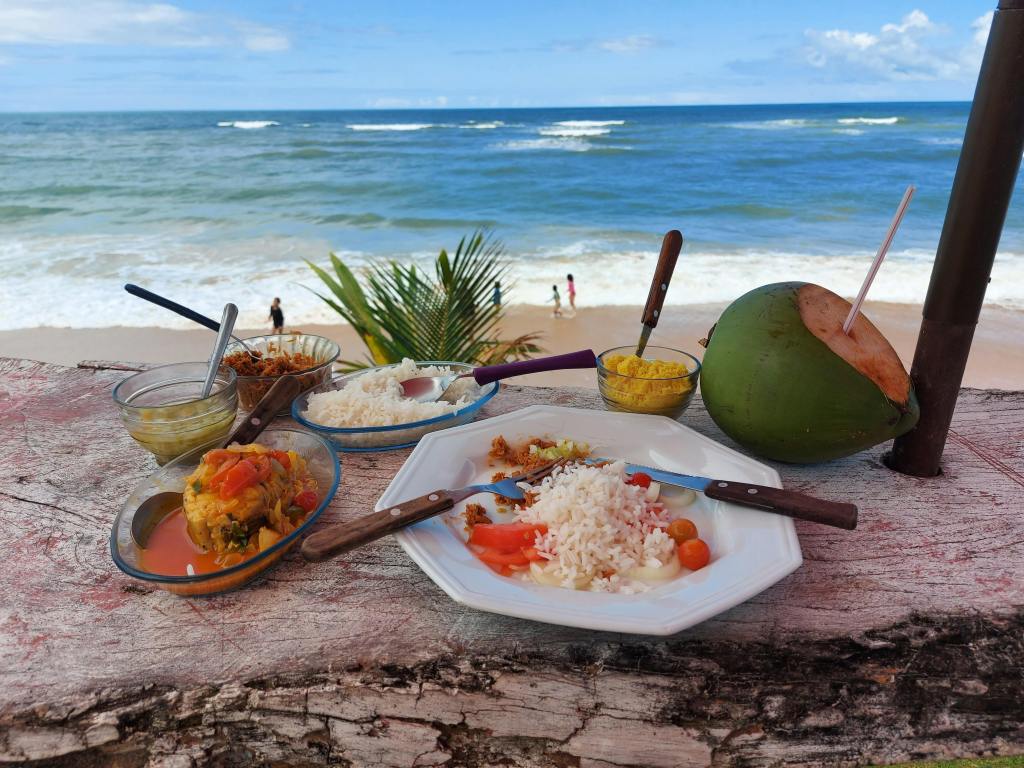
The short answer is yes, with some preparation. Zanzibar’s cuisine draws on East African, Arab, and Indian influences, and much of the traditional food is naturally free from gluten, think coconut curries, grilled seafood, rice dishes, and tropical fruit in abundance. It’s not a destination with dedicated gluten free cafes or labelled menus, but that’s not necessarily the obstacle it sounds like. The food that locals actually eat tends to work in your favour, and in tourist areas English is widely spoken, which helps enormously when you need to ask questions.
This guide covers what to eat, where to go, what to watch out for, and how to communicate your needs, so Zanzibar can be the trip it deserves to be.
- Is Zanzibar Good for Gluten Free Travellers?
- What to Eat: Naturally Gluten Free Dishes in Zanzibar
- What to Order Carefully or Avoid
- Where to Eat: Gluten Free Friendly Restaurants in Zanzibar
- Communicating Your Dietary Needs in Zanzibar: Key Swahili Phrases
- Practical Tips for Gluten Free Travel in Zanzibar
- Halal, Alcohol and Ramadan in Zanzibar
- Dairy Free, Vegetarian and Multiple Restrictions in Zanzibar
- Extending Your Trip: Safaris and Dietary Needs on the Mainland
- One Last Thing Before You Go
- FAQ
Is Zanzibar Good for Gluten Free Travellers?
Generally, yes, but it helps to understand why, and where the risks sit.
Zanzibar’s staple ingredients are rice, coconut milk, fresh seafood, cassava, and tropical fruit. None of those contain gluten, and they form the backbone of most traditional dishes. The Arab and Indian influences that shape Zanzibari cooking lean toward spiced rice dishes, grilled meats, and lentil-based soups rather than the bread and pasta-heavy traditions of European cuisines. For gluten free travellers, that’s a genuinely fortunate starting point.
That said, there are a few things worth knowing before you go. Zanzibar pizza — a popular street food sold widely at Forodhani Gardens night market and elsewhere — is made with a wheat flour dough and is not gluten free despite the name. It’s one of those things that sounds safe and isn’t. Similarly, urojo soup, a tangy and much-loved street food, can contain wheat noodles or flour-based thickeners depending on who’s making it, so it’s worth asking before you order.
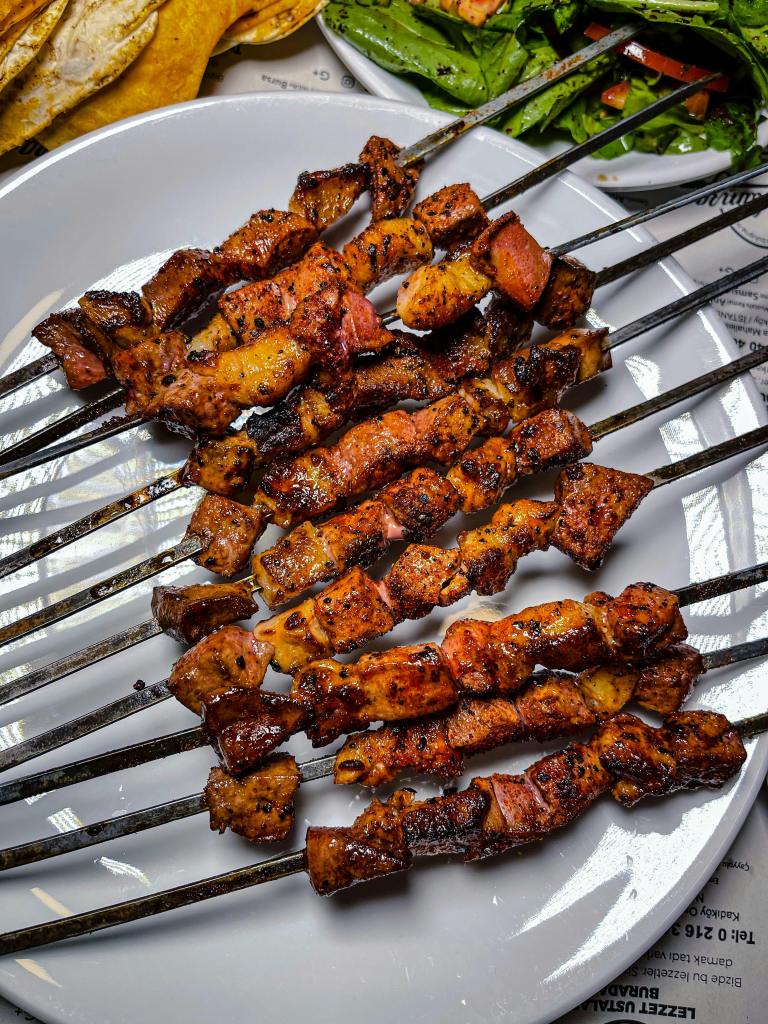
Fried foods at markets and street stalls carry a cross-contamination risk from shared oil, and some marinades and seasoning blends used for grilled meats may contain wheat-based ingredients. The safest approach at street food markets is to stick to grilled seafood and meat on skewers, rice dishes, and fresh fruit. Luckily all of which Zanzibar does exceptionally well.
For coeliac travellers, it’s worth setting realistic expectations. This is not a destination with dedicated allergen protocols or certified gluten free kitchens. Staff in tourist restaurants are generally willing to help and English communication is reasonably easy in Stone Town and the main beach areas, but the level of understanding around cross-contamination varies. Carrying a gluten free allergy card in Swahili, it really is genuinely useful here rather than just a nice-to-have.
The overall picture is a destination where the traditional food is largely on your side, the communication barriers are manageable, and a little preparation goes a long way.
What to Eat: Naturally Gluten Free Dishes in Zanzibar
One of the genuine pleasures of eating in Zanzibar is how well the traditional cuisine aligns with a gluten free diet. The dishes below are either naturally gluten free or easily made so — though as always, it’s worth asking about marinades, sauces, and preparation methods, particularly at busier tourist spots.
- Octopus curry with coconut rice One of Zanzibar’s signature dishes and a must-try. Octopus slow-cooked in coconut milk with spices, served over rice — rich, aromatic, and naturally gluten free. You’ll find it on menus across the island, from beachside shacks to fine dining. Ask for sauces on the side if you’re unsure about the base.
- Mishkaki Grilled skewers of beef, goat, or chicken, marinated and cooked over charcoal. A popular street food and a safe choice when prepared simply — the main thing to check is whether the marinade contains soy sauce or any wheat-based seasoning, which occasionally it does. At a sit-down restaurant it’s easier to ask; at a market stall, opt for plainly grilled versions if you can’t verify.
- Pilau rice Fragrant spiced rice cooked with whole spices — cardamom, cinnamon, cloves — and usually meat or vegetables. A staple across East Africa and naturally gluten free when made traditionally. One of the most satisfying and safe options you’ll find on the island.
- Grilled fish and seafood Zanzibar’s location means the seafood is exceptional — fresh, varied, and often simply prepared. Grilled lobster, prawns, red snapper, and kingfish are all widely available. Stick to grilled over battered or fried, and check that the kitchen isn’t using a shared fryer if cross-contamination is a concern for you.
- Urojo soup Zanzibar’s famous tangy street soup, made with a tamarind-based broth, potatoes, lentils, and various toppings. It’s beloved locally and worth trying — but ask about the noodles and thickeners before you order, as some versions include wheat noodles or flour-based additions. In tourist-facing restaurants it’s easier to request a modified version; at street stalls it’s harder to verify.
- Cassava fries and sweet potato Widely available as sides or snacks, and naturally gluten free. A reliable option when you want something simple and filling. Check they’re not fried in shared oil if cross-contamination is a concern.
- Tropical fruit Mango, jackfruit, pineapple, papaya, passionfruit — all abundant, all safe, and all exceptional in Zanzibar where much of it is grown locally. Fresh fruit from markets and street vendors is one of the simplest and most reliable gluten free options on the island.
What to Order Carefully or Avoid
- Zanzibar pizza — despite the name, this is a wheat flour dough filled with savoury or sweet ingredients and cooked on a griddle. It is not gluten free and is one of the most common things gluten free travellers are caught out by. Worth knowing before you arrive at Forodhani Gardens night market hungry.
- Chapati and mandazi — both popular breads made with wheat flour, widely available and best avoided.
- Battered or fried foods — at markets and street stalls, batter is almost always wheat-based and shared fryers are the norm.
- Seasoning cubes and pre-made spice blends — used in some kitchens and occasionally contain wheat starch. More of a concern at casual spots than at restaurants catering to international visitors.
Where to Eat: Gluten Free Friendly Restaurants in Zanzibar
Zanzibar doesn’t have a dedicated gluten free dining scene in the way that some European cities do, but there are some genuinely excellent options, particularly in Stone Town and along the east and south coasts. The restaurants below come up consistently in reviews from gluten free and allergy-conscious travellers.
A note before you dive in: booking ahead is strongly recommended for The Rock and Emerson on Hurumzi in particular. Both are popular with international visitors and fill up quickly, especially in peak season. It’s also worth mentioning your dietary needs at the time of booking rather than on arrival, both restaurants are known for being accommodating when given advance notice.
Stone Town
- Beach House Zanzibar – The Menu has a number of gluten free choices labelled on the menu
- The Secret Garden – The staff are knowledgeable about gluten free and options are labelled on the menu as well
- Lukmaan Restaurant – This highly regarded local restaurant has a wide selection of local specialties and fresh seafood as well as a number of gluten free option
- Firefly Zanzibar – This buffet restaurant has staff who understand gluten free and the food is naturally suitable
- Forodhani Gardens Night Market – This is Zanzibar’s most famous street food experience and it’s worth visiting, but with a clear strategy. Head for the grilled seafood stalls: lobster, prawns, octopus, and fish cooked fresh over charcoal and served with rice or on their own. These are your safe options and go early for the best selection and to give yourself time to ask questions before it gets busy.
Beach Areas
- Mahali Zanzibar – This restaurant has a number of gluten free items including Poke bowls and desserts listed on the menu
- Mr. Kahawa Café & Restaurant – Gluten free items on the menu are clearly marked but do confirm and ask about cross contamination
- Rooftop Restaurant Paje – Gluten free items are clearly marked but do confirm and ask about cross contamination
- The Rock Restaurant – Possibly Zanzibar’s most photographed restaurant, built on a rock in the Indian Ocean and accessible by foot at low tide or by boat at high tide. The menu focuses on fresh local seafood; grilled lobster, octopus, and fish, with rice and salad sides that are largely naturally gluten free. Ask for sauces on the side and confirm preparation methods with staff, one to book in advance.
Eco-lodges and Boutique Hotels
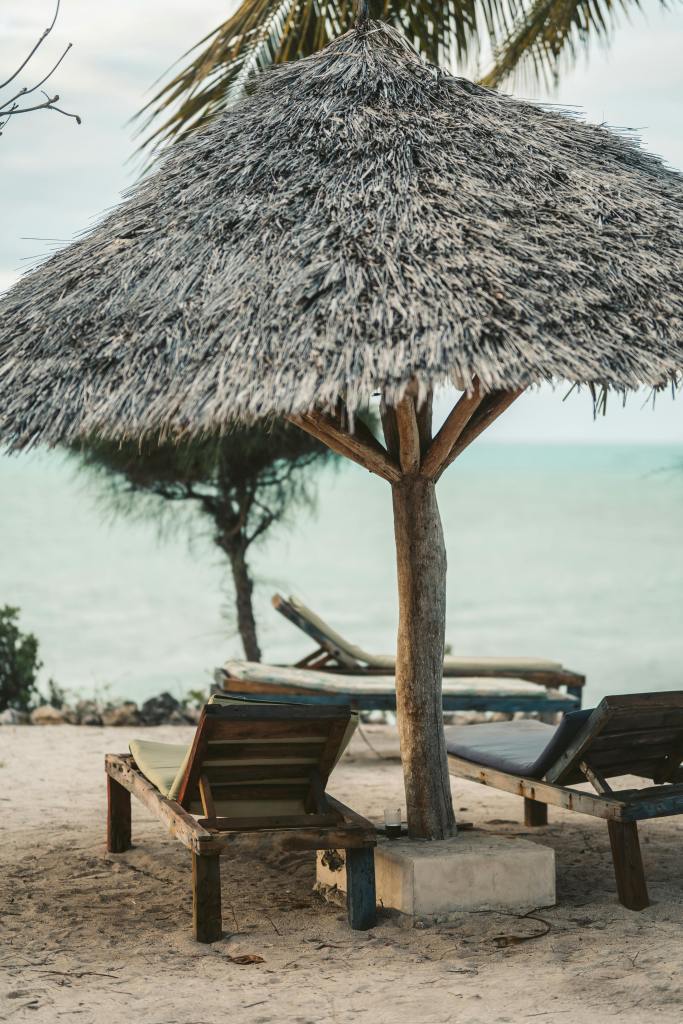
Worth mentioning separately because they’re often the best dining option outside the main tourist areas. Many smaller lodges and boutique hotels prepare meals fresh and to order, and staff are generally willing to adapt dishes once they understand your needs. Communicating your restrictions at the time of booking, ideally in writing, gives the kitchen time to prepare and means you’re not navigating it for the first time when you’re hungry after a long journey.
If you’re managing multiple restrictions, Tulia Zanzibar, Breezes Beach Club & Spa, Fumba Beach Lodge, Z-LODGE Zanzibar review well with visitors and are worth a look. Like any destination, we recommend booking with free cancellation in case your dietary needs cannot be accommodated
Communicating Your Dietary Needs in Zanzibar: Key Swahili Phrases
English is widely spoken in Stone Town and the main tourist areas of Zanzibar, so communication is generally easier here than in many other destinations covered on this site. That said, having a few key phrases in Swahili, and ideally a printed allergy card really does make a difference in smaller restaurants, at market stalls, and anywhere outside the main tourist trail. It also tends to be appreciated, and staff who feel respected are more likely to take your needs seriously.
The phrases below are a starting point. For a fully personalised allergy card in Swahili, tailored to your specific restrictions and destination, you can use our free allergy card creator, no membership required.
Key phrases
| English | Swahili | Approximate pronunciation |
|---|---|---|
| I cannot eat gluten / wheat | Siwezi kula gluteni / ngano | See-WEH-zee KOO-lah gloo-TEH-nee / nn-GAH-no |
| I have a gluten intolerance | Nina uvumilivu wa gluteni | NEE-nah oo-voo-mee-LEE-voo wah gloo-TEH-nee |
| Does this contain wheat or flour? | Je, hii ina ngano au unga? | Jeh, HEE ee-nah nn-GAH-no ow OON-gah? |
| Is this prepared separately? | Je, hii imetayarishwa tofauti? | Jeh, HEE ee-meh-tah-yah-REESH-wah toh-FAH-oo-tee? |
| No bread please | Bila mkate tafadhali | BEE-lah mm-KAH-teh tah-fah-DHAH-lee |
| Can I speak to the chef? | Naweza kuzungumza na mpishi? | Nah-WEH-zah koo-zoon-GOOM-zah nah mm-PEE-shee? |
| This is very important for my health | Hii ni muhimu sana kwa afya yangu | HEE nee moo-HEE-moo SAH-nah kwah AHF-yah YAHN-goo |
A note on allergy cards in Zanzibar
A printed allergy card in Swahili is genuinely useful here, more so than in some destinations where English is the dominant language in restaurants. At market stalls and smaller local spots where English is limited, being able to hand over a card removes the guesswork on both sides and shows you’ve taken your needs seriously enough to prepare.
Our translation apps guide also covers our favourite apps and how to use them effectively in a restaurant setting, worth a read before you go.
Create your free customised allergy card
Sign up to our free membership and generate your card in minutes.
Practical Tips for Gluten Free Travel in Zanzibar
- Book ahead and communicate early The Rock and Emerson on Hurumzi both fill up quickly, particularly in high season between June and October and over the Christmas and New Year period. Book as far in advance as you can, and mention your dietary needs at the time of booking rather than on arrival. A quick email explaining your restrictions gives the kitchen time to prepare and means you’re not having the conversation for the first time when you’re hungry and tired.
- Tell your accommodation on arrival If you’re staying somewhere with in-house dining, and many of Zanzibar’s boutique hotels and eco-lodges serve meals, do let staff know your restrictions when you check in. Most kitchens cook fresh and to order, and with a little notice they can usually accommodate you well. This is often the most reliable dining option outside Stone Town, particularly if you’re staying somewhere remote.
- Pack safe snacks Outside Stone Town and the main beach resort areas, safe food options become thinner. If you’re exploring the north of the island, visiting spice farms, or spending a day on a dhow cruise, having a supply of reliable snacks means you’re never stuck. Check border restrictions before you travel if you’re bringing food from home, and don’t forget Tanzania has customs rules worth reviewing in advance.
- Stick to grilled over fried at markets Forodhani Gardens and other market settings are wonderful but require a clear strategy. Grilled seafood and meat skewers are your friends. Anything battered, fried, or wrapped in dough is best avoided unless you can verify ingredients and preparation, which after all in a busy market setting is often difficult.
- Shared oil at street stalls Cross-contamination from shared frying oil is a real consideration at market stalls and casual street food spots. If cross-contamination is a concern for you, stick to grilled options and dishes that are clearly prepared separately.
- Carry your allergy card Even with good English widely spoken in tourist areas, a printed Swahili allergy card is worth having for smaller restaurants, market stalls, and anywhere off the main tourist trail. It removes ambiguity and tends to prompt a more careful response from kitchen staff.
- Zanzibar pizza is not what it sounds like Worth repeating: this is one of the most common traps for gluten free travellers visiting Zanzibar for the first time. It’s a wheat flour dough dish, widely sold and very popular. Give it a miss.
Halal, Alcohol and Ramadan in Zanzibar
Zanzibar is a Muslim-majority island, so if your trip falls during Ramadan, local restaurants and markets shift to evening hours around iftar rather than operating through the day. Tourist restaurants stay open, but daytime options outside those are limited. The evening food scene during Ramadan is excellent, so lean into it rather than fighting it. Eating and drinking visibly in public spaces during daylight hours is considered disrespectful, so worth being aware of.
You’ll also find alcohol is available at hotels, resorts, and tourist-facing restaurants but absent from local spots and markets. Some smaller lodges are alcohol-free by choice — worth checking when you book if it matters to you.
If you’re also managing halal or pork allergies alongside your GF restrictions, Zanzibar’s traditional cuisine handles both without much adaptation needed. Pork and its derivatives simply aren’t part of the equation here, which removes a layer of cross-contamination risk you’d spend energy navigating in many other destinations.
Dairy Free, Vegetarian and Multiple Restrictions in Zanzibar
Gluten Free and Dairy Free: The traditional cuisine is built on coconut milk rather than dairy, so GF and DF together is actually one of the easier combinations here. Octopus curry, pilau rice, grilled seafood, cassava, and most fruit-based dishes are naturally free from both. The additional watch-outs are whether anything comes with a butter or ghee accompaniment. At resorts and tourist restaurants dairy appears more frequently in the form of imported products, so it’s worth asking if anything has been added that wouldn’t traditionally be there.
Gluten Free and Vegetarian: Zanzibar is meat and seafood-forward, so vegetarians wanting variety will find it limited outside tourist areas. What does exist is largely naturally GF though, rice dishes, lentil soups, cassava, tropical fruit, coconut vegetable curries, and eggs at breakfast. At smaller local spots, ask what can be made without meat rather than looking for a vegetarian menu section. Most kitchens can adapt a rice and vegetable dish if you ask.
GF, DF and Vegetarian: Harder, but manageable with realistic expectations. The coconut base helps with DF and rice gives you a reliable GF foundation, but without meat, seafood, or dairy your protein options are eggs, lentils, and beans. Zanzibar isn’t the destination where all three restrictions open up the menu, so pack backup snacks, brief your accommodation early, and lean on tourist-facing restaurants when you need something more substantial.
Extending Your Trip: Safaris and Dietary Needs on the Mainland
Many people pair Zanzibar with a safari on the Tanzanian mainland, the Serengeti, Ngorongoro Crater, or Tarangire are the most common additions, often as a few days before or after the island. It’s a brilliant combination. It’s also where managing dietary restrictions gets significantly more complicated, and where advance planning genuinely matters.
Bush Camps and Safari Lodge Kitchens
Safari camps range from full-service luxury lodges with professional chefs to more basic tented camps where kitchen facilities are limited and resupply happens once every few days. At the upper end, dietary requirements are handled well, most reputable lodges are used to accommodating international guests with various needs, and a heads-up at the time of booking is usually enough for them to prepare. At the more basic end, the kitchen may be working with limited ingredients and limited ability to substitute.
The key rule across all camps: communicate your restrictions before you arrive, in writing, and be specific. Don’t say “gluten free” and assume they know what that means in practice. Say gluten free means no wheat, barley, rye, or flour. No bread, no pasta, no sauces thickened with flour, no soy sauce. If you’re also dairy free or have other dietary needs, say that too. If you have a coeliac diagnosis or a serious allergy rather than a preference, say so clearly, the distinction tends to prompt a more careful response.
Most lodges and camps are genuinely willing to accommodate you when given enough notice. The ones that aren’t tend to make that clear quickly, which is useful information before you’ve committed.
Food in Transit
The journey between Zanzibar and the mainland safari areas typically involves a domestic flight, and the food options at smaller Tanzanian airports and airstrips are very limited. Don’t rely on finding safe food en route, pack snacks that will carry you through any delays or transit time. This is especially worth thinking through if you’re combining multiple restrictions, where “just grab something at the airport” is rarely a realistic option.
Briefing Your Safari Operator
If you’re booking through a tour operator rather than directly with a lodge, brief them when you book rather than when you check in. A good operator will pass your requirements to every property on your itinerary. A less organised one may not, which is why following up directly with each property is worth doing regardless. A short email a week before arrival, confirming your restrictions and asking what they’ll be able to provide, is a simple step that removes a lot of uncertainty.
One Last Thing Before You Go
Zanzibar is one of those destinations that rewards preparation. Not because it’s particularly difficult for gluten free travellers, it isn’t. A little groundwork means you spend your time eating well and enjoying one of the most beautiful islands in the world, rather than navigating uncertainty on an empty stomach.
Book ahead, carry your allergy card, stick to grilled seafood and rice dishes when you’re unsure, and give Forodhani Gardens the respect it deserves by going straight for the charcoal-grilled prawns and leaving the Zanzibar pizza well alone.
The food that Zanzibar does best — fresh octopus curry, mishkaki off the grill, pilau rice fragrant with whole spices, tropical fruit that actually tastes of something — is largely naturally gluten free. That’s not a compromise. That’s just good eating.
Travel safe, eat well, and if you find a restaurant that deserves to be on this list, let us know, we’d love to hear about it.
If you want everything in one place, your dietary restrictions listed in the local language, an allergy card to show restaurant staff, key phrases for when your allergy card isn’t enough plus local foods to try and any watch outs, the Essentials Travel Pack builds it all for your exact combination. It gives you what you need in minutes, not hours.

Don’t just survive your trip, thrive
When you’re managing complex dietary needs, travel can be hard, but we’re here to make travel accessible again. We’ve organized our free planning guides, advocacy tips, and safety tools into one clear path. Whether you need a free allergy card or a complete game plan, start here to build your confidence.
FAQ
Is Zanzibar safe for coeliacs?
Zanzibar can be navigated safely with coeliac disease, but it requires more preparation than destinations with established gluten free dining scenes. There are no certified gluten free kitchens and allergen protocols vary widely. The traditional cuisine is largely naturally gluten free, which works in your favour, but cross-contamination at shared kitchens and market stalls is a real consideration. Stick to restaurants with international experience, communicate your needs clearly and in advance, carry a Swahili allergy card, and pack backup snacks. With that preparation in place, most coeliac travellers find Zanzibar very manageable.
What is Zanzibar pizza and is it gluten free?
No. Despite the name, Zanzibar pizza is a street food made with wheat flour dough, filled with meat, vegetables, egg, or sweet fillings and cooked on a griddle. It is one of the island’s most popular street foods and is sold widely at Forodhani Gardens night market and elsewhere. It is not suitable for gluten free or coeliac travellers.
Can I eat street food in Zanzibar with a gluten intolerance?
Yes, selectively. Grilled mishkaki skewers, fresh tropical fruit, sugarcane juice, and plain rice dishes are all reliable street food options. Avoid anything battered or fried, and be cautious with urojo soup and Zanzibar pizza. At busier stalls where communication is difficult, grilled and fresh options are always the safer choice.
Is urojo soup gluten free?
Not always. Urojo is a tangy tamarind-based soup that’s one of Zanzibar’s most beloved street foods, but some versions contain wheat noodles or flour-based thickeners. At a sit-down restaurant it’s worth asking about preparation, some places will adapt it on request. At a street stall it’s harder to verify, so exercise caution if gluten is a serious concern for you.
What should I tell my hotel about my dietary needs?
Keep it simple and specific. Say you are gluten free and cannot eat wheat, barley, rye, or anything containing flour. If you’re also dairy free, mention that too. If you have coeliac disease rather than an intolerance, it’s worth saying so, the word “allergy” or explaining it’s a medical condition tends to prompt a more careful response than “I prefer not to eat gluten.” Mentioning it by email before arrival gives the kitchen the best chance to prepare properly.
Do I need to speak Swahili to eat safely in Zanzibar?
Not in Stone Town or the main tourist restaurant areas, where English is widely spoken. But a few key phrases or a printed Swahili allergy card will help you considerably at market stalls, smaller local restaurants, and anywhere outside the main tourist trail. It also tends to be appreciated and can prompt staff to take your needs more seriously.
Is Zanzibar suitable to visit during Ramadan?
Yes, with some adjustment. Daytime food options at local restaurants and market stalls are more limited during Ramadan, as many operate reduced hours or close until iftar (sunset). Tourist-facing restaurants in Stone Town and beach areas generally remain open during the day. The evening food culture during Ramadan is excellent, markets and restaurants come alive after sunset with generous portions and great food. If your trip falls during Ramadan, lean into the evening dining rather than trying to replicate a normal daytime routine. Check current Ramadan dates before you book as they shift each year.
Can I manage gluten free and dairy free together in Zanzibar?
Yes, this is actually one of the more manageable combinations in Zanzibar. The traditional cuisine uses coconut milk as its base rather than dairy, so many of the best dishes on the island are naturally free from both. Octopus curry, pilau rice, grilled seafood, and most fruit-based dishes all work for GF and DF together. The main watch-outs are the same as for any GF traveller, with an added check for butter or ghee at tourist restaurants where dairy appears more frequently.
How do I manage dietary restrictions on a safari extension?
Communicate in writing before you arrive, and be specific about what your restrictions mean in practice. Most reputable safari lodges are experienced with international dietary requirements and will accommodate you well with advance notice. More basic camps have limited flexibility, so it’s worth researching the facilities at your specific lodges before booking. Pack reliable snacks for travel days and any transit through smaller airports or airstrips where safe food options are scarce.

Jo is the founder of Globally Sauced, a travel platform for dietary restricted travellers and is gluten and dairy free. When not outdoors or travelling, she loves to empower people with dietary restrictions so they can explore the world safely.
Globally Sauced offers verified restaurant recommendations, country-specific guides, food label / menu translations, and more downloadable resources for gluten-free, dairy-free, allergy-conscious and other dietary restricted travellers. Learn more at globallysauced.com