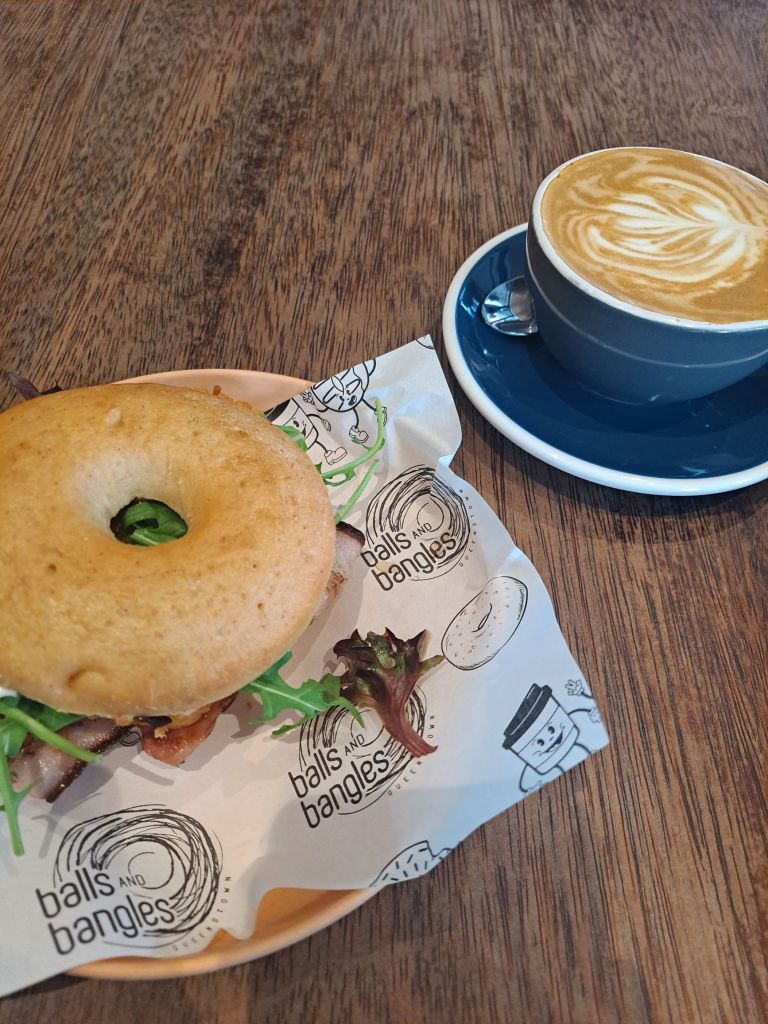
Pack This Before You Fly: The Food Allergy & Intolerance Travel Kit

Travelling with food allergies, coeliac disease, or intolerances means packing a little differently. Your passport matters, but so does your EpiPen. Your snacks matter as much as your itinerary.

I’ve fine-tuned this kit over years of gluten and dairy free travel, and for the severe allergy sections I’ve drawn on the expertise of Jess at Eat Safe, Live Big, who travels with multiple food allergies and knows this territory better than most. Her post on day-to-day essentials is well worth a read too.

Add or subtract based on your needs, and always check with a medical professional before you travel.

CategoryEssential ItemKey Regulatory / Medical Tip
Emergency Meds2x Auto-Injectors (EpiPen / Anapen) and Allergy Action PlanKeep in carry-on with original prescription label; check ASCIA Travel Plan
/ FAA / TSA guidelines.
CommunicationTranslated Allergy CardsPhysical & digital copies in local language; include clear medical terminology.
SanitationDisinfectant Surface WipesHand sanitizers do not neutralize food allergens; physical wipe-down of tray tables is required.
Safe FoodPre-packaged / Backpacker MealsCheck destination customs/biosecurity restrictions on meat/dairy ingredients before flight.

The Kit: What Everyone Should Pack

Communication

Allergy Translation Cards – In the local language, and printed (if possible laminated) in either A6 or business card size.

Translation App and download the Languages – For when you don’t speak the language fluently
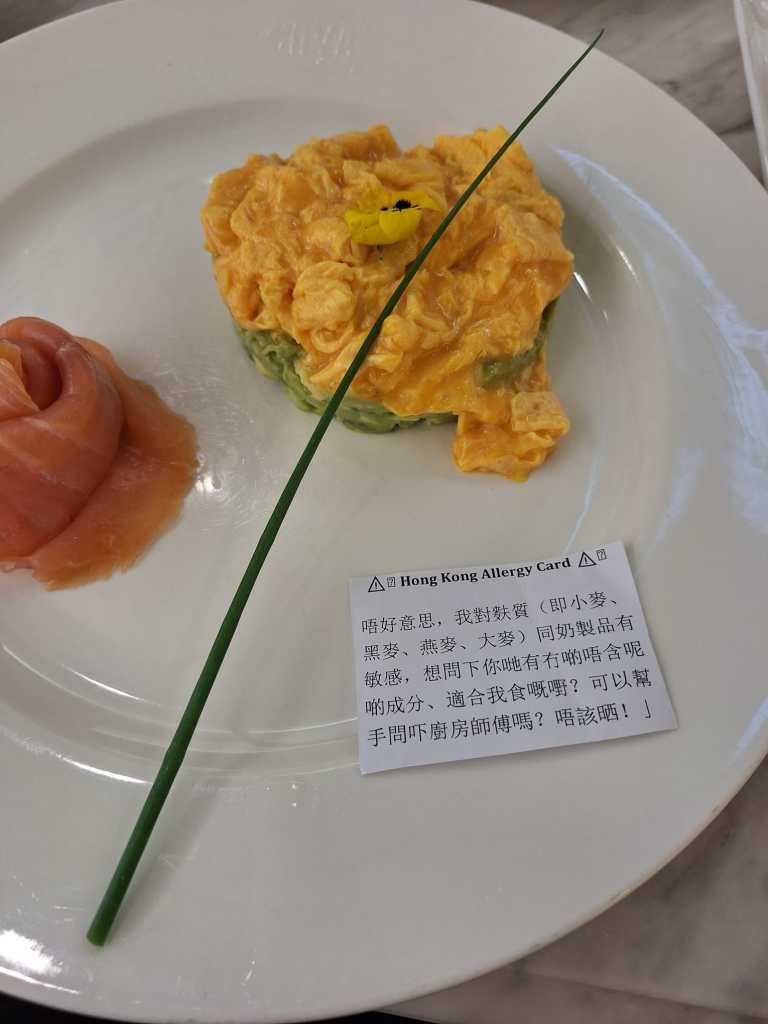
Allergy Card being used in Hong Kong by a Gluten Free Traveller

Emergency Meds

EpiPens (Ideally 2) – Easily accessible, within the expiry date and within reach. Why two? In some cases it may be needed, also if you’re travelling away from home you may be exposed more than once.

Before you travel make sure you check international aviation guidelines (e.g., IATA Medical Manual, TSA/CASA carry-on exemptions for liquid medications and auto-injectors). Also let travel companions and flight crew know where it is before you take off.

⚠️ Severe allergy: Keep at least one on you at all times, not in checked luggage, not in the overhead locker.

Medication Kit – Anything you either take regularly or use as needed to feel better. This might include; Benadryl, Antihistamines, inhaler, and any prescription medications, always in the original packaging.

⚠️ Severe allergy: Pack medication in original packaging, customs officials may need to verify what you’re carrying, and original packaging keeps dosage information handy. Antihistamines are not a substitute for an EpiPen.

Copy of an Allergy Action Plan – This explains what to do in case of reaction, and is created by your doctor or medical professional. You can find more information out about standardised plans such as the ASCIA Travel Plan or EAACI (European Academy of Allergy and Clinical Immunology)

⚠️ Severe allergy: This isn’t optional. Carry a printed copy and a digital version, and make sure your travel companions have read it.

Medical ID Bracelet – If you have one and your not wearing it, make sure it’s somewhere accessible. It’s an important way to alert others to your allergies in an emergency.

Sanitation

Wipes & Hand Sanitiser – For wiping down trays, tables, surfaces or hands before eating.

⚠️ Severe allergy: Wipes are essential for cleaning tray tables, seat belts, and armrests before you sit down. Hand sanitiser does not remove allergens — wipes do.

Safe Food
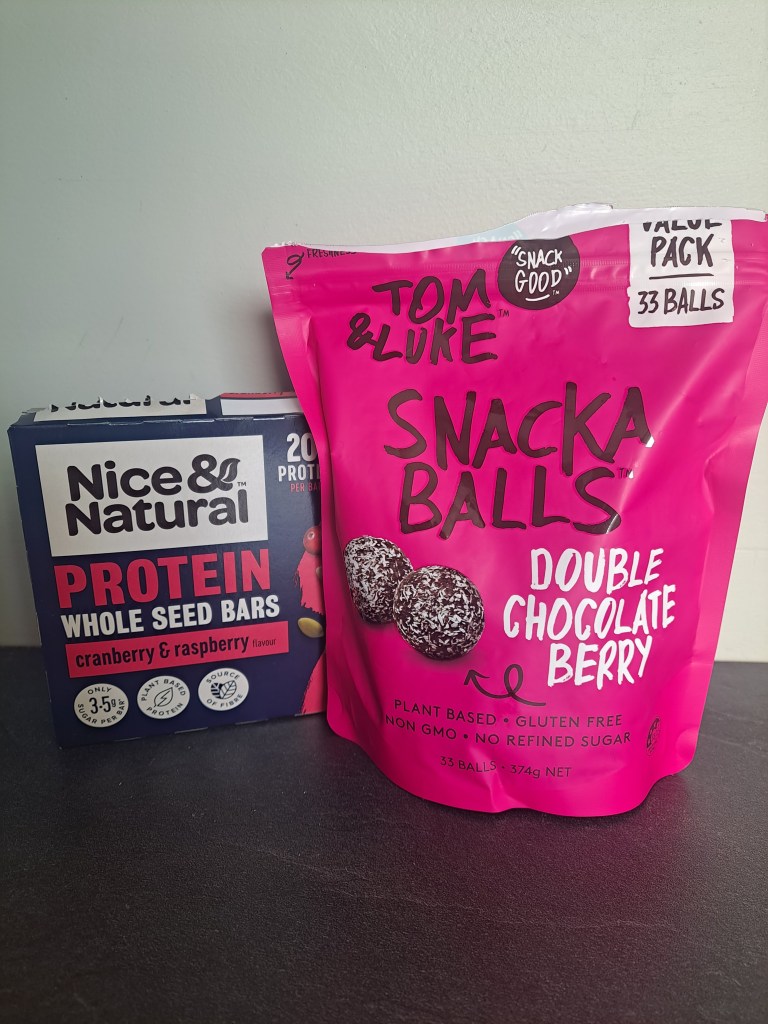
Image of two snack items: a box of Nice & Natural protein whole seed bars with cranberry and raspberry flavor, and a bag of Tom & Luke Snacka Balls in double chocolate berry flavor, placed on a flat surface.

Safe Snacks – A few shelf-stable, allergy-safe snacks such as muesli / granola bars or bliss balls perfect for when you can’t find safe food and usually no problem with border security.

⚠️ Severe allergy: Check manufacturing labels carefully for shared facility warnings — what’s safe at home may be produced differently abroad.

Backpacker Meals – I always pack a couple, usually Radix, for when safe local options are scarce. Just make sure to check border restrictions.

⚠️ Severe allergy: These are worth checking ingredient lists on carefully before you travel, not at the destination.

Pro Tip: Use the ‘First Use’ Test Rule

When you buy packaged food abroad, open and try it at your accommodation, not mid-flight or halfway up a mountain. If there’s a reaction, you’re in a safer, more controlled environment

Water Bottle – Always an essential, plus, it’s useful for washing away accidental exposures. If you’re travelling by air make sure its empty when going through security, you can usually fill it up on the other side.

Reusable Cutlery & Small Container – Perfect for the backpacker meal but also if you’re eating breakfast in a hotel room or similar. Just make sure it will get through security or check it in.

Going on a roadtrip? If you’re going on a road trip you’ve got more options so pack a small chilly bin (cooler or esky) with snacks and treats to enjoy wherever you stop.

Travel Tips for Severe Allergies

If you have a severe allergy or intolerance, travelling can feel especially stressful. But with a few smart steps, you can reduce your risk and travel more confidently.

Pro Tip: Carry Your Own Condiments
Sauces and dressings are common hiding spots for allergens and gluten. Single-serve sachets of safe sauces, oils, or seasonings can help you can make simple meals safe without guessing

Talk to staff clearly

Make sure you can be understood and can advocate for yourself just like you would at home. If you’re not confident check out our recent advocacy post, to build the skills you need. If you have severe allergies or don’t speak the language use allergy card and get verbal confirmation in the local language.

Know the emergency number

It’s not always what you use at home, know and save the local emergency number, the nearest hospital, and a translation of “I have a severe allergic reaction” in the local language in your phone and on a card in your wallet.

At the Airport & On the Plane

Identify airport dining options

Airport food can feel like a game of chance when you have dietary restrictions. Read up on How to Eat Safely at the Airport with Dietary Restrictions, read our article on how to research your terminal, find naturally safe options, and why backup snacks are your ultimate travel insurance.

Keep your medication close

Never store your medication, including antihistamines or an EpiPen in the overhead compartment, instead keep it within arm’s reach. Let your travel companions and the flight crew know if you have a severe allergy and where your medication is in case of an emergency.

Pre-boarding accommodations

Airline policies do vary regarding pre-boarding accommodation (e.g., buffer zones, flight crew notifications, pre-boarding) and nut-free buffer zones but it’s always worth asking and doing a little research so you know what to expect.

Let crew and nearby passengers know

Some airlines will, and some will not make an allergy-related announcement but its always worth asking. If they won’t make an allergy-related announcement to other passengers, you’re always within your rights to politely inform those seated around you of your allergies, especially on smaller or longer flights.

Request to pre-board

Ask gate staff if you can board early so you have time to wipe down your seat, tray table, seatbelt, window area, and any nearby surfaces. This small step can make a big difference in avoiding accidental contact with allergens. Top Tip: when travelling in a large group or with children, if you have multiple adults get one to pre-board and wipe surfaces down while the others stay with the group to speed things up

Bring your own food if you can

Special Meals are fantastic for many, myself included but if you have severe allergies or intolerances remember they are prepared in a shared kitchen and there is a risk of cross contamination. If this is you, we suggest bringing safe snacks or meals for longer flights. Many airlines such as Air New Zealand have information on this on their website about bringing you’re own food.

Heads up biosecurity and border rules do vary by country, always check in advance what you can or cannot bring into a country and declare it on entry if unsure e.g. MPI New Zealand, Australian Department of Agriculture, MAFF Japan) regarding importing animal products, seed mixes, or unsealed food Be sure to check airline and destination rules in advance, some countries restrict certain food items on entry.

If bringing your own food isn’t allowed or practical, ask airline staff about ingredients and preparation methods. For example, travellers with milk or egg allergies may find vegan meals safer, though it’s always best to double-check.

The Takeaway

  • Verify before you fly: Check destination import laws for pre-packaged meals and verify your carrier’s specific medical bag policy.
  • Keep meds within arm’s reach: Never stow auto-injectors or essential medications in overhead bins or checked luggage.
  • Wipes over sanitizer: Alcohol gels kill bacteria but leave food proteins behind—always use disinfectant wipes on trays and armrests.

Travelling with food allergies, coeliac disease, or intolerances can feel overwhelming, but with the right preparation, it becomes less about fear and more about freedom. Your survival kit isn’t just a bag of supplies; it’s a safety net that lets you focus on the fun parts of travel, not the stressful ones.

Every journey will be different, and your kit will evolve with each trip. But the goal is always the same: stay safe, eat well, and make incredible memories, because food shouldn’t be the hardest part of your trip.

If you’ve discovered an essential that’s saved you on the road, let me know on Instagram or Facebook and I’ll include it. You never know who you might help on their next trip

Why Australia and New Zealand’s Food Labelling Laws Are Some of the Strictest in the World

A practical guide for travellers managing coeliac disease, food allergies, intolerances, or any combination, across Australia and New Zealand.

Good news, both Australia and New Zealand have one of the most detailed allergen labelling systems in the world, substances that must be declared, a strict format for how they’re written, and separate, stricter standards for the words “gluten free.” Once you know how it works it’s honestly one of the easier places to eat safely, but its different enough from other places that it’s worth a proper explanation.

I’m a kiwi and I’ve eaten my way through Auckland, Coromandel, Rotorua, Queenstown, Adelaide and Melbourne since going gluten and dairy free, and while my own experience is with those two restrictions specifically, the labelling system underneath applies whatever you’re avoiding. Read on to learn how it works so you can travel and eat with confidence.

Supermarket Transparency vs. Kitchen Discretion

Navigating supermarket aisles in Australia and New Zealand is a dream compared to many parts of the world; The packaged food in Woolworths, Coles, or Pak’nSave is among the safest and most strictly audited in the world, However the legal definitions behind terms like ‘Gluten Free’ or ‘Tree Nuts’ can catch international travellers off guard.

Restaurants however are where advocacy is required. The FSANZ packaged food rules do not legally dictate raw kitchen prep in cafés and restaurants. Menu acronyms (GF, DF, V) are voluntary shorthand, meaning asking questions about shared fryers and noodle water is still essential. Staff are however legally required to provide accurate allergen information upon request (even if unlisted on the menu).

For packaged food Australia and New Zealand put the legal burden of absolute accuracy on the manufacturer, which frees up the consumer in the supermarket aisle, but in a restaurant setting, that burden shifts back to you to ask the right questions. We will look into each aspect in more detail below.

Quick reference guide

While both countries share a unified food code, how Australia and New Zealand handle allergens on packaging looks very different from what you might be used to at home. The strict zero-tolerance stance on gluten or mandatory plain-English nut naming might be a breath of fresh air depending on what you’re used to so before diving into the fine print, here is how ANZ labelling laws stack up against global standards.

FeatureAustralia & New Zealand (FSANZ)USA / Europe / UK
“Gluten Free” Claim0 ppm (Zero detectable gluten)< 20 ppm threshold
Oats in Gluten Free FoodStrictly prohibited from wearing “GF” labelAllowed if certified as uncontaminated
Tree Nut LabellingMust name individual nuts (e.g., Cashew, Walnut)Often grouped under generic “Tree Nuts”
Labelling FormatMandatory Bold text & separate “Contains” boxVaries (often bolding or bottom summary)
Menu LabellingVoluntary shorthand (GF, DF); laws apply to packaging onlyEU/UK require 14 allergens declared on menus; US varies
Staff KnowledgeLegally required to supply ingredient info if askedEU/UK legally mandatory; US relies on voluntary kitchen policy

The Allergens That Must Be Declared

Under Food Standards Australia New Zealand (FSANZ), packaged food must clearly declare a specific list of allergens whenever they’re present, regardless of how much or how little is used. The list includes:

  • Peanuts
  • Tree nuts, and each one has to be named individually, almond, Brazil nut, cashew, hazelnut, macadamia, pecan, pine nut, pistachio and walnut all have to be spelled out rather than grouped under “tree nuts”
  • Milk
  • Eggs
  • Fish
  • Crustaceans, such as prawns, crab and lobster
  • Molluscs, such as oysters, mussels, squid and scallops
  • Soy
  • Sesame
  • Lupin, a legume used in some flours and baked goods that isn’t widely known outside the region but is cross-reactive with peanut allergy for some people
  • Sulphites, when added at 10 milligrams per kilogram or more, common in dried fruit, wine and some processed foods
  • Wheat, along with barley, oats and rye specifically when they contain gluten

Source: Food Standards Australia New Zealand (FSANZ) Allergen Labelling

That’s a wider net than many countries so if you’re managing a nut, egg allergy, or something like lupin or sulphites, Australian and New Zealand labels might be some of the easiest to navigate.

Plain English Labelling: What “Bold” and “Contains” Actually Mean

Packaging in New Zealand showing how the allergens appear

Recent updates to the legislation has introduced PEAL (Plain English Allergen Labelling) in Australia and New Zealand which requires manufacturers to use plain names. So no hiding milk behind “casein” or “whey,” no grouping nuts together as one word. Each allergen appears in bold, every time it shows up in the ingredient list, including if it’s inside something like a stock or a sauce.

As well as this most products carry a separate bolded summary statement starting with the word “Contains,” for example “Contains: milk, soy, sulphites.” You can see this on the Tom & Luke’s packaging to the left. It sits near the ingredient list, it’s designed to be easy to check.

Gluten Free Zero Tolerance

Gluten sits inside the same regulations but “gluten free” as a claim on a label has much stricter rules than you might be used to. Under Australian and New Zealand food law, a product can only be labelled “gluten free” if it contains no detectable gluten whatsoever. There’s no allowable trace threshold the way there is in Europe or the US, where gluten free typically means under 20 parts per million. Here, if a lab can detect it, the product can’t wear the label.

In practice this means a “gluten free” sticker on a supermarket shelf or a menu is doing more work than the same words might overseas, 20 ppm allows trace amounts of gluten, whereas FSANZ tests down to zero. So for people who are coeliac or gluten free this is one of the reasons both countries are considered easier than average for coeliac travellers.

What About the Oats?

Internationally, the gluten free status of oats can be controversial. Some countries allow oats to be labelled gluten free provided they’re grown, harvested and processed to avoid contamination with wheat. Others treat oats as a contamination risk by default, since oat crops are very often grown alongside or rotated with wheat.

Australia and New Zealand fall into the second camp. Neither country currently allows oats to be labelled gluten free, full stop, regardless of how the oats were grown or processed. Coeliac Australia has more details on the reasoning, its worth a read.

What this means in practice: oat milk in your coffee isn’t a gluten free swap here the way it might be at home. If you’re coeliac or highly sensitive, ask for cow, soy, almond, or especially in Australia order a lactose-free option instead. It’s a small adjustment, but it’s the one detail that catches out even experienced travellers who’ve done this in a dozen other countries.

You may also find your favourite snacks unavailable as often these contain oat flour, never fear check out the free from or snack aisles in the supermarket there’s plenty of delicious local options.

A delicious and safe bagel in Melbourne

What does “May Contain” really mean?

You’ll also see “may contain traces of,” or “may be present,” on packaging for any of the allergens on the list above, not just gluten. This is a voluntary statement, also called precautionary allergen labelling, and it exists because manufacturers have identified a genuine cross-contact risk they couldn’t fully eliminate through cleaning or scheduling.

The important part to consider though, it is voluntary so its absence doesn’t mean the product is safer. A manufacturer might not have added the statement, but the risk is still there. Treat it as one input, not the whole picture, and if you’re highly sensitive to a particular allergen, the product’s own website or customer service line can be a valuable source of advice regarding the manufacturing process. For example Whittaker’s Chocolate FAQ contains some valuable information you won’t find on the packaging.

Menus, Restaurants, and Where the Packaging Rules Stop

All of the above applies to packaged retail food. It doesn’t extend to what comes out of a restaurant kitchen. Once you’re eating out, you’re back to asking the same questions you’d ask anywhere in the world, regardless of what you’re managing, how is this prepared, is there a dedicated fryer or board, what’s in the sauce.

Menu in Australia showing allergen labels

Menus increasingly use shorthand like GF, DF, V, VG, or a specific allergy icon, and halal and kosher options are marked at some venues, but none of that shorthand carries the same legal weight as the packaging declarations above. It’s a helpful pointer, not a guarantee, and staff knowledge does vary from one venue to the next.

Whether a restaurant has labels or not always ask the staff, some restaurants will say they don’t cater to allergens but, most do even when its not labelled. I’ve often found some of the most accommodating places to be ones without labelling on the menu. Like many places your favourite review websites or apps can be great places to find recommended spots.

Don’t forget to ask questions just like you would at home, so you know that the risk of cross contamination is acceptable to you. On a snowboarding trip to Queenstown, a couple of restaurants said they had gluten free items, however when I enquired further the fryer was shared. One lunch break in Auckland I enquired about a noodle place that had rice gluten free noodles, when I asked questions the water was shared and the broth had soy sauce containing wheat. On both occasions if I hadn’t asked more questions I could have been affected by gluten.

Where to Put This Into Practice

If you’re planning a trip across the region, I’ve put the practical, restaurant-by-restaurant version of all this into three dedicated guides. They’re written from my own experience as a gluten free and dairy free traveller, but the labelling logic above applies underneath whatever you’re managing:

If your combination includes allergies beyond gluten and dairy, the Essentials Travel Pack builds a personalised guide including naturally safe dishes and an allergy card for your restrictions wherever you’re headed.

The Takeaway

  • Supermarkets are safe havens: Thanks to zero-tolerance gluten rules and PEAL, packaged ingredients are among the easiest to read in the world.
  • Beware the oats: Oats cannot be labelled “gluten-free” in ANZ—swap your oat milk coffee for almond, soy, or lactose-free cow’s milk.
  • Tree nuts are always named: You won’t have to guess what “tree nuts” means on a package; every nut is listed individually.
  • Restaurants require advocacy: Menu acronyms (GF, DF, V) carry no legal weight, so always ask staff about shared fryers and prep water.

Australia and New Zealand’s labelling laws are detailed because they’re built around certainty rather than guesswork. A specific list of allergens has to be declared in plain English, gluten free carries its own stricter zero tolerance standard again, oats sit outside that claim entirely, and none of it extends past the supermarket shelf into the kitchen. Once you know the categories, whatever your combination of restrictions, the region becomes one of the more straightforward places in the world to eat safely.